
The Meaning of Dignity
Explore the meaning of human dignity, its philosophical history, role in universal human rights and government, and its place in Civic Humanism.
The Love of Wisdom — Ancient Questions, Living Answers
Engage with the great questions of existence, reason, and justice—through classical texts, modern analysis, and interdisciplinary dialogue.
Explore the meaning of human dignity, its philosophical history, role in universal human rights and government, and its place in Civic Humanism.
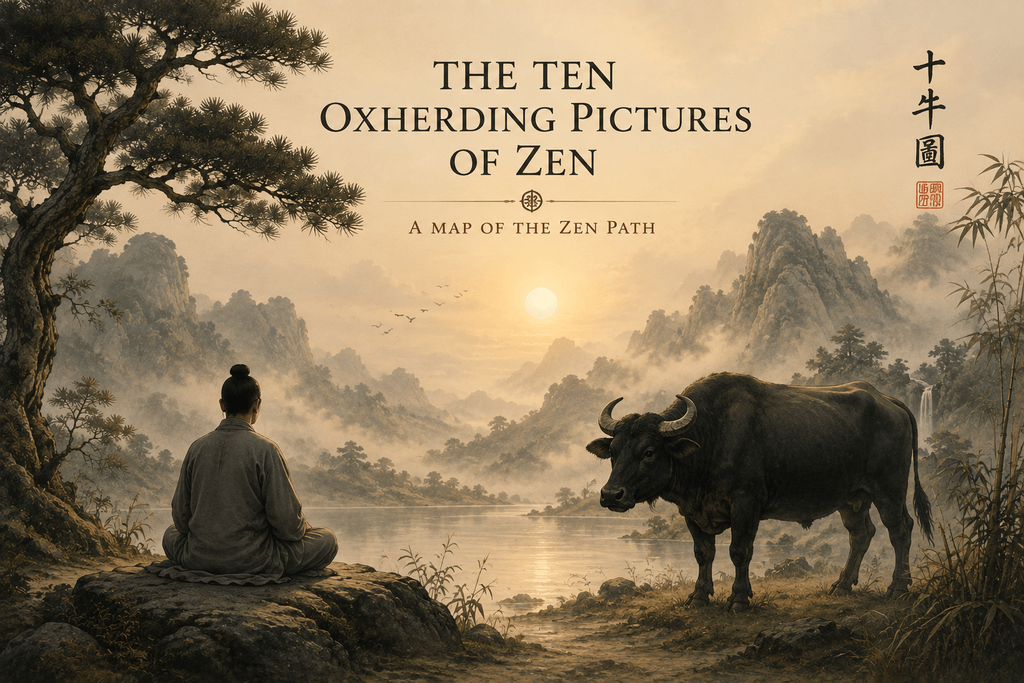
Explore the Ten Oxherding Pictures of Zen, a classic Chan Buddhist journey through meditation, self-discovery, awakening, emptiness, and compassionate action.

Explore Laozi’s *Daodejing: The Way and Its Virtue* in a Science Abbey translation, with an introduction to Daoism, wuwei, meditation, and Chinese philosophy.
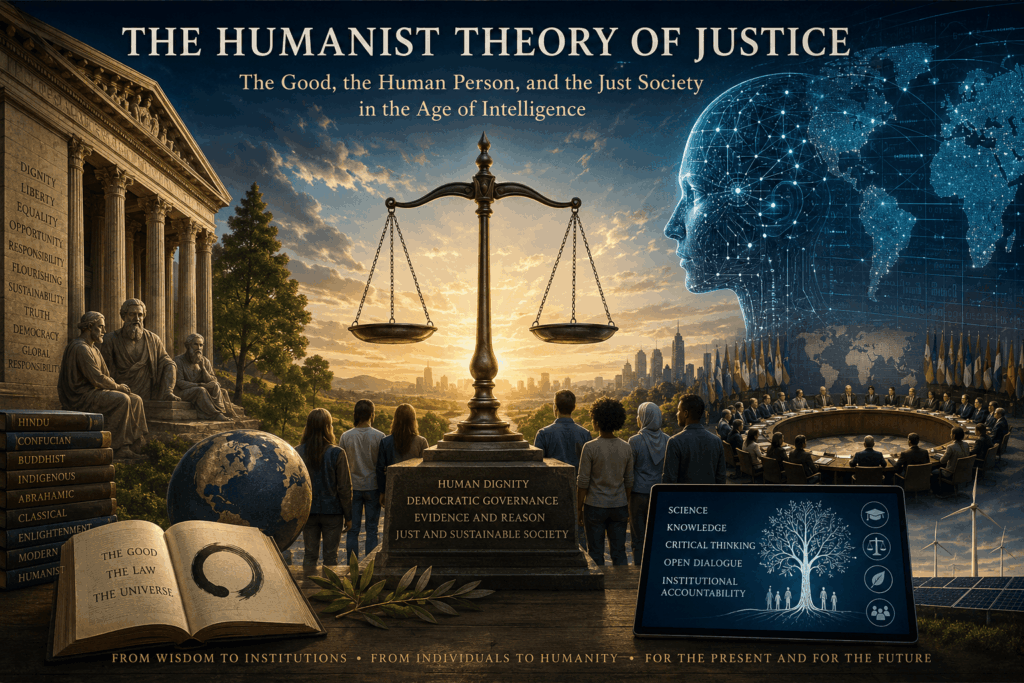
Explore the Humanist Theory of Justice, integrating philosophy, science, humanism, democracy, ethics, Rawls, Sandel, and the Science of Wholeness.
This article examines the historical development of democracy, republican government, liberty, and the American Dream through the perspective of Integrated Humanism and Civic Humanism.
The Sixteen Bodhisattva Precepts occupy a unique place within Soto Zen Buddhism. They are at once vows, ethical principles, contemplative teachings, and expressions of awakening itself.
A history of humanism from the ancient world to the Age of Intelligence, exploring how philosophy, religion, science, democracy, and human rights shaped humanity’s ongoing pursuit of wisdom, dignity, and human flourishing.

Pike’s influential Masonic masterpiece through modern scholarship, separating enduring insights on morality, symbolism, education, and human development from outdated theories while exploring its relevance for Freemasonry and civilization in the twenty-first century.
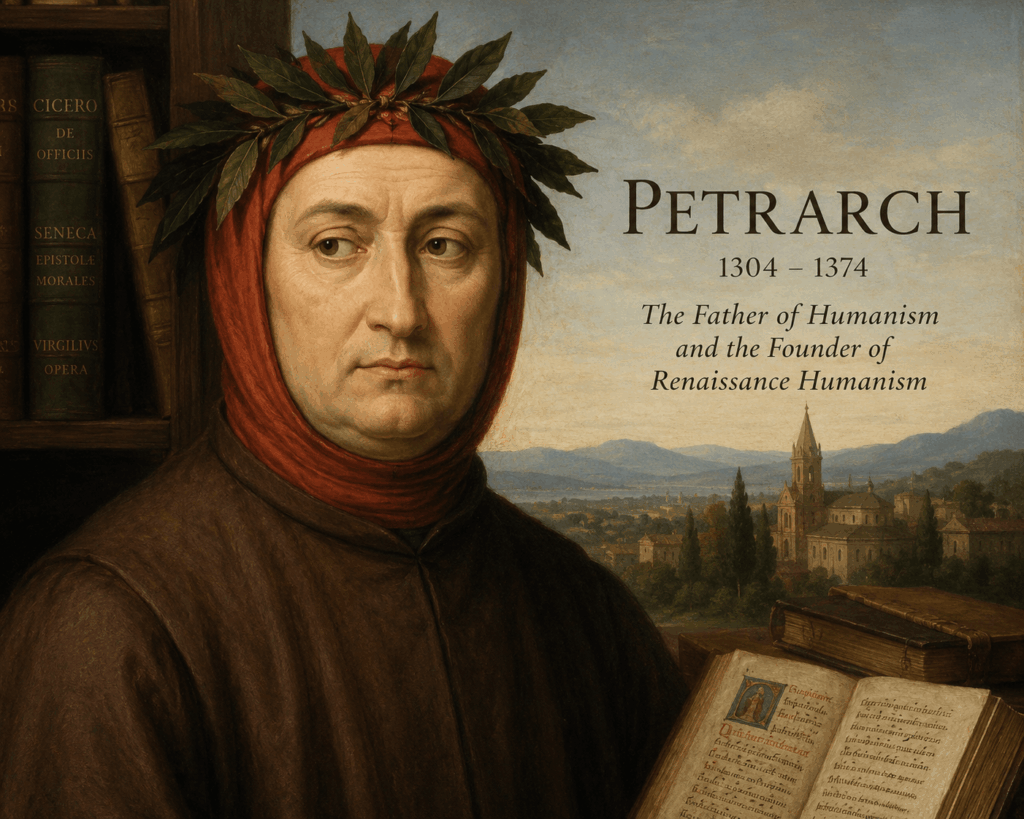
Explore the origins of Renaissance Humanism, the revival of classical learning, Civic Humanism, art, science, and the rise of modern civilization through the thinkers and ideals that transformed Europe and shaped the modern world.

At its core, Civic Humanism teaches that liberty survives only where people cultivate wisdom, virtue, education, and public responsibility together.
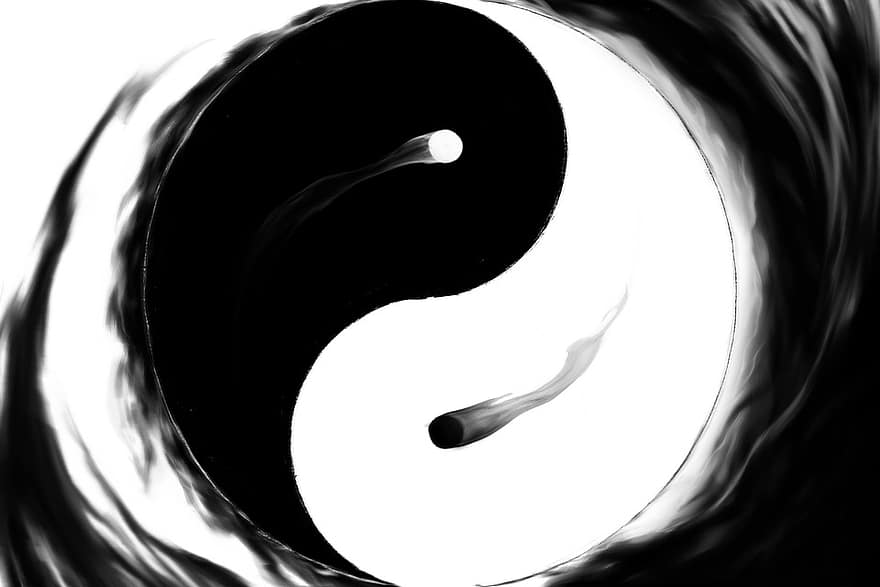
The I Ching (Yijing, Book of Changes) sits at the intersection of philosophy, cosmology, mathematics, political ethics, and early systems thinking. It can be explored not as supernatural divination but as one of humanity’s earliest models of dynamic complexity and moral decision-making.

Explore The Science of Community—how human connection evolved from tribe to global society, and how reason and compassion can guide a more unified world.