
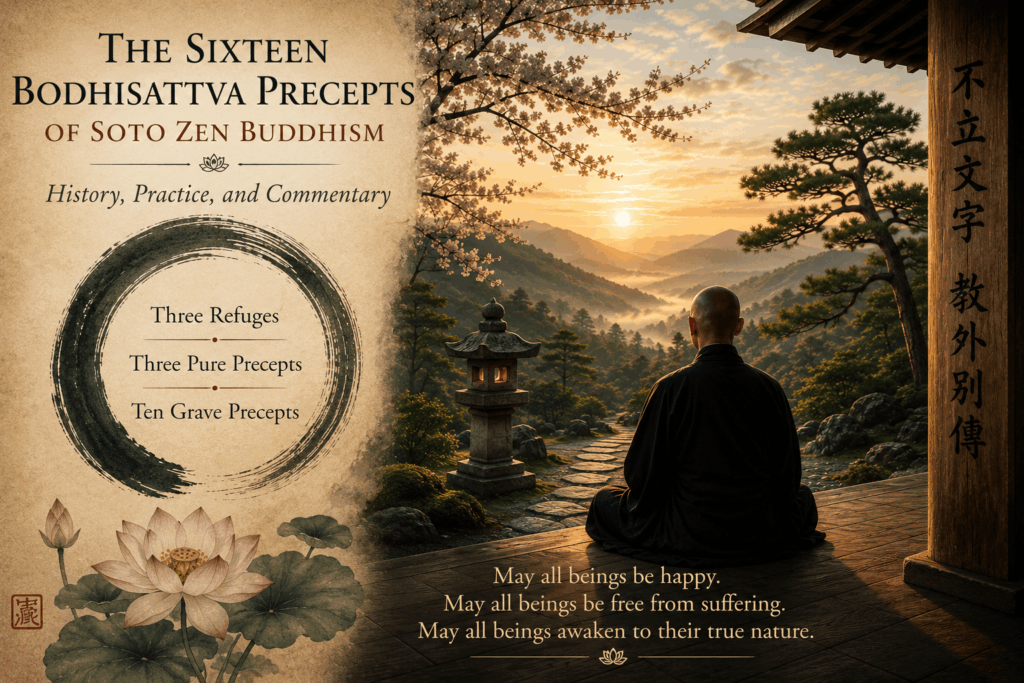
The Sixteen Bodhisattva Precepts of Soto Zen Buddhism
The Sixteen Bodhisattva Precepts occupy a unique place within Soto Zen Buddhism. They are at once vows, ethical principles, contemplative teachings, and expressions of awakening itself.

The Sixteen Bodhisattva Precepts occupy a unique place within Soto Zen Buddhism. They are at once vows, ethical principles, contemplative teachings, and expressions of awakening itself.

A vision of a modern Zen Renaissance where meditation, science, education, healthcare, and technology work together to cultivate human flourishing.

Explore the Soto Zen Meal Chants through a Science Abbey translation and commentary on oryoki, gratitude, mindfulness, interdependence, and awakening.
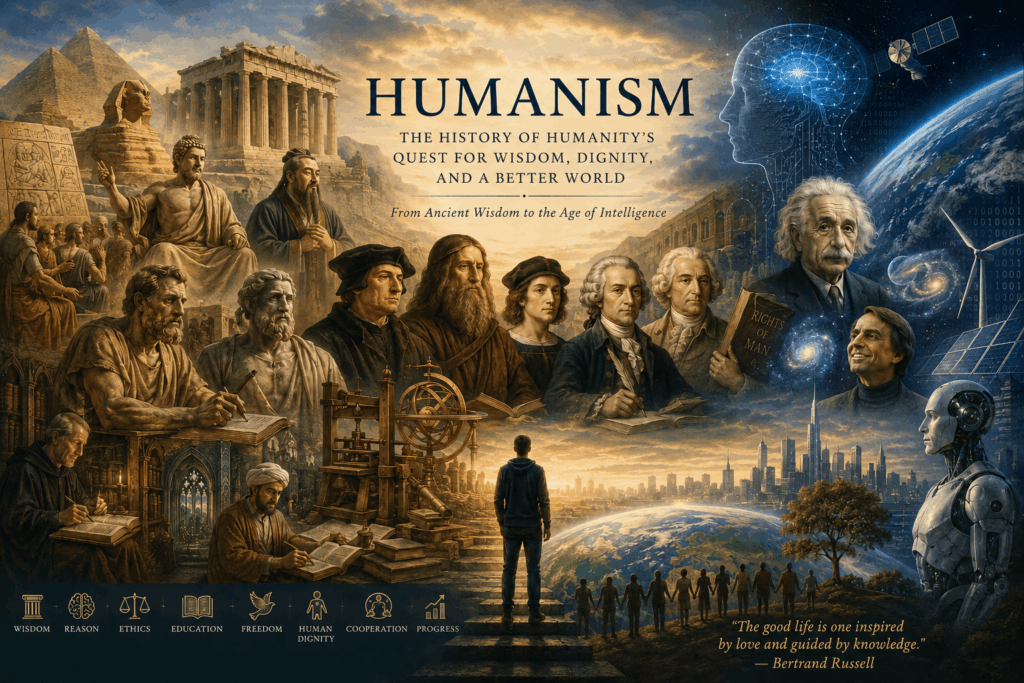
A history of humanism from the ancient world to the Age of Intelligence, exploring how philosophy, religion, science, democracy, and human rights shaped humanity’s ongoing pursuit of wisdom, dignity, and human flourishing.

Read Dōgen’s Fukanzazengi with a clear modern translation and commentary on Soto Zen, zazen, shikantaza, mindfulness, and awakening.

Pike’s influential Masonic masterpiece through modern scholarship, separating enduring insights on morality, symbolism, education, and human development from outdated theories while exploring its relevance for Freemasonry and civilization in the twenty-first century.
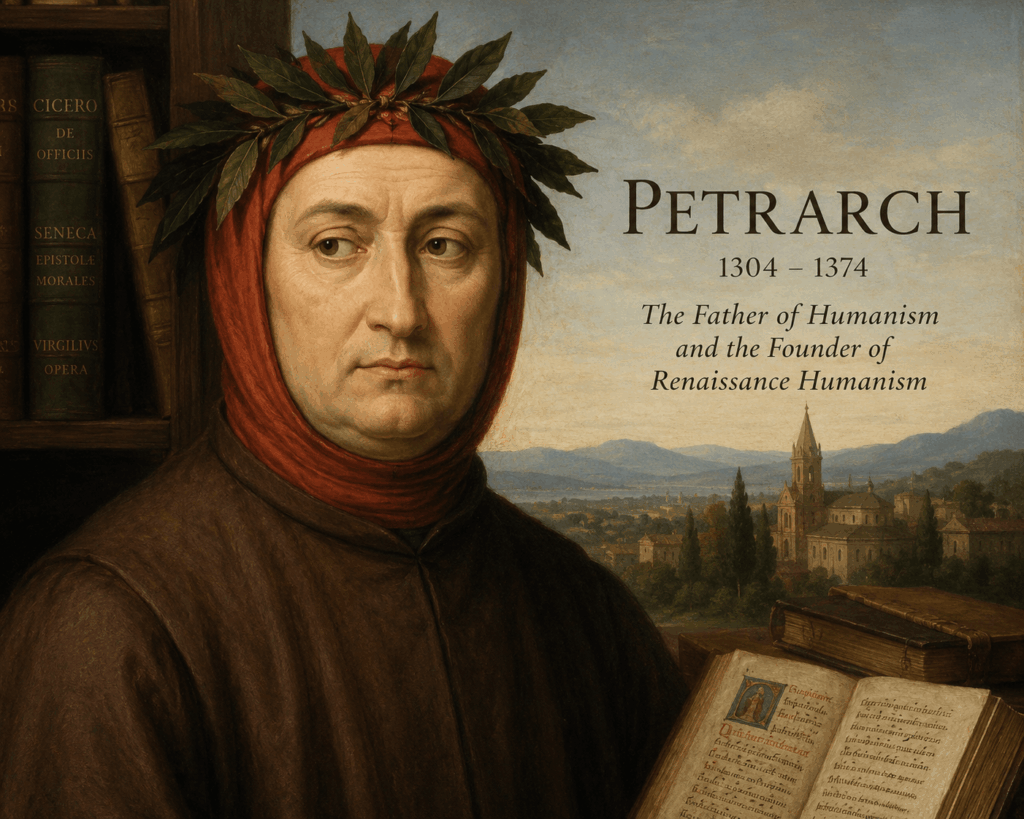
Explore the origins of Renaissance Humanism, the revival of classical learning, Civic Humanism, art, science, and the rise of modern civilization through the thinkers and ideals that transformed Europe and shaped the modern world.

At its core, Civic Humanism teaches that liberty survives only where people cultivate wisdom, virtue, education, and public responsibility together.

Explore the science, history, and power of charters across civilizations, governments, corporations, religions, and global institutions. This comprehensive Science Abbey analysis examines how charters shape authority, legitimacy, governance, and the future of civilization in the Age of Intelligence.

A scientific humanist exploration of Dōgen Zenji’s Eihei Shingi, revealing how Zen monastic discipline functions as a system of mindfulness, behavioral design, and conscious institutional life.

Explore the history and science of political parties—from ancient factions to modern campaigns—and how they shape power, ideology, and democracy in a rapidly changing world.
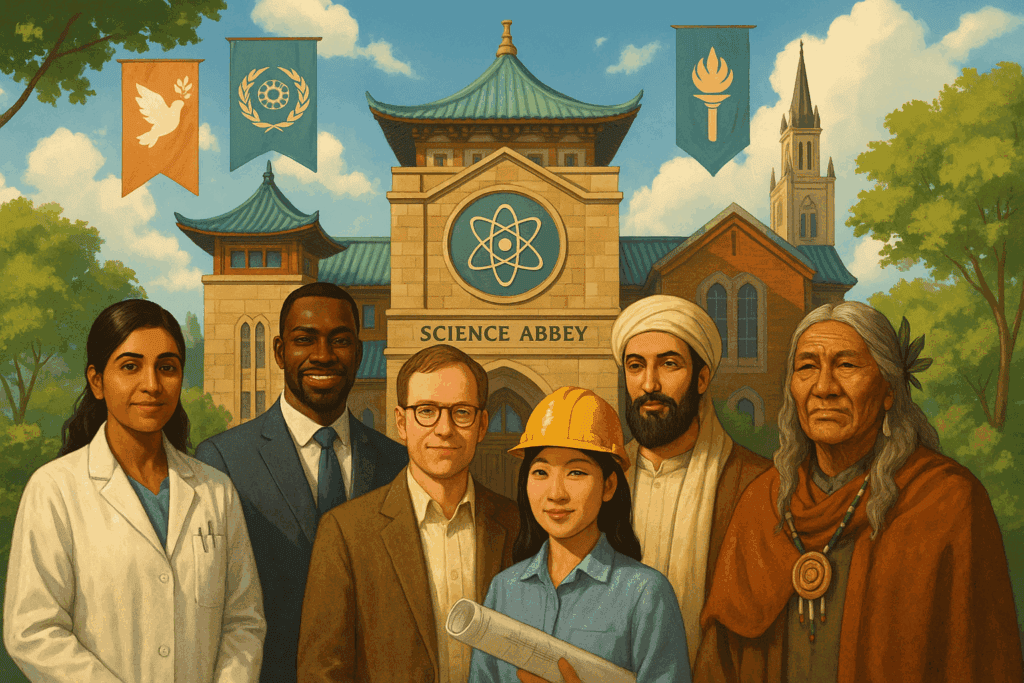
A clear, science-based framework for equality and social justice in Integrated Humanism—covering gender, race, disability, and global human rights with evidence, ethics, and practical policy insights.