

The Ten Oxherding Pictures of Zen
Explore the Ten Oxherding Pictures of Zen, a classic Chan Buddhist journey through meditation, self-discovery, awakening, emptiness, and compassionate action.

Stillness in Motion — Practices for Conscious Living
Learn the science and practice of meditation—blending contemplative traditions with neuroscience and inner development for a grounded spiritual path.
Explore the Ten Oxherding Pictures of Zen, a classic Chan Buddhist journey through meditation, self-discovery, awakening, emptiness, and compassionate action.

Explore Laozi’s *Daodejing: The Way and Its Virtue* in a Science Abbey translation, with an introduction to Daoism, wuwei, meditation, and Chinese philosophy.

Read Dōgen’s Fukanzazengi with a clear modern translation and commentary on Soto Zen, zazen, shikantaza, mindfulness, and awakening.

A scientific humanist exploration of Dōgen Zenji’s Eihei Shingi, revealing how Zen monastic discipline functions as a system of mindfulness, behavioral design, and conscious institutional life.

The I Ching (Yijing, Book of Changes) sits at the intersection of philosophy, cosmology, mathematics, political ethics, and early systems thinking. It can be explored not as supernatural divination but as one of humanity’s earliest models of dynamic complexity and moral decision-making.

Explore the universal language of numbers, patterns, and proofs—revealing how math shapes science, technology, society, and human life.

This article traces the journey from Siddhartha to Bodhidharma, to Dōgen and mountain monasteries, to urban zendos and American homes.

Sōtō Zen was born from a deep current of wisdom that flows from India through China to Japan, shaped not by conquest or proclamation, but by the gentle, steadfast practice of sitting in silence.

Sleep isn’t laziness—it’s biology. Discover the science behind rest, the dangers of deprivation, and why even monks should sleep well. A call for wisdom, health, and spiritual clarity.

This survey presents a panoramic view of the world’s meditative traditions, from the structured stillness of yogic and Buddhist methods to the mystical imagery of Jewish Kabbalah and Christian Lectio Divina; from Daoist alchemical visualizations to the scientific protocols of modern mindfulness-based therapy.

This article explores Zen Yoga, the practice of meditative inquiry grounded in the Yogācāra school of Mahāyāna Buddhism.
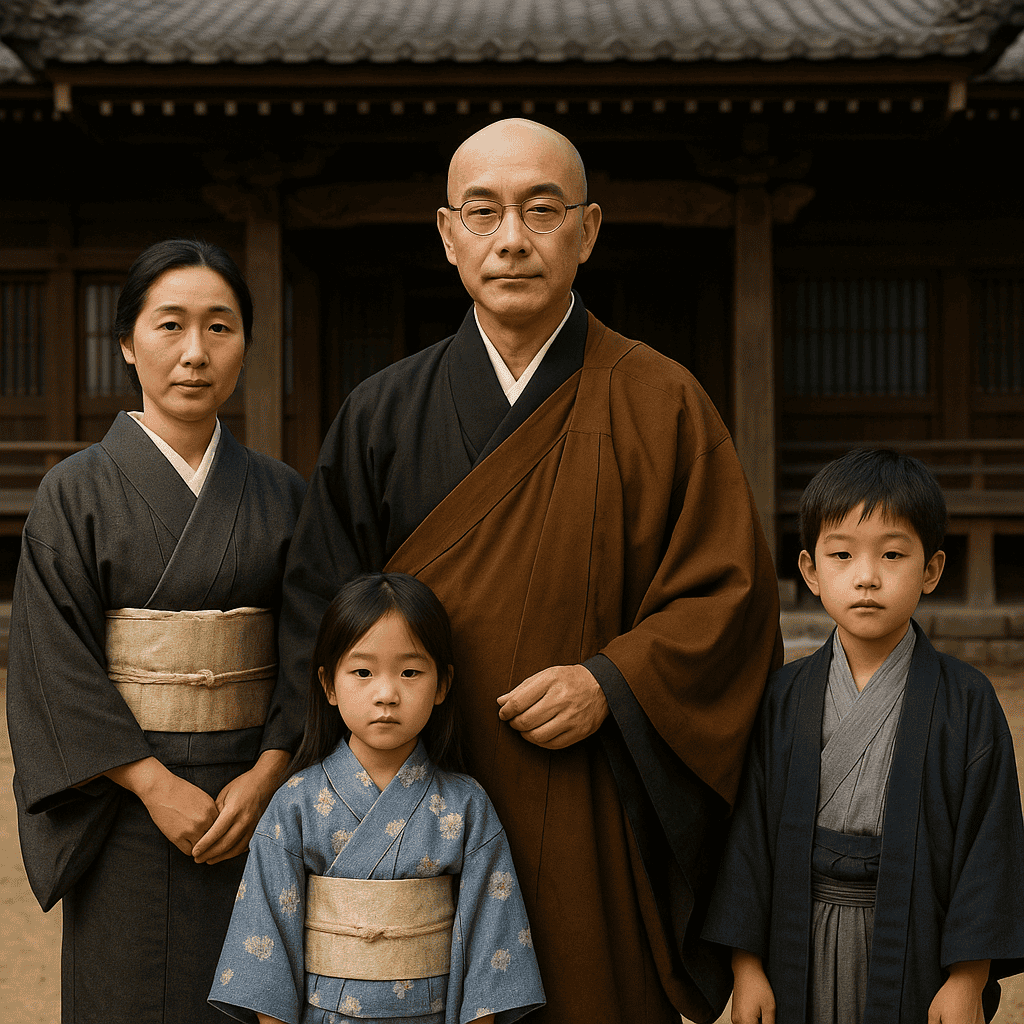
This article traces the journey of Japanese monasticism—from its earliest roots to its global flowering—revealing a tradition that, though ancient, remains vibrantly alive.