
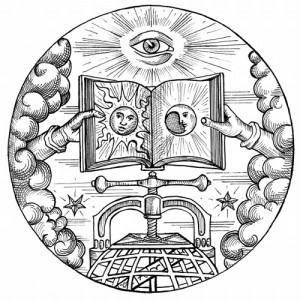
The Royal Art: Alchemy and Science
The Royal Art, known technically as symbolic or speculative alchemy, is the art of eternal transformation. In illumined circles it is the art of doing nothing.
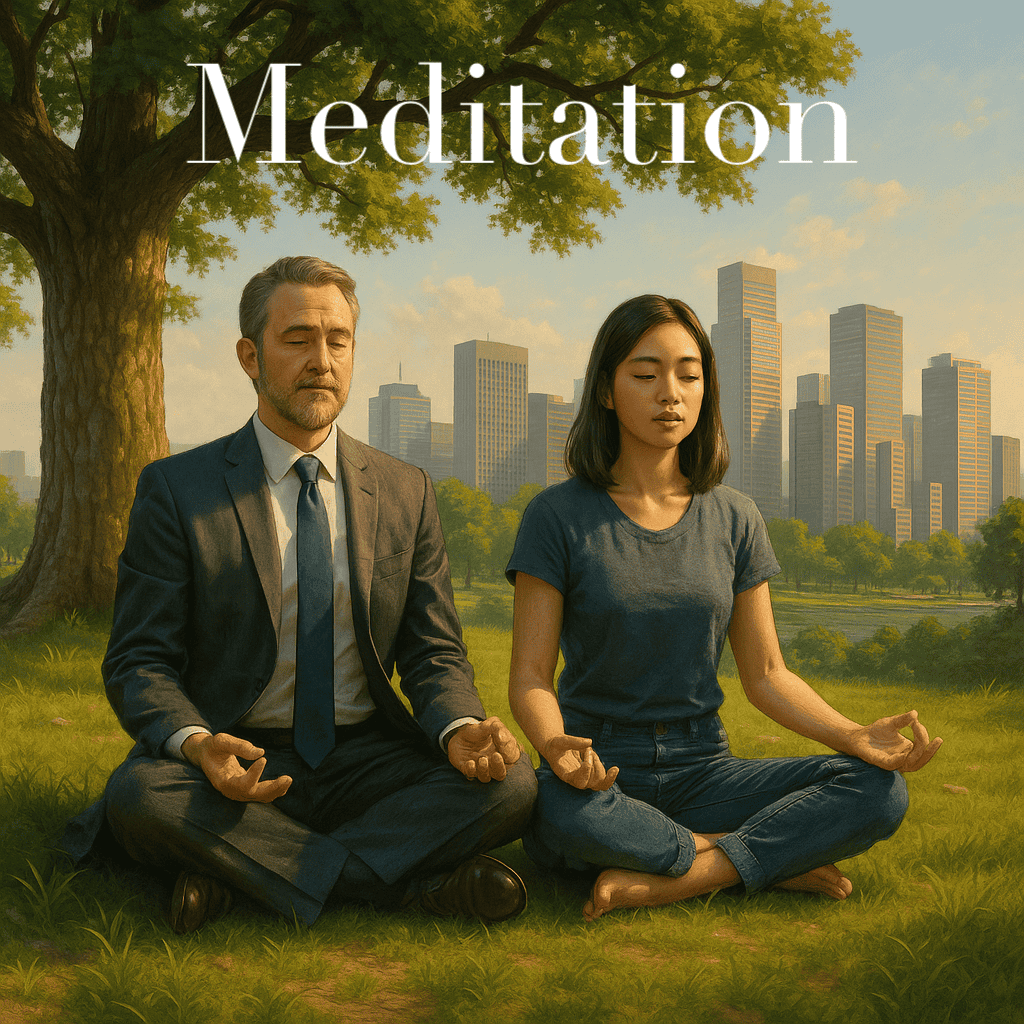
Stillness in Motion — Practices for Conscious Living
Learn the science and practice of meditation—blending contemplative traditions with neuroscience and inner development for a grounded spiritual path.
The Royal Art, known technically as symbolic or speculative alchemy, is the art of eternal transformation. In illumined circles it is the art of doing nothing.
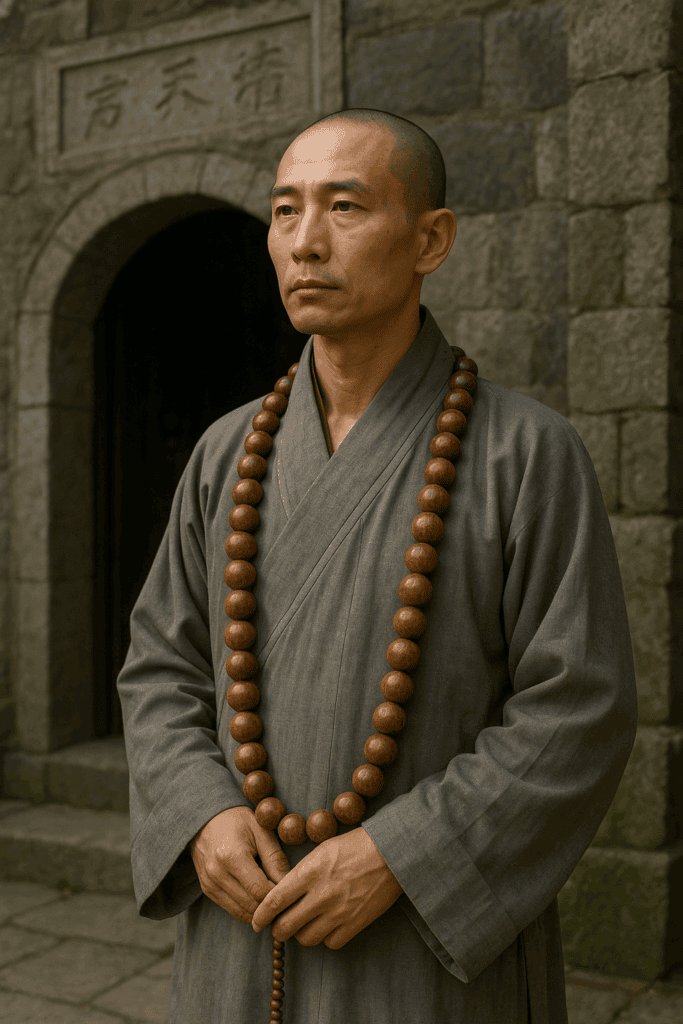
This article follows the story of Chan from its earliest roots in India and Daoist China, through its flowering in Tang and Song dynasties, and outward into the temples, poetry, and practices of East Asia.
Explore the founding scriptures — the Lankavatara Sutra, the Outline of Practice, and Trust in Mind — through which the Chan spirit first found its voice.
In these pages, we will follow the unfolding of Zen from its Indian and Chinese foundations to its flowering in Japan and its transmission to the West.
In this article, we explore two distinct yet overlapping traditions: Yoga, with its ancient Indian origins and comprehensive mind-body-spirit framework, and Transcendental Meditation, a 20th-century method rooted in Vedic philosophy but streamlined for modern use.
How long should I sit? When should I do it? How do seasoned practitioners—monks, yogis, therapists, and contemplatives—actually meditate in real life?
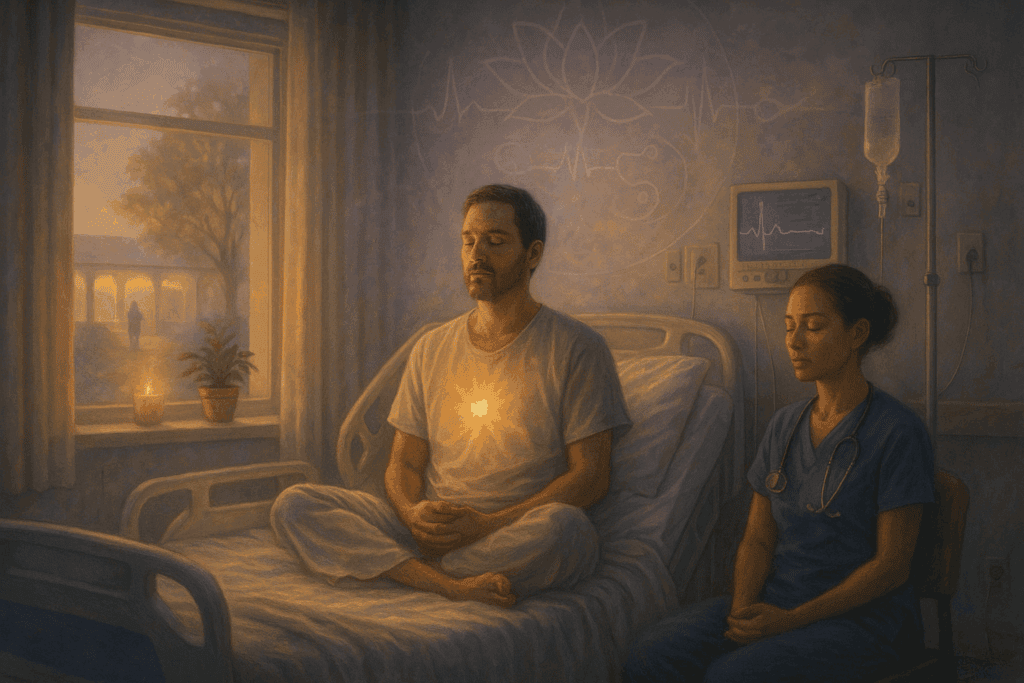
Meditation has been shown to modulate pain, ease anxiety, reduce inflammation, improve immune response, and foster psychological resilience. These are not just philosophical promises, but measurable, reproducible outcomes.
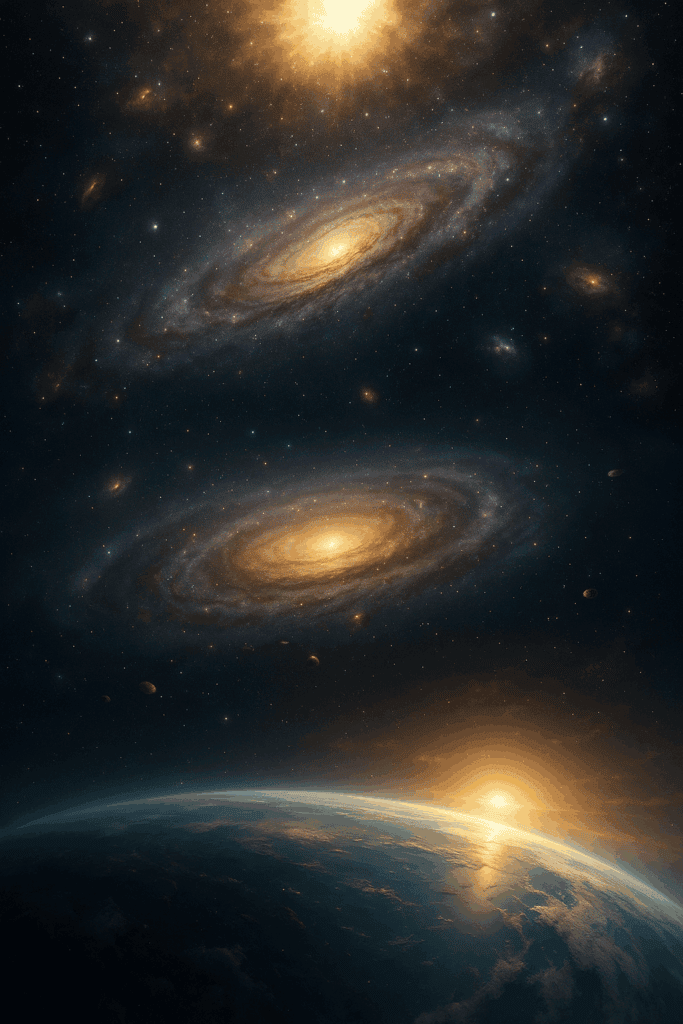
This is the story of everything.
It begins not on Earth, nor even in the Milky Way, but at the very boundary of space and time itself—where the laws of physics as we know them emerged from a cosmic singularity or something stranger still.
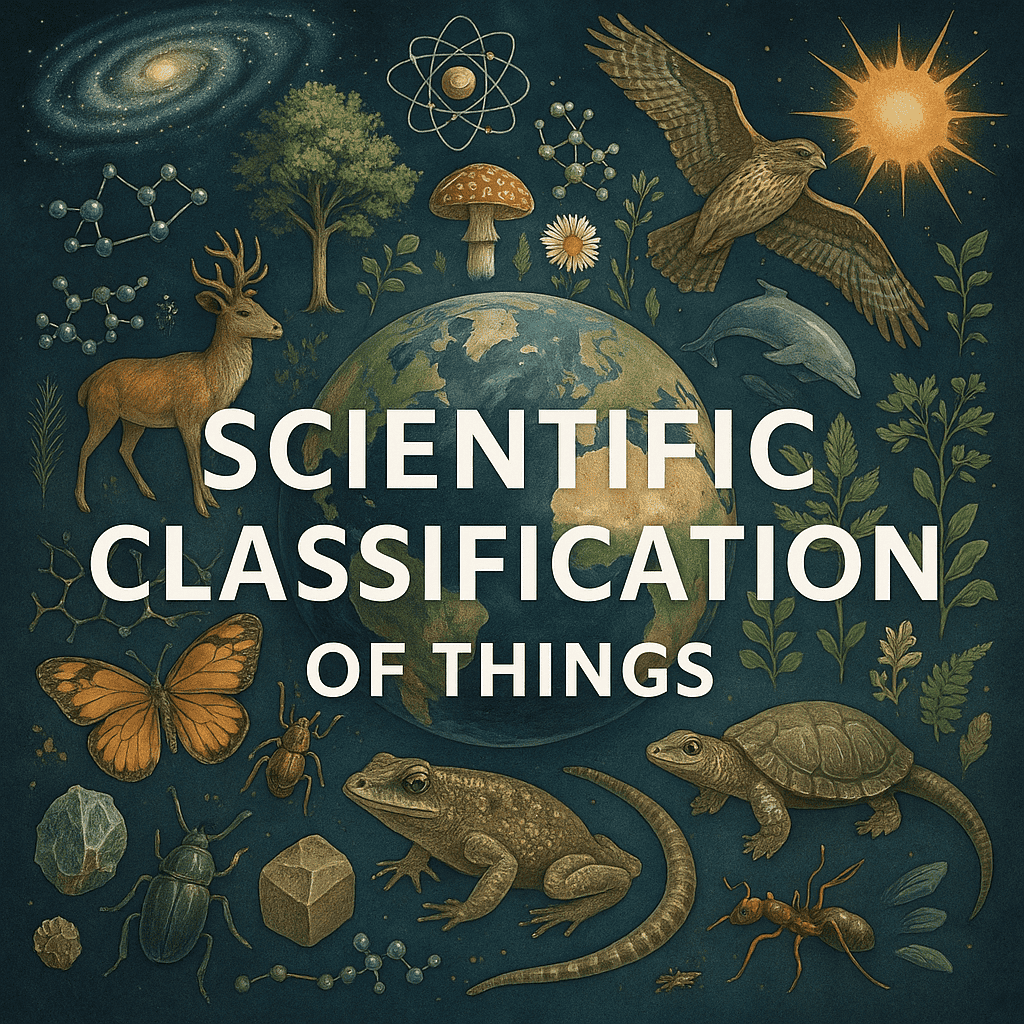
This article explores the scientific classification of things across many domains, from the smallest building blocks of matter to the branching structures of life and civilization.
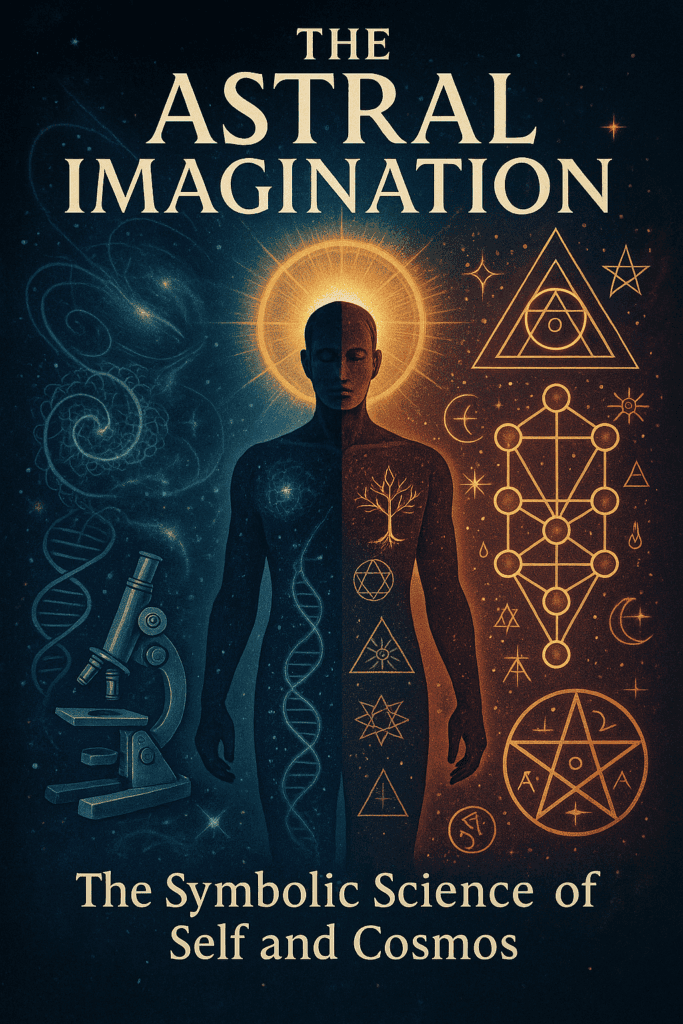
Magic, in its essence, is the ritualized use of symbolic action to affect change in the world.
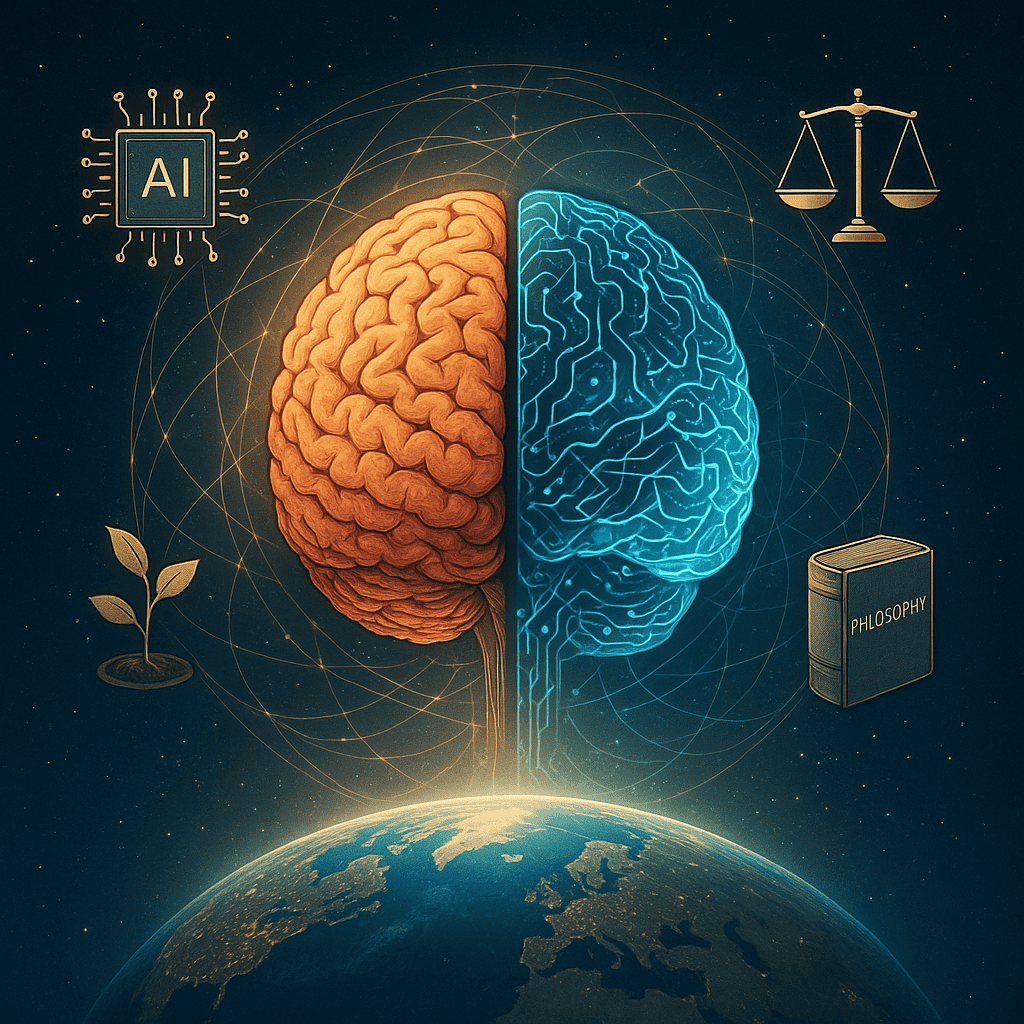
is a chronologically and thematically organized journey through the world’s philosophical traditions—Eastern and Western, ancient and modern, spiritual and secular.

Explore the history and meaning of Masonic rites, grades, and symbolism—from the Square and Compasses to the All-Seeing Eye.