
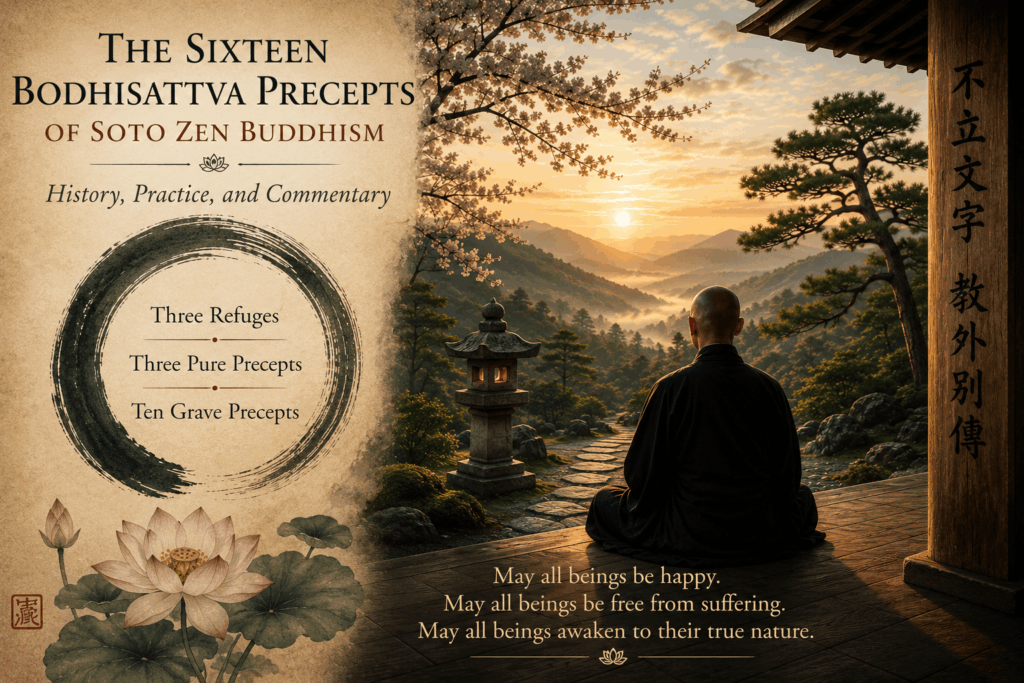
The Sixteen Bodhisattva Precepts of Soto Zen Buddhism
The Sixteen Bodhisattva Precepts occupy a unique place within Soto Zen Buddhism. They are at once vows, ethical principles, contemplative teachings, and expressions of awakening itself.
Stillness. Clarity. The Way of Zen.
Explore the depth and clarity of Zen—its philosophy, meditation practices, monastic traditions, and its role in cultivating awareness, simplicity, and compassionate action in the modern world.
The Sixteen Bodhisattva Precepts occupy a unique place within Soto Zen Buddhism. They are at once vows, ethical principles, contemplative teachings, and expressions of awakening itself.

A vision of a modern Zen Renaissance where meditation, science, education, healthcare, and technology work together to cultivate human flourishing.

Explore the Soto Zen Meal Chants through a Science Abbey translation and commentary on oryoki, gratitude, mindfulness, interdependence, and awakening.

Read Dōgen’s Fukanzazengi with a clear modern translation and commentary on Soto Zen, zazen, shikantaza, mindfulness, and awakening.

A scientific humanist exploration of Dōgen Zenji’s Eihei Shingi, revealing how Zen monastic discipline functions as a system of mindfulness, behavioral design, and conscious institutional life.

This article traces the journey from Siddhartha to Bodhidharma, to Dōgen and mountain monasteries, to urban zendos and American homes.
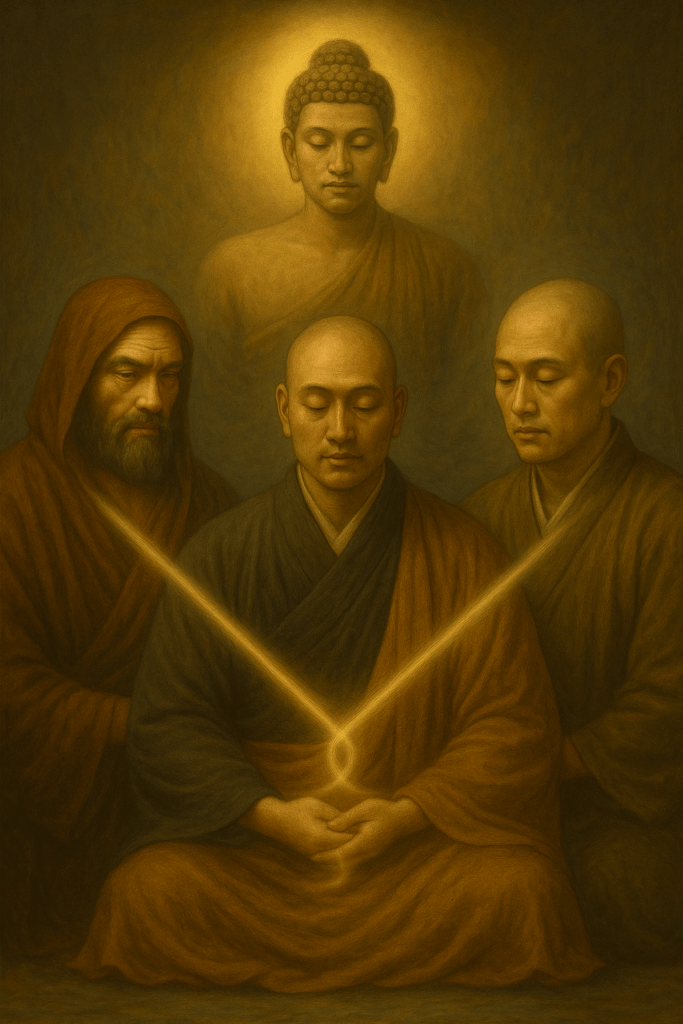
Sōtō Zen was born from a deep current of wisdom that flows from India through China to Japan, shaped not by conquest or proclamation, but by the gentle, steadfast practice of sitting in silence.

Sleep isn’t laziness—it’s biology. Discover the science behind rest, the dangers of deprivation, and why even monks should sleep well. A call for wisdom, health, and spiritual clarity.
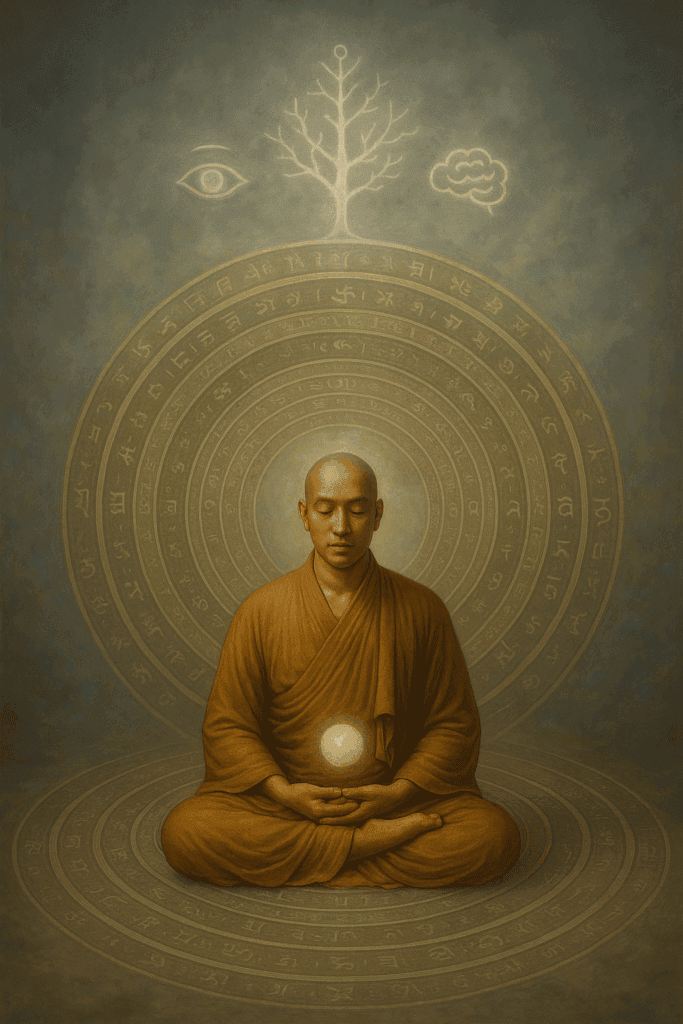
This article explores Zen Yoga, the practice of meditative inquiry grounded in the Yogācāra school of Mahāyāna Buddhism.
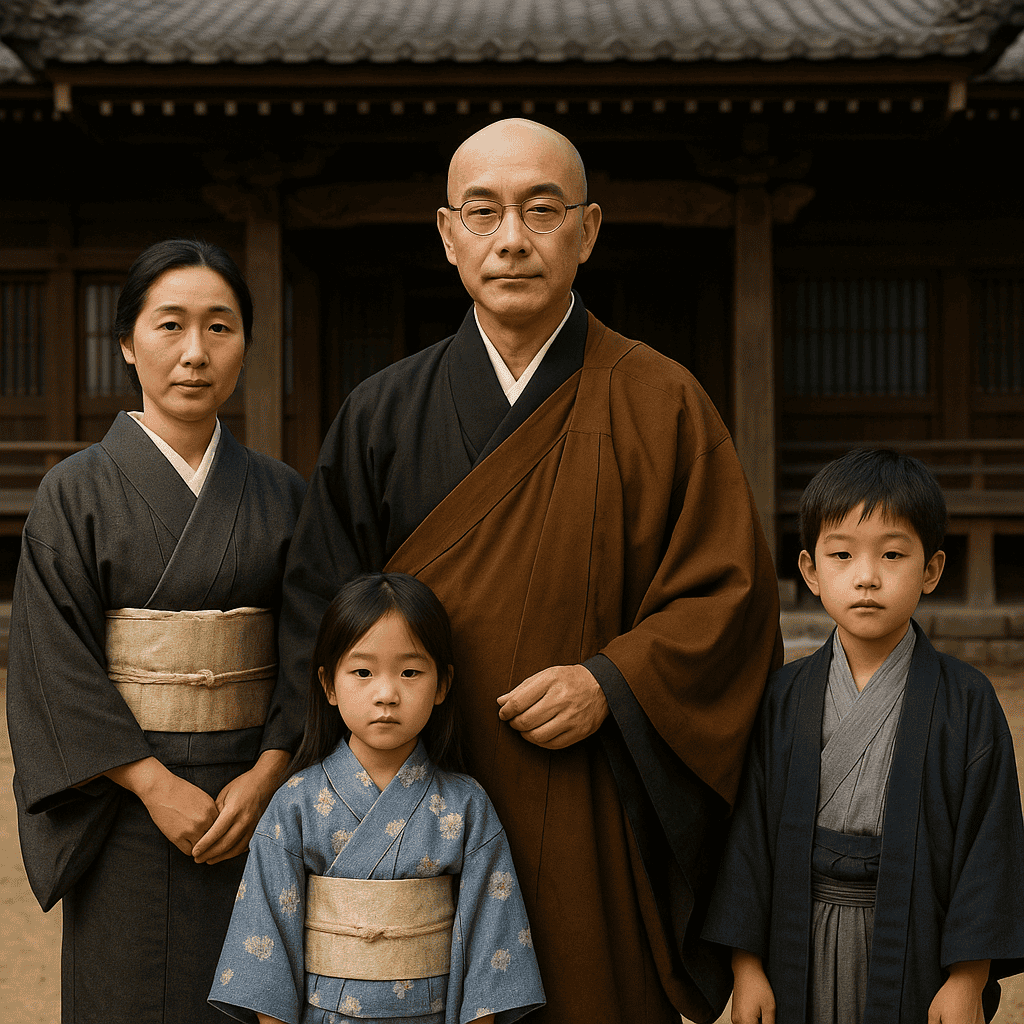
This article traces the journey of Japanese monasticism—from its earliest roots to its global flowering—revealing a tradition that, though ancient, remains vibrantly alive.

This article follows the story of Chan from its earliest roots in India and Daoist China, through its flowering in Tang and Song dynasties, and outward into the temples, poetry, and practices of East Asia.

Explore the founding scriptures — the Lankavatara Sutra, the Outline of Practice, and Trust in Mind — through which the Chan spirit first found its voice.