
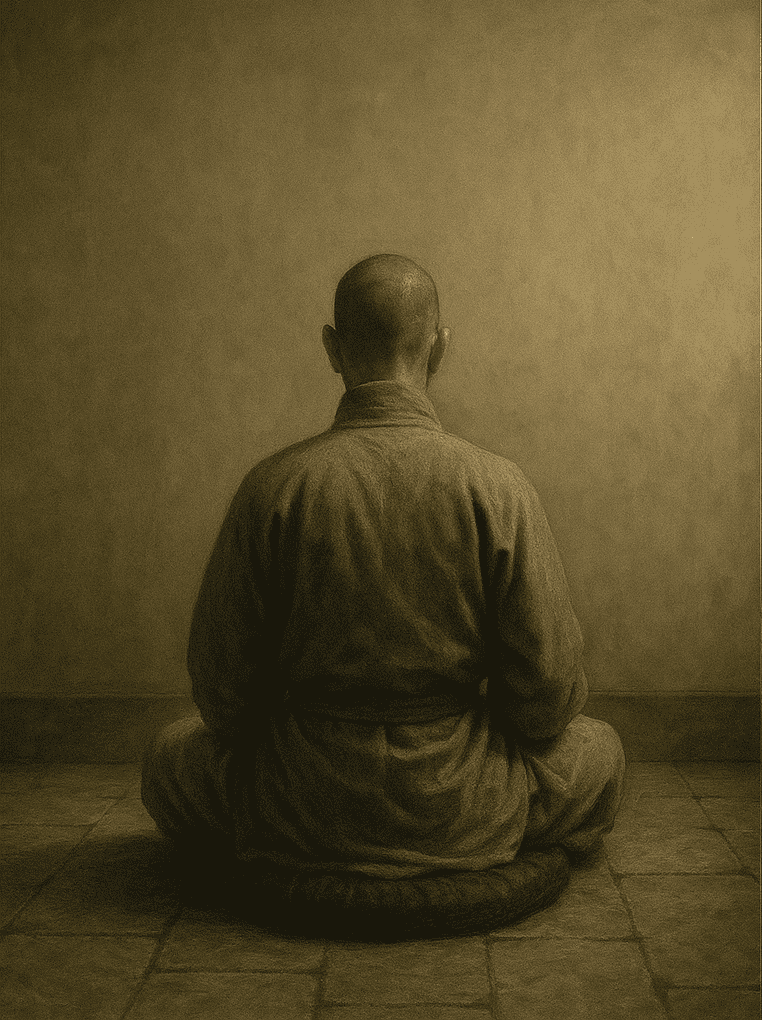
Zen Literature: Essential Reading for the Student of Zen
In these pages, we will follow the unfolding of Zen from its Indian and Chinese foundations to its flowering in Japan and its transmission to the West.
Stillness. Clarity. The Way of Zen.
Explore the depth and clarity of Zen—its philosophy, meditation practices, monastic traditions, and its role in cultivating awareness, simplicity, and compassionate action in the modern world.
In these pages, we will follow the unfolding of Zen from its Indian and Chinese foundations to its flowering in Japan and its transmission to the West.

Chinese Buddhist monasticism is one of the most enduring and transformative religious traditions in East Asia.
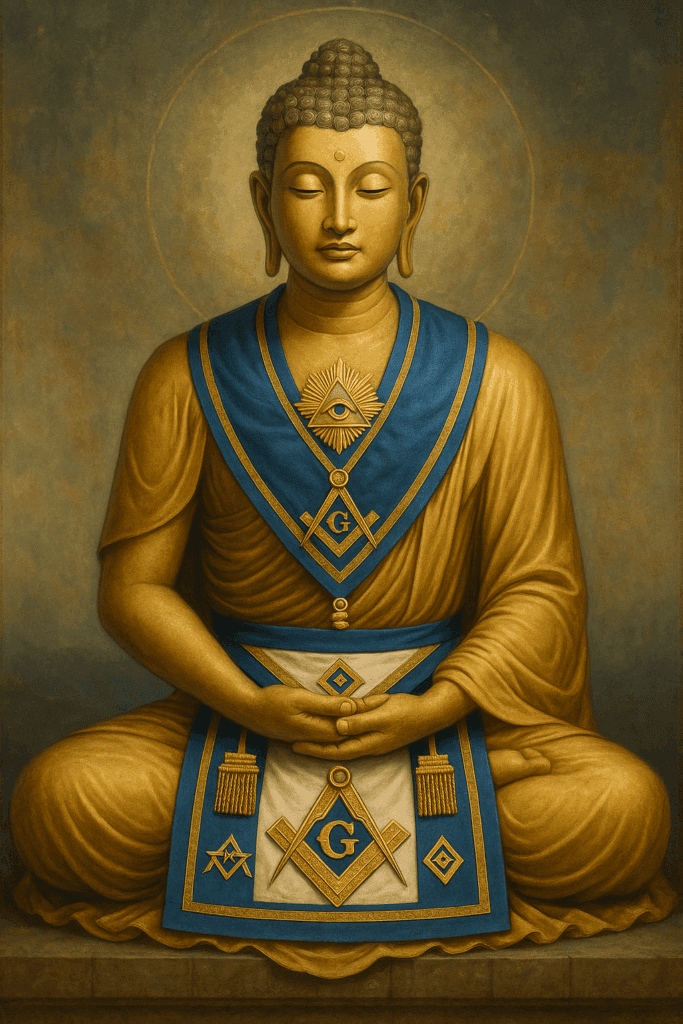
The Zen Master, the Master Mason, and the scientific humanist may use different tools—zafu, square and compasses, or microscope—but all seek the same outcome: a well-built world and a well-formed person.

As we face serious global challenges, more and more of humanity is turning to evidence-based solutions, changing the role of traditional religious authority in politics.
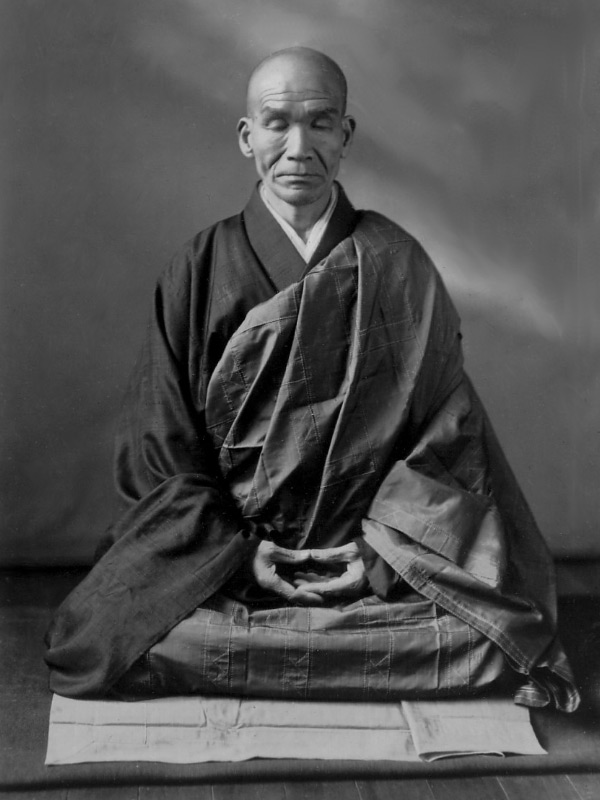
While there are a number of schools of Zen, this article will focus on the Japanese Soto sect teaching of shikantaza, or “just sitting” method of meditation, probably the most straight-forward example of Zen Buddhist meditation.
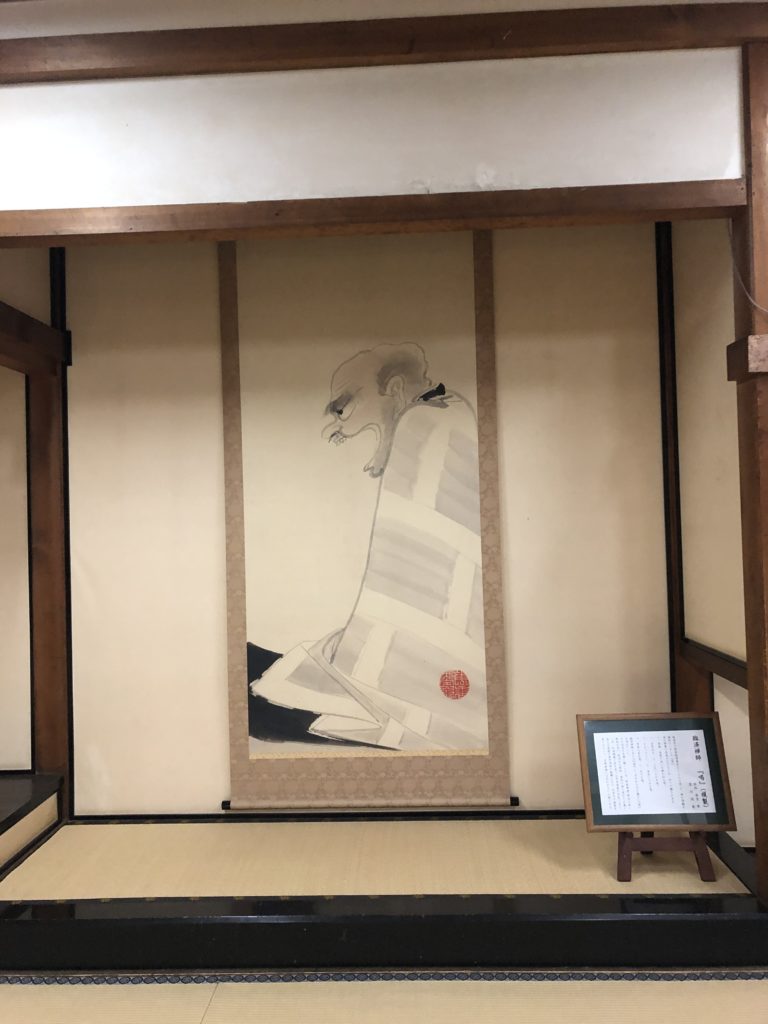
Chinese mystics adopted and adapted Buddhism to their needs, replacing the Indian focus on dharana, or concentration, with Daoist cultivation in meditation. This practice of sitting meditation, known as zuo chan, would eventually flower into Chan Buddhism.
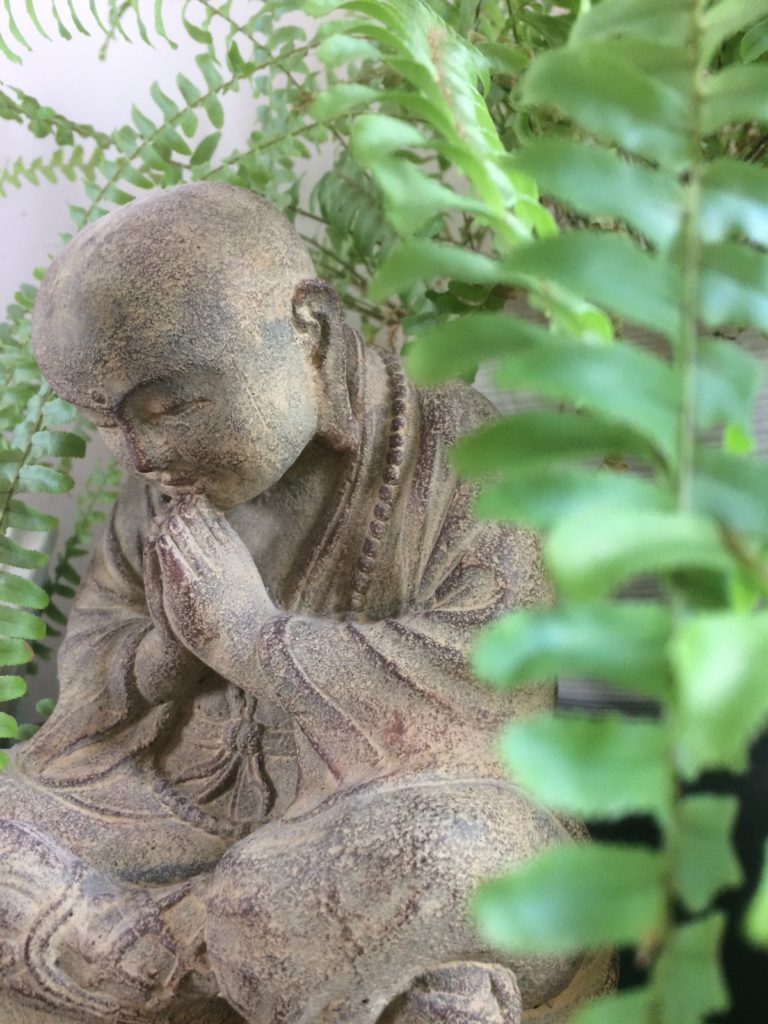
This handbook is a guide to a seated silent meditation, which for the purpose of precise definition, is called Illumination meditation.

Discover the journey of D. B. Smith, historian, Freemason, Zen practitioner, and founder of Science Abbey—from Iowa gymnastics to global travels through monasteries and temples—exploring meditation, philosophy, and the integration of East and West.