
The Science of Death: A Scientific and Philosophical Guide to the End of Life
This article explores death from a broad scientific humanist perspective, integrating insights from medicine, biology, psychology, sociology, and philosophy.

Exploring the outer universe and the inner self.
Journey through the scientific and philosophical exploration of the cosmos and consciousness as complementary frontiers of human understanding.
This article explores death from a broad scientific humanist perspective, integrating insights from medicine, biology, psychology, sociology, and philosophy.
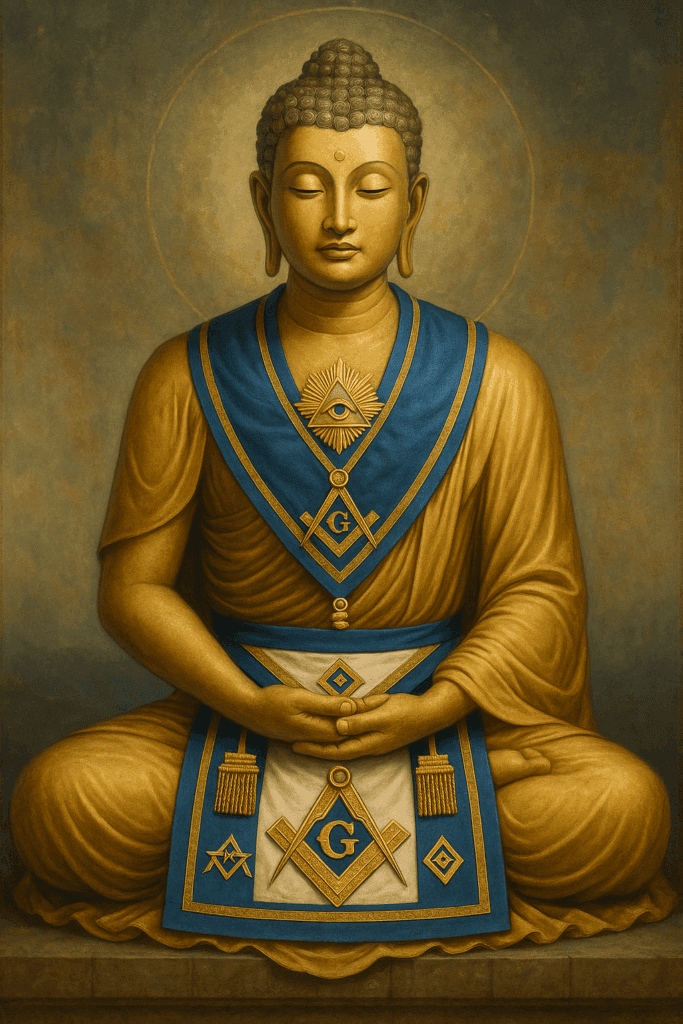
The Zen Master, the Master Mason, and the scientific humanist may use different tools—zafu, square and compasses, or microscope—but all seek the same outcome: a well-built world and a well-formed person.
This article explores the hidden architecture of Confucian monastic life: its moral ideals, educational institutions, meditative practices, and enduring legacy in Chinese culture.
Wisdom and deeper understanding require context—a mental framework to organize the information you gather. Without this foundation, facts remain isolated pieces rather than components of a coherent worldview.
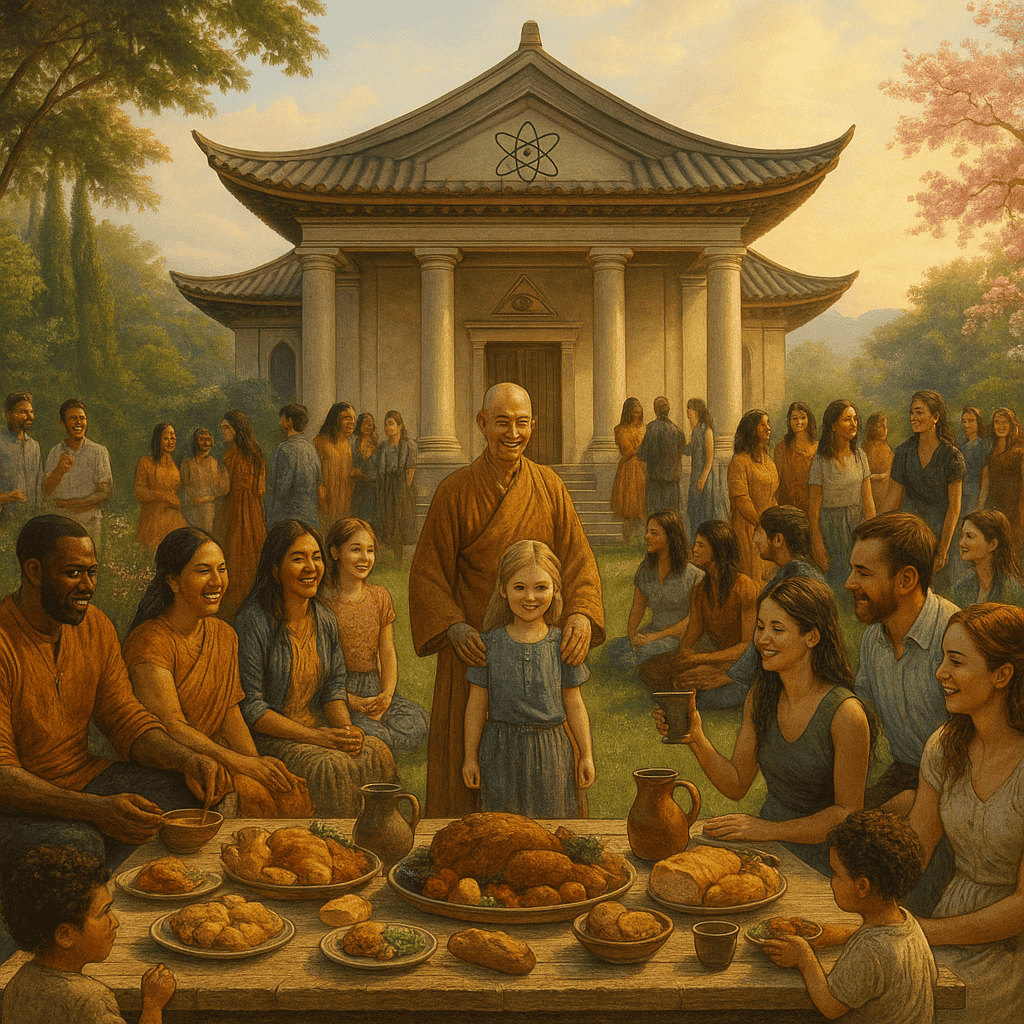
In this article, we will explore ritual not just as tradition, but as a science of meaning and transformation.

This article explores astrology and divination through the lens of scientific humanism—a worldview that values empirical knowledge, ethical reasoning, and human psychological depth.
The Science of Wholeness is an integrative philosophical and scientific framework that seeks to understand reality by unifying diverse fields of knowledge—spiritual, philosophical, ethical, and empirical—into a coherent worldview.
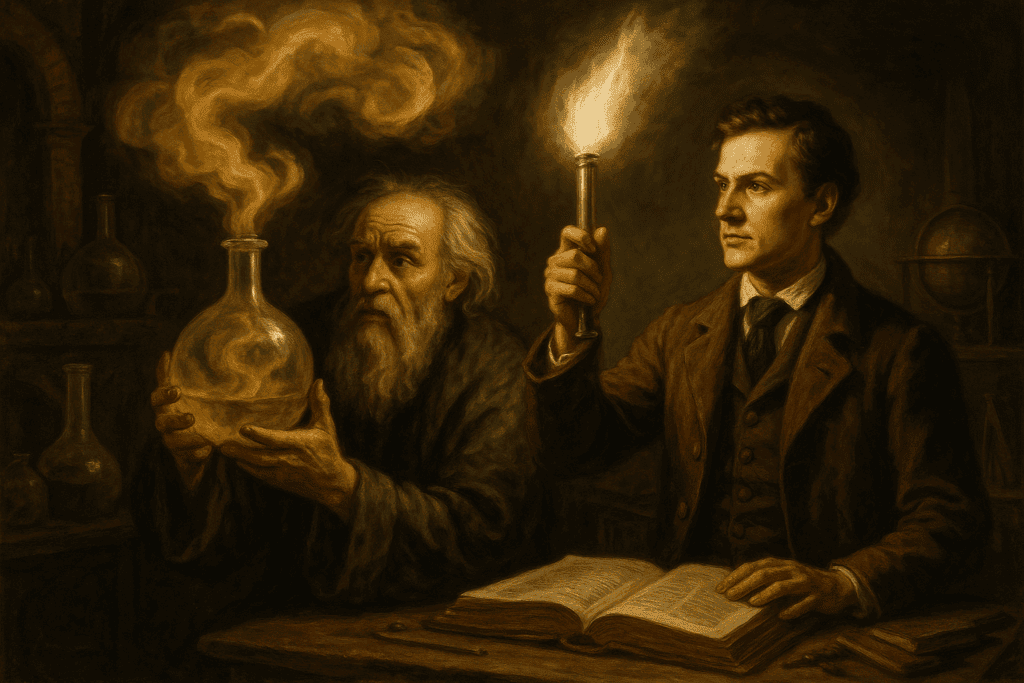
Long dismissed as mysticism or pseudoscience, alchemy was in fact a crucible for the birth of modern science.
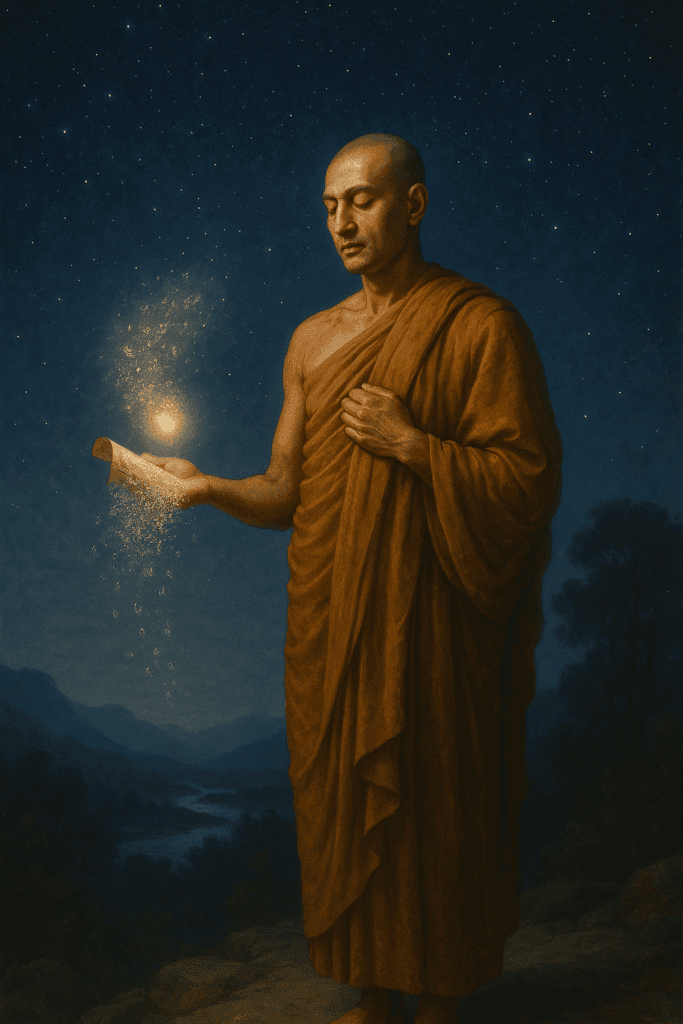
Explore the hidden tradition of Buddhist Alchemy, where ancient spiritual science meets inner transformation.
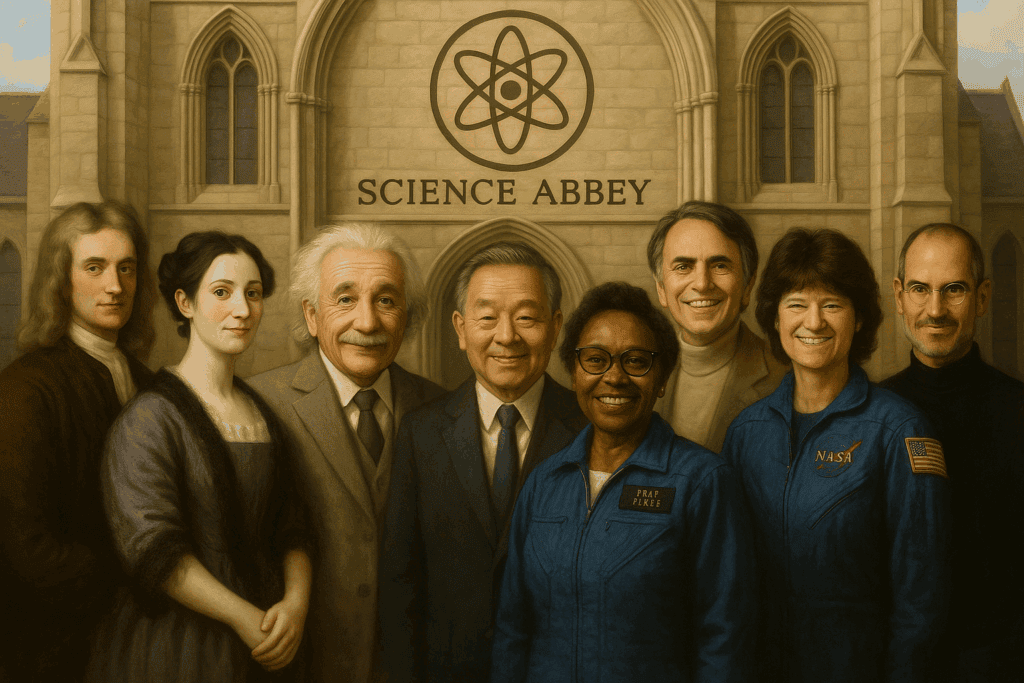
From ancient alchemy to modern chemistry, from Renaissance inquiry to digital complexity…
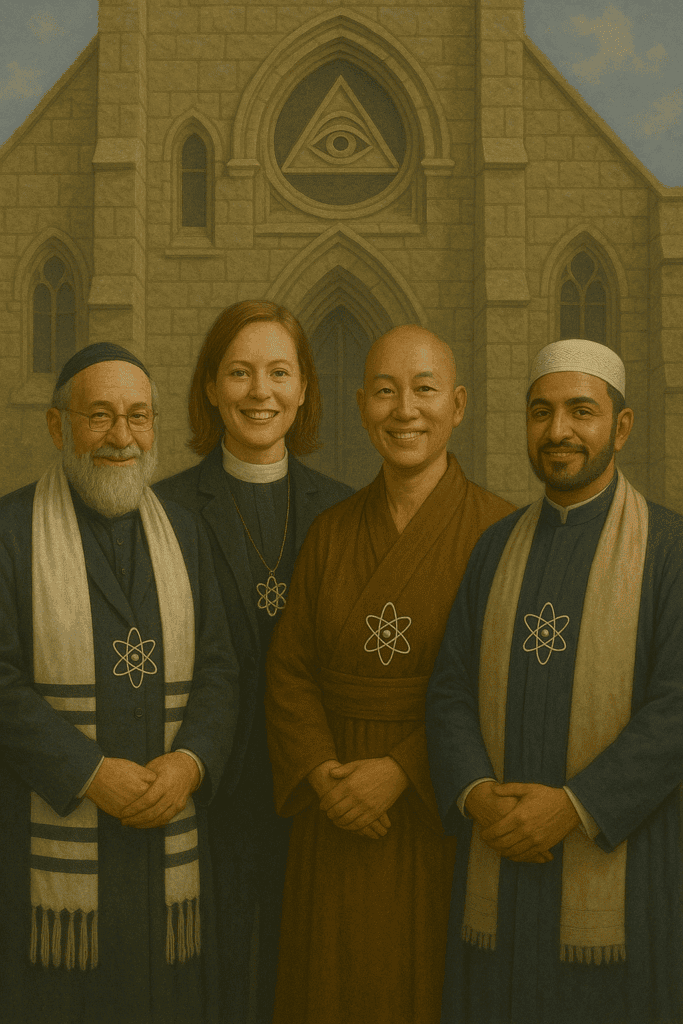
As we face serious global challenges, more and more of humanity is turning to evidence-based solutions, changing the role of traditional religious authority in politics.
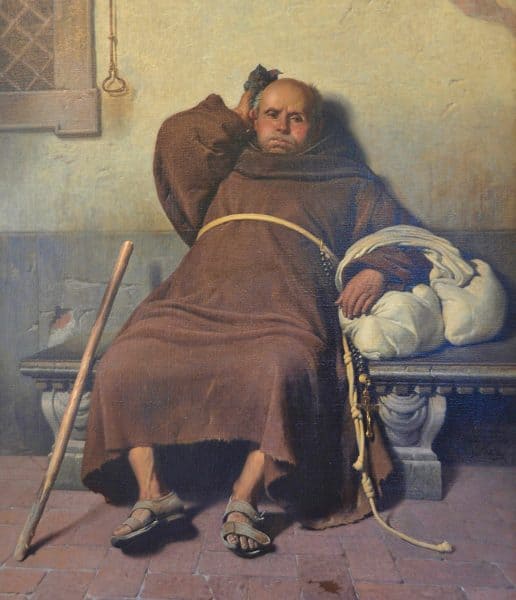
Christian monasticism was not born in cathedrals or universities. It emerged in sand-swept caves, in stone huts beneath olive trees, in the whispered silence of the early centuries after Christ.