
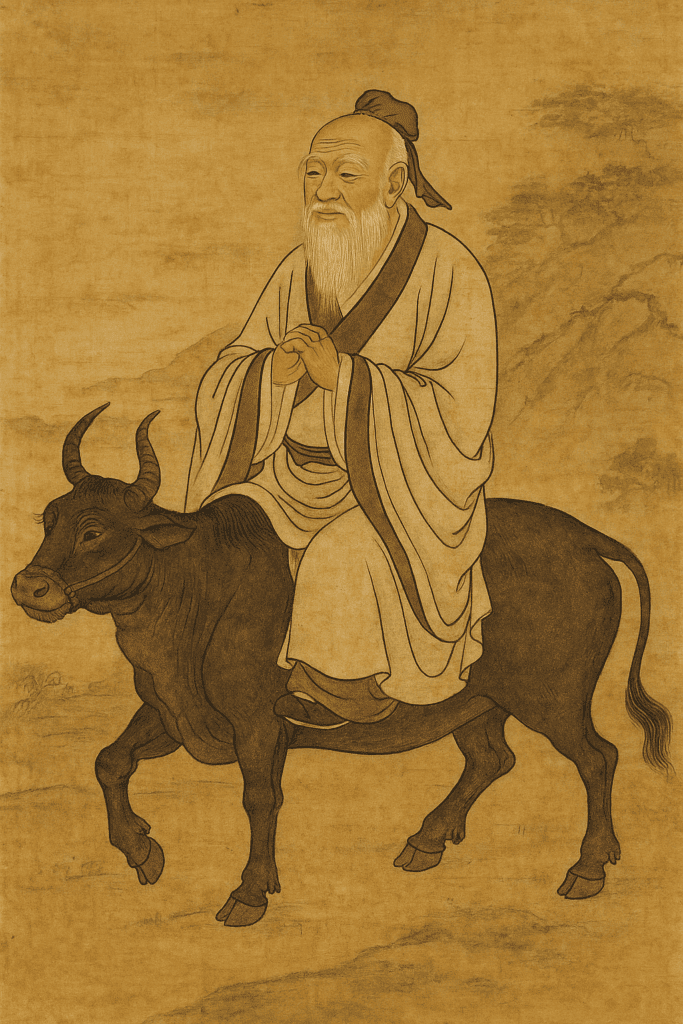
Chinese Alchemy
Daoist magicians used the elements and processes of the science of chemistry as symbols in their visualizations, which were preparations for meditation leading to the “embracing the One” of Laozi.
Depth Without Dogma — Seeking Meaning in the Modern World
Explore secular and sacred forms of spiritual life—where awe, purpose, and personal growth intersect with rational inquiry and cultural wisdom.
Daoist magicians used the elements and processes of the science of chemistry as symbols in their visualizations, which were preparations for meditation leading to the “embracing the One” of Laozi.
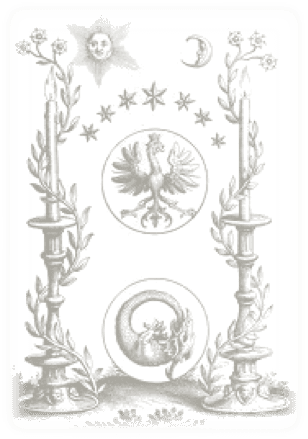
The Royal Art, known technically as symbolic or speculative alchemy, is the art of eternal transformation. In illumined circles it is the art of doing nothing.
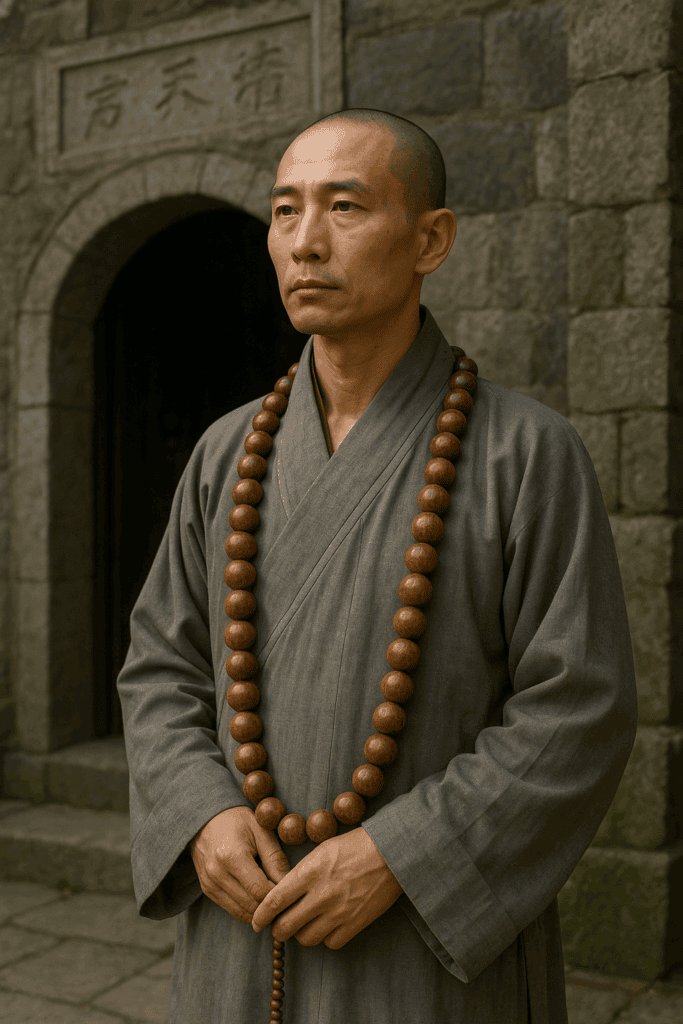
This article follows the story of Chan from its earliest roots in India and Daoist China, through its flowering in Tang and Song dynasties, and outward into the temples, poetry, and practices of East Asia.
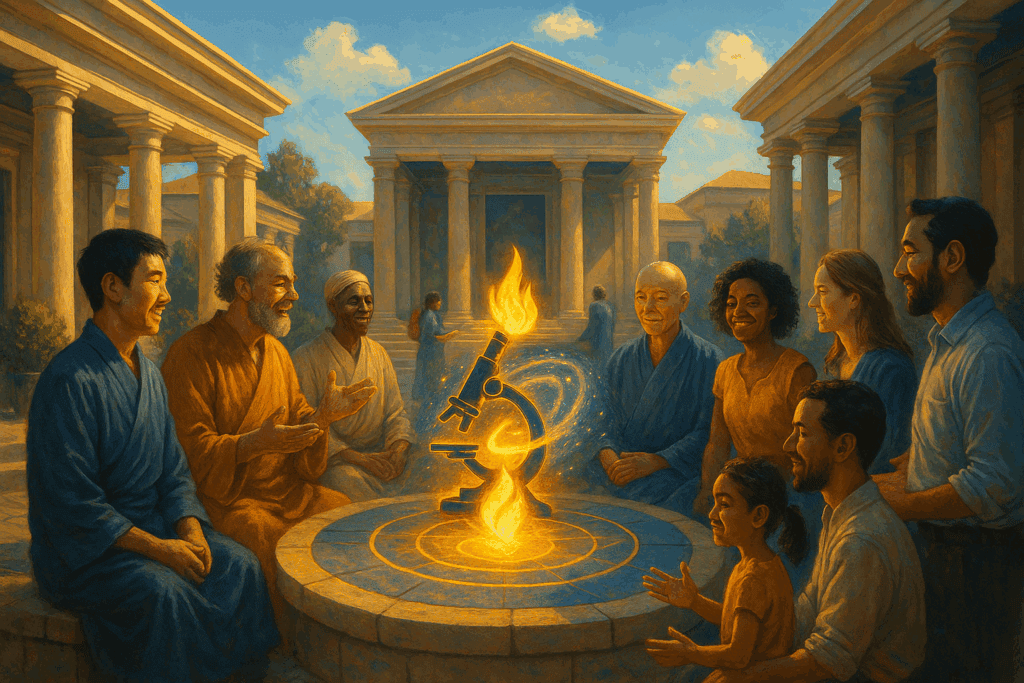
This essay is an invitation to rediscover morality not as a command from above or a whim of culture, but as a living science: one that evolves, adapts, and integrates knowledge from across the human experience.
Explore the founding scriptures — the Lankavatara Sutra, the Outline of Practice, and Trust in Mind — through which the Chan spirit first found its voice.
In these pages, we will follow the unfolding of Zen from its Indian and Chinese foundations to its flowering in Japan and its transmission to the West.
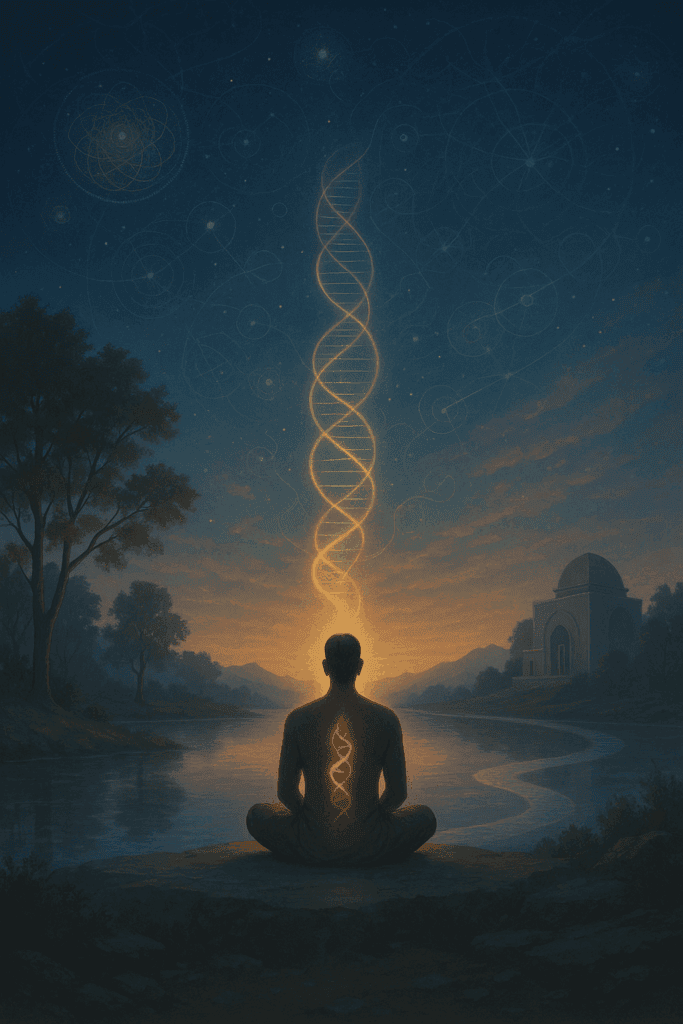
Drawing from psychology, neuroscience, public health, and cultural studies, this article surveys key findings in the growing body of scientific research on spirituality and its impact on both individuals and society.
How long should I sit? When should I do it? How do seasoned practitioners—monks, yogis, therapists, and contemplatives—actually meditate in real life?

This handbook, The Science of Wholeness, is an interdisciplinary synthesis designed to bridge the realms of science, philosophy, and spirituality.
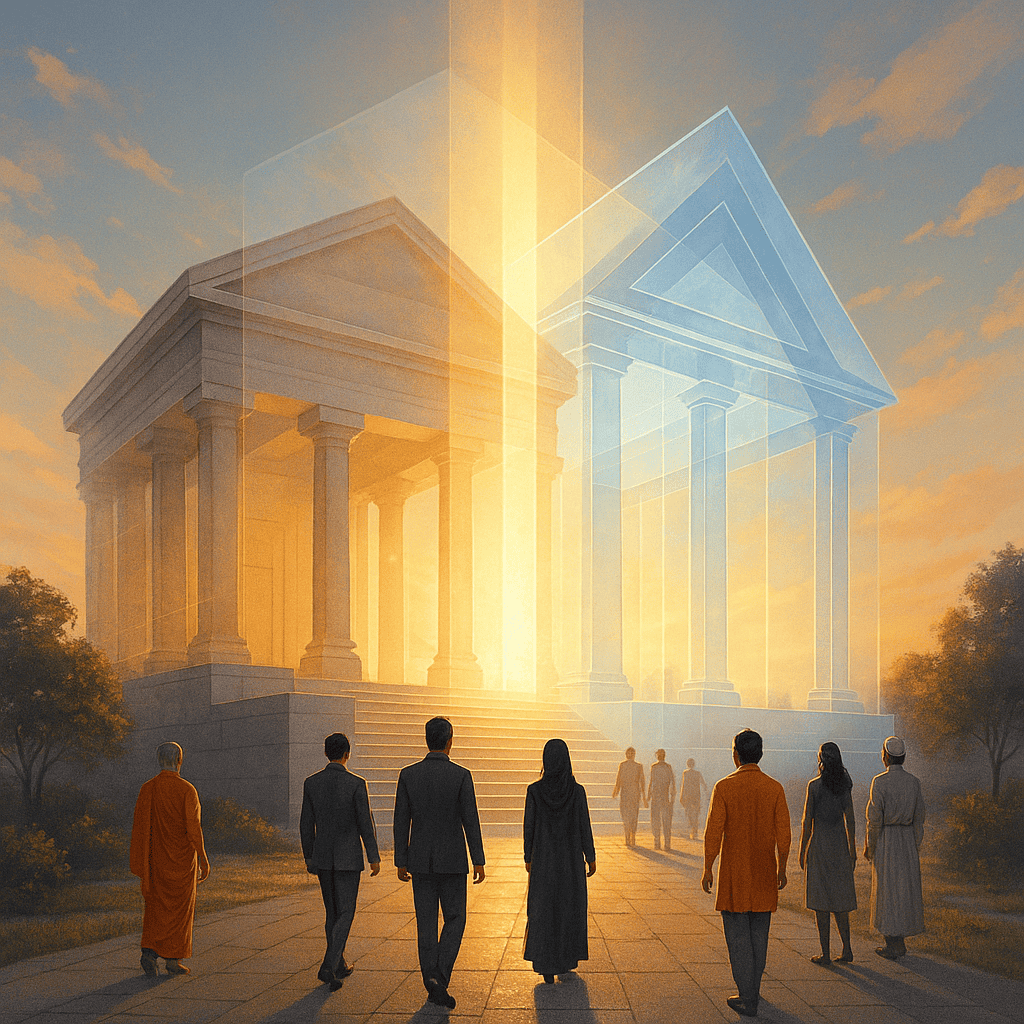
This article traces the mutual shaping of religion and politics from antiquity to the present, revealing how beliefs influence ballots, and how law influences belief.
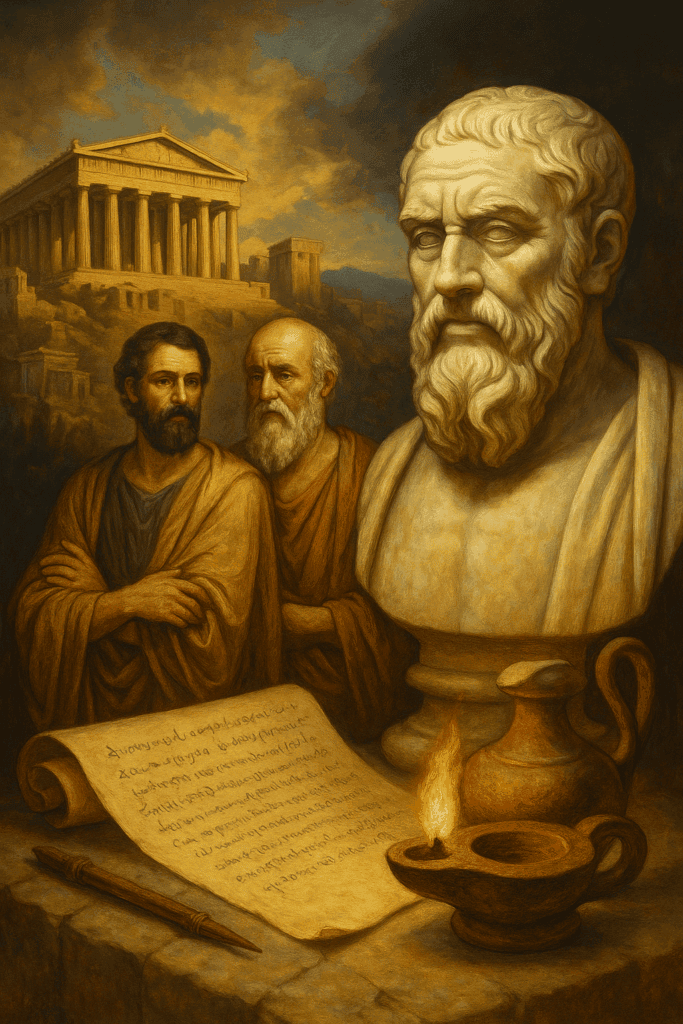
Stoicism is one of the most influential philosophical traditions in Western history, renowned for its emphasis on reason, virtue, and the art of living well in the face of adversity.
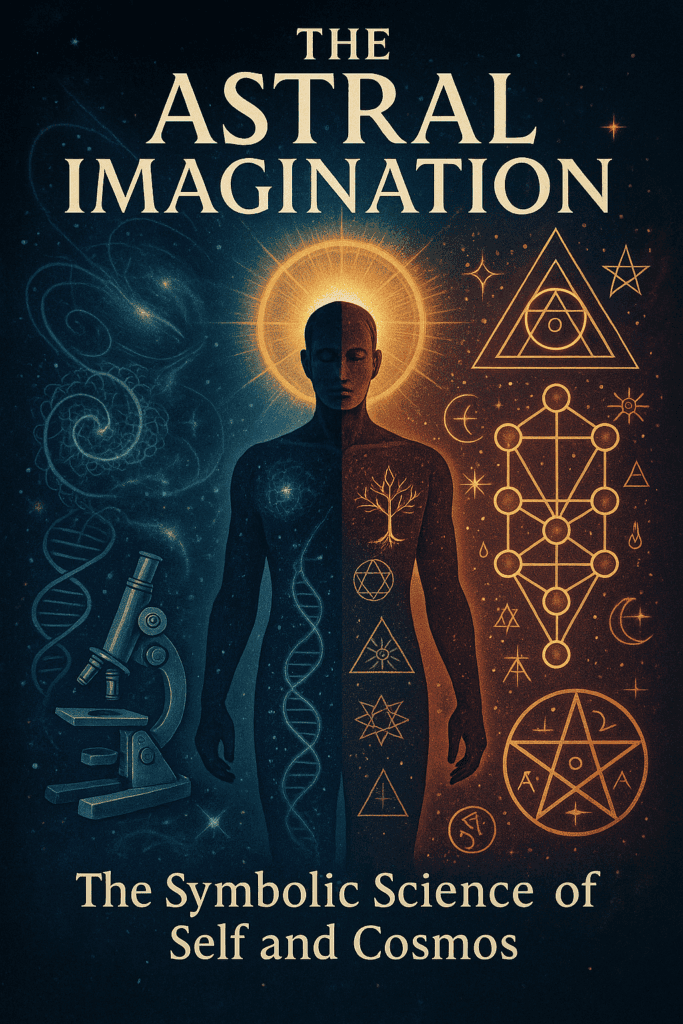
Magic, in its essence, is the ritualized use of symbolic action to affect change in the world.