

The Great Bright Pearl: Soto Zen’s Journey from Ancient India to American Soil
This article traces the journey from Siddhartha to Bodhidharma, to Dōgen and mountain monasteries, to urban zendos and American homes.
Depth Without Dogma — Seeking Meaning in the Modern World
Explore secular and sacred forms of spiritual life—where awe, purpose, and personal growth intersect with rational inquiry and cultural wisdom.
This article traces the journey from Siddhartha to Bodhidharma, to Dōgen and mountain monasteries, to urban zendos and American homes.

Sōtō Zen was born from a deep current of wisdom that flows from India through China to Japan, shaped not by conquest or proclamation, but by the gentle, steadfast practice of sitting in silence.
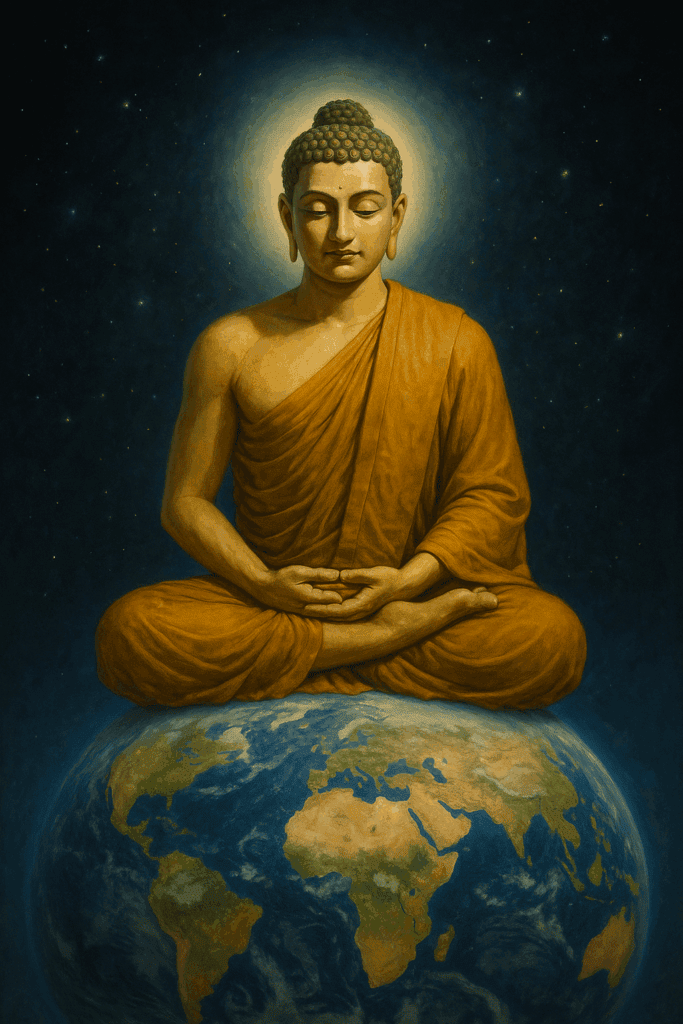
This article traces the global journey of the Dharma, beginning with the Buddha’s lifetime and spreading outward across Asia, Europe, Africa, the Americas, and Oceania.
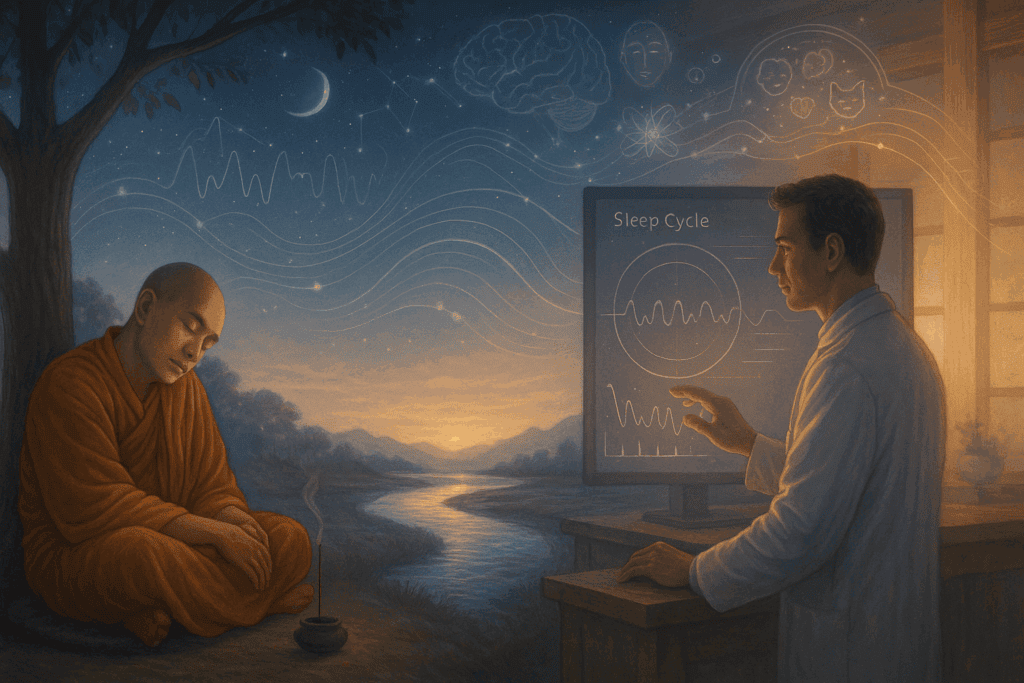
Sleep isn’t laziness—it’s biology. Discover the science behind rest, the dangers of deprivation, and why even monks should sleep well. A call for wisdom, health, and spiritual clarity.
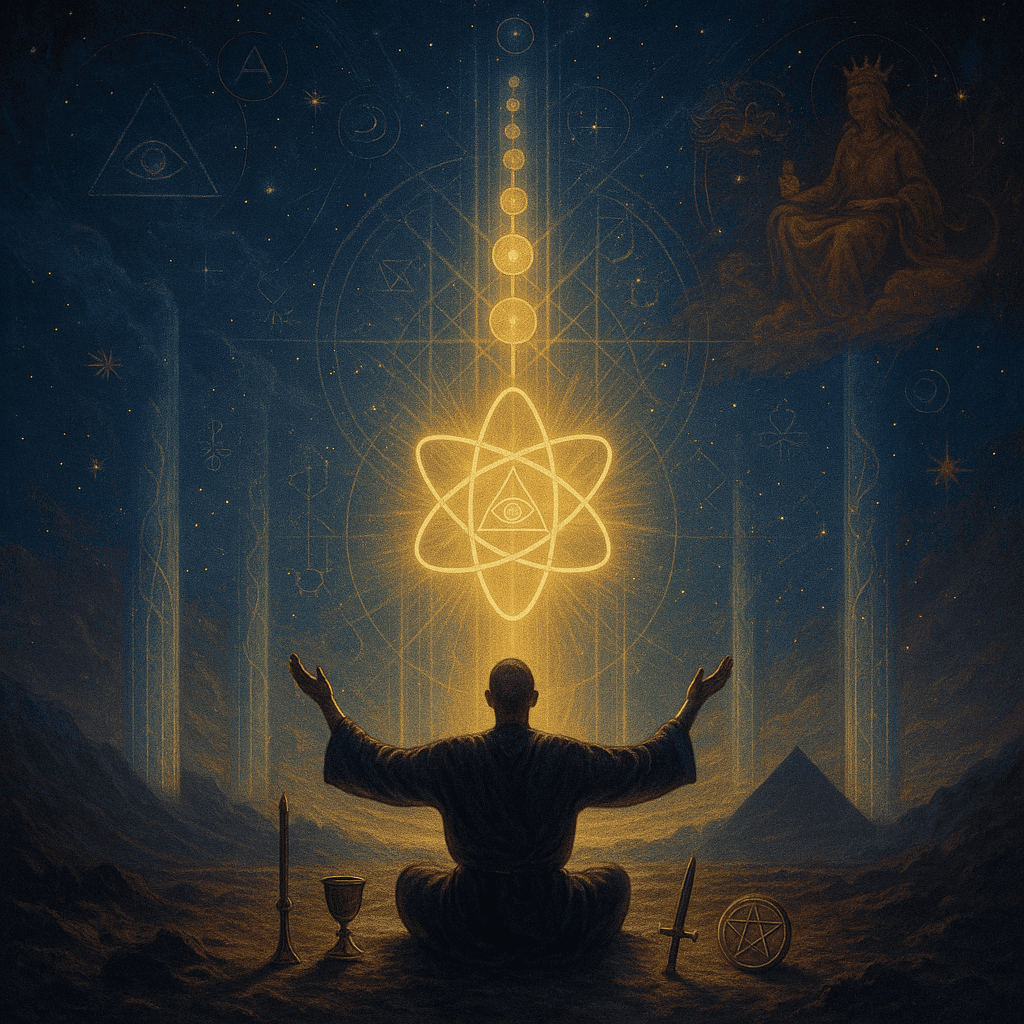
Explore Aleister Crowley’s system of Magick through the lens of Scientific Illuminism and Integrated Humanism—a practical, visionary guide to Thelema, spiritual transformation, and the path of the A∴A∴.
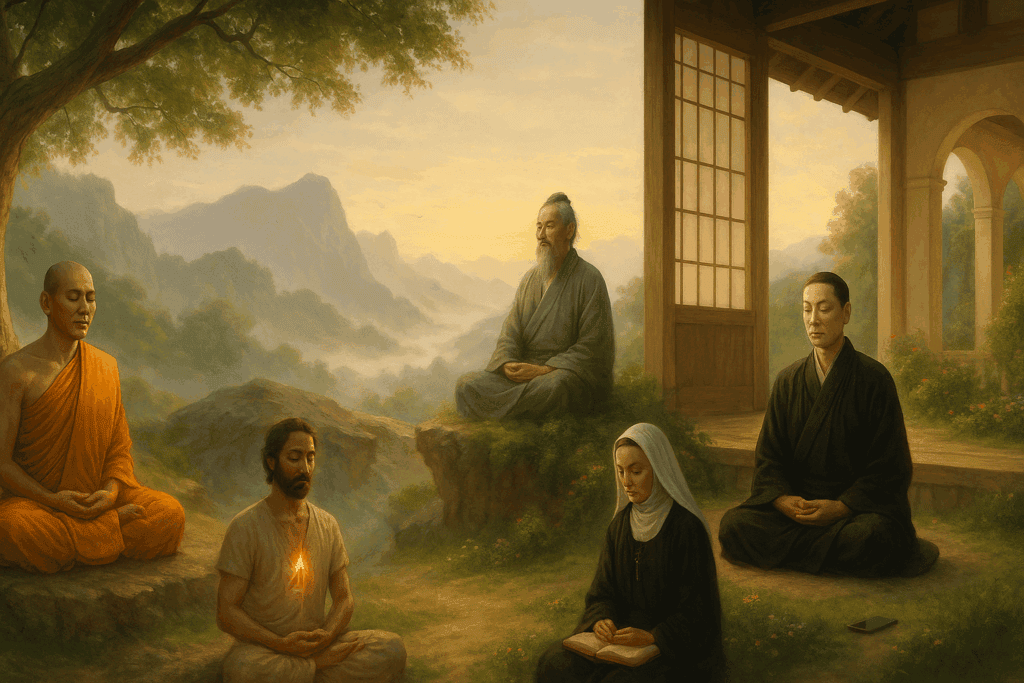
This survey presents a panoramic view of the world’s meditative traditions, from the structured stillness of yogic and Buddhist methods to the mystical imagery of Jewish Kabbalah and Christian Lectio Divina; from Daoist alchemical visualizations to the scientific protocols of modern mindfulness-based therapy.
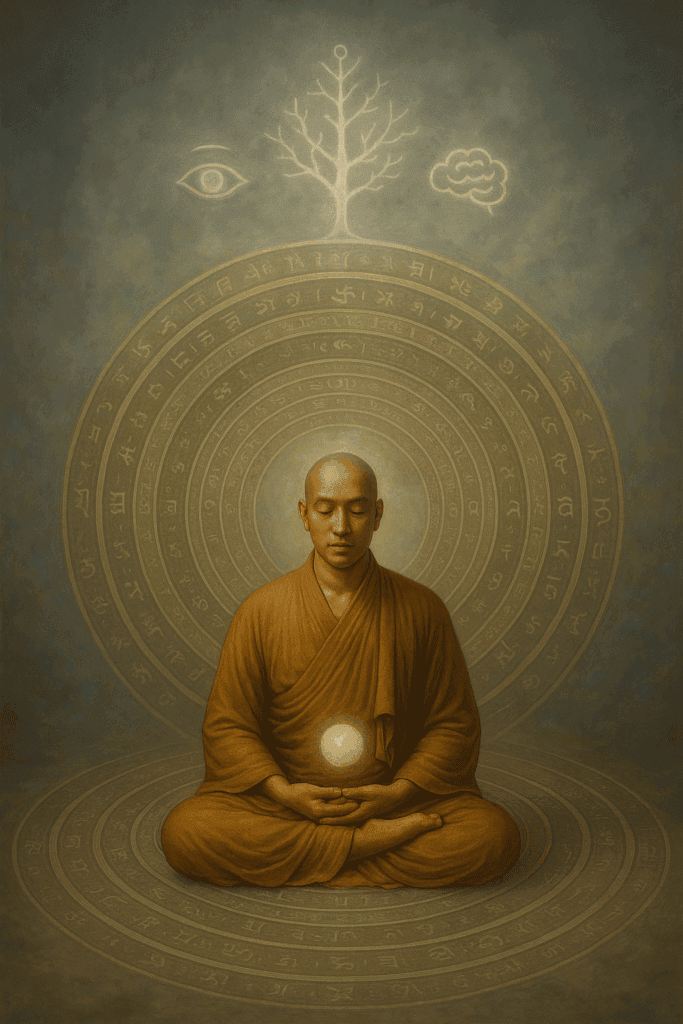
This article explores Zen Yoga, the practice of meditative inquiry grounded in the Yogācāra school of Mahāyāna Buddhism.
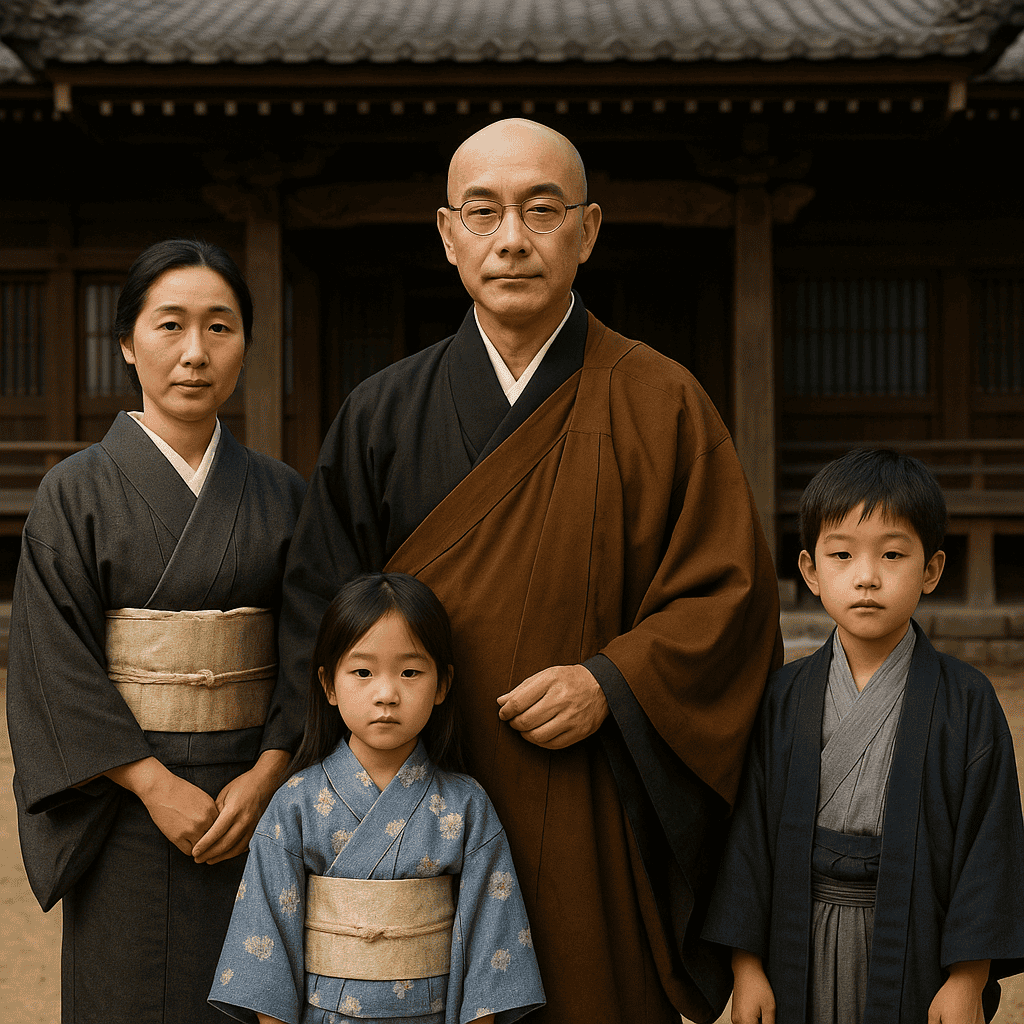
This article traces the journey of Japanese monasticism—from its earliest roots to its global flowering—revealing a tradition that, though ancient, remains vibrantly alive.
The Royal Art, known technically as symbolic or speculative alchemy, is the art of eternal transformation. In illumined circles it is the art of doing nothing.
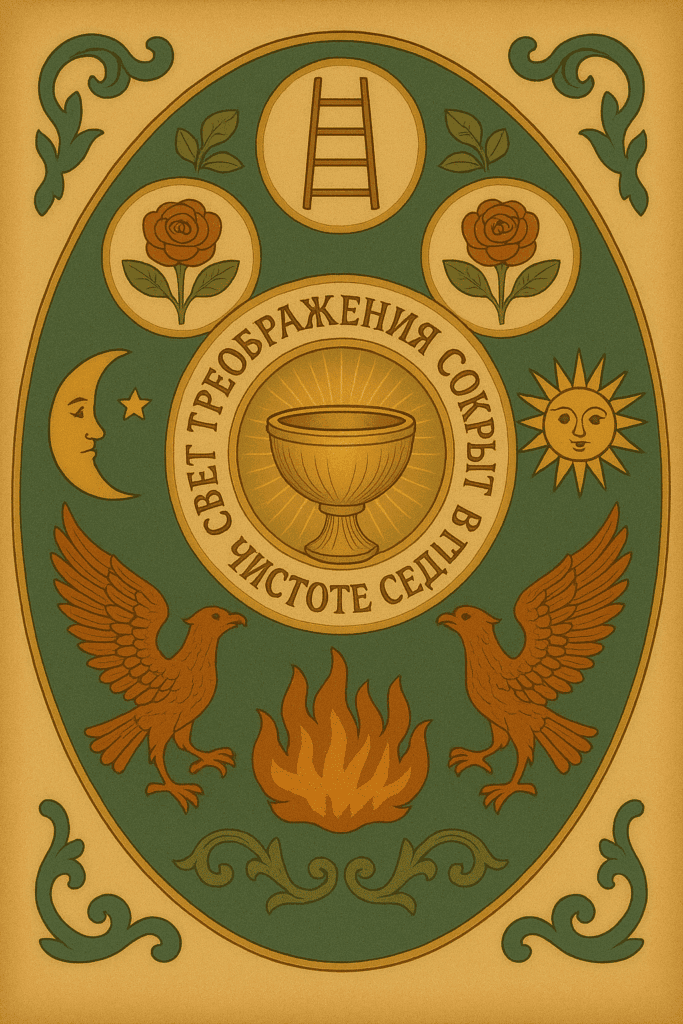
This article explores the operative and speculative dimensions of Russian alchemy, its historical development, key figures, and its connections to broader international traditions.
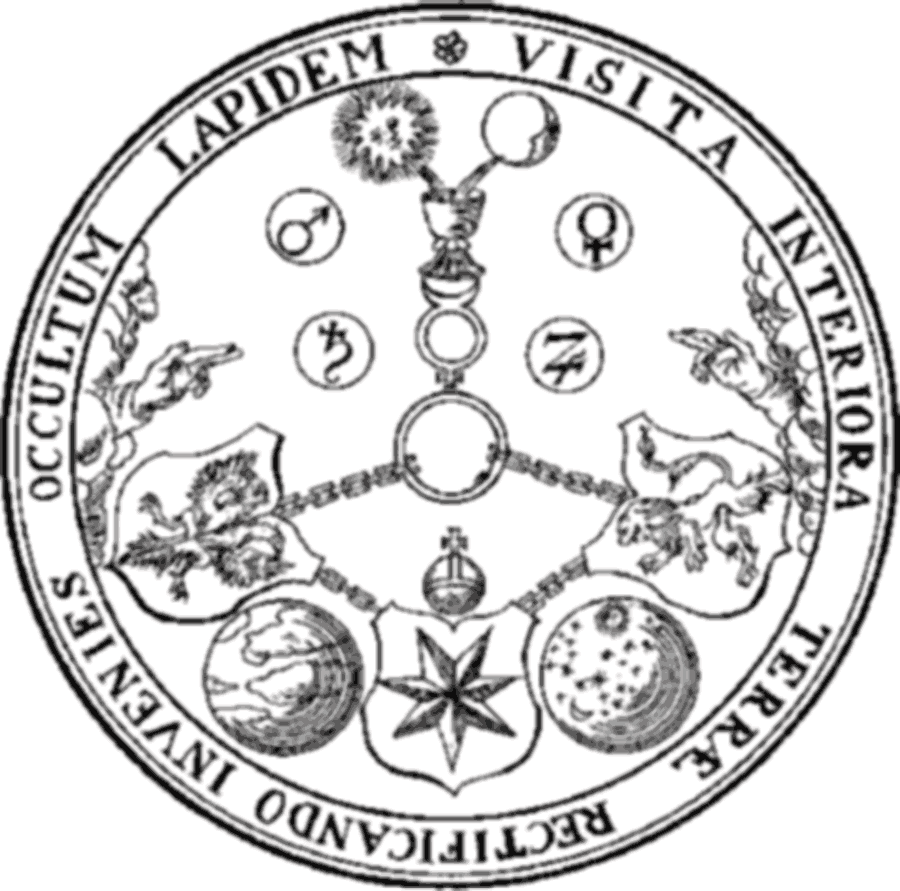
The Great Work of the medieval alchemist, in emulation of the “Great Architect,” was to unite the divine opposites, macrocosm and microcosm, to produce a unified and balanced whole.
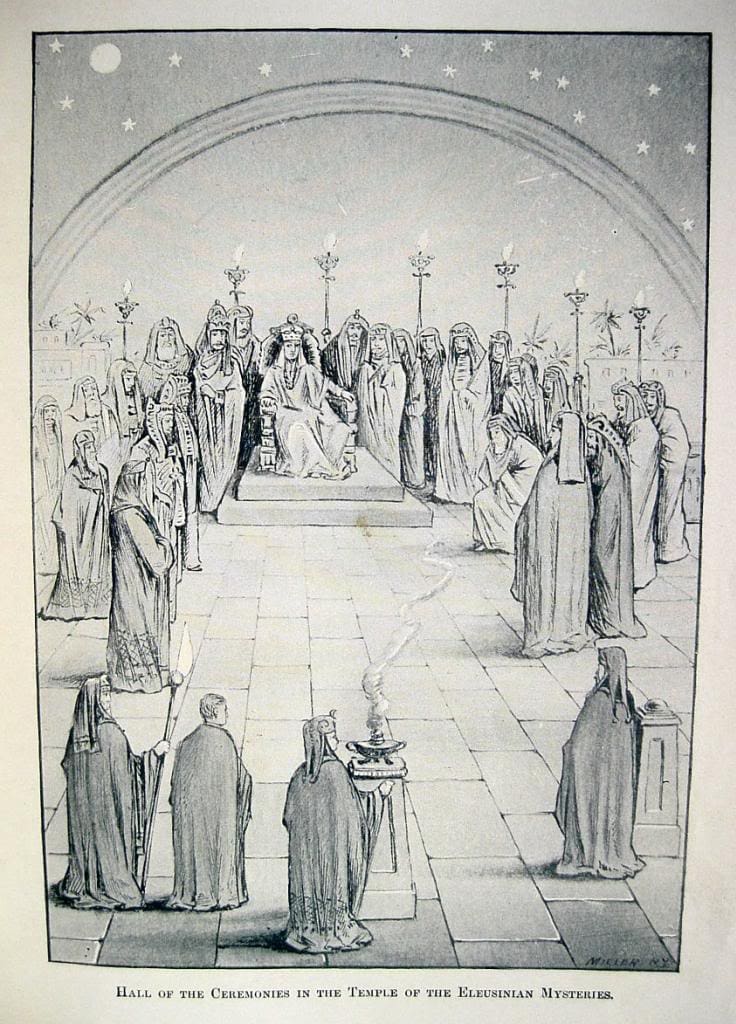
This article traces alchemy’s evolution from the mystery schools of Egypt and Greece to the laboratories of medieval Europe, exploring how early thinkers sought to unite material and spiritual transformation, blending sacred rites, symbolic language, and empirical observation.