
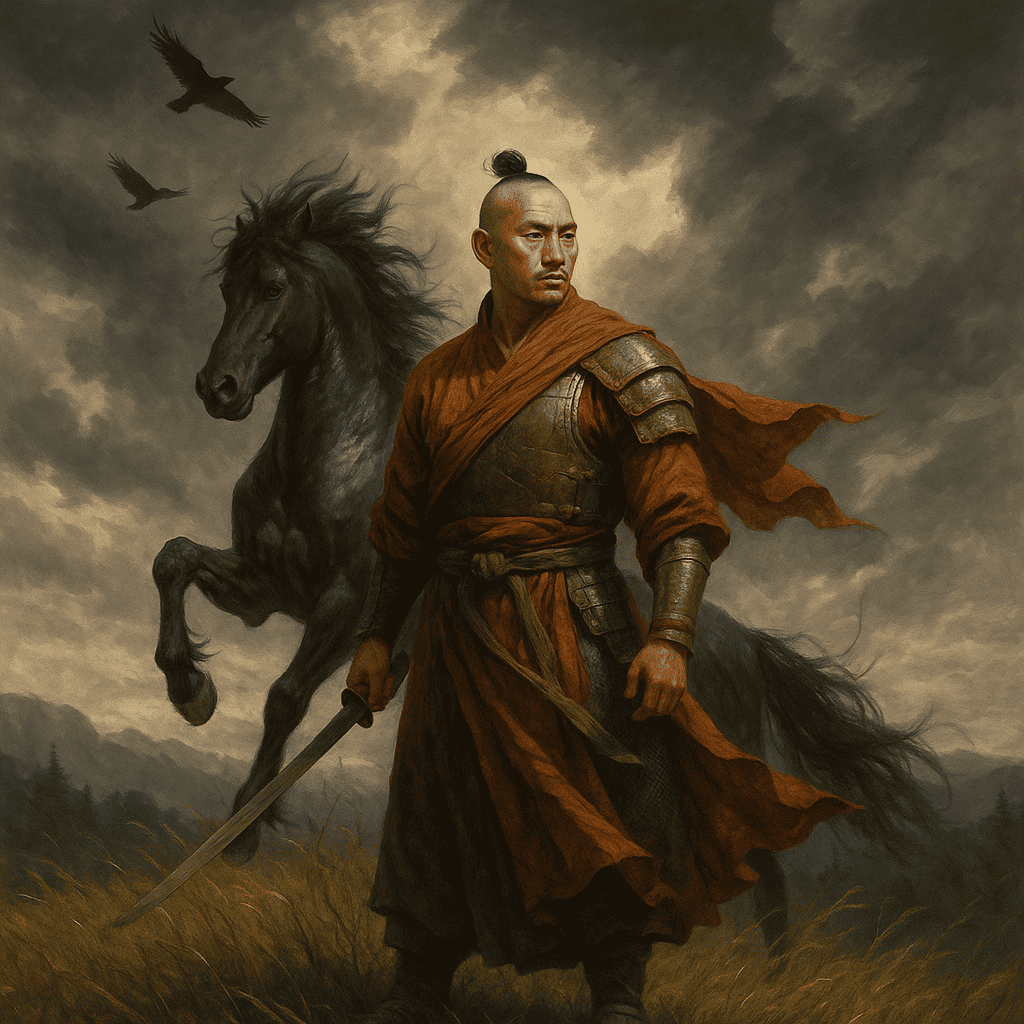
Monks of War: The Rise and Legacy of the Military Orders
This article traces the evolution of military orders, from their sacred origins to their secular echoes.
Where seekers, scientists, and citizens connect.
Join the global Science Abbey community to explore shared values, host dialogues, and co-create a culture of wisdom, reason, and compassion.
This article traces the evolution of military orders, from their sacred origins to their secular echoes.

This article is a journey through that hidden history—from the guild to the lodge, the campus to the cloud—exploring how fraternal models have woven themselves into the very fabric of human society.
In this article, we will explore ritual not just as tradition, but as a science of meaning and transformation.

Symbolic alchemy and the liberal arts comprised the holistic worldview at the foundation of Freemasonry and modern science and they are just as necessary today.
While we all have our own ideas, governments, researchers, and healthcare providers also need ways to measure quality of life to make better decisions.
The time has come for a bold yet rational vision of governance—a new framework for the global age. A governance rooted not in ideology, tribalism, or outdated nationalism, but in compassion, critical thinking, and shared human values.
As humanity stands on the threshold of planetary decision-making, the question is no longer whether we will govern wisely, but whether we will evolve the structures that allow us to do so. Scientific Humanist Democracy is that next evolution.
Enter Secular Scientific Democratic Humanism, or what we might simply call Integrated Humanism: a 21st-century synthesis drawing from the strongest elements of secular ethics, scientific inquiry, democratic governance, social solidarity, and global responsibility.
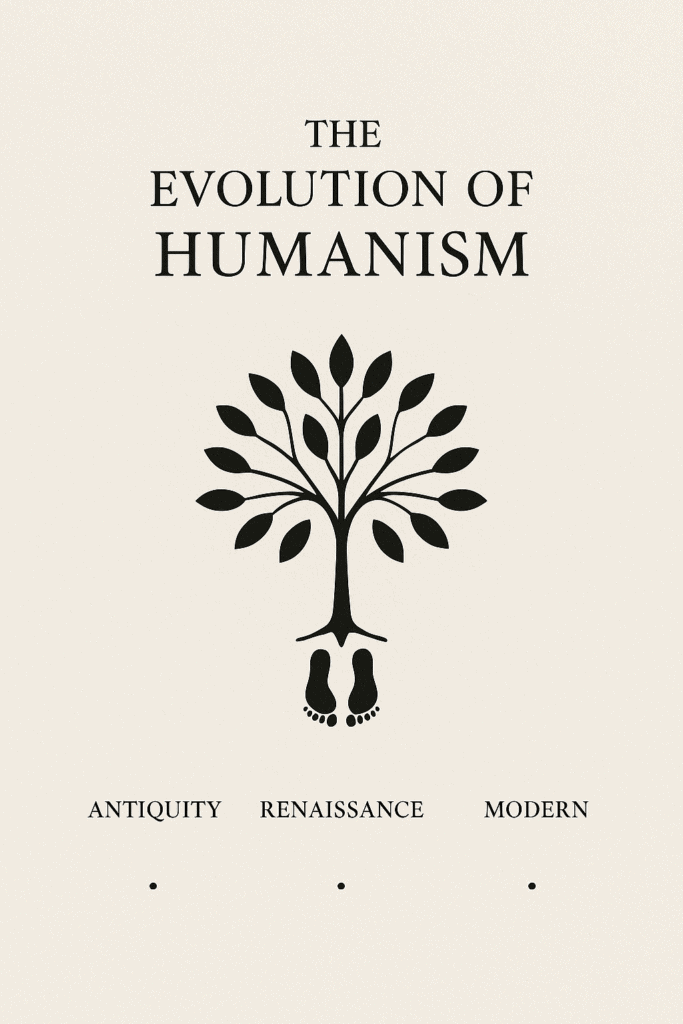
This trilogy of essays offers a comprehensive journey through the history, diversity, and future promise of humanist thought.

This article explores the scope, history, causes, consequences, and solutions to this silent crisis. It is written from the perspective of secular scientific humanism…
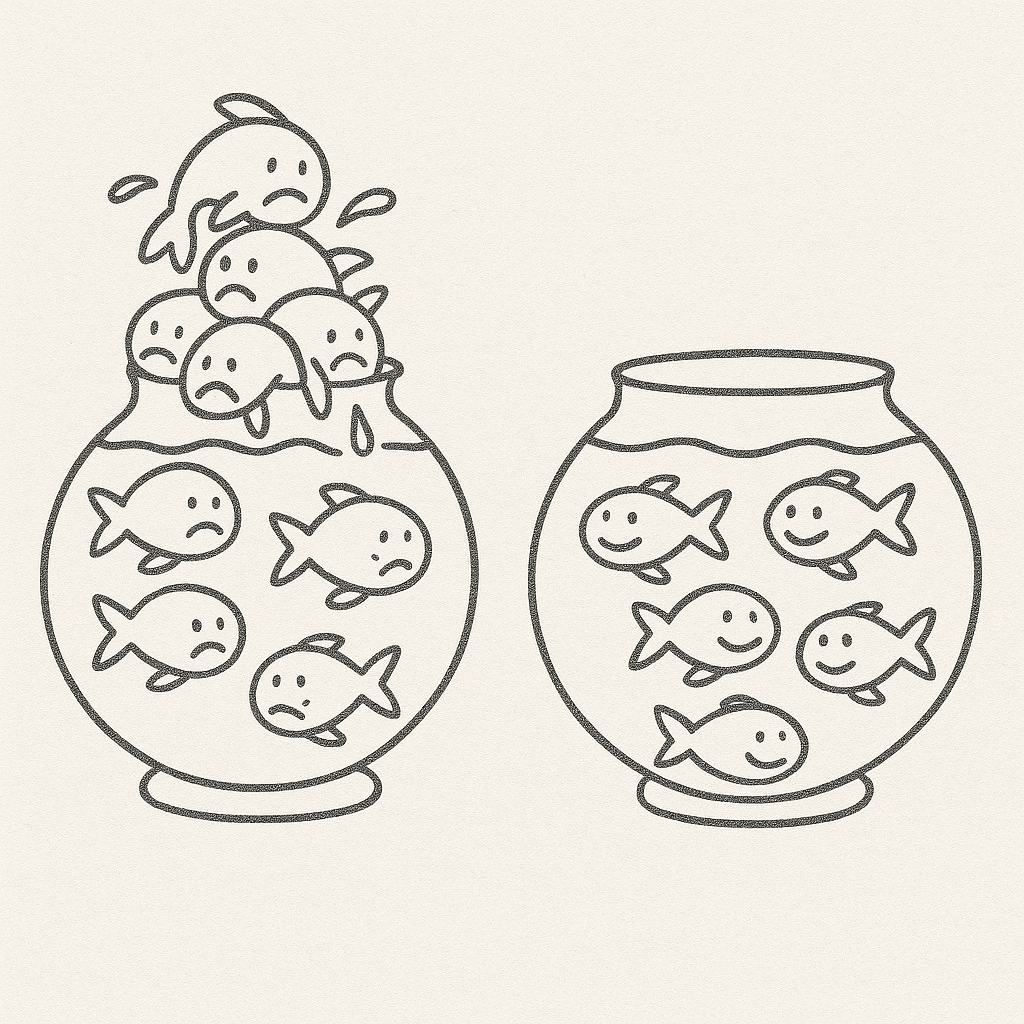
Explore the forces driving population growth, the barriers to change, and the most promising paths forward—from education and family planning to governance, economics, and cultural evolution.

We explore here how population growth intensifies economic inequality, drives political polarization, and fuels social unrest.