
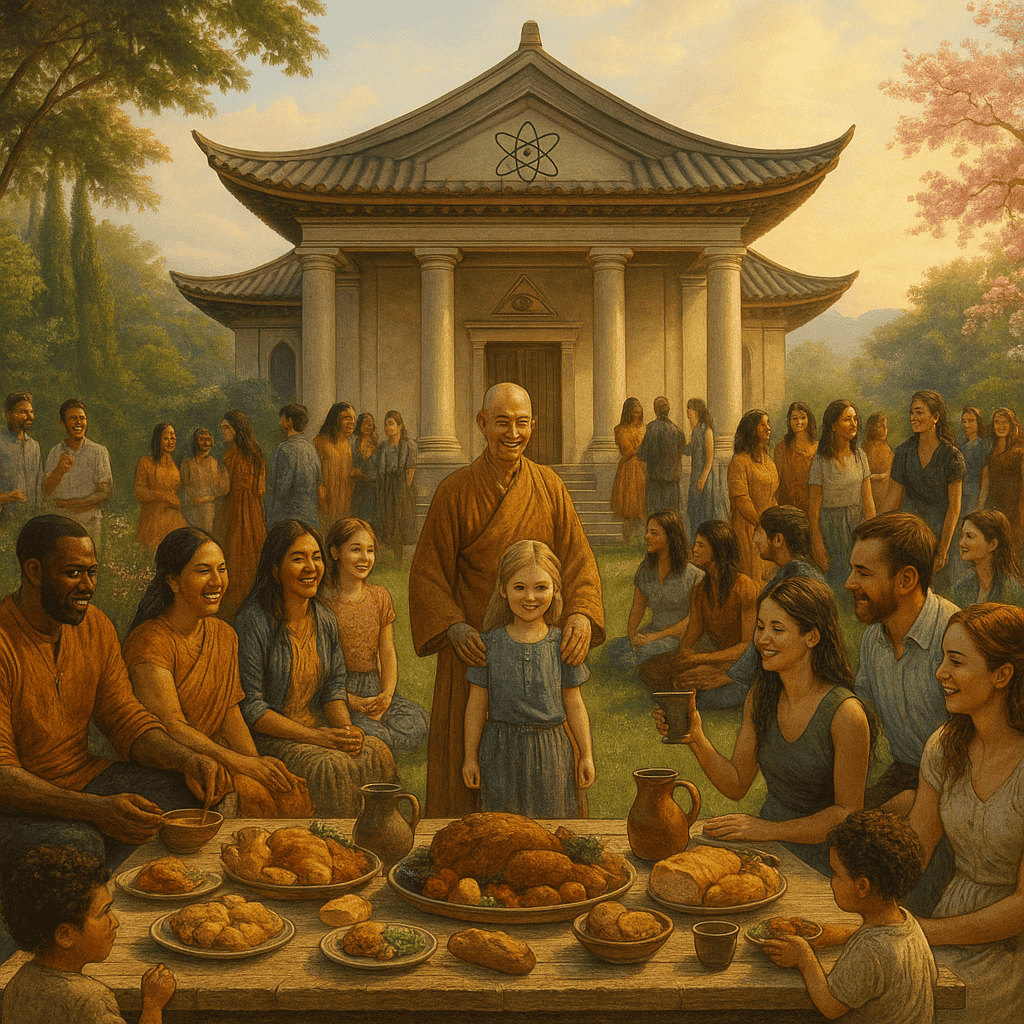
The Science of Ritual
In this article, we will explore ritual not just as tradition, but as a science of meaning and transformation.

Exploring the outer universe and the inner self.
Journey through the scientific and philosophical exploration of the cosmos and consciousness as complementary frontiers of human understanding.
In this article, we will explore ritual not just as tradition, but as a science of meaning and transformation.

This article explores astrology and divination through the lens of scientific humanism—a worldview that values empirical knowledge, ethical reasoning, and human psychological depth.

The Science of Wholeness is an integrative philosophical and scientific framework that seeks to understand reality by unifying diverse fields of knowledge—spiritual, philosophical, ethical, and empirical—into a coherent worldview.

Long dismissed as mysticism or pseudoscience, alchemy was in fact a crucible for the birth of modern science.
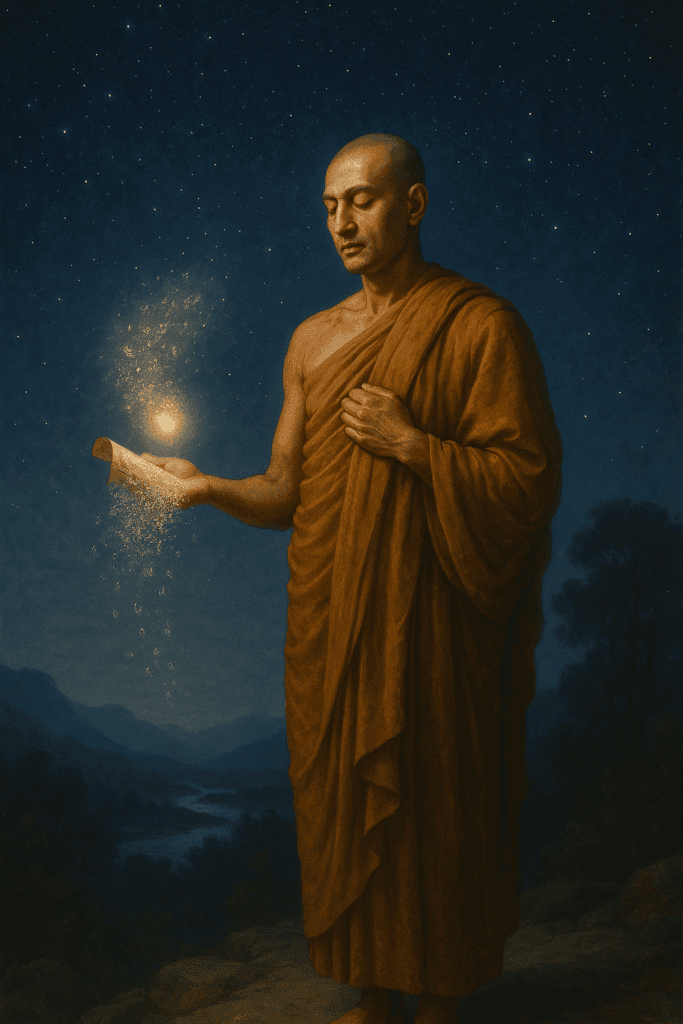
Explore the hidden tradition of Buddhist Alchemy, where ancient spiritual science meets inner transformation.

From ancient alchemy to modern chemistry, from Renaissance inquiry to digital complexity…
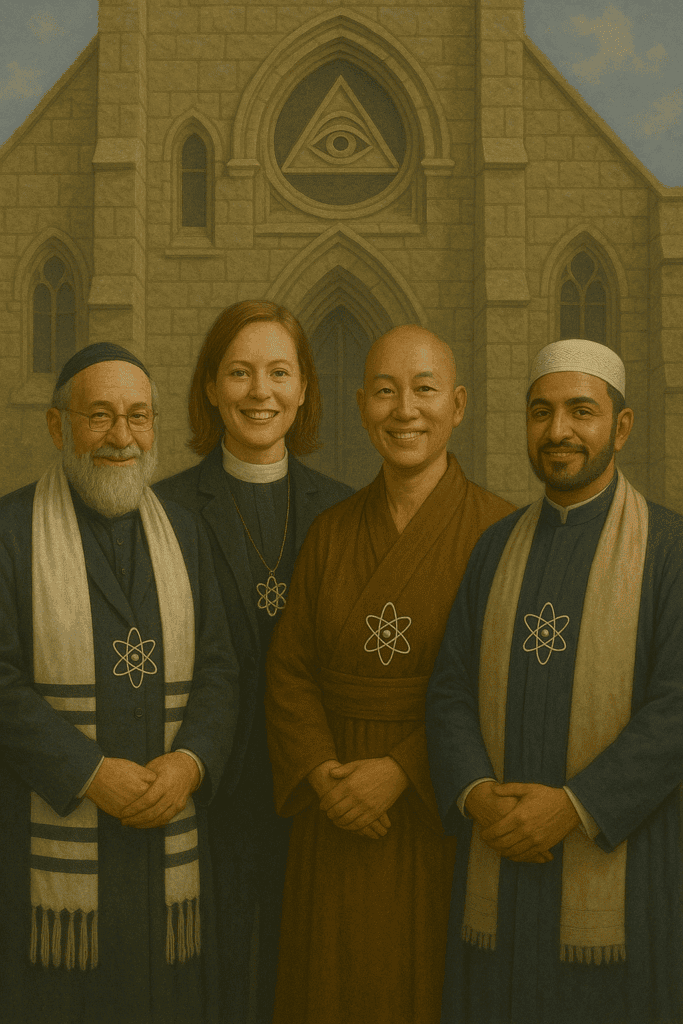
As we face serious global challenges, more and more of humanity is turning to evidence-based solutions, changing the role of traditional religious authority in politics.

Christian monasticism was not born in cathedrals or universities. It emerged in sand-swept caves, in stone huts beneath olive trees, in the whispered silence of the early centuries after Christ.

Kabbalah, in Hebrew, קַבָּלָה, literally means “tradition” and remains an important part of Hasidic Judaism. It is the cherished Jewish mystical discipline…
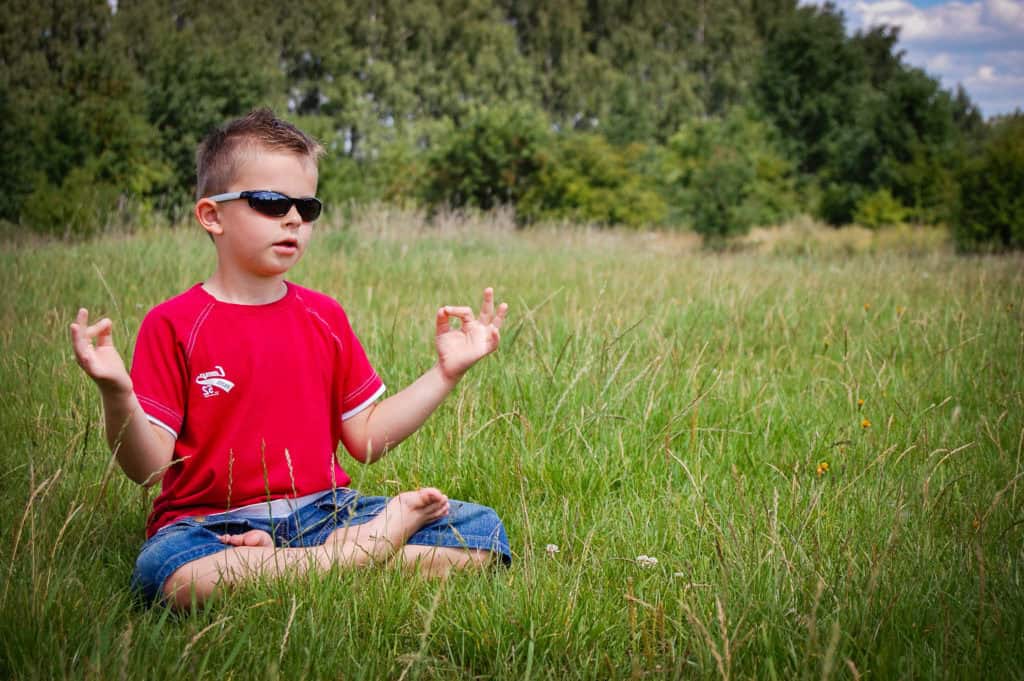
Mindfulness meditation may be defined as nonjudgmental awareness through purposeful holding of attention, being in the moment, for mental and physical health, self-knowledge and wisdom.
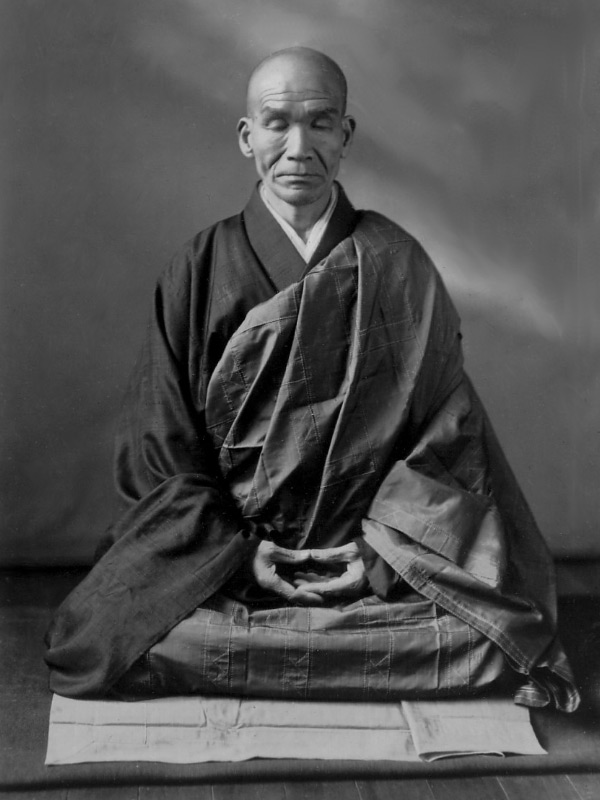
While there are a number of schools of Zen, this article will focus on the Japanese Soto sect teaching of shikantaza, or “just sitting” method of meditation, probably the most straight-forward example of Zen Buddhist meditation.
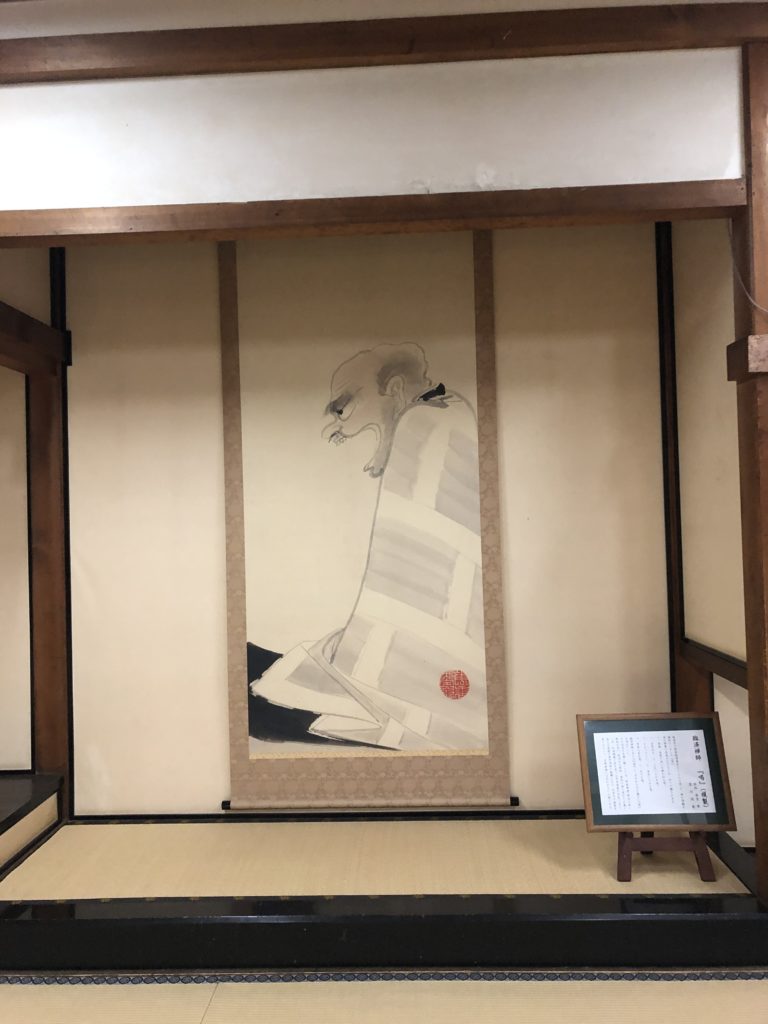
Chinese mystics adopted and adapted Buddhism to their needs, replacing the Indian focus on dharana, or concentration, with Daoist cultivation in meditation. This practice of sitting meditation, known as zuo chan, would eventually flower into Chan Buddhism.