
The Science of Wholeness Handbook
This handbook, The Science of Wholeness, is an interdisciplinary synthesis designed to bridge the realms of science, philosophy, and spirituality.
Studying the mind from the inside out.
Investigate the frontiers of consciousness, attention, and well-being through the union of meditation, neuroscience, and inner inquiry.
This handbook, The Science of Wholeness, is an interdisciplinary synthesis designed to bridge the realms of science, philosophy, and spirituality.
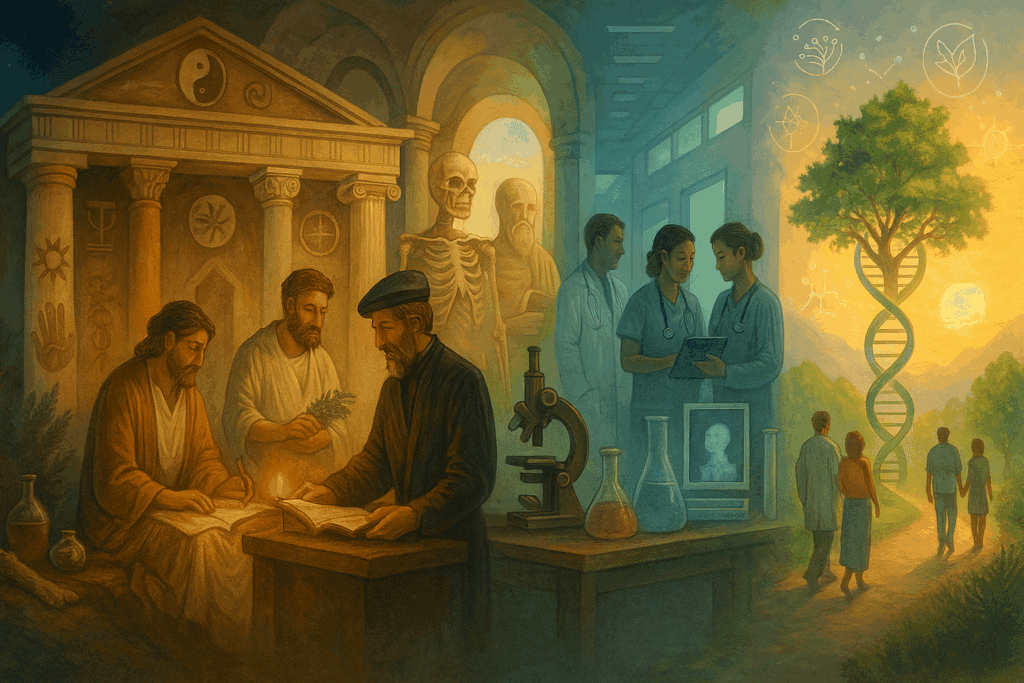
From tribal rituals to telescopic diagnostics, from herbs and humors to AI and immunotherapy, we will trace how our species has sought to care for the body, uplift the mind, and make sense of suffering.

This is the story of everything.
It begins not on Earth, nor even in the Milky Way, but at the very boundary of space and time itself—where the laws of physics as we know them emerged from a cosmic singularity or something stranger still.
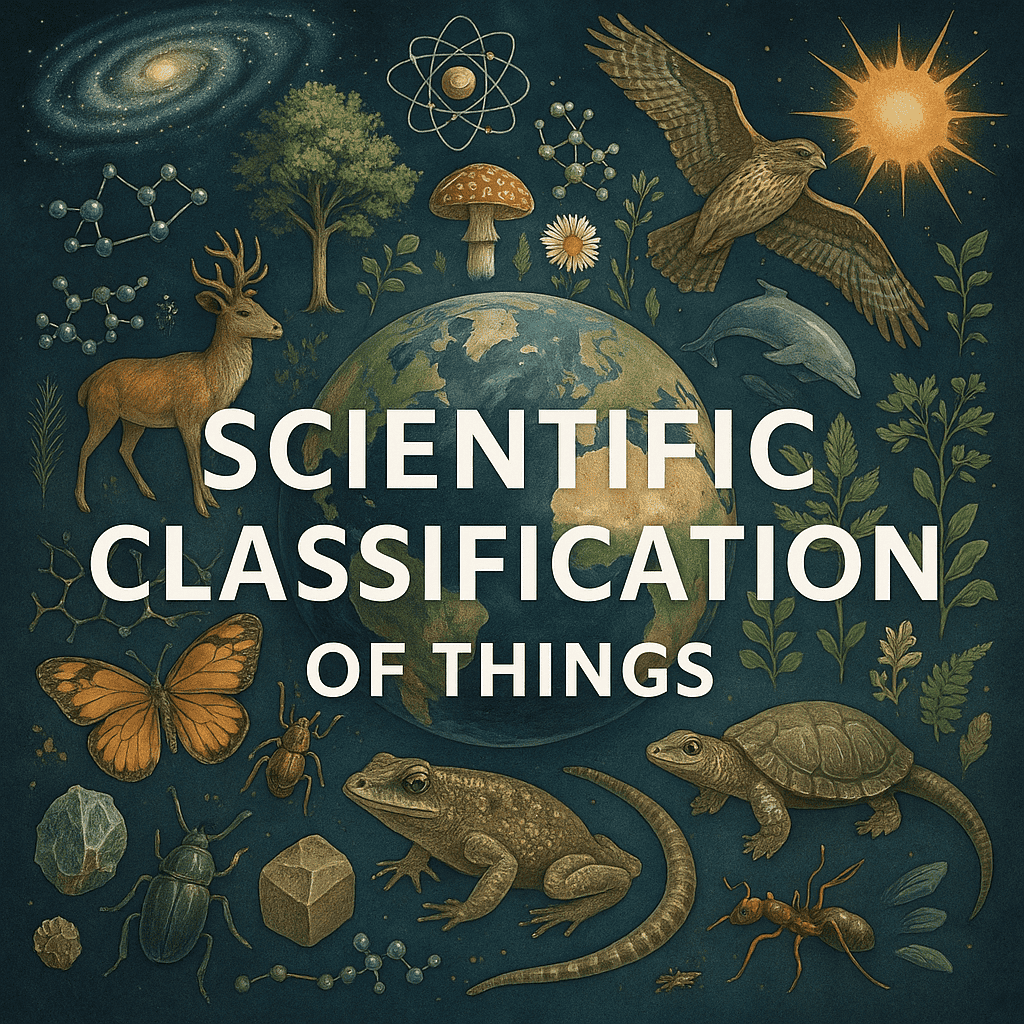
This article explores the scientific classification of things across many domains, from the smallest building blocks of matter to the branching structures of life and civilization.

Explore the history and meaning of Masonic rites, grades, and symbolism—from the Square and Compasses to the All-Seeing Eye.

In this article, we explore the science of loneliness: what it is, how it works, why we fear being alone yet struggle with relationships, and what neuroscience, psychology, and human wisdom reveal about healing this hidden wound.

This article explores death from a broad scientific humanist perspective, integrating insights from medicine, biology, psychology, sociology, and philosophy.
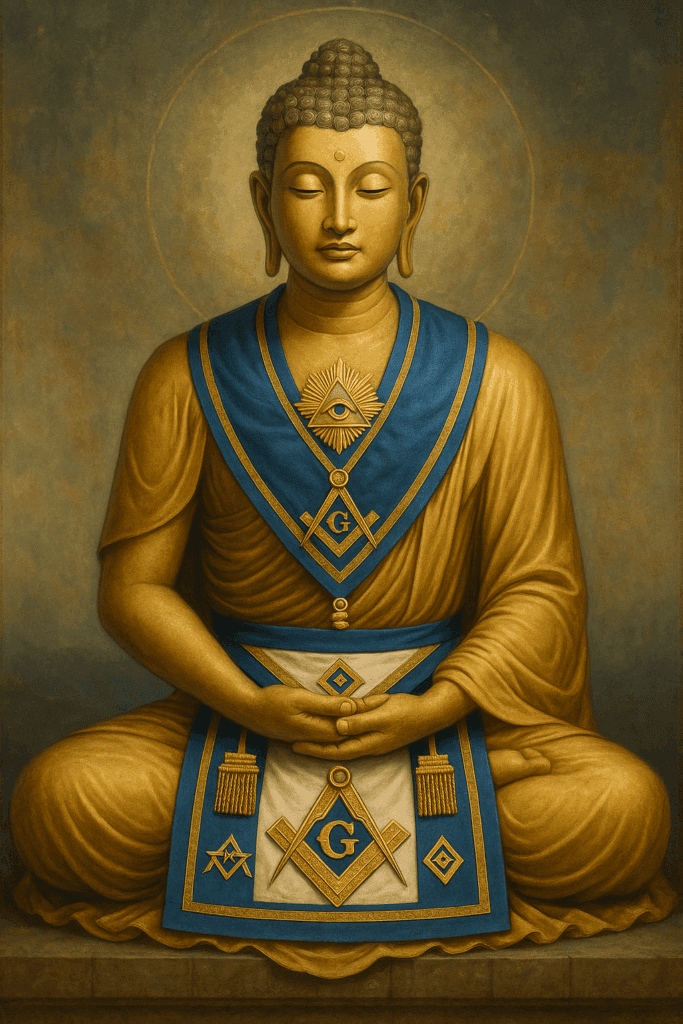
The Zen Master, the Master Mason, and the scientific humanist may use different tools—zafu, square and compasses, or microscope—but all seek the same outcome: a well-built world and a well-formed person.
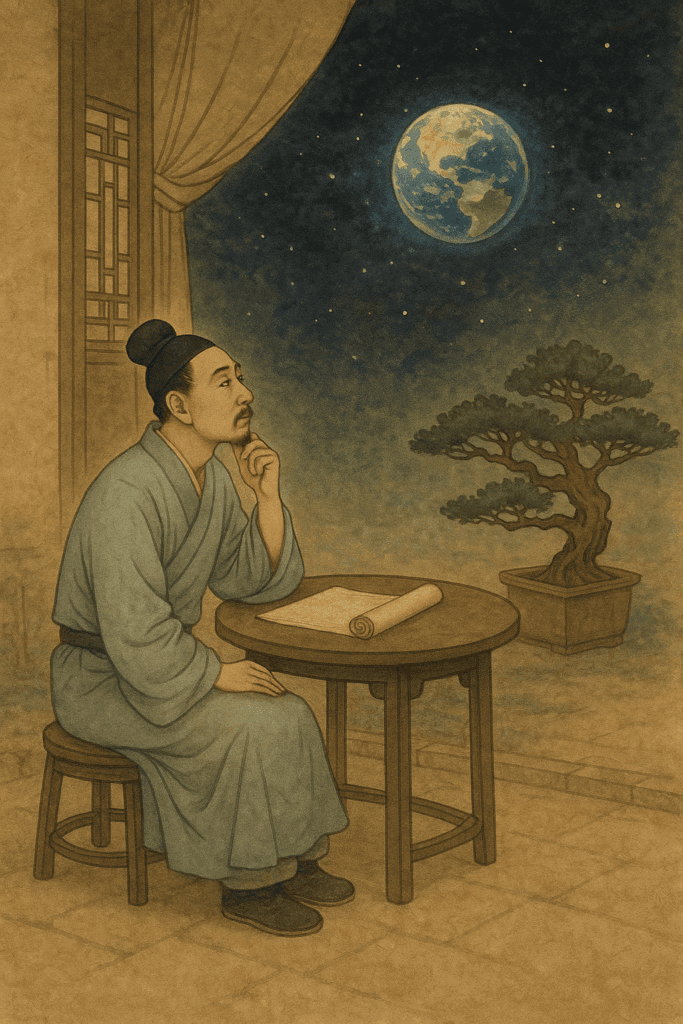
This article explores the hidden architecture of Confucian monastic life: its moral ideals, educational institutions, meditative practices, and enduring legacy in Chinese culture.

This article is a journey through that hidden history—from the guild to the lodge, the campus to the cloud—exploring how fraternal models have woven themselves into the very fabric of human society.
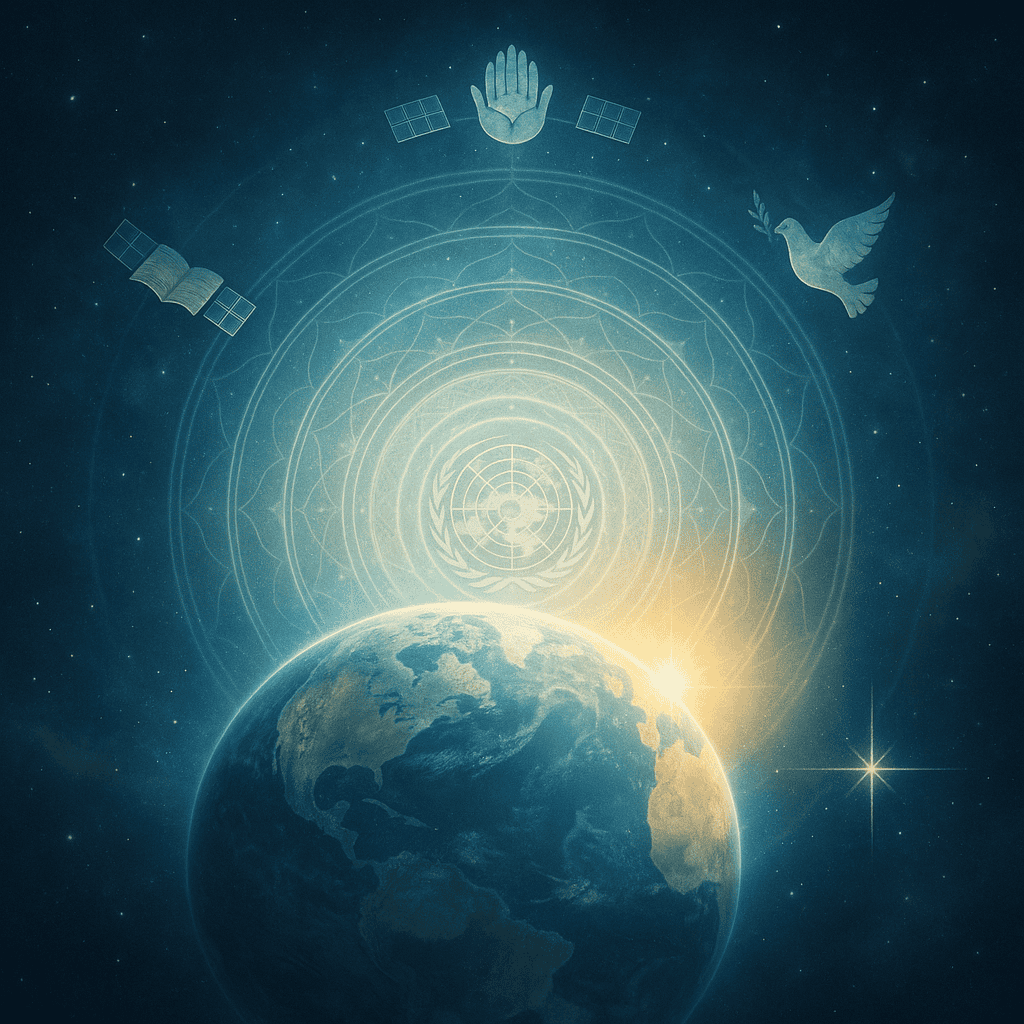
Wisdom and deeper understanding require context—a mental framework to organize the information you gather. Without this foundation, facts remain isolated pieces rather than components of a coherent worldview.
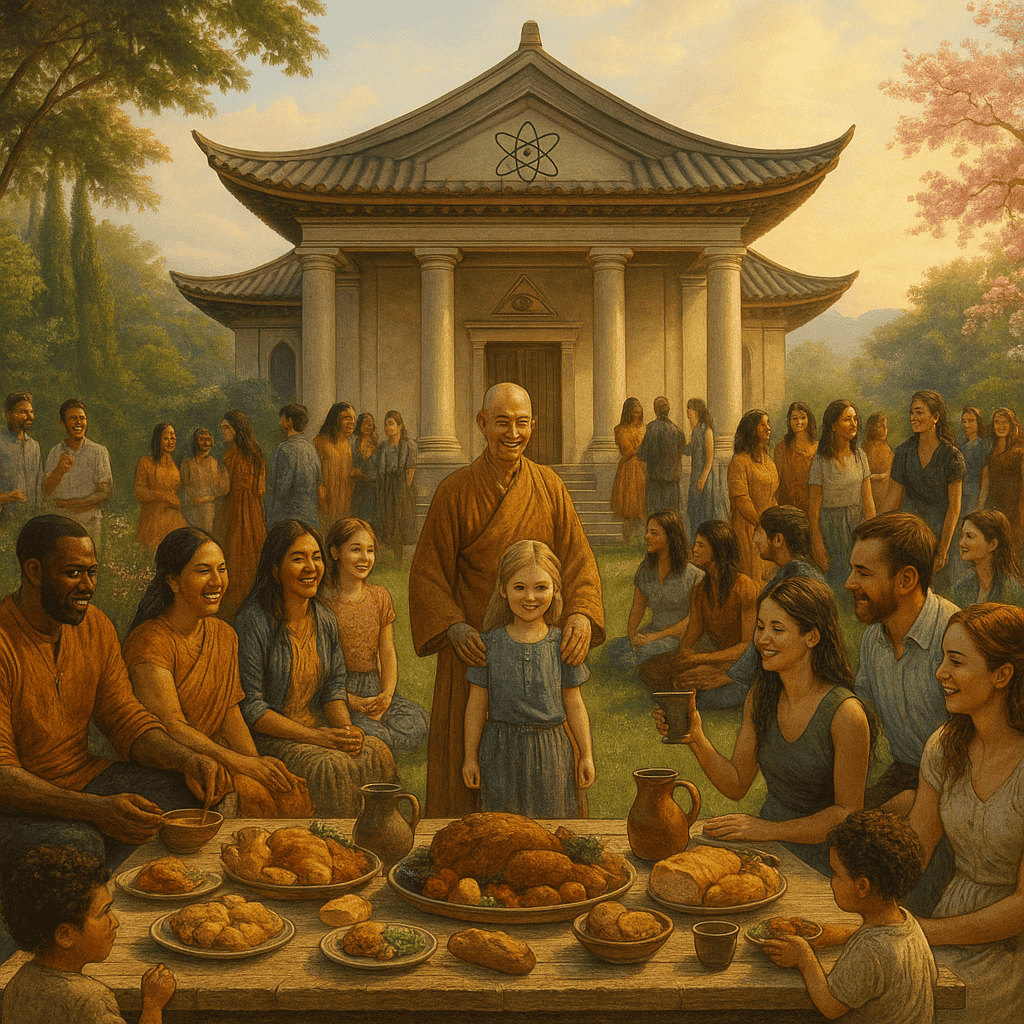
In this article, we will explore ritual not just as tradition, but as a science of meaning and transformation.