

The History and Science of Electrical Engineering: How a Force of Nature Became the Engine of Civilization
This article explores the deep history, scientific principles, and technological revolutions of electrical engineering.

This article explores the deep history, scientific principles, and technological revolutions of electrical engineering.

Philanthropy is the love of humanity expressed through voluntary action for the common good. The word itself originates from the Greek philos (love) and anthropos (human being), and its classical meaning is to care for others not out of obligation, but out of conscience and compassion.
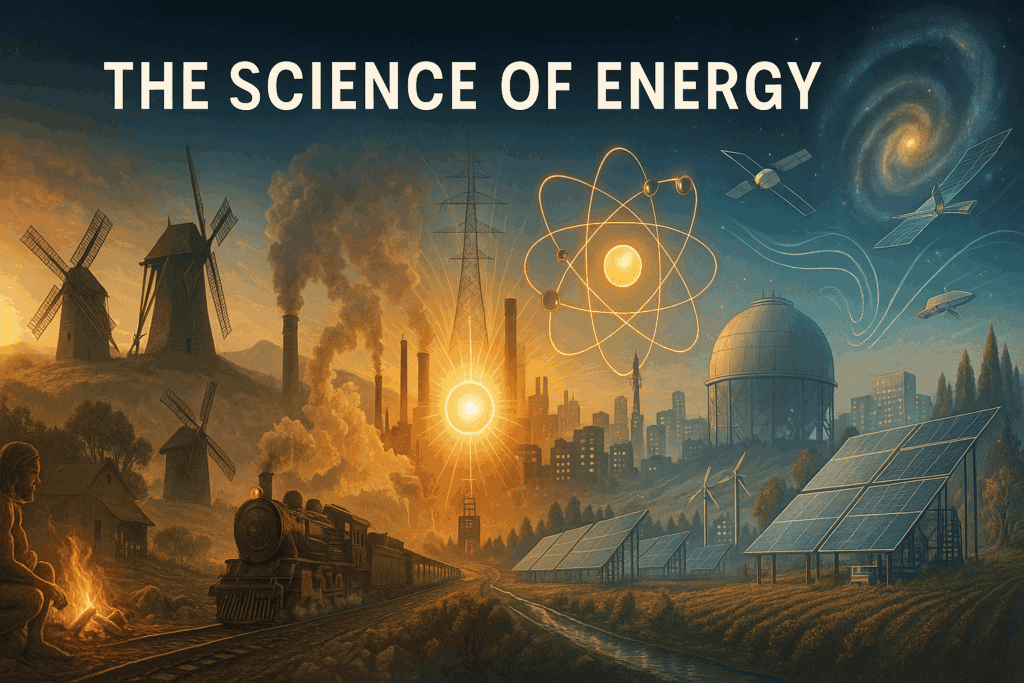
This article explores the full landscape of energy: what it is, how it works, where it comes from, and where it is taking us.

This article explores the full arc of the history of timekeeping: from ancient sundials and sacred calendars to atomic clocks and contemporary proposals for global synchronization.

To examine war through a scientific lens is not to glorify it, but to understand it—rationally, historically, and morally.

A sweeping exploration of the past, present, and future of women in science and technology—celebrating pioneers, analyzing global disparities, and advancing a bold humanist vision for equality and innovation.

This article explores the science of relationships—from biology to philosophy, from ancient traditions to modern technologies.

This guide aims to clarify the key concepts, choices, and consequences of family planning.

This article serves as a comprehensive, accessible guide to estate planning and private wealth management. It offers both foundational knowledge and advanced strategies.

The findings in this report call for a recalibration of how we evaluate and engage with science and technology companies on a global scale.

We aim to investigate not only how wealth has evolved across cultures and epochs, but how it can be understood, cultivated, and deployed today to serve the long-term flourishing of individuals, communities, and the global environment.
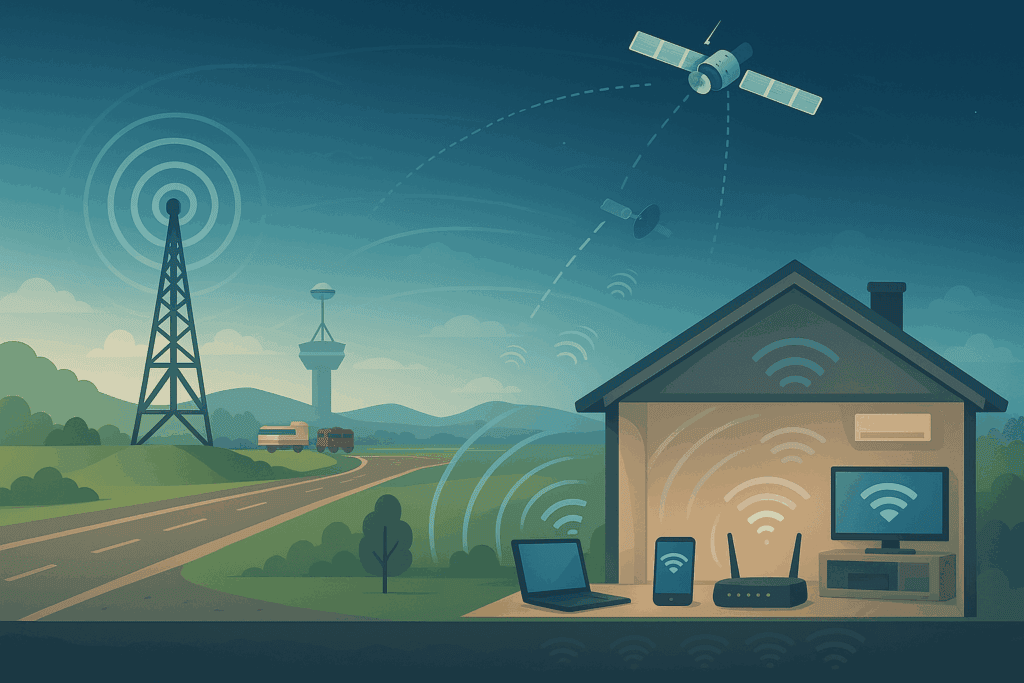
Electromagnetic waves underlie radio, satellite transmission, and Wi-Fi communication—each tailored for particular needs and environments. Though all three rely on the same fundamental physics, they differ greatly in design, range, bandwidth, cost, and application.