
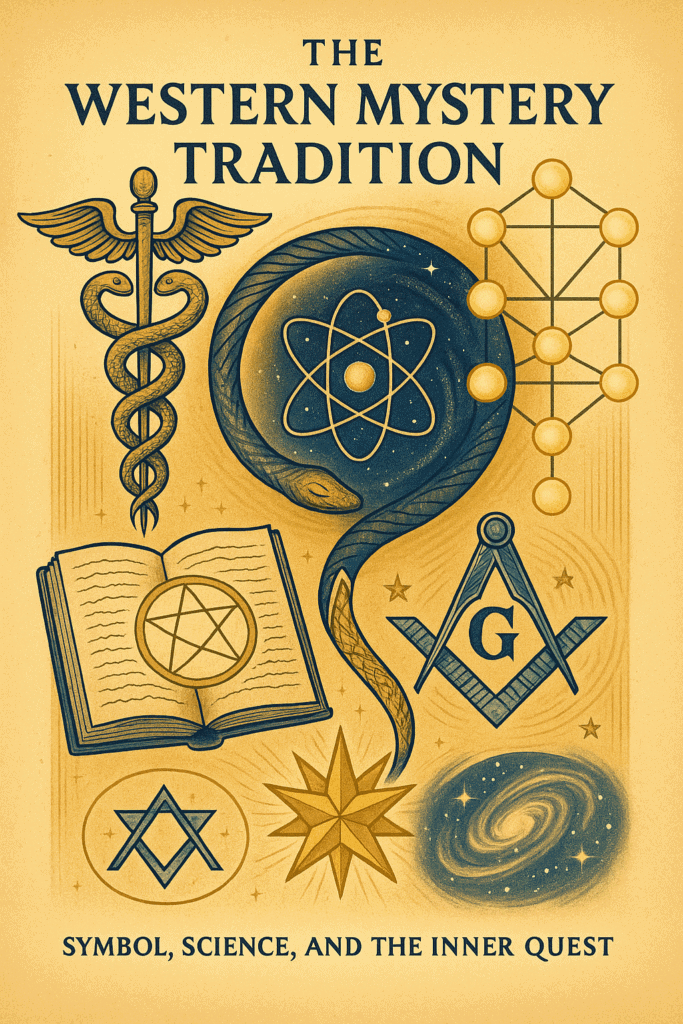
The Western Esoteric Tradition
Western esotericism, often referred to as the Western mystery tradition, encompasses a diverse array of spiritual, philosophical, and mystical movements that have developed within Western society.
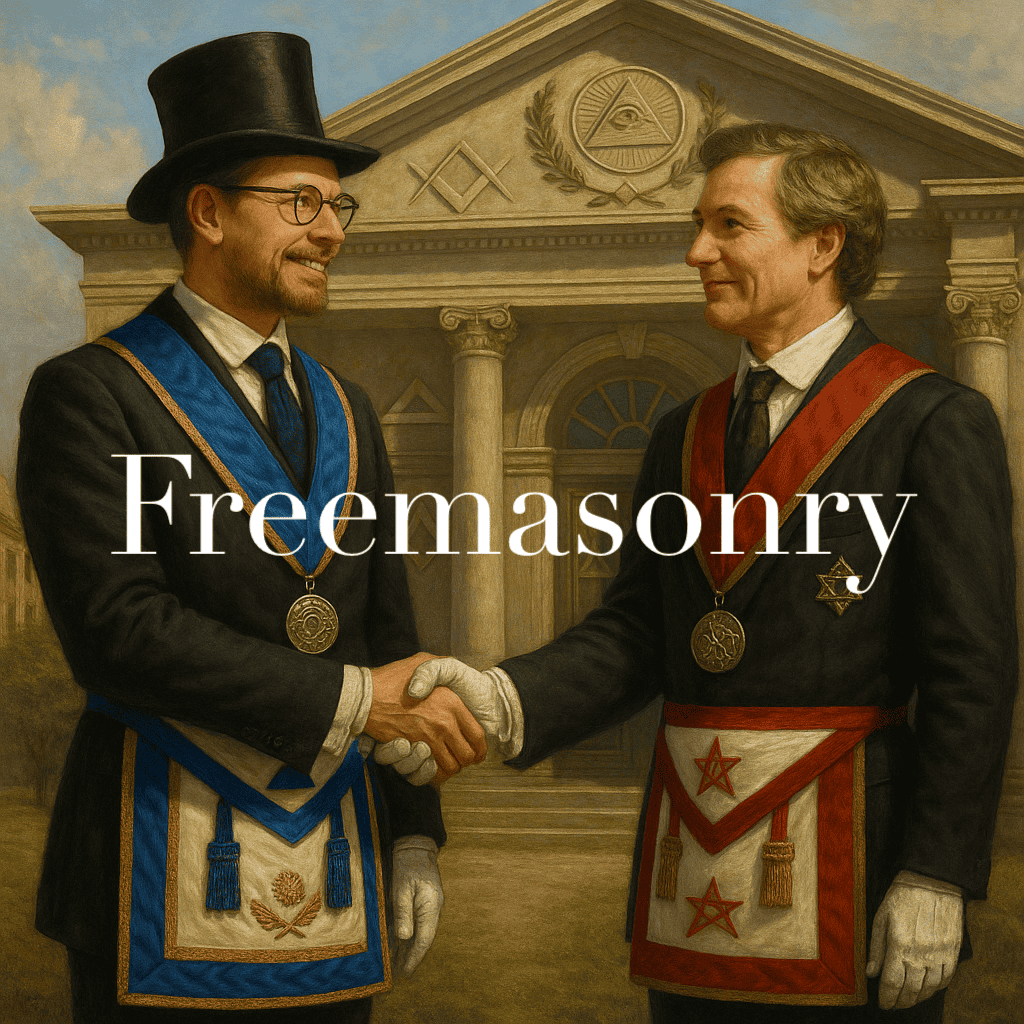
Symbols, Brotherhood, and the Light of Inquiry
Uncover the philosophical heritage and symbolic teachings of Freemasonry—its impact on Enlightenment values, ethics, and modern thought.
Western esotericism, often referred to as the Western mystery tradition, encompasses a diverse array of spiritual, philosophical, and mystical movements that have developed within Western society.
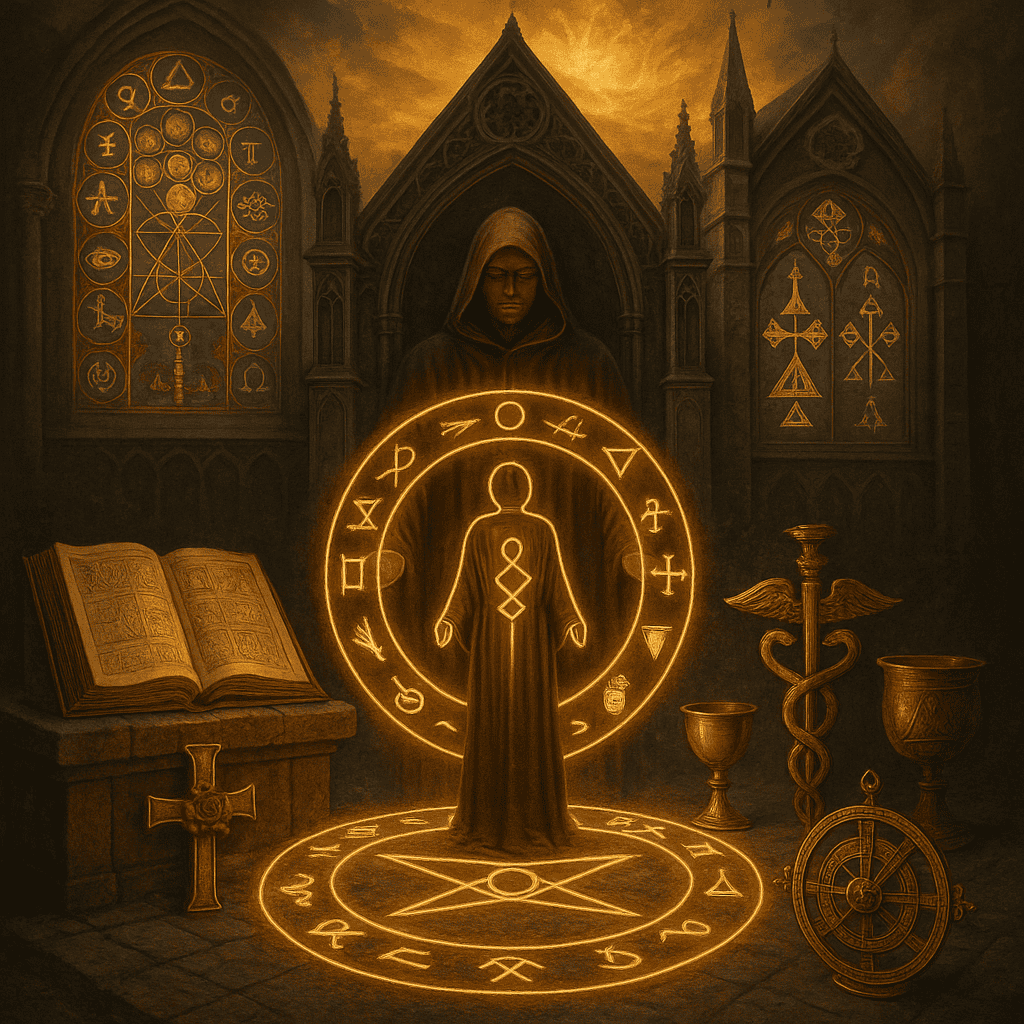
The eight interconnected systems within the Western Mystery Tradition are: the ancient Mysteries, Neoplatonism, Hermetic philosophy, symbolic alchemy, Kabbalah, early and Renaissance magic, Rosicrucianism, Freemasonry and related fraternal organizations.

Explore the history and meaning of Masonic rites, grades, and symbolism—from the Square and Compasses to the All-Seeing Eye.
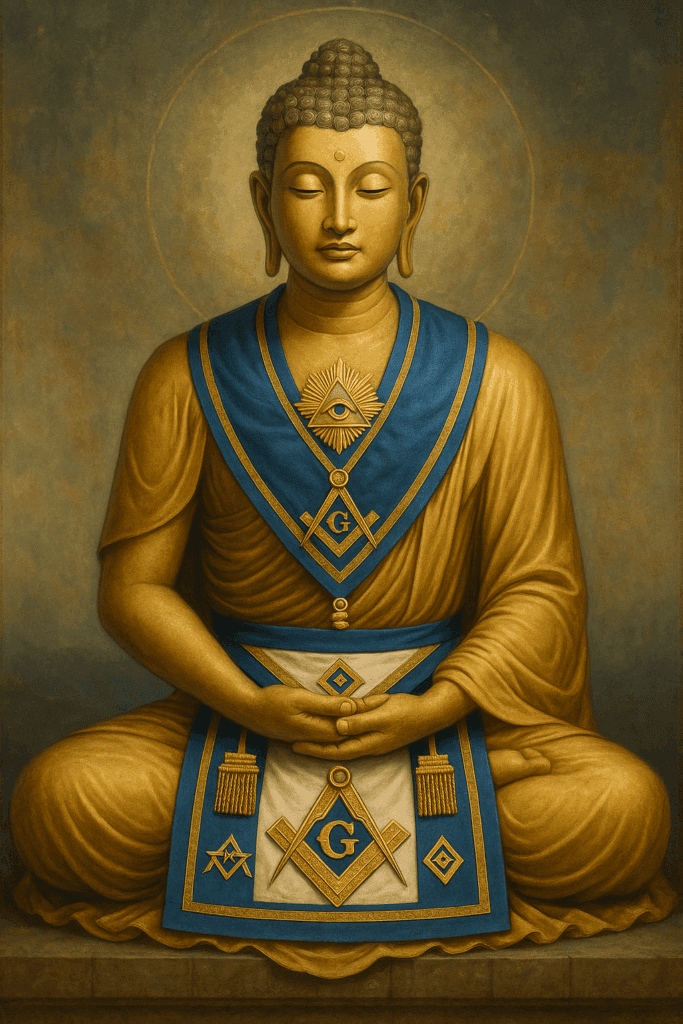
The Zen Master, the Master Mason, and the scientific humanist may use different tools—zafu, square and compasses, or microscope—but all seek the same outcome: a well-built world and a well-formed person.
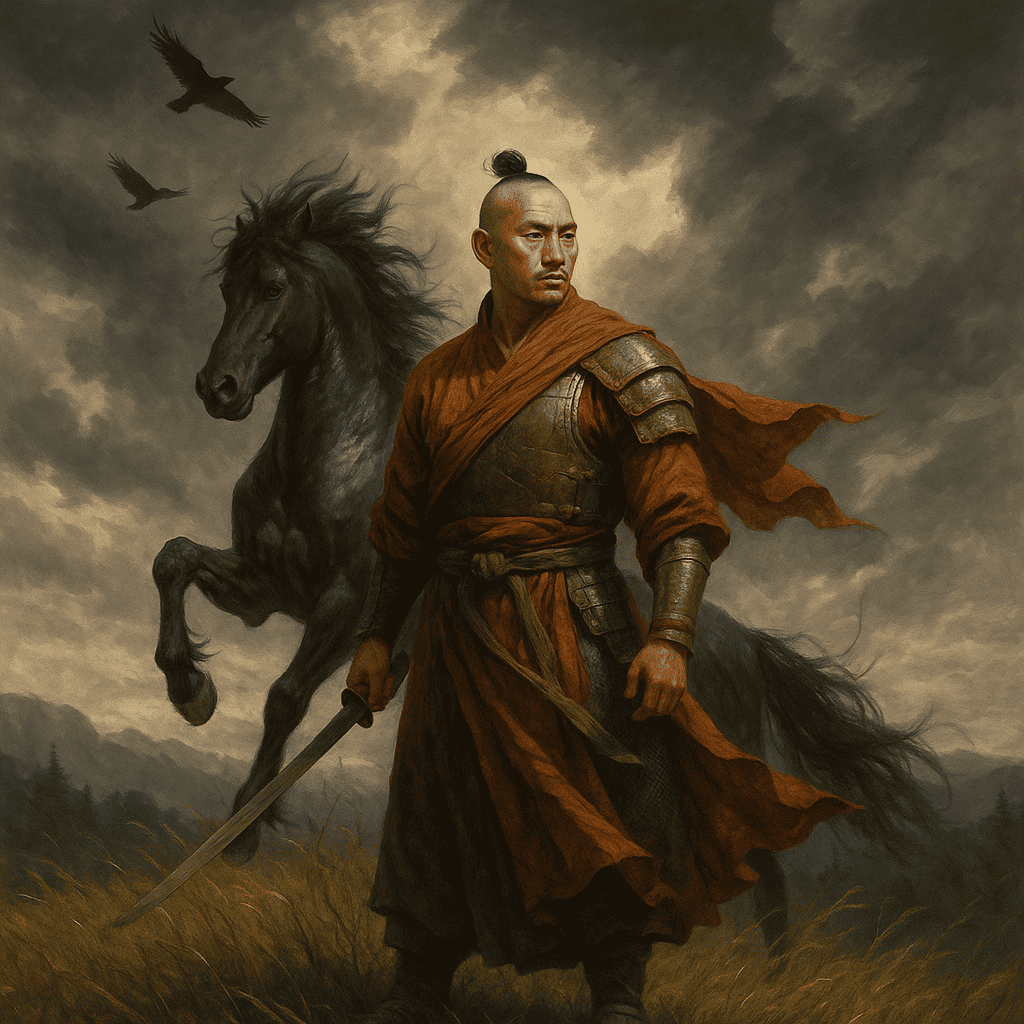
This article traces the evolution of military orders, from their sacred origins to their secular echoes.
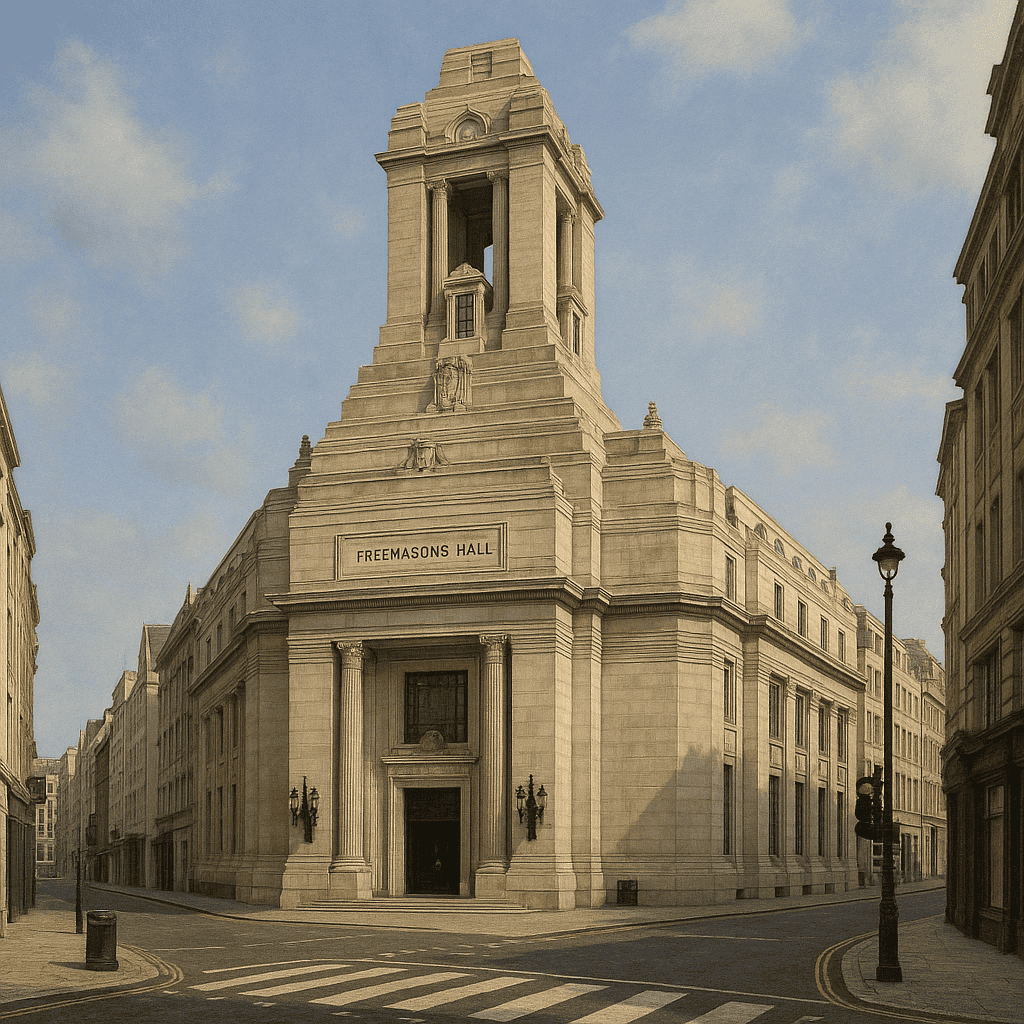
This article is a journey through that hidden history—from the guild to the lodge, the campus to the cloud—exploring how fraternal models have woven themselves into the very fabric of human society.
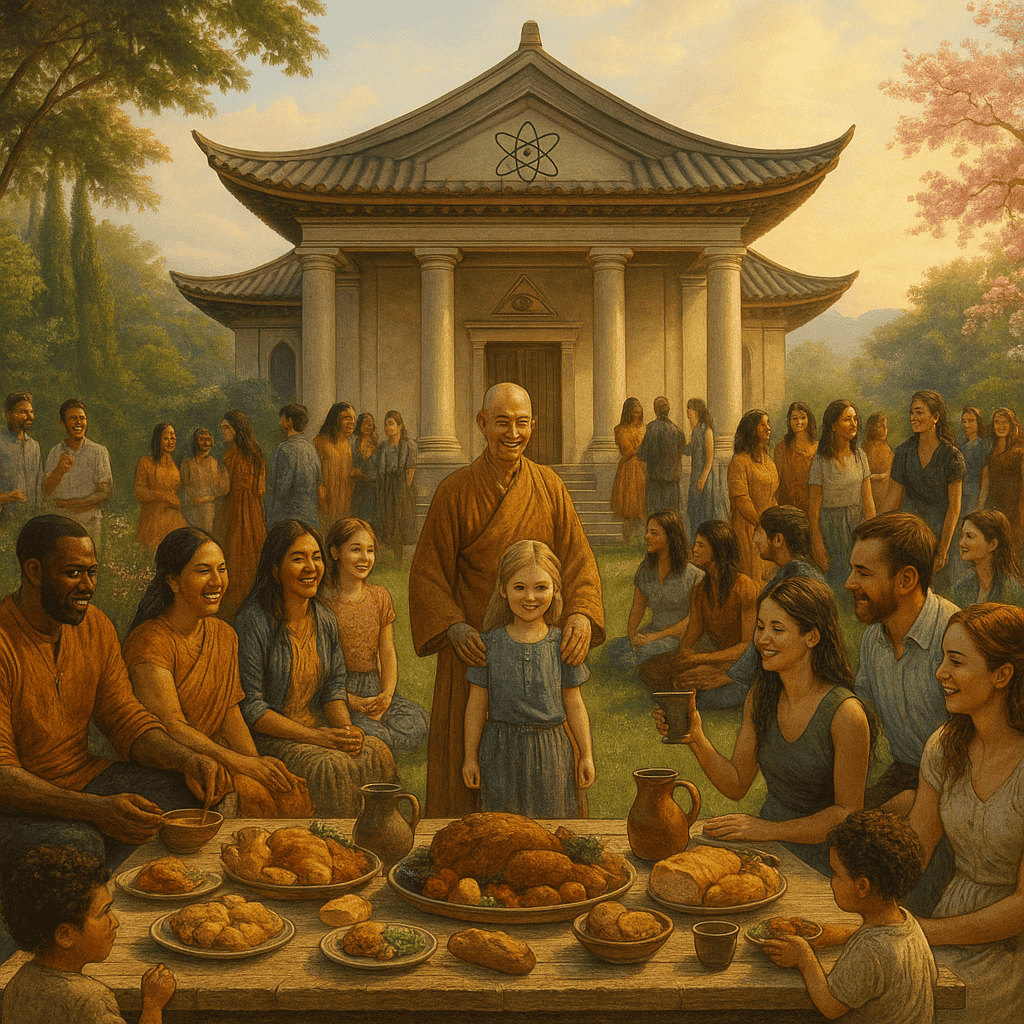
In this article, we will explore ritual not just as tradition, but as a science of meaning and transformation.

Symbolic alchemy and the liberal arts comprised the holistic worldview at the foundation of Freemasonry and modern science and they are just as necessary today.
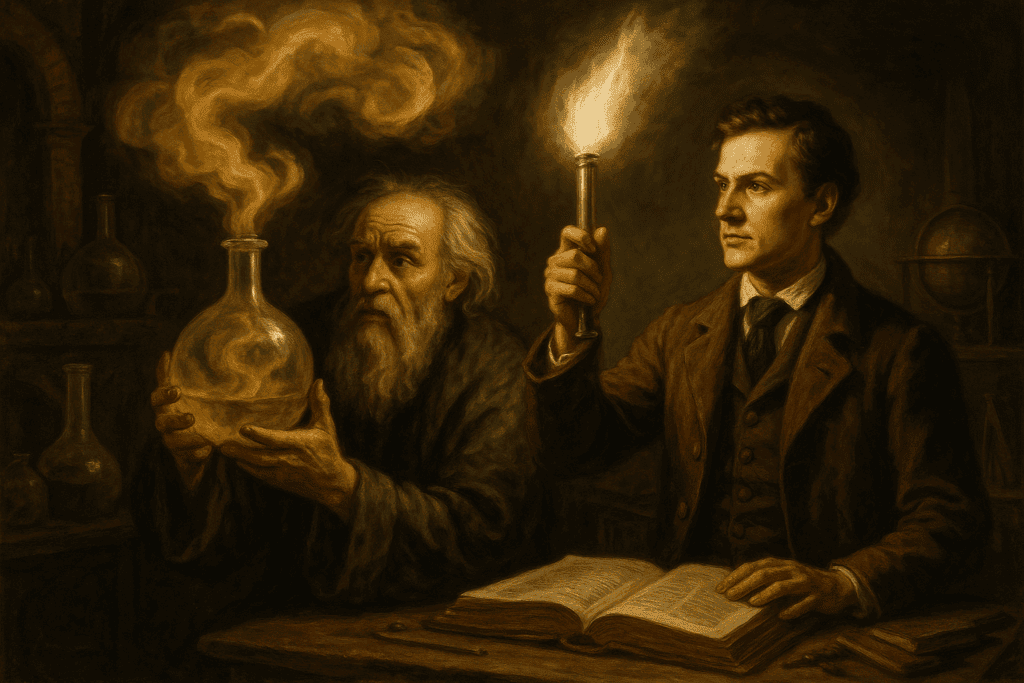
Long dismissed as mysticism or pseudoscience, alchemy was in fact a crucible for the birth of modern science.
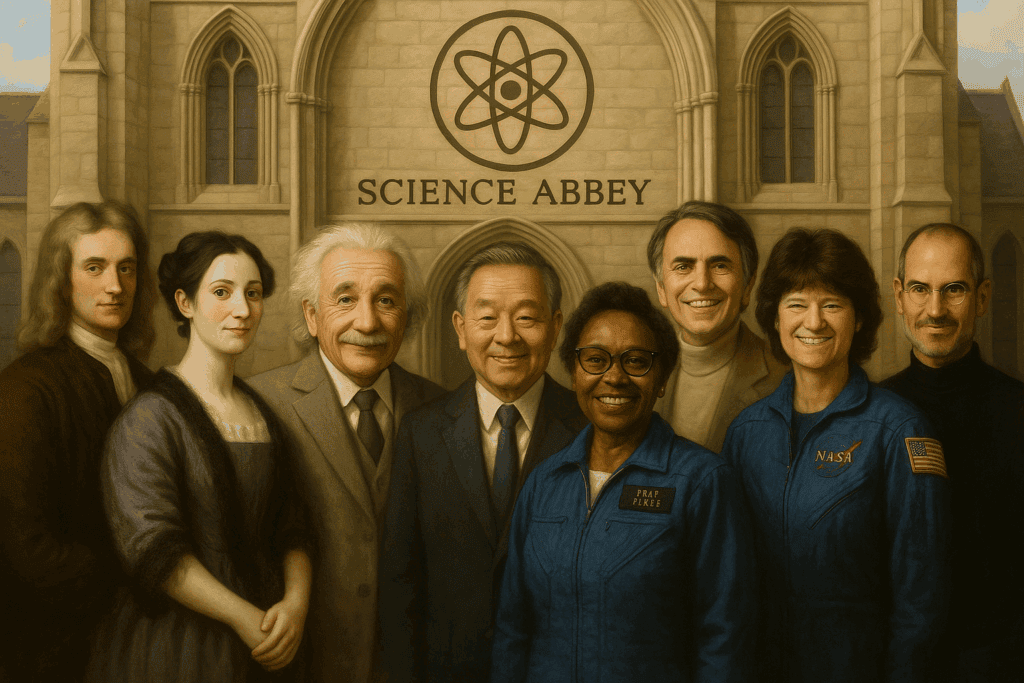
From ancient alchemy to modern chemistry, from Renaissance inquiry to digital complexity…
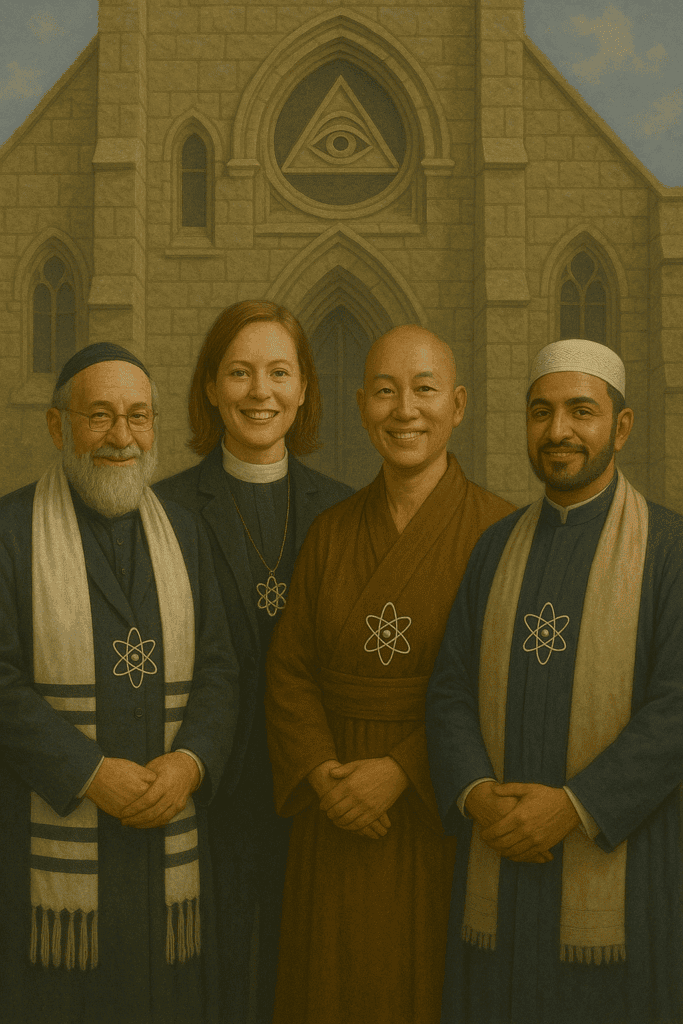
As we face serious global challenges, more and more of humanity is turning to evidence-based solutions, changing the role of traditional religious authority in politics.
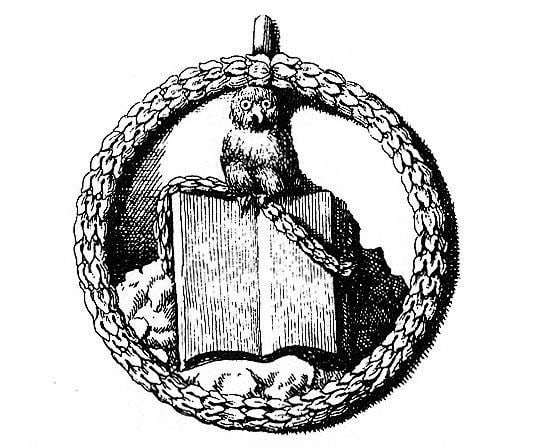
In Part II of this lecture we will make a deeper examination of what kind of philosophies and practices developed within the society after its founding in 1776 by Adam Weishaupt.