The Stoic Worldview and a Modern Guide to Stoicism
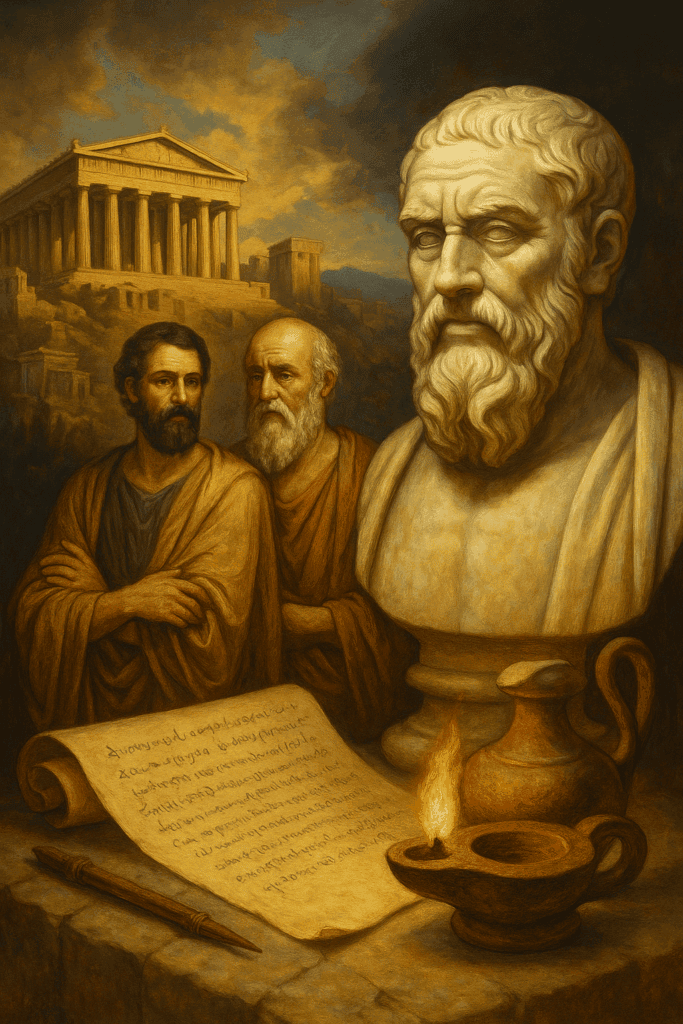
Stoicism is one of the most influential philosophical traditions in Western history, renowned for its emphasis on reason, virtue, and the art of living well in the face of adversity.

Dignity, reason, and moral integrity.
Examine the ethical and civic foundations of secular humanism—where science, compassion, and critical thought shape a wiser future.
Stoicism is one of the most influential philosophical traditions in Western history, renowned for its emphasis on reason, virtue, and the art of living well in the face of adversity.
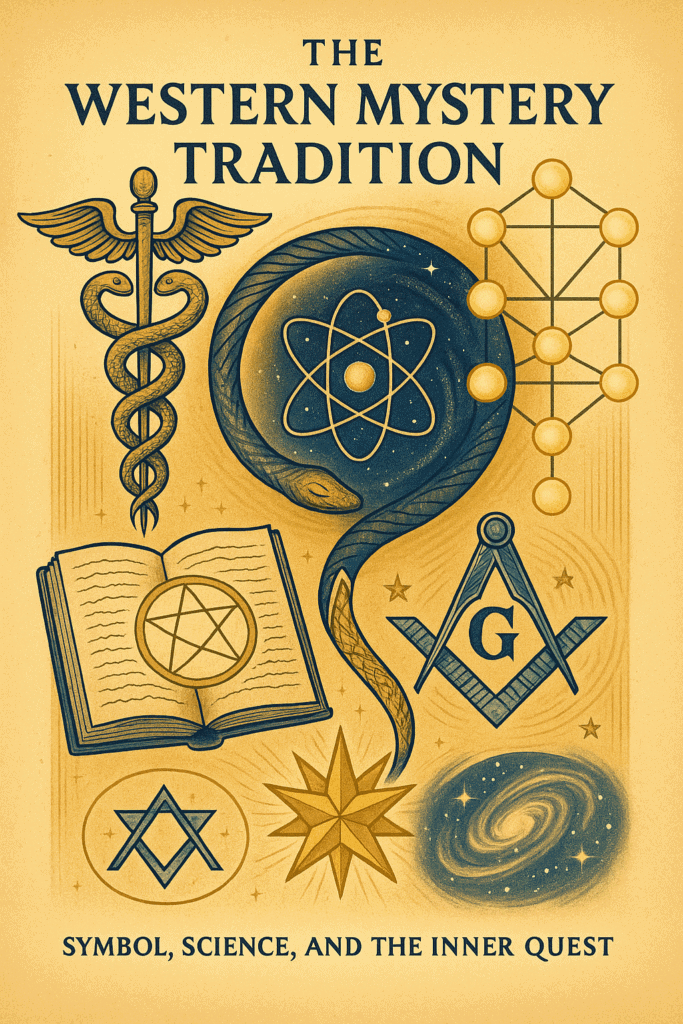
Western esotericism, often referred to as the Western mystery tradition, encompasses a diverse array of spiritual, philosophical, and mystical movements that have developed within Western society.
is a chronologically and thematically organized journey through the world’s philosophical traditions—Eastern and Western, ancient and modern, spiritual and secular.
This article explores death from a broad scientific humanist perspective, integrating insights from medicine, biology, psychology, sociology, and philosophy.
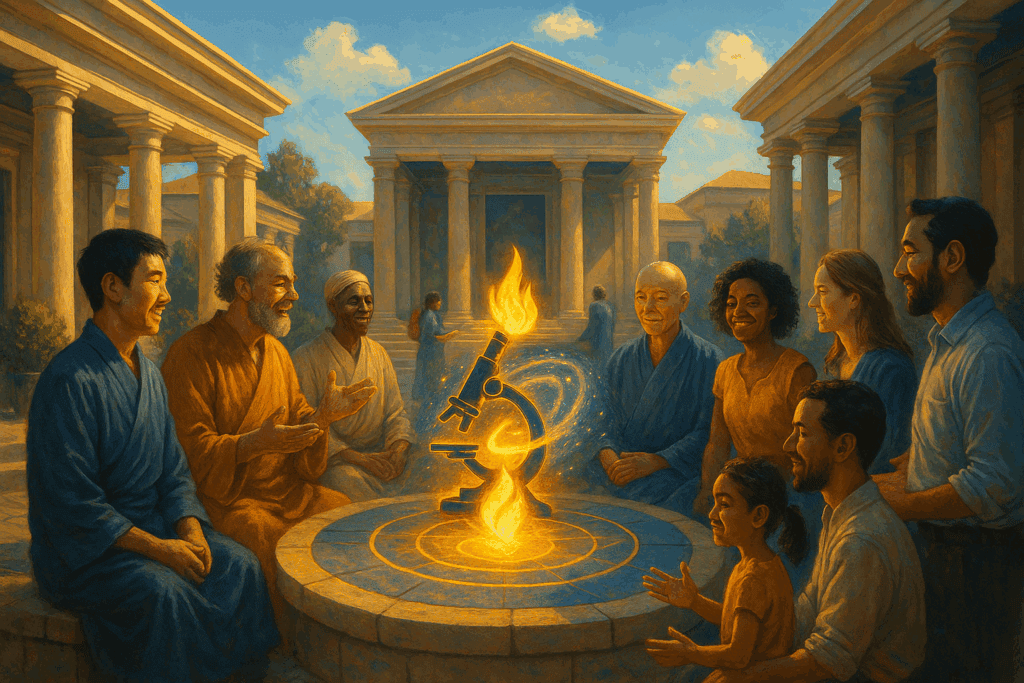
The Zen Master, the Master Mason, and the scientific humanist may use different tools—zafu, square and compasses, or microscope—but all seek the same outcome: a well-built world and a well-formed person.
This article explores the historical evolution, doctrines, architecture, and lived practices of Daoist monasticism.
This article explores the hidden architecture of Confucian monastic life: its moral ideals, educational institutions, meditative practices, and enduring legacy in Chinese culture.
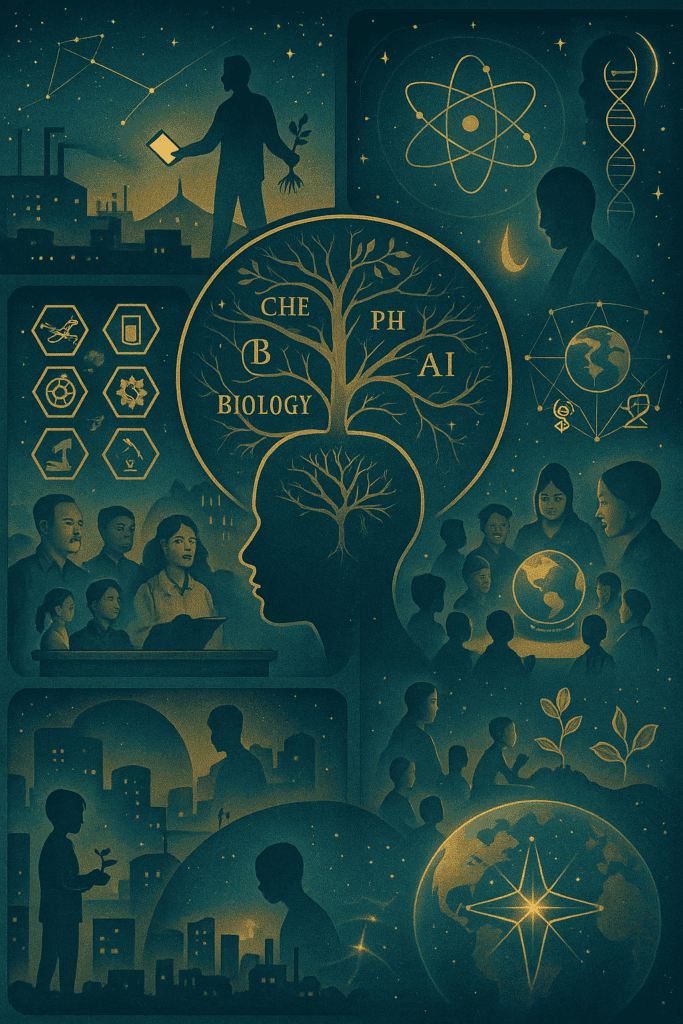
Wisdom and deeper understanding require context—a mental framework to organize the information you gather. Without this foundation, facts remain isolated pieces rather than components of a coherent worldview.
This article explores astrology and divination through the lens of scientific humanism—a worldview that values empirical knowledge, ethical reasoning, and human psychological depth.
While we all have our own ideas, governments, researchers, and healthcare providers also need ways to measure quality of life to make better decisions.
The Science of Wholeness is an integrative philosophical and scientific framework that seeks to understand reality by unifying diverse fields of knowledge—spiritual, philosophical, ethical, and empirical—into a coherent worldview.
The time has come for a bold yet rational vision of governance—a new framework for the global age. A governance rooted not in ideology, tribalism, or outdated nationalism, but in compassion, critical thinking, and shared human values.