
Zen Literature: Essential Reading for the Student of Zen
In these pages, we will follow the unfolding of Zen from its Indian and Chinese foundations to its flowering in Japan and its transmission to the West.
Ancient wisdom, present clarity.
Delve into the esoteric teachings of Daoism, Buddhism, Hinduism, and other Eastern systems of inner transformation and universal order.
In these pages, we will follow the unfolding of Zen from its Indian and Chinese foundations to its flowering in Japan and its transmission to the West.

Chinese Buddhist monasticism is one of the most enduring and transformative religious traditions in East Asia.
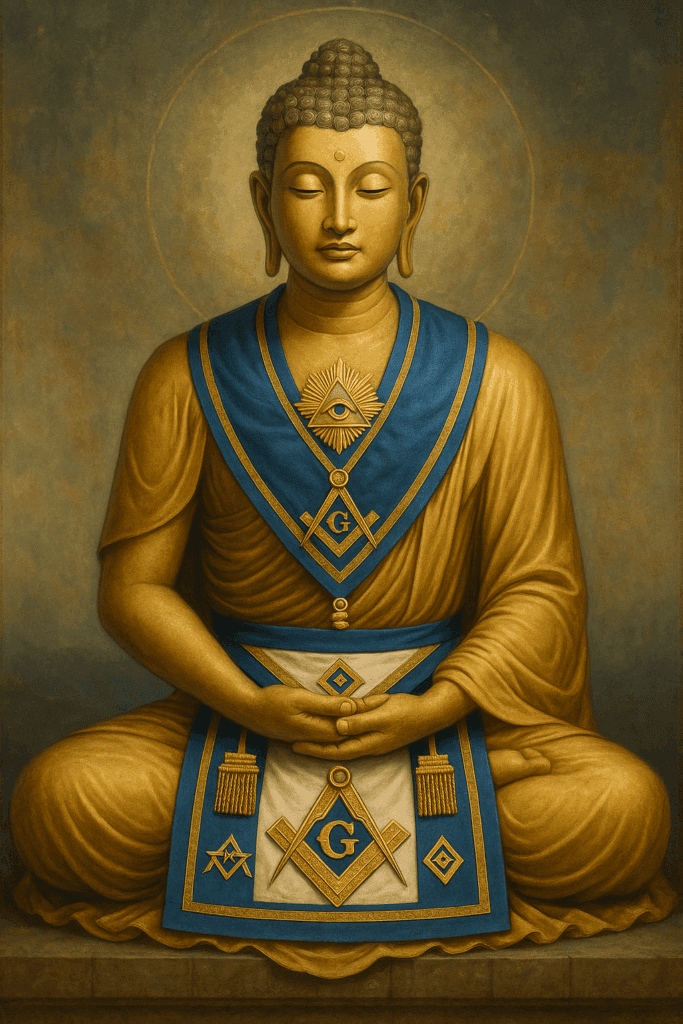
The Zen Master, the Master Mason, and the scientific humanist may use different tools—zafu, square and compass, or microscope—but all seek the same outcome: a well-built world and a well-formed person.
This article explores the historical evolution, doctrines, architecture, and lived practices of Daoist monasticism.
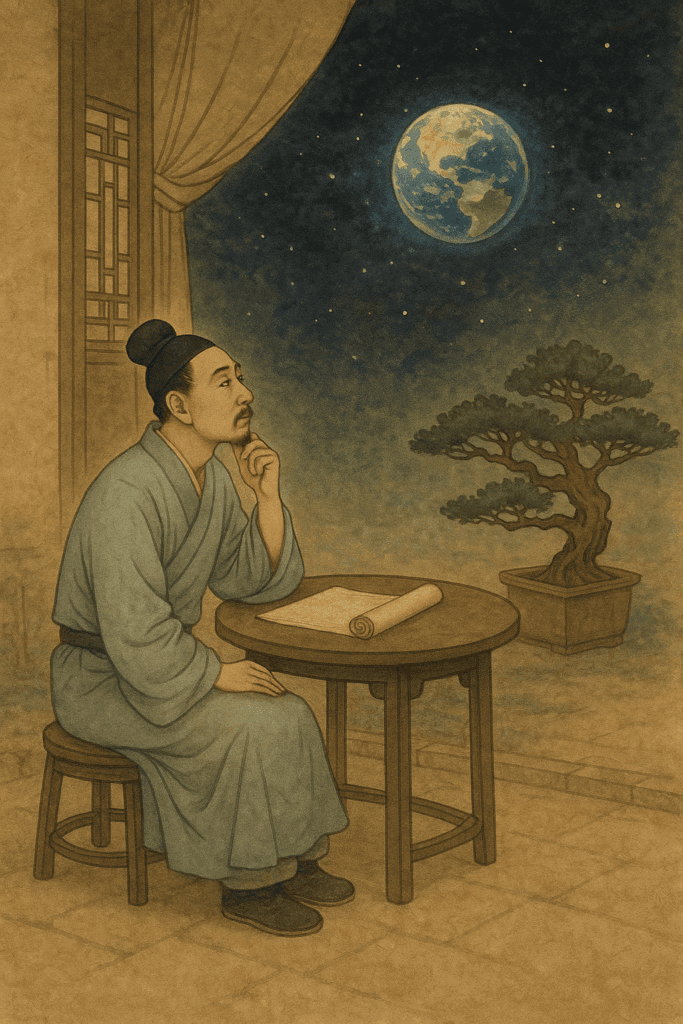
This article explores the hidden architecture of Confucian monastic life: its moral ideals, educational institutions, meditative practices, and enduring legacy in Chinese culture.
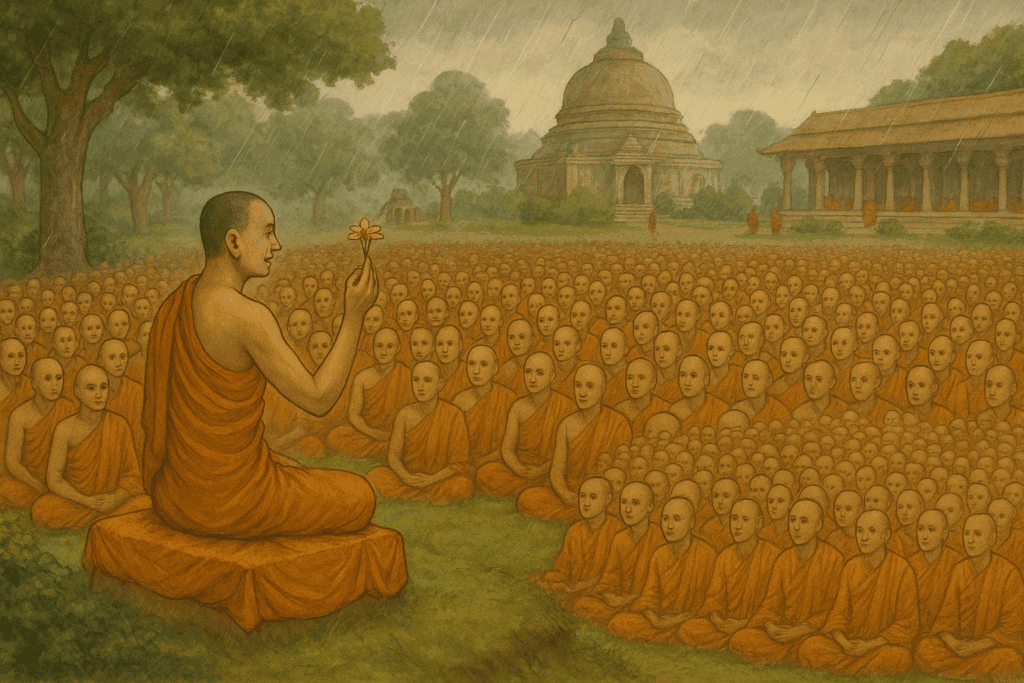
This article traces the delicate thread that links the barefoot sages of ancient India with the Zen monks of Japan, the Christian mystics of the desert, and the Buddhist nuns of today.
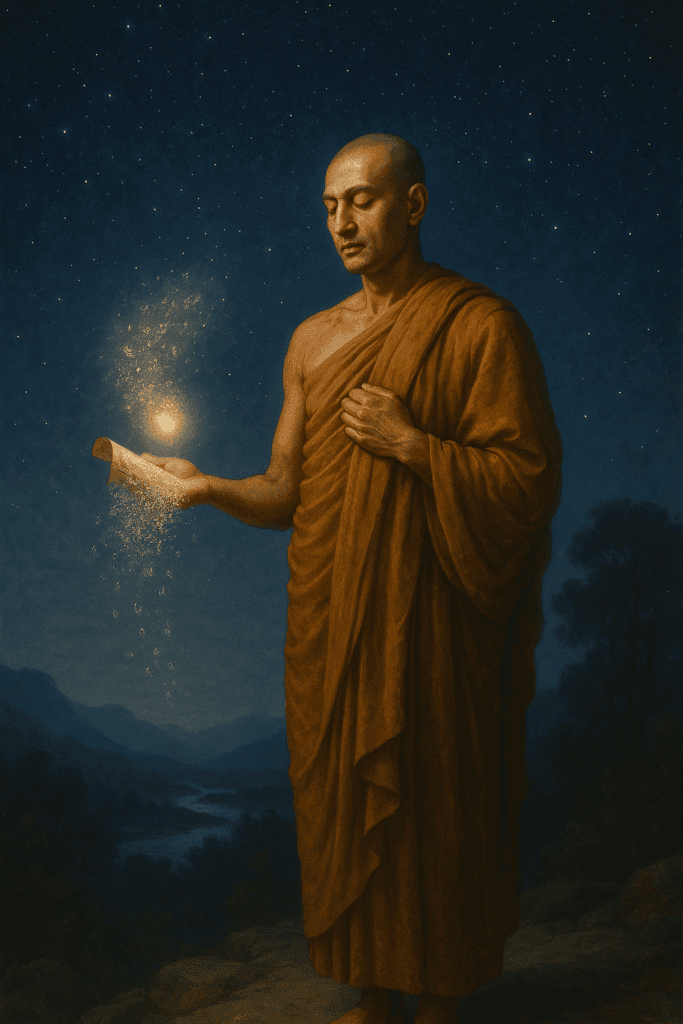
Explore the hidden tradition of Buddhist Alchemy, where ancient spiritual science meets inner transformation.

Conceptions of the spirit have always been diverse. Physical bodies may be conceived of as being mere manifestations of immortal spirits, or gods. Thus gods are simply the forces and elements of nature;
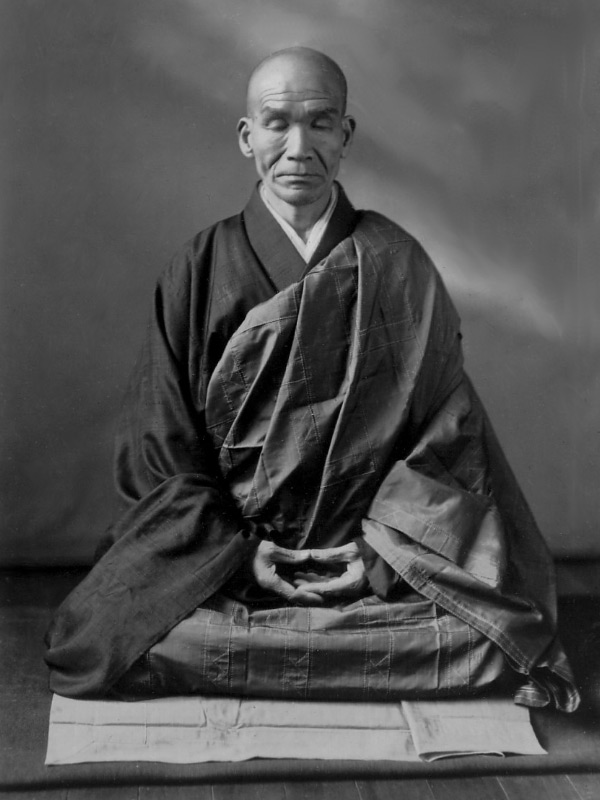
While there are a number of schools of Zen, this article will focus on the Japanese Soto sect teaching of shikantaza, or “just sitting” method of meditation, probably the most straight-forward example of Zen Buddhist meditation.
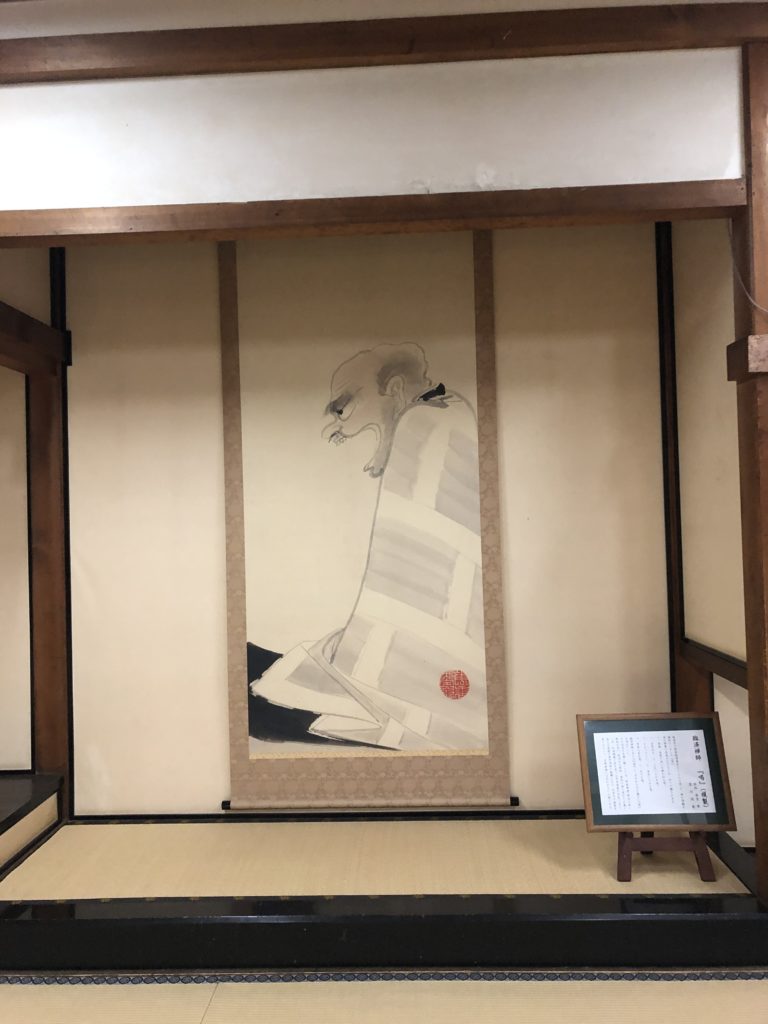
Chinese mystics adopted and adapted Buddhism to their needs, replacing the Indian focus on dharana, or concentration, with Daoist cultivation in meditation. This practice of sitting meditation, known as zuo chan, would eventually flower into Chan Buddhism.
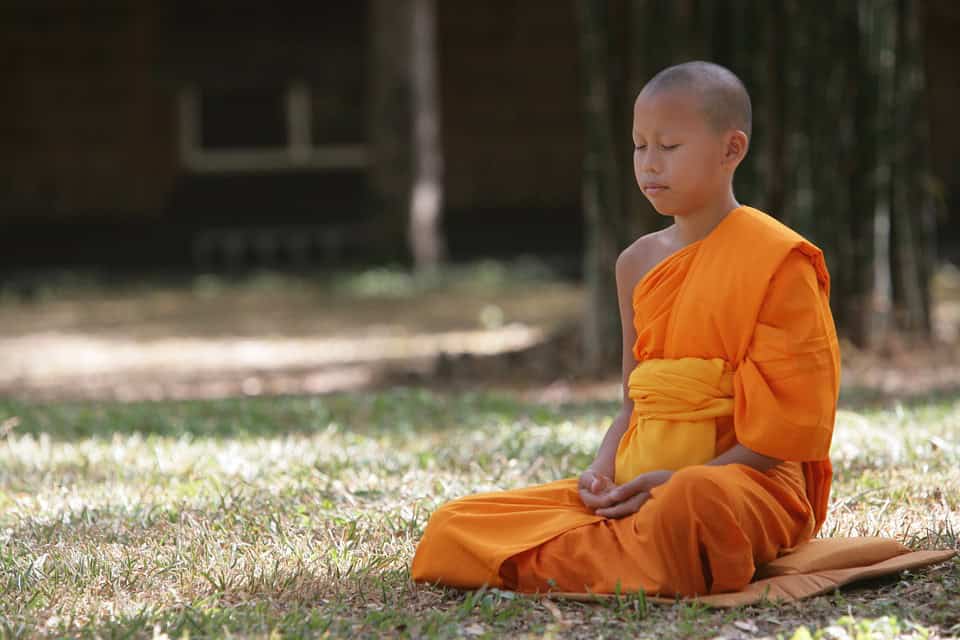
The Buddha’s meditation is a way of life, a religion, rooted in the simple act of sitting calmly and being awake to reality.
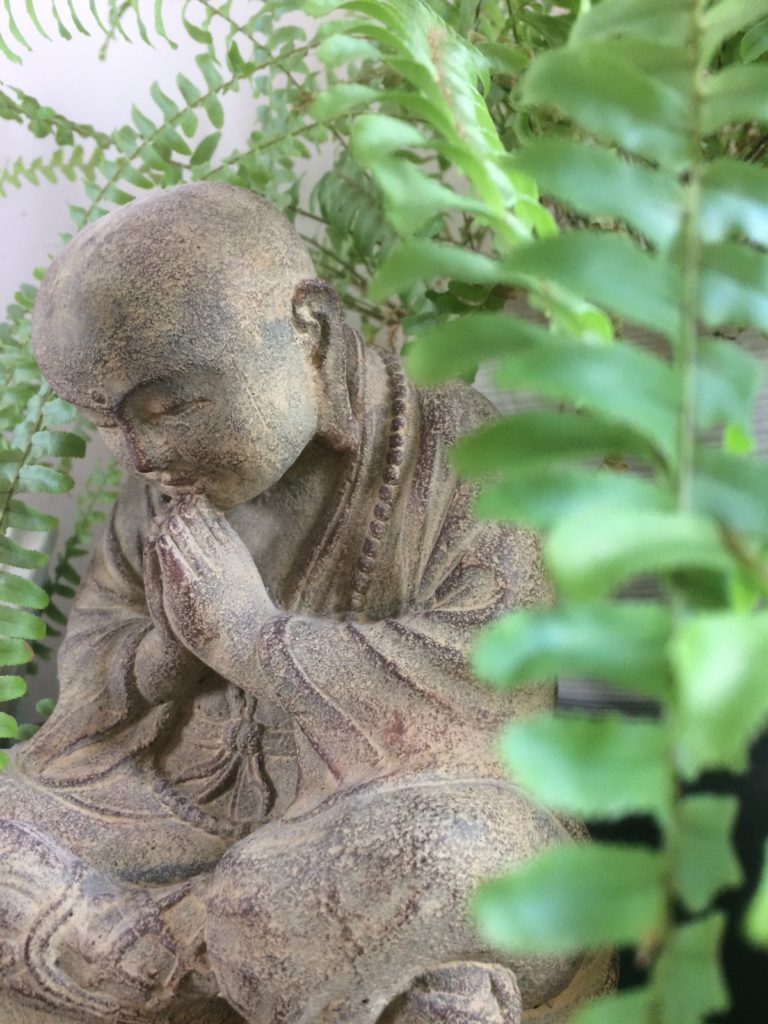
This handbook is a guide to a seated silent meditation, which for the purpose of precise definition, is called Illumination meditation.