
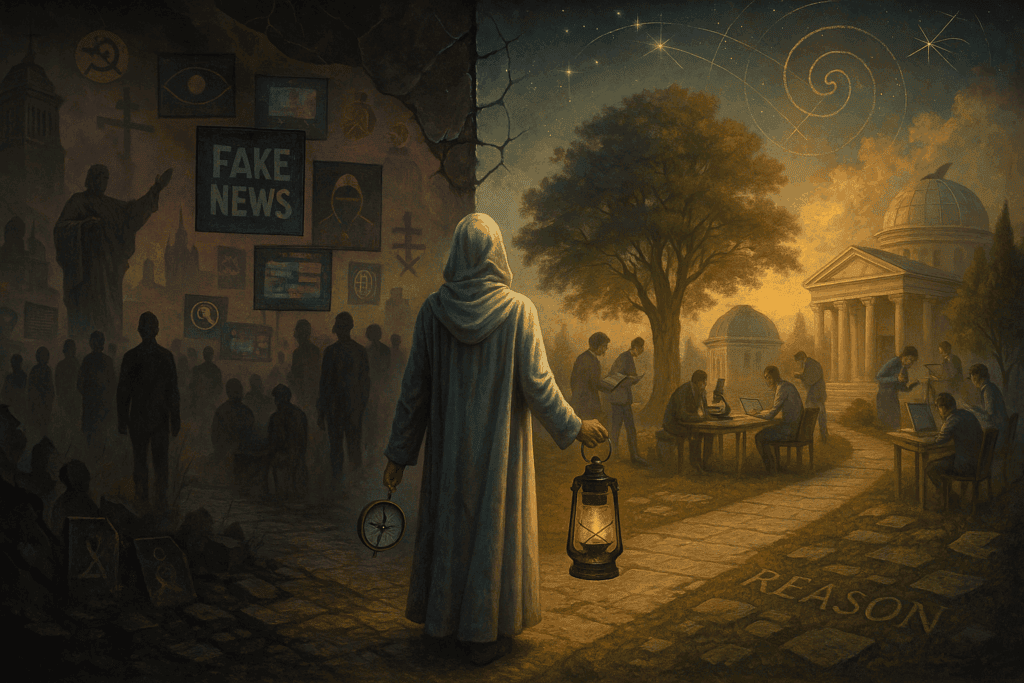
The Hidden Truth: Unbiased Empirical Inquiry in the Age of Intelligence
We will explore how to discern truth from fiction through the tools of unbiased empirical inquiry and critical thinking.

We will explore how to discern truth from fiction through the tools of unbiased empirical inquiry and critical thinking.

This article explores the science, history, and global impact of nuclear power—from its discovery and energy uses to weapons, regulation, and ethics—offering an Integrated Humanist vision for its responsible future.

A sweeping exploration of aviation’s past, present, and future — from ancient myths of flight to the latest aerospace technology — viewed through the lens of science, society, and Integrated Humanism.
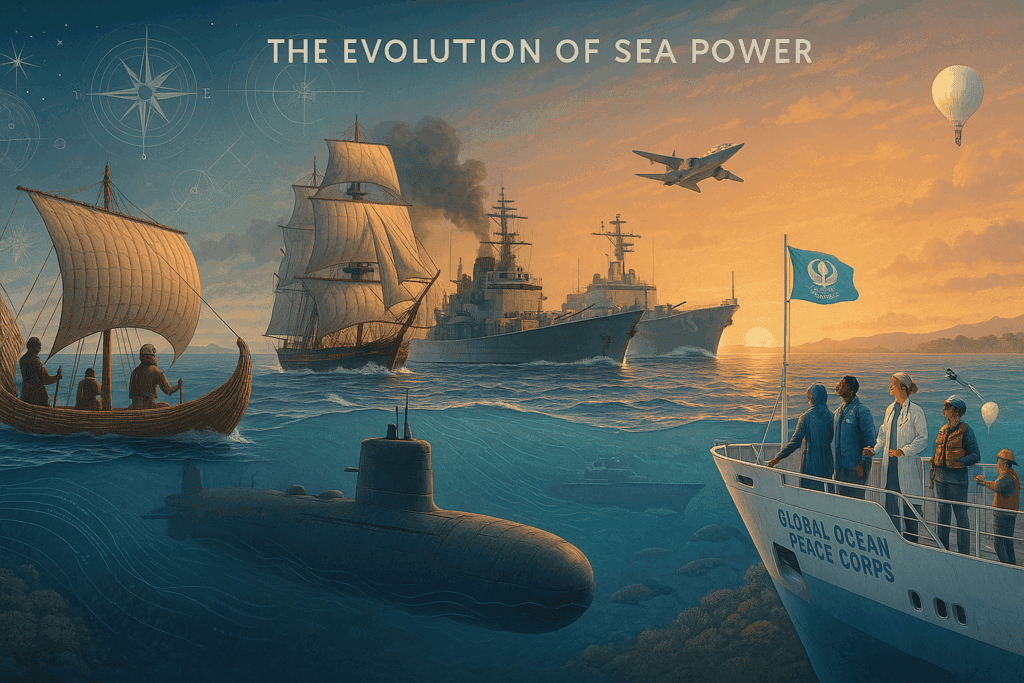
Explore the history, science, and strategy of naval power—from ancient seacraft to modern warships—and discover a humanist vision for peaceful, cooperative stewardship of the world’s oceans.

This article examines civil engineering and infrastructure today—its scientific foundations, technological tools, global challenges, and the guiding vision of Integrated Humanism focused on equity, sustainability, and human dignity.
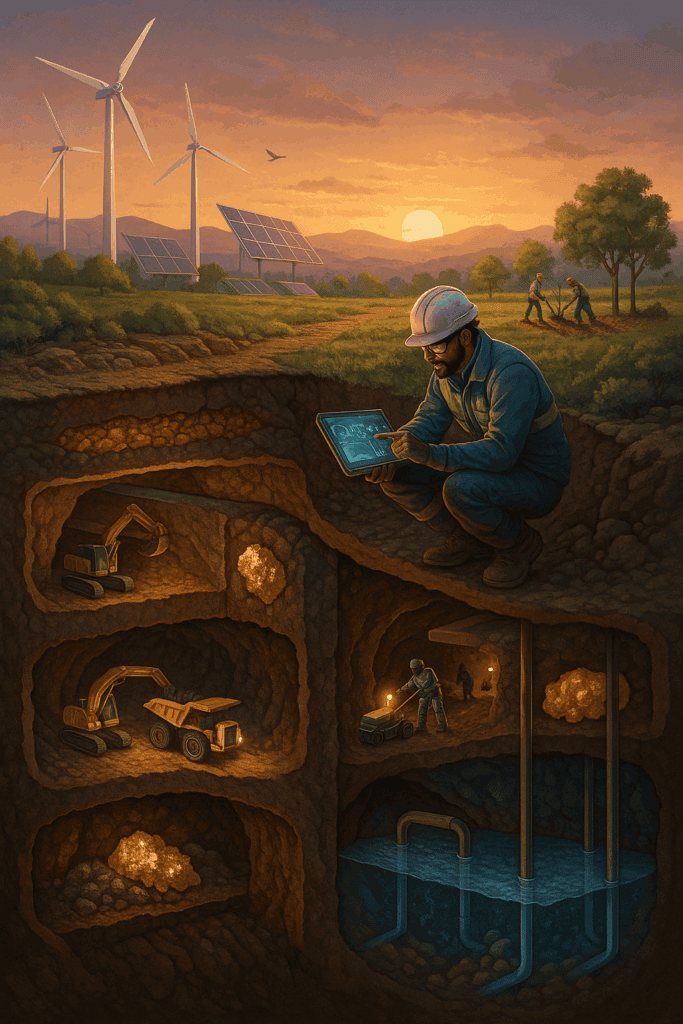
How do we extract the Earth’s resources without destroying the very systems that sustain life? How do we build a future that is materially rich, ethically sound, and ecologically viable?

Development refers to the process by which societies improve the well-being of their members, typically through advances in education, healthcare, infrastructure, technology, governance, and the economy.
Discover the mission and methods of the Neutral Analytical Vigilance Institute (NAVI), a global initiative dedicated to independent, science-based intelligence and strategic oversight in the Age of Information Warfare.
Explore the history, technology, and future of Artificial Intelligence in this comprehensive article on AI’s global impact. Learn how AI can serve truth, peace, and independent intelligence through the visionary role of the Neutral Analytical Vigilance Institute (NAVI).

This article traces the journey from Siddhartha to Bodhidharma, to Dōgen and mountain monasteries, to urban zendos and American homes.
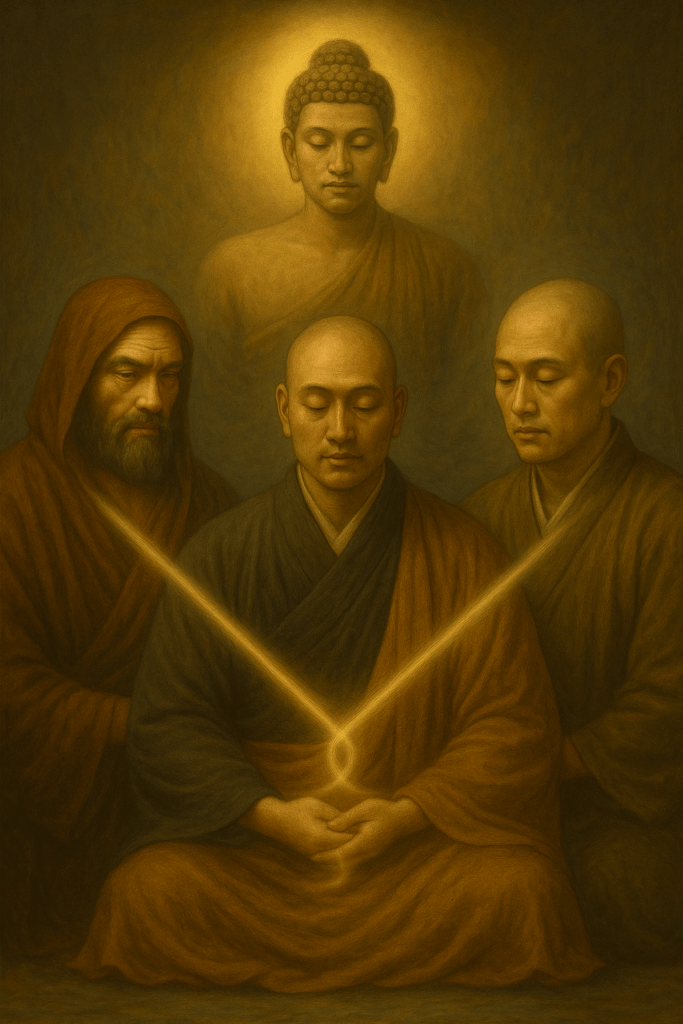
Sōtō Zen was born from a deep current of wisdom that flows from India through China to Japan, shaped not by conquest or proclamation, but by the gentle, steadfast practice of sitting in silence.

Explore how the structure of the universe and the foundations of morality arise from the same relational laws. This powerful integration of science, ethics, and philosophy reveals a universal moral compass grounded in the fabric of reality.