Medieval Alchemy: Between Monastery and Laboratory
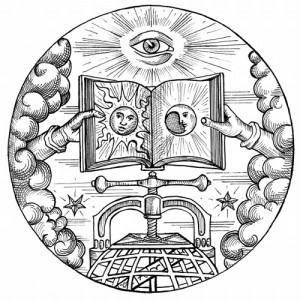
The Great Work of the medieval alchemist, in emulation of the “Great Architect,” was to unite the divine opposites, macrocosm and microcosm, to produce a unified and balanced whole.
Explore the legacy of the Muslim alchemists who preserved and transformed ancient alchemical knowledge, blending science, mysticism, and innovation in the Islamic Golden Age.
I found it strange that in my research I found no short, simple introduction to the first known alchemists in the Western world.
This article offers a concise introduction to the intertwined history of magic, alchemy, science, and religion.
This article traces alchemy’s evolution from the mystery schools of Egypt and Greece to the laboratories of medieval Europe, exploring how early thinkers sought to unite material and spiritual transformation, blending sacred rites, symbolic language, and empirical observation.
Daoist magicians used the elements and processes of the science of chemistry as symbols in their visualizations, which were preparations for meditation leading to the “embracing the One” of Laozi.
Ancient Indian alchemy began with the Vedas, developed with yoga, and blossomed into Tantra.
The Royal Art, known technically as symbolic or speculative alchemy, is the art of eternal transformation. In illumined circles it is the art of doing nothing.
This article explores the history, technologies, and philosophical stakes of space exploration—from ancient skywatchers to modern space stations.
Life is not an anomaly within the universe. It is a chapter in the story of the cosmos itself, written in hydrogen, oxygen, and carbon. And Earth, cradled in a quiet corner of a galaxy, became the setting for the emergence of self-organizing complexity, and eventually, consciousness itself.
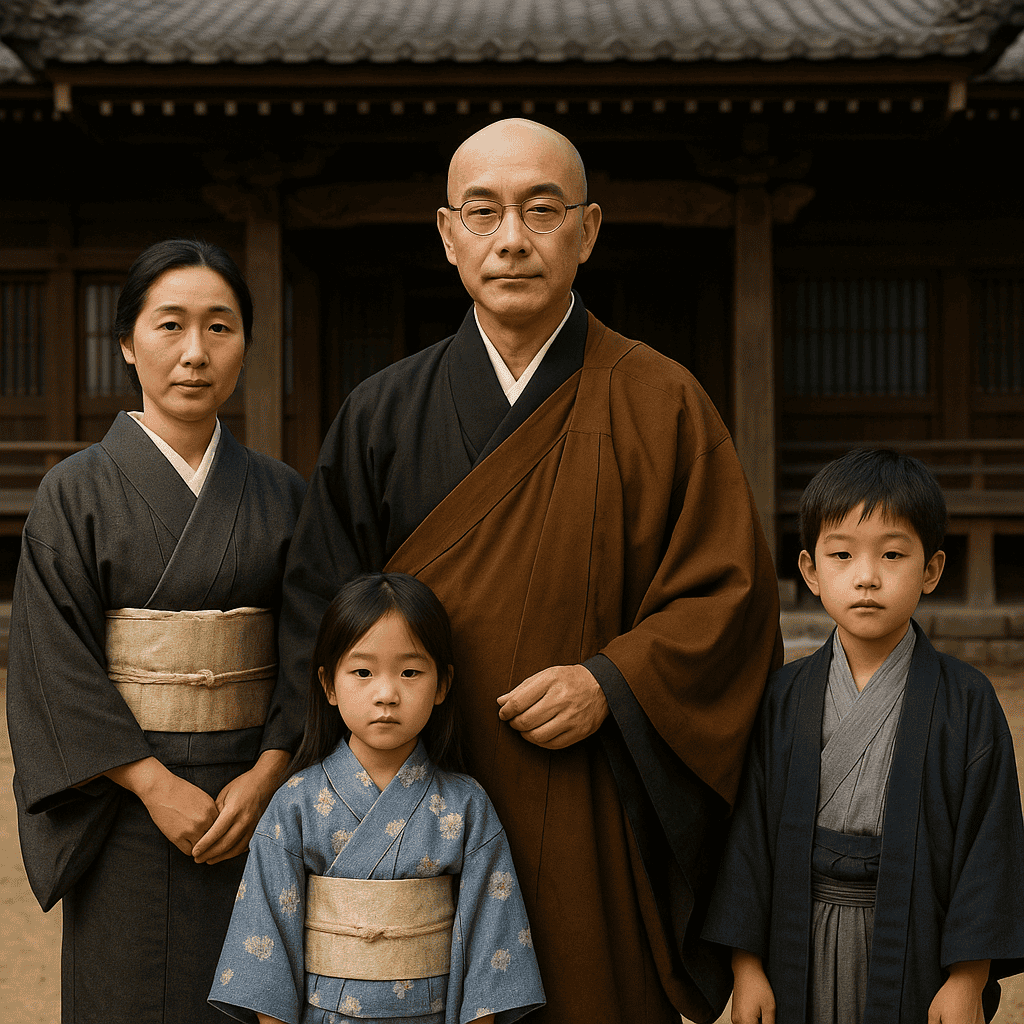
This article follows the story of Chan from its earliest roots in India and Daoist China, through its flowering in Tang and Song dynasties, and outward into the temples, poetry, and practices of East Asia.
This essay is an invitation to rediscover morality not as a command from above or a whim of culture, but as a living science: one that evolves, adapts, and integrates knowledge from across the human experience.