
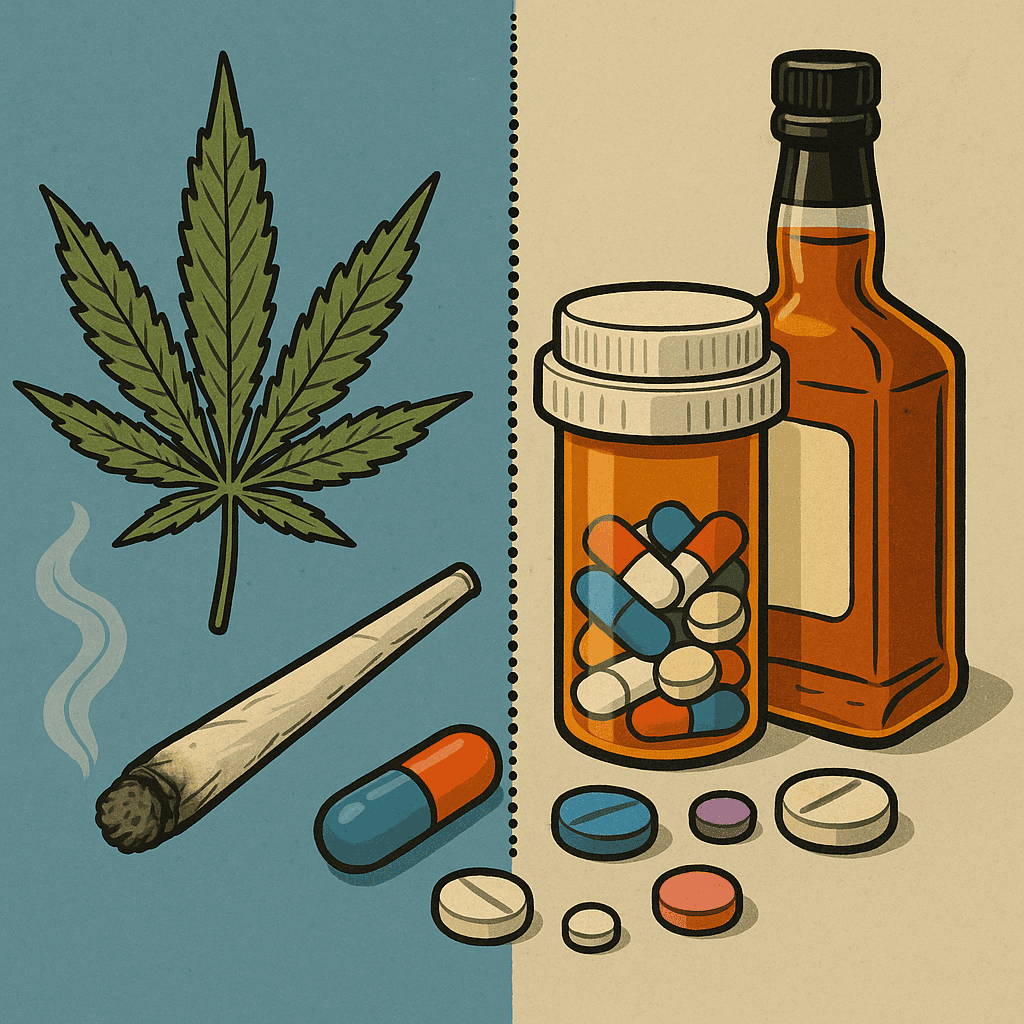
The Science of Drugs and a New Framework to Classify Drugs by Science
This article explores the science behind drugs—what they are, how they work, and why they affect us so deeply. What could a smarter, fairer drug policy look like?
Where Thought Meets Culture, and Data Illuminates Meaning.
Exploring the Psychological, Cultural, and Social Dimensions of Human Life.
This article explores the science behind drugs—what they are, how they work, and why they affect us so deeply. What could a smarter, fairer drug policy look like?
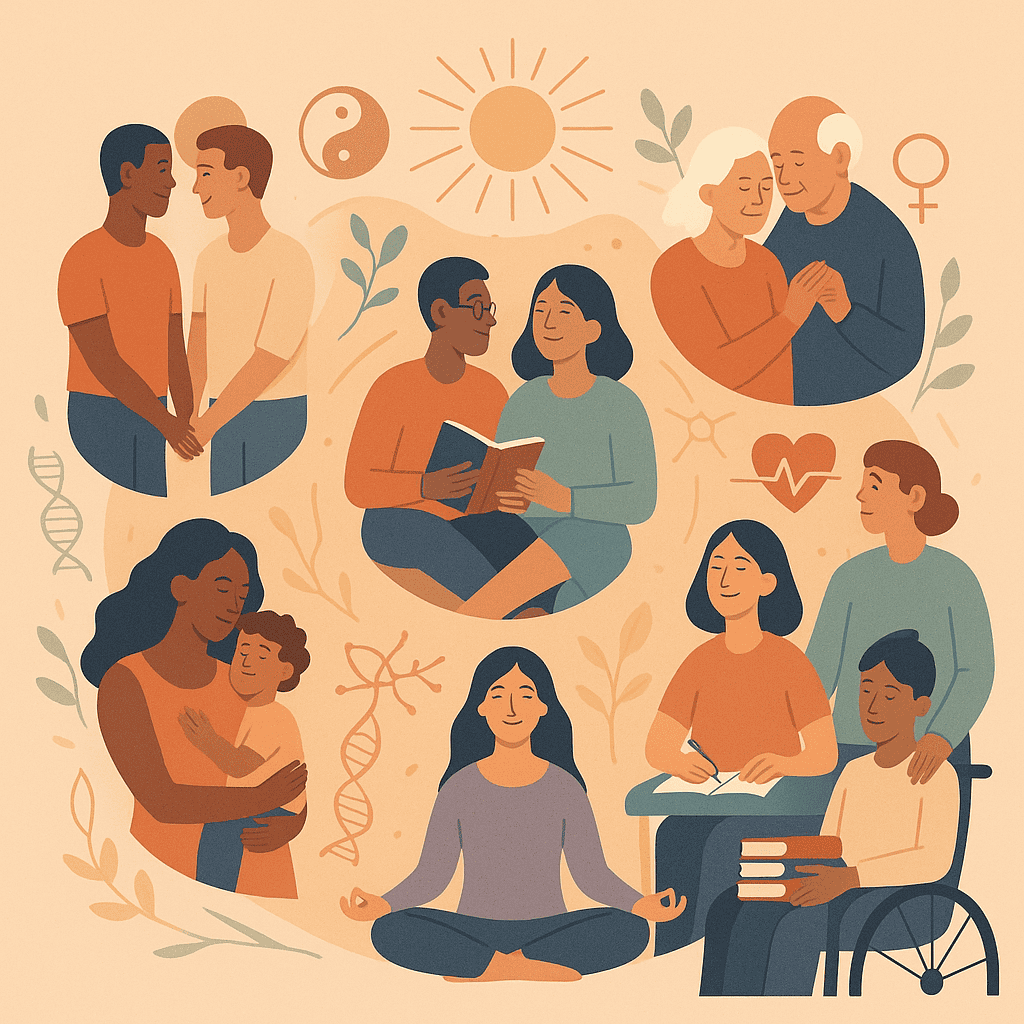
Sex is not just biology. It is identity, emotion, connection, pleasure, vulnerability, and creativity. It is tied to reproduction, but it is also a fundamental part of human bonding and well-being. To talk about sex honestly and responsibly is to affirm something deeply human.
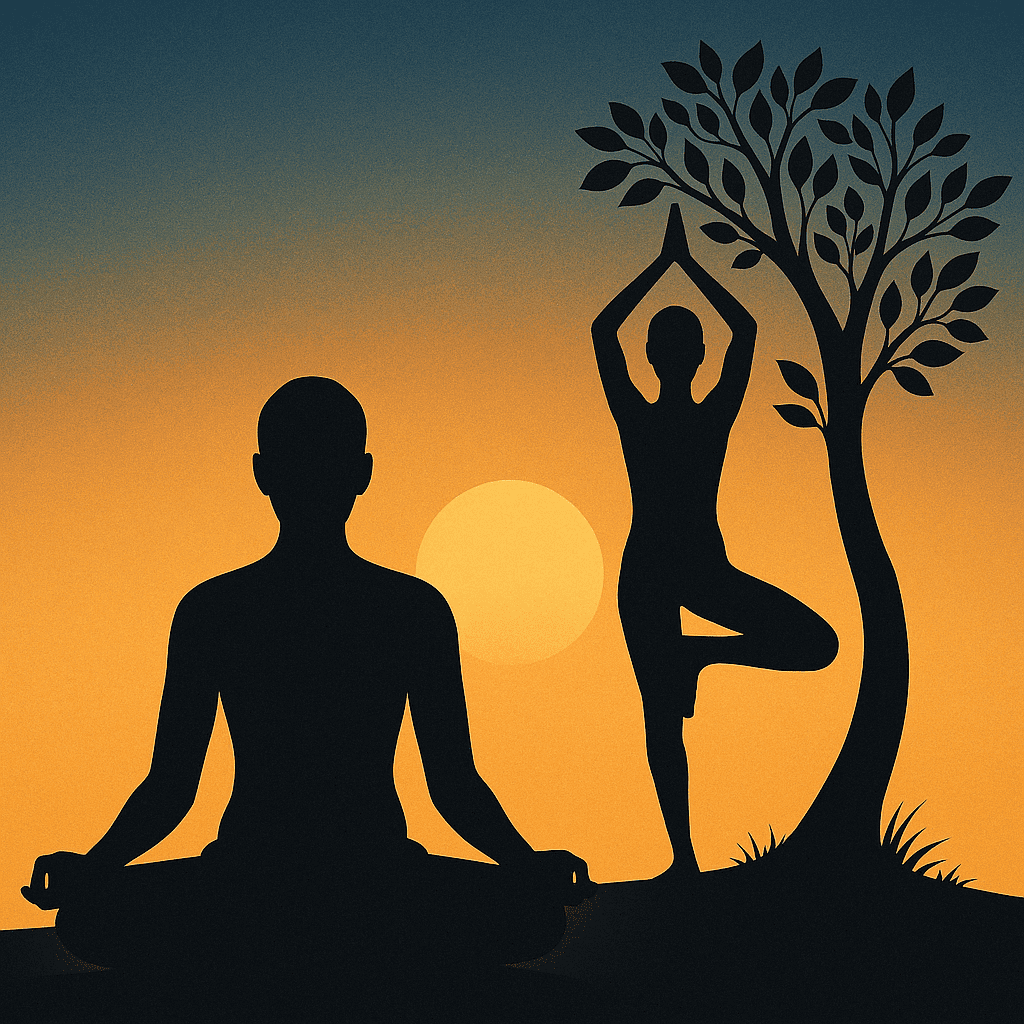
In this article, we explore two distinct yet overlapping traditions: Yoga, with its ancient Indian origins and comprehensive mind-body-spirit framework, and Transcendental Meditation, a 20th-century method rooted in Vedic philosophy but streamlined for modern use.
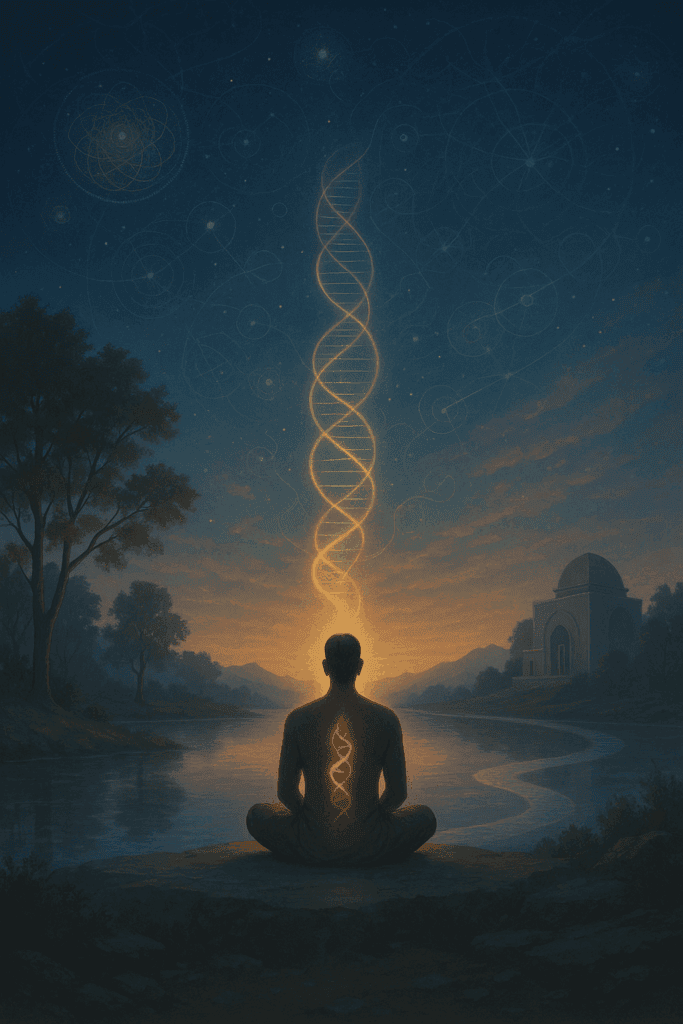
Drawing from psychology, neuroscience, public health, and cultural studies, this article surveys key findings in the growing body of scientific research on spirituality and its impact on both individuals and society.
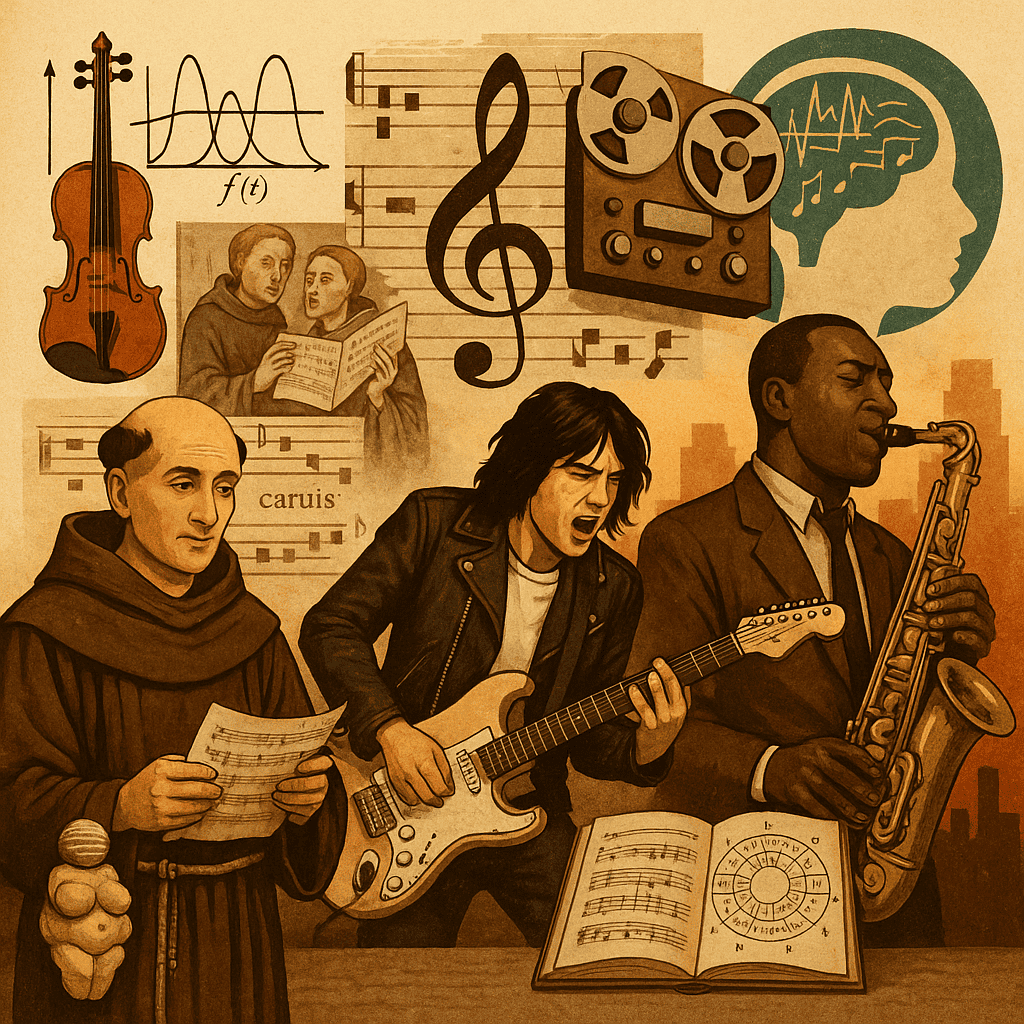
Behind the beauty of a song or the power of a symphony lies a complex web of ideas, traditions, technologies, and psychological responses. Understanding this complexity is the work of musicology, the scientific and scholarly study of music.
In this article, we will explore the origins of Schema Therapy, its relationship to CBT, the nature of schemas and attachment, and offer a complete guide to the 18 Early Maladaptive Schemas and how to heal them.
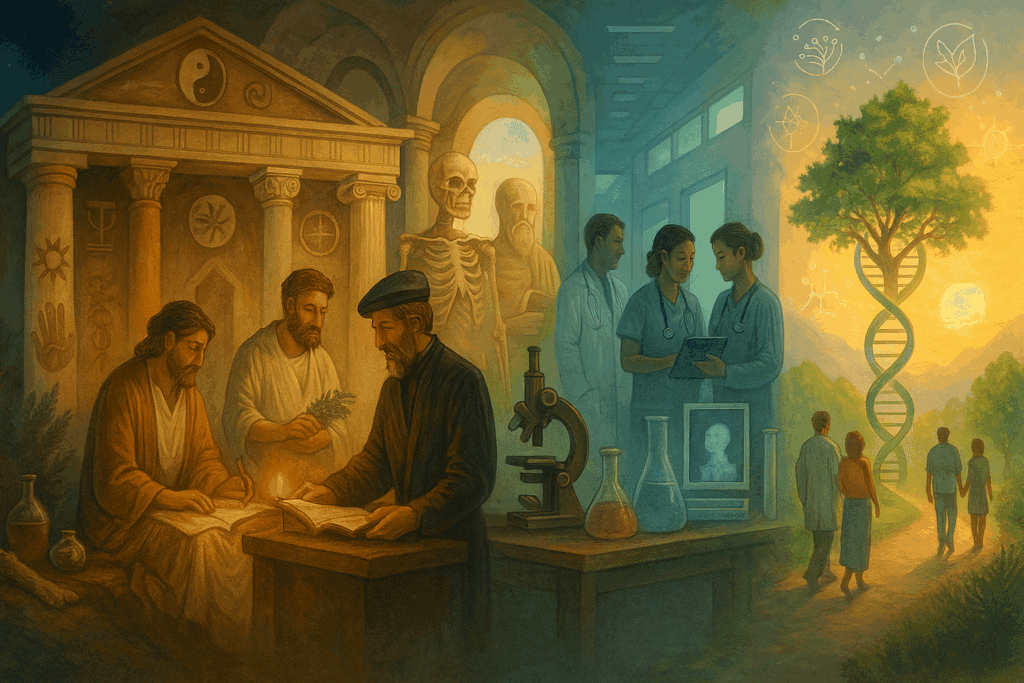
From tribal rituals to telescopic diagnostics, from herbs and humors to AI and immunotherapy, we will trace how our species has sought to care for the body, uplift the mind, and make sense of suffering.

This article traces the mutual shaping of religion and politics from antiquity to the present, revealing how beliefs influence ballots, and how law influences belief.
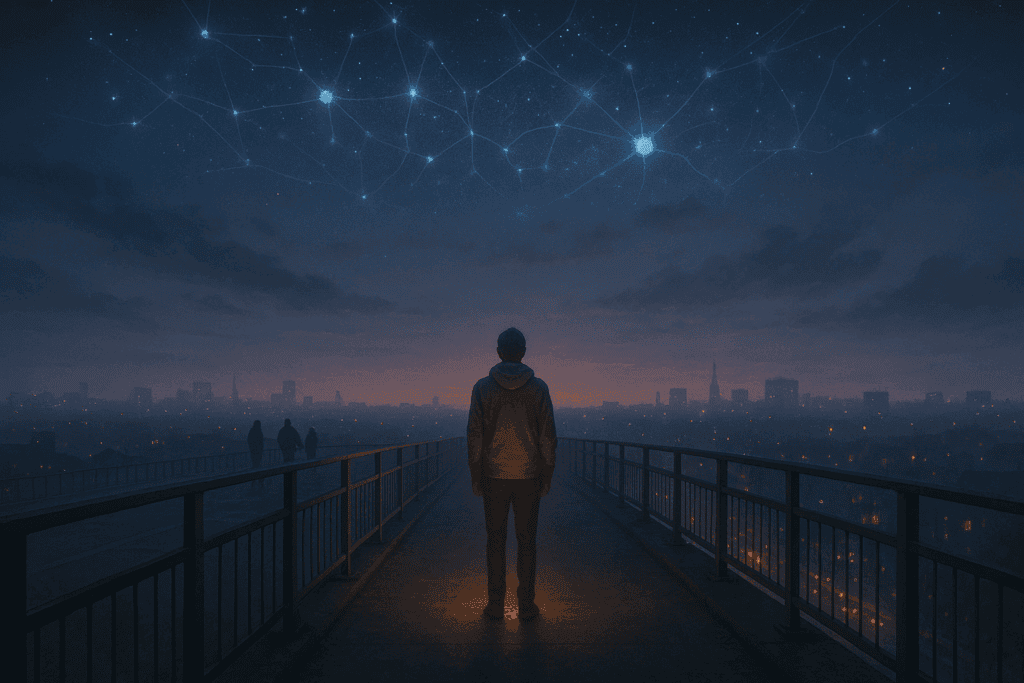
In this article, we explore the science of loneliness: what it is, how it works, why we fear being alone yet struggle with relationships, and what neuroscience, psychology, and human wisdom reveal about healing this hidden wound.
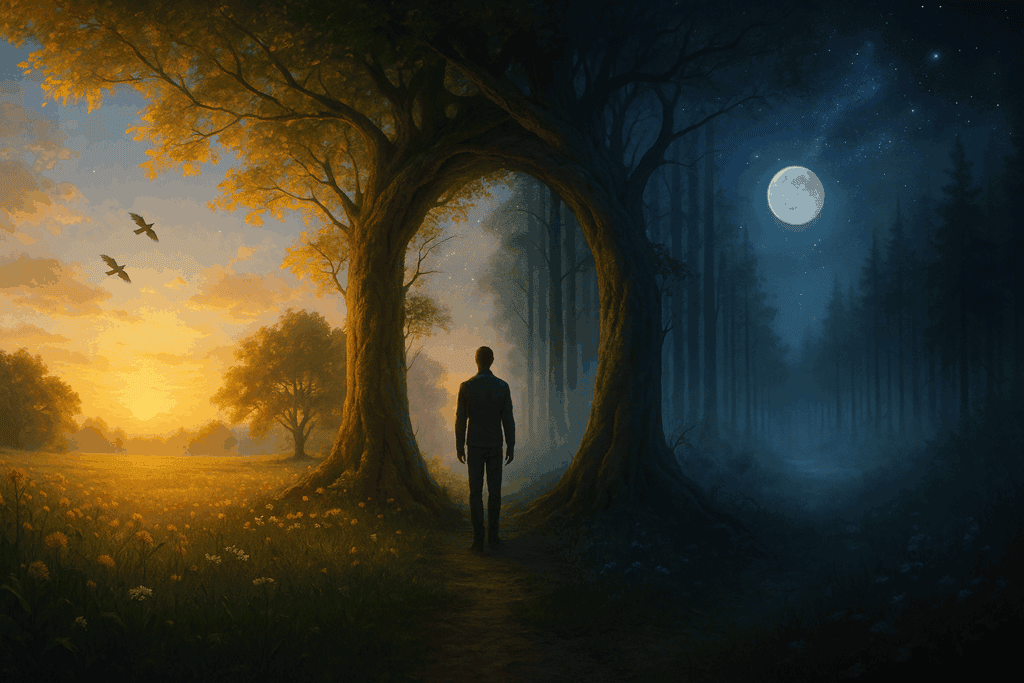
This article explores death from a broad scientific humanist perspective, integrating insights from medicine, biology, psychology, sociology, and philosophy.
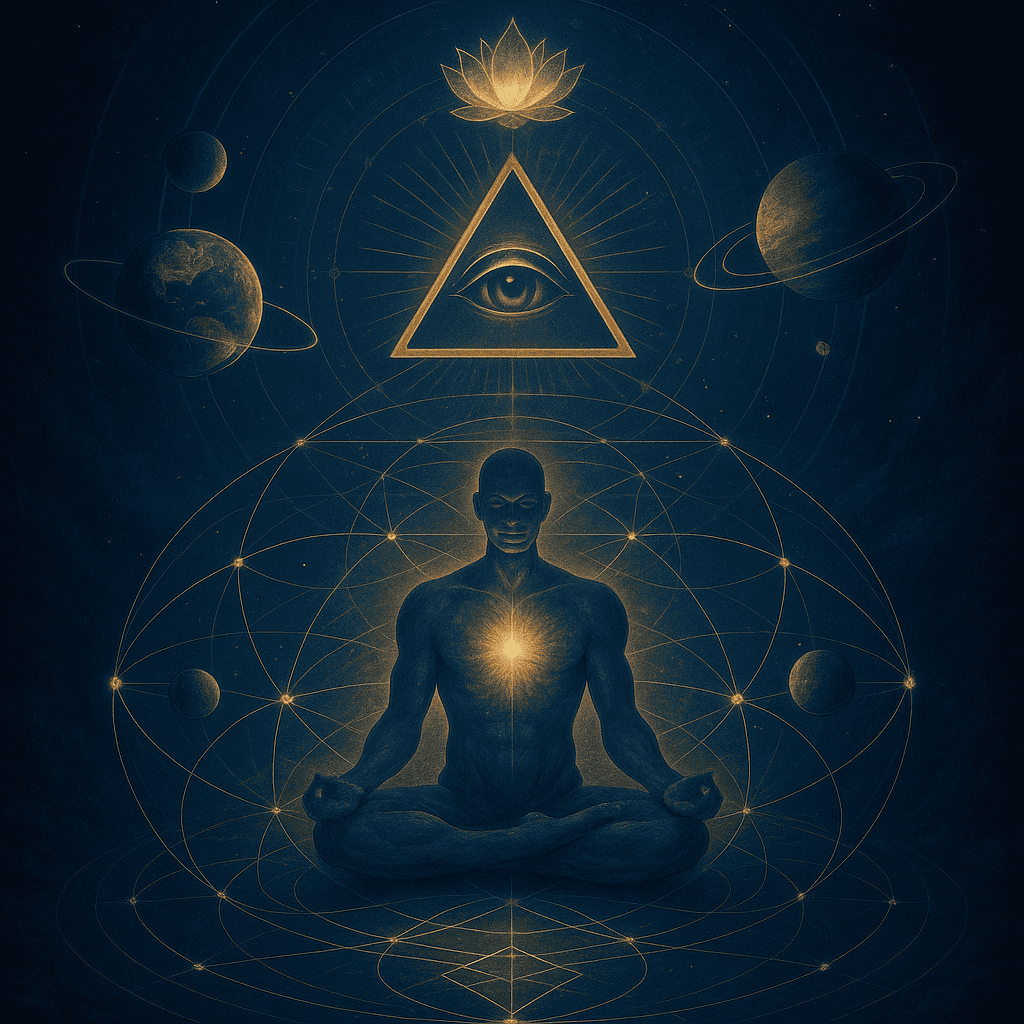
In the sections that follow, we will explore the foundations and training of mental strength from a scientific humanist perspective.
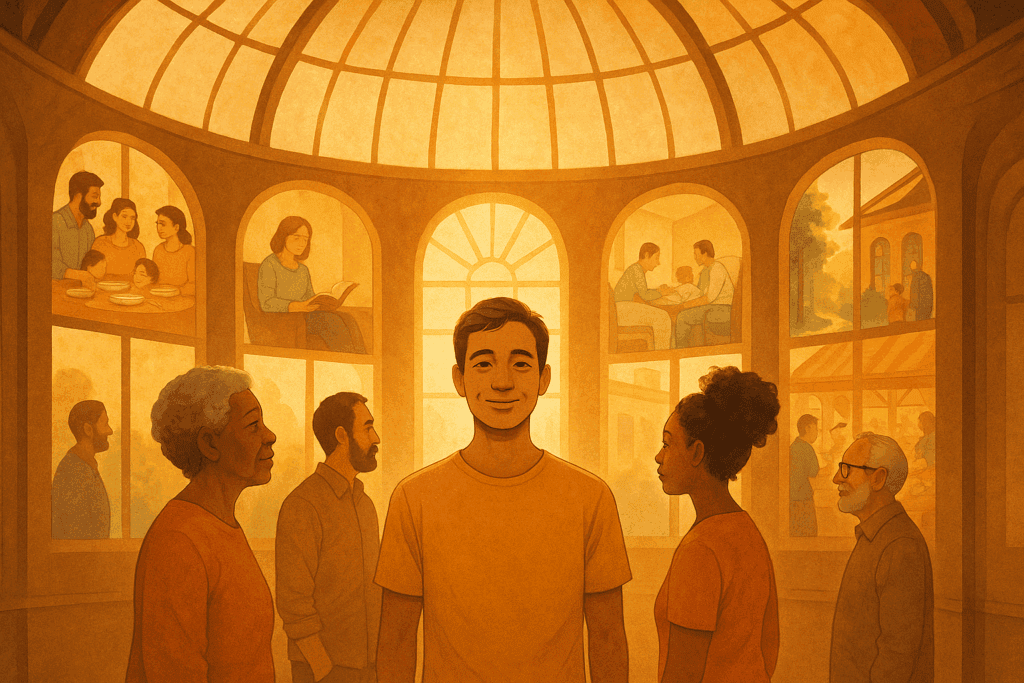
While we all have our own ideas, governments, researchers, and healthcare providers also need ways to measure quality of life to make better decisions.