
Zen’s Founding Scripture
explore the founding scriptures — the Lankavatara Sutra, the Outline of Practice, and Trust in Mind — through which the Chan spirit first found its voice.
The Love of Wisdom — Ancient Questions, Living Answers
Engage with the great questions of existence, reason, and justice—through classical texts, modern analysis, and interdisciplinary dialogue.
explore the founding scriptures — the Lankavatara Sutra, the Outline of Practice, and Trust in Mind — through which the Chan spirit first found its voice.
In these pages, we will follow the unfolding of Zen from its Indian and Chinese foundations to its flowering in Japan and its transmission to the West.

This handbook, The Science of Wholeness, is an interdisciplinary synthesis designed to bridge the realms of science, philosophy, and spirituality.
Stoicism is one of the most influential philosophical traditions in Western history, renowned for its emphasis on reason, virtue, and the art of living well in the face of adversity.
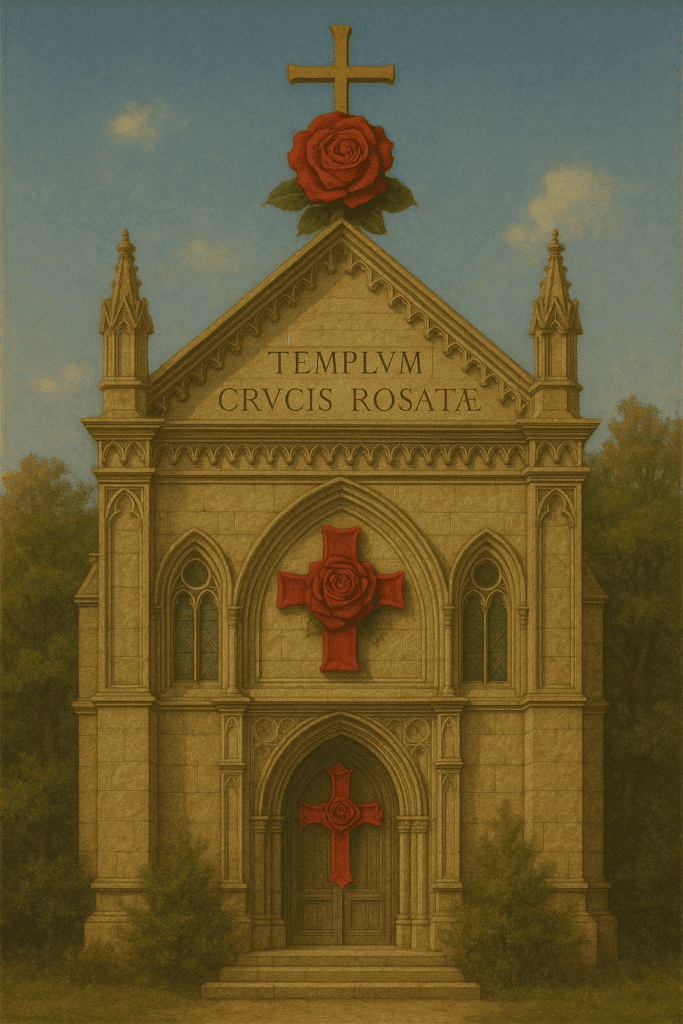
The Rosicrucian Movement, based on a system of Christian alchemical mysticism, embodied many aspects of the Renaissance Hermetic-Kabbalistic tradition.
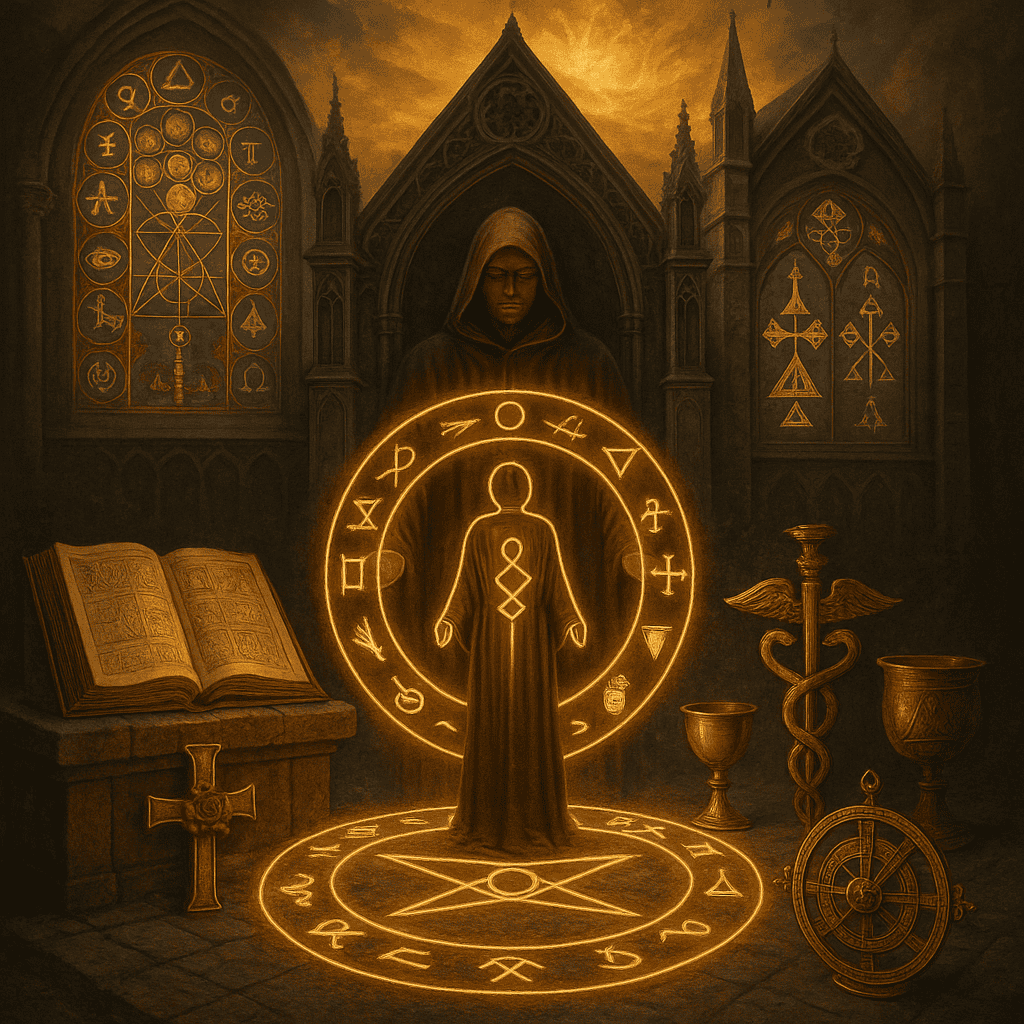
The eight interconnected systems within the Western Mystery Tradition are: the ancient Mysteries, Neoplatonism, Hermetic philosophy, symbolic alchemy, Kabbalah, early and Renaissance magic, Rosicrucianism, Freemasonry and related fraternal organizations.
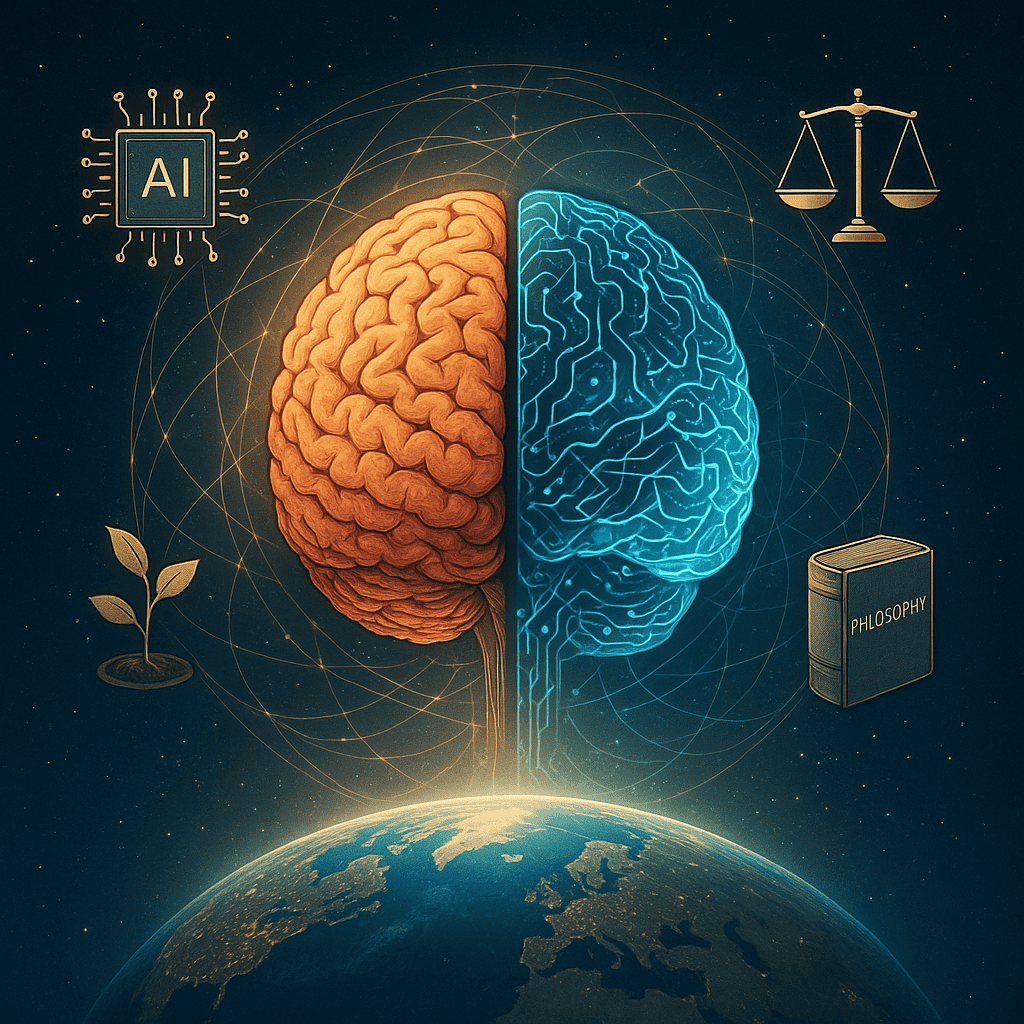
is a chronologically and thematically organized journey through the world’s philosophical traditions—Eastern and Western, ancient and modern, spiritual and secular.

This article explores death from a broad scientific humanist perspective, integrating insights from medicine, biology, psychology, sociology, and philosophy.
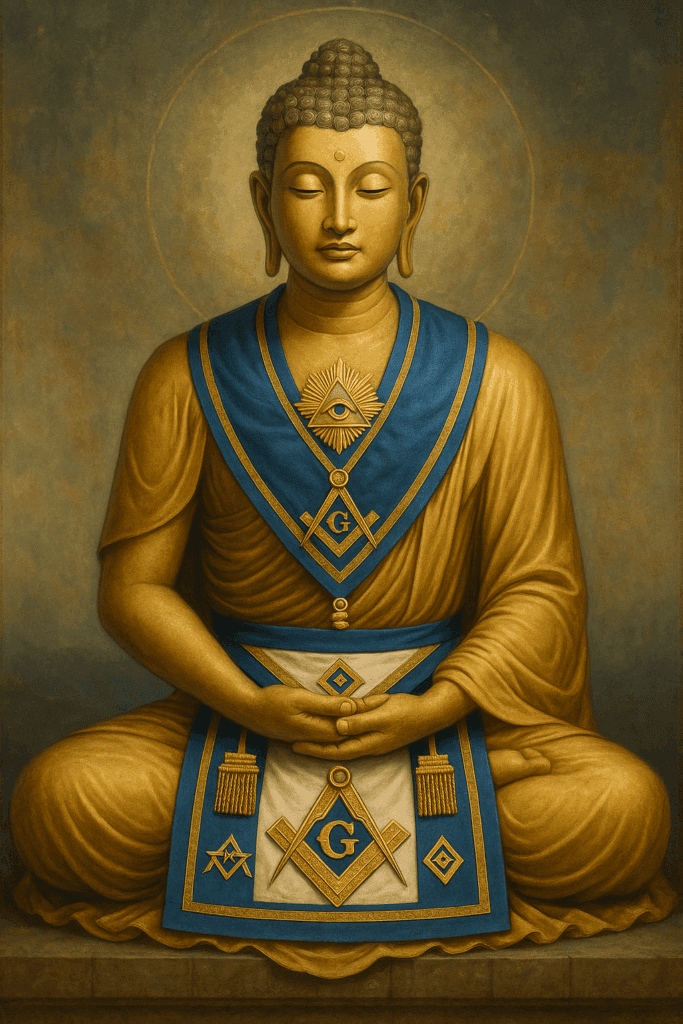
The Zen Master, the Master Mason, and the scientific humanist may use different tools—zafu, square and compass, or microscope—but all seek the same outcome: a well-built world and a well-formed person.
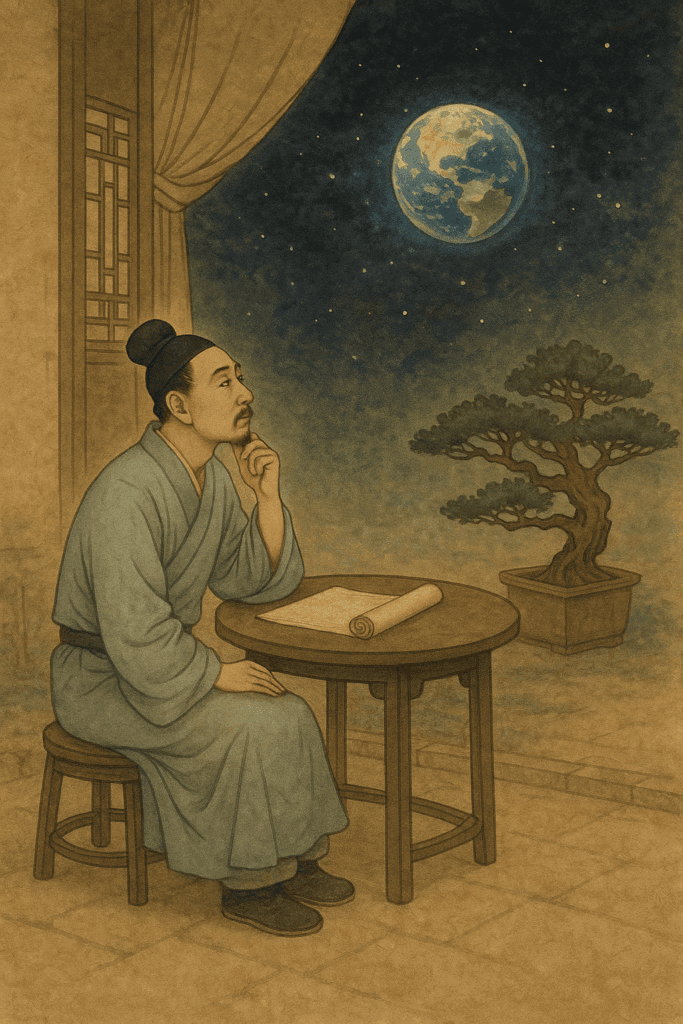
This article explores the hidden architecture of Confucian monastic life: its moral ideals, educational institutions, meditative practices, and enduring legacy in Chinese culture.
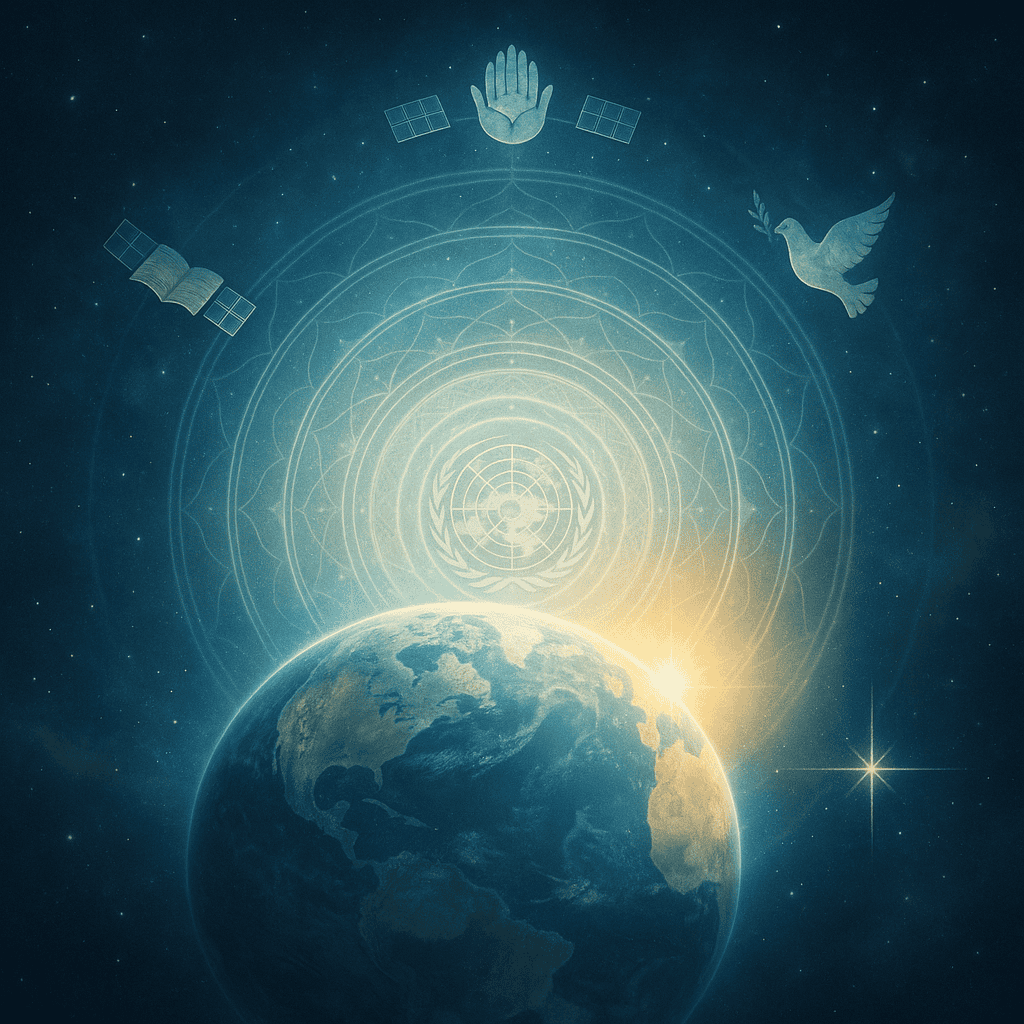
Wisdom and deeper understanding require context—a mental framework to organize the information you gather. Without this foundation, facts remain isolated pieces rather than components of a coherent worldview.

Symbolic alchemy and the liberal arts comprised the holistic worldview at the foundation of Freemasonry and modern science and they are just as necessary today.