

Humans and the Environment: Population in Ecological Perspective
Explore how human population growth impacts ecosystems, resource use, and sustainability: a critical look at population dynamics through an ecological lens.

How We Live Together — Conscience, Culture, and Civic Life
Examine the moral foundations of a just society—through science, philosophy, and real-world challenges at the intersection of human values.
Explore how human population growth impacts ecosystems, resource use, and sustainability: a critical look at population dynamics through an ecological lens.

Overpopulation has a negative impact on many facets of life. The most obvious and pressing considerations are: the environment, space, clean water, food supply, medical resources, mental health, crime and various types of societal conflict.
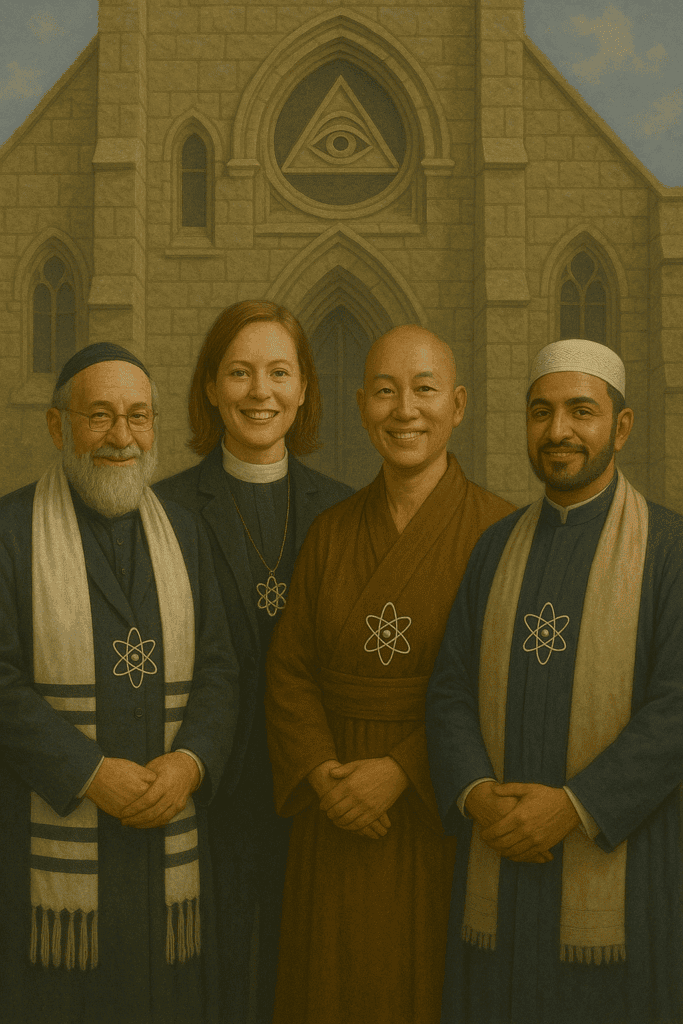
As we face serious global challenges, more and more of humanity is turning to evidence-based solutions, changing the role of traditional religious authority in politics.
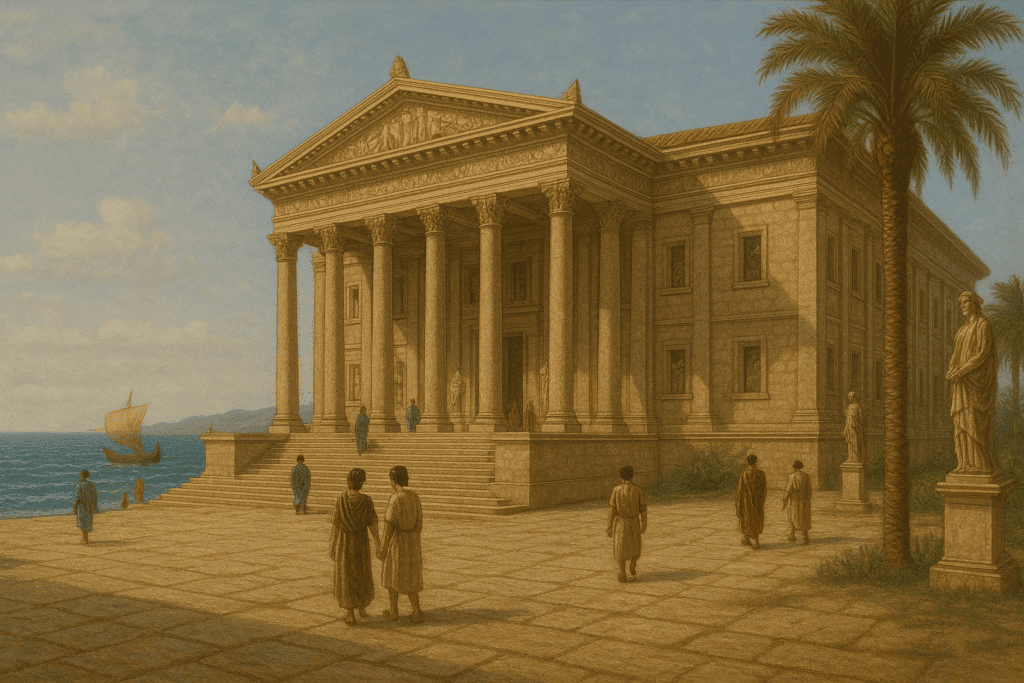
In the heart of ancient Alexandria once stood a monument to the highest aspirations of the human spirit—the Library and Musaeum of Alexandria, a place where science, philosophy, art, and culture converged in one of the world’s first truly international centers of knowledge.
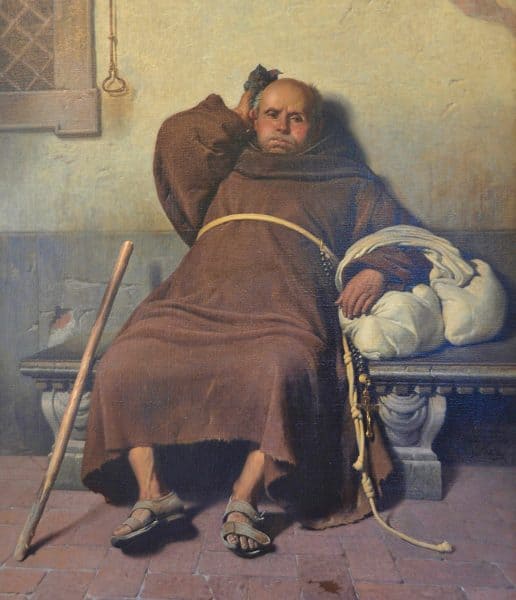
Christian monasticism was not born in cathedrals or universities. It emerged in sand-swept caves, in stone huts beneath olive trees, in the whispered silence of the early centuries after Christ.

Conceptions of the spirit have always been diverse. Physical bodies may be conceived of as being mere manifestations of immortal spirits, or gods. Thus gods are simply the forces and elements of nature;

In Part II of this lecture we will make a deeper examination of what kind of philosophies and practices developed within the society after its founding in 1776 by Adam Weishaupt.

The original order of the Bavarian Illuminati was founded on the First of May in the year 1776. The founder of the order was Adam Weishaupt (1748 – 1830),
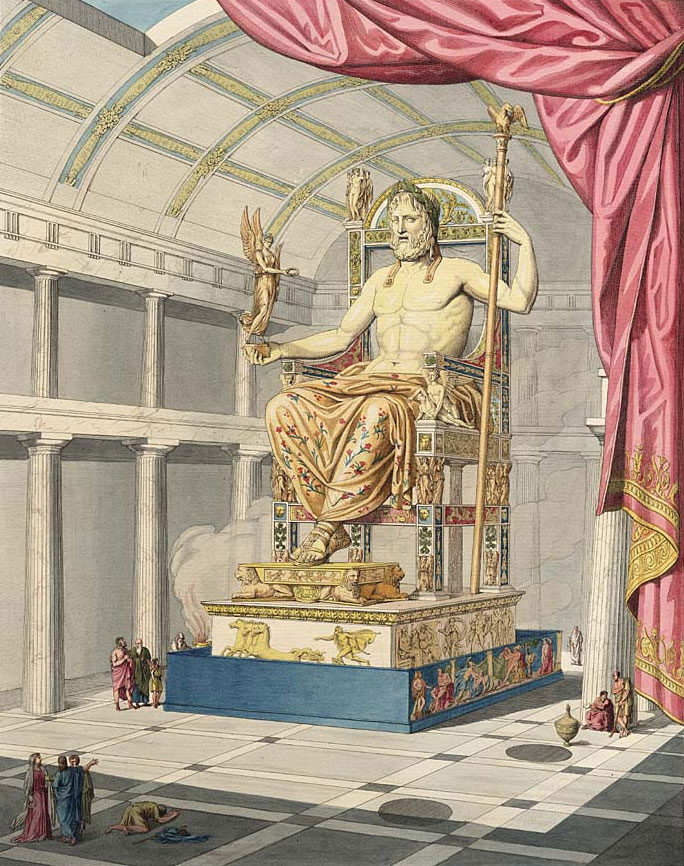
This article explores those earliest seekers—virgins and philosophers—whose lives foreshadowed the great monastic traditions to come. It is a journey to the threshold of the cloister, where sacred fire and philosophical clarity first began to illuminate the path of renunciation and wisdom.
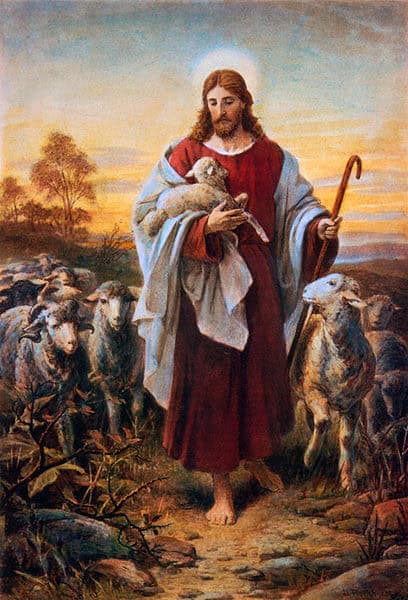
On the one hand, Western society has largely remained faithful to its Judeo-Christian heritage, while on the other hand it has nurtured the violence of colonialism and the greed of pure capitalism.
It is not enough to believe in science—we must stand up for it. Rational citizens, educators, students, and scientists alike must participate actively in politics.
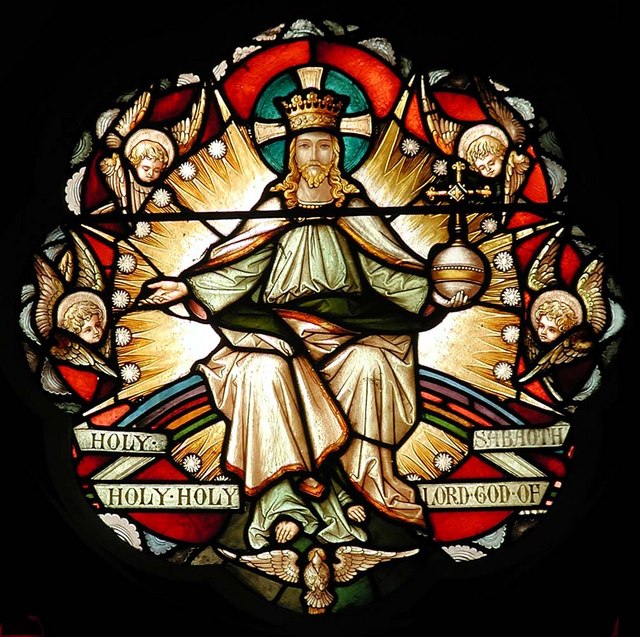
I have known Christians of many denominations and beliefs and I consider all of them members of the Body of Christ.