
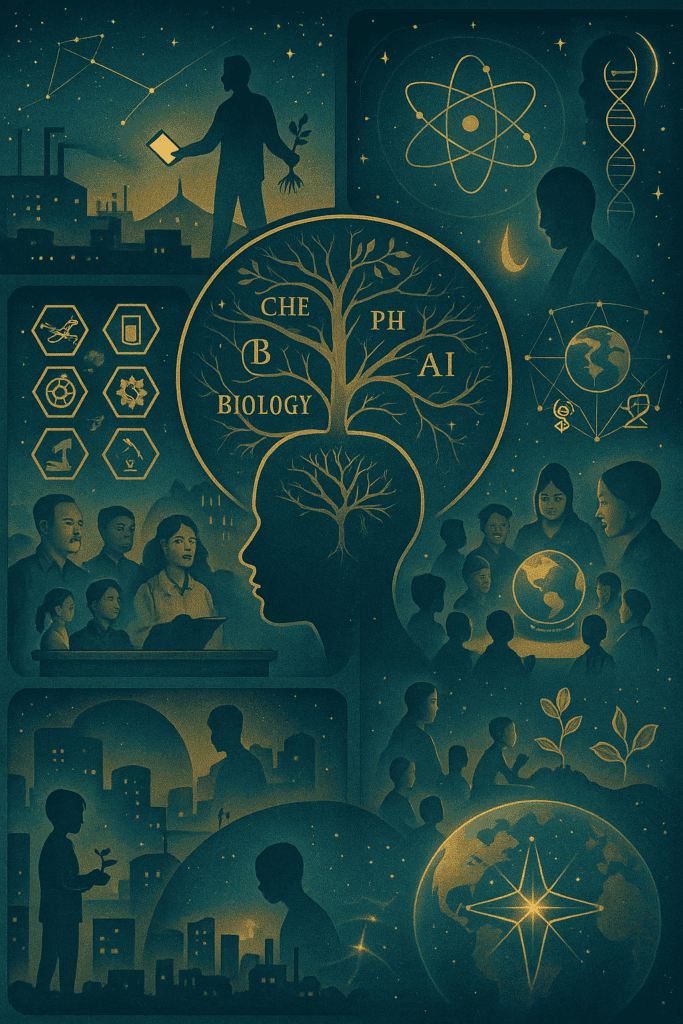
The New Age of Modern Science
We will explore not only the new frontiers of knowledge—from quantum biology to artificial intelligence—but also the ethical, spiritual, and educational revolutions that must accompany them.

How We Live Together — Conscience, Culture, and Civic Life
Examine the moral foundations of a just society—through science, philosophy, and real-world challenges at the intersection of human values.
We will explore not only the new frontiers of knowledge—from quantum biology to artificial intelligence—but also the ethical, spiritual, and educational revolutions that must accompany them.
This article introduces the essential principles, structures, motions, and roles of parliamentary procedure, empowering individuals and groups to deliberate more skillfully and govern more wisely.

France offers not merely a national but a civilizational case study—of how secularism was envisioned, organized, and institutionalized.
Updated 2025 – Use this Quickguide for easy access to the information and resources you need to vote. In the first section you will learn exactly how to vote.
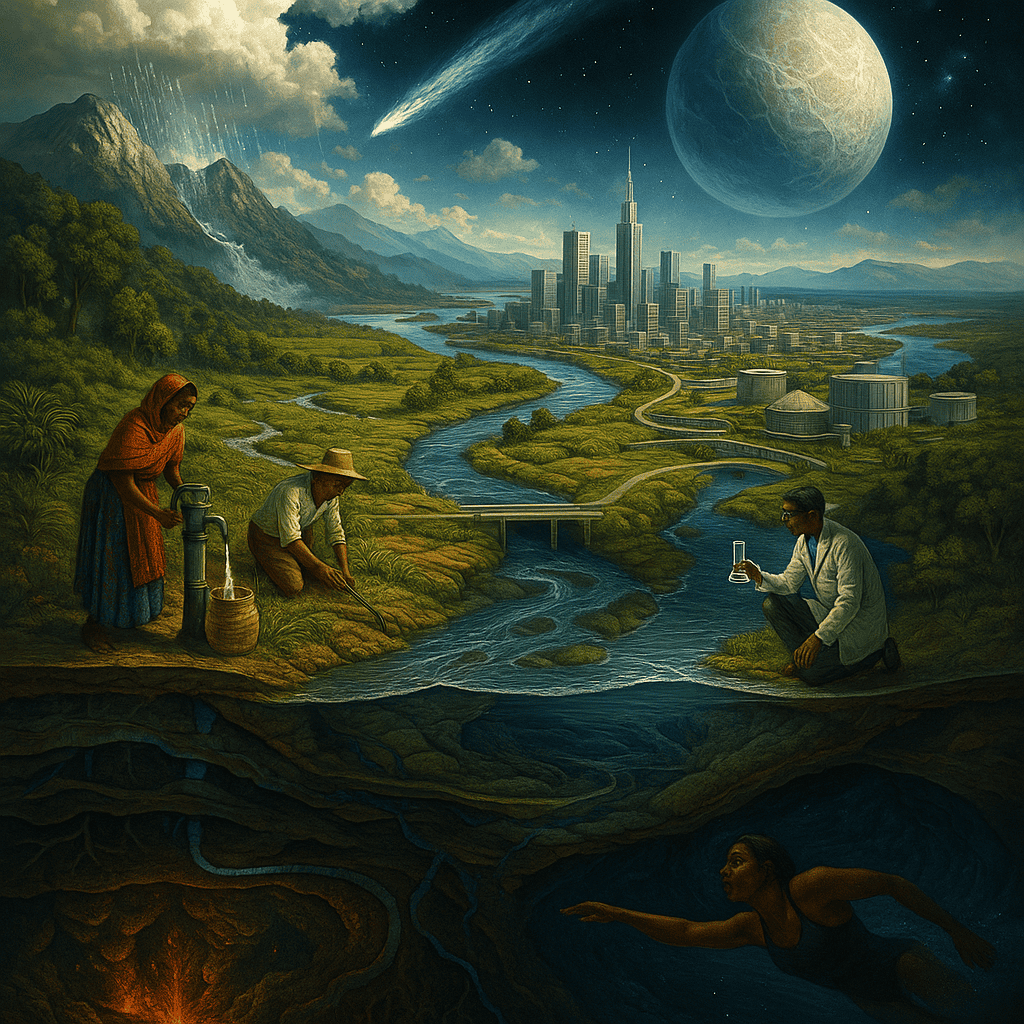
This article explores water through the lens of modern science—its chemistry, its natural and cosmic roles, its ecological diversity, its utility, and the ethical imperatives of its use and conservation.
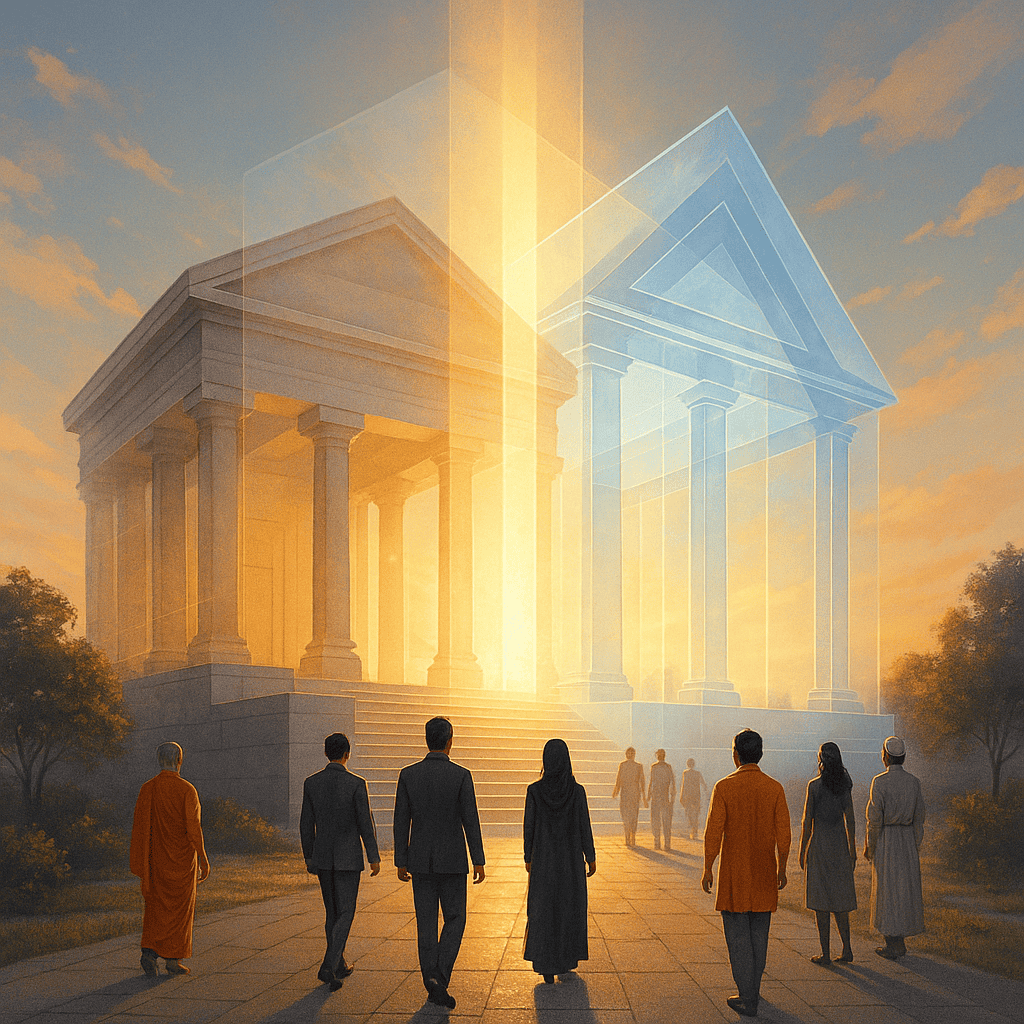
This article traces the mutual shaping of religion and politics from antiquity to the present, revealing how beliefs influence ballots, and how law influences belief.
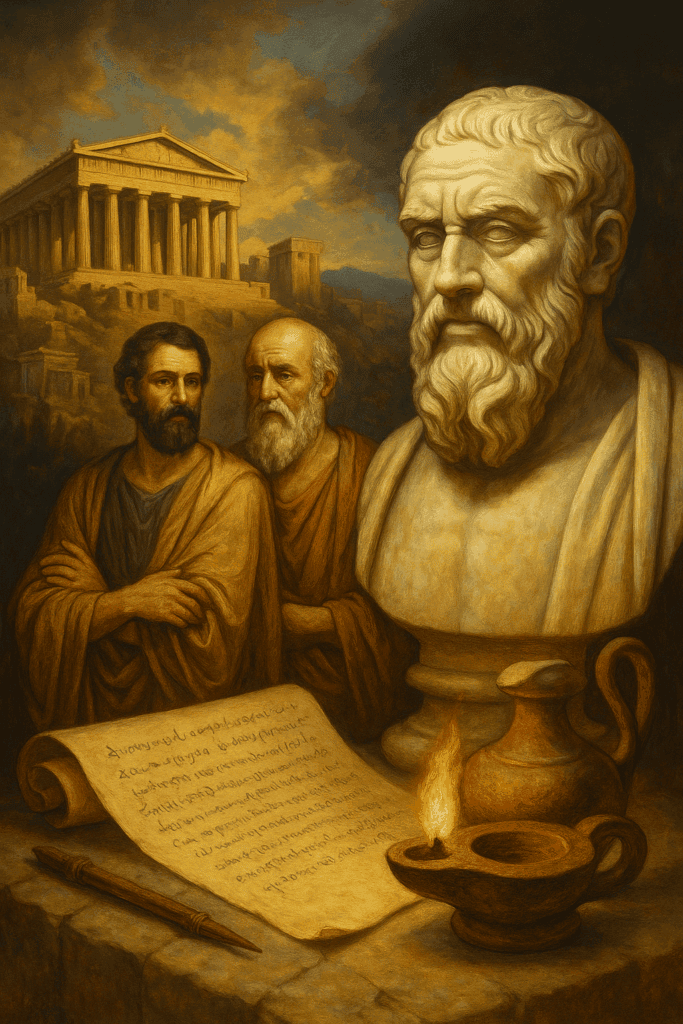
Stoicism is one of the most influential philosophical traditions in Western history, renowned for its emphasis on reason, virtue, and the art of living well in the face of adversity.
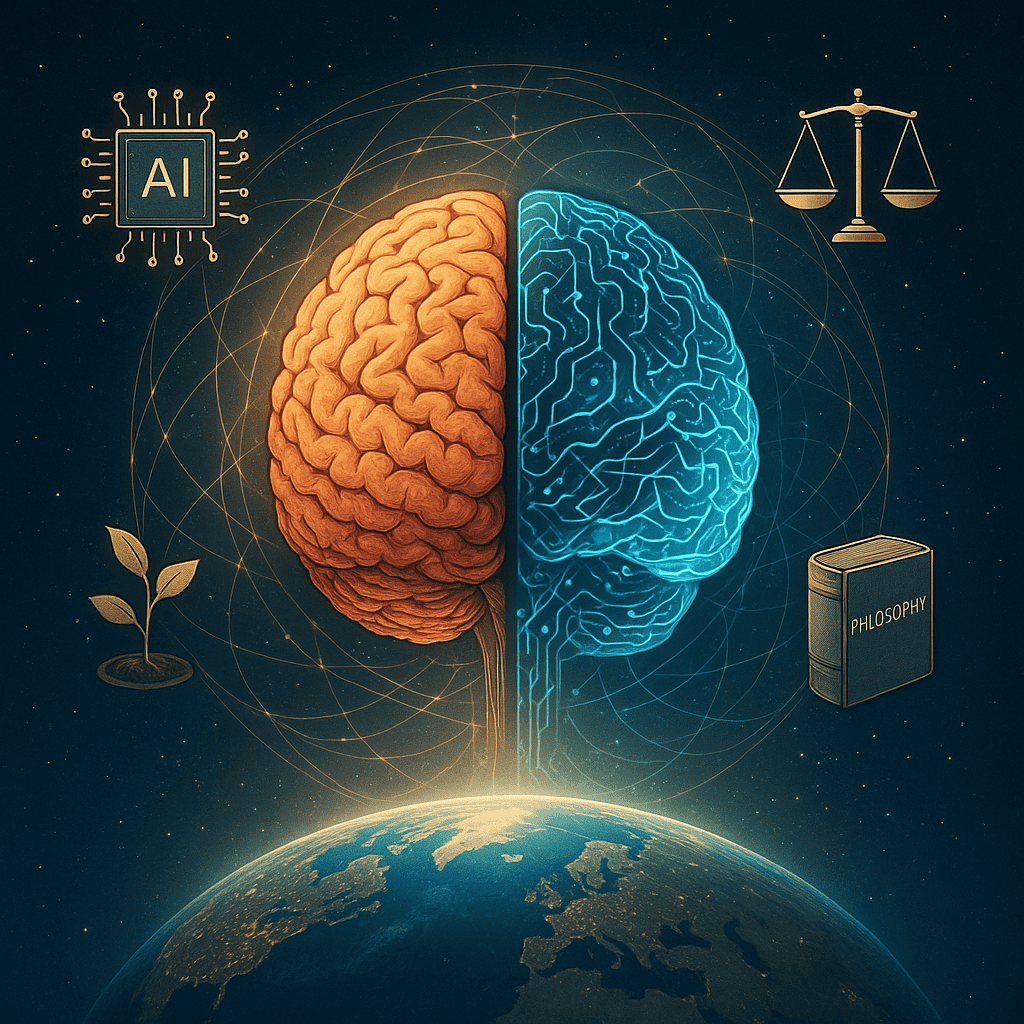
is a chronologically and thematically organized journey through the world’s philosophical traditions—Eastern and Western, ancient and modern, spiritual and secular.

Chinese Buddhist monasticism is one of the most enduring and transformative religious traditions in East Asia.
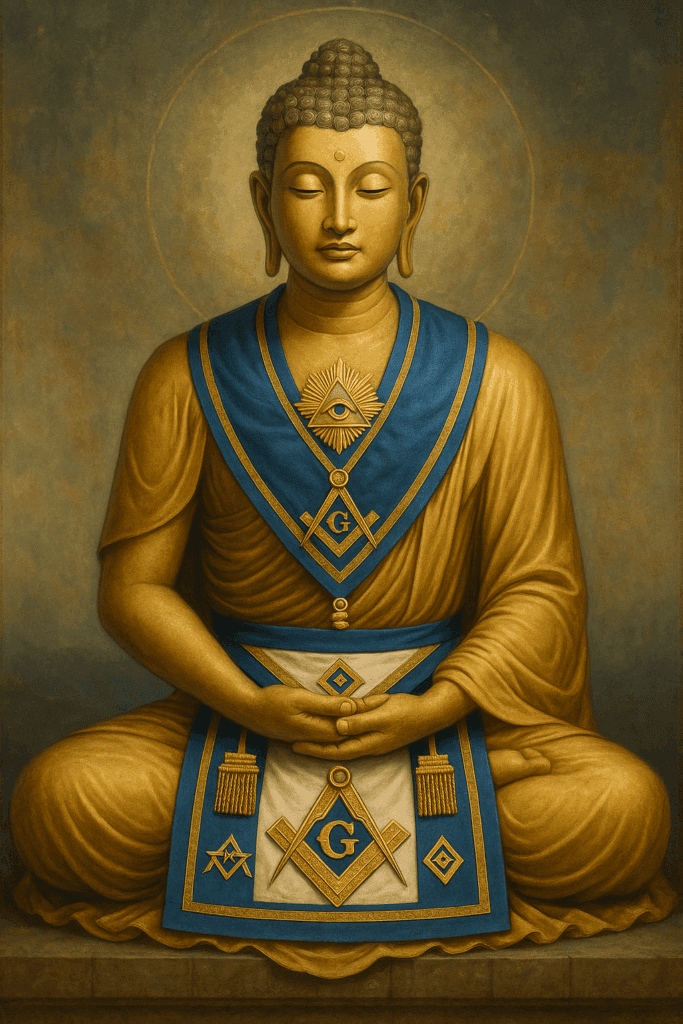
The Zen Master, the Master Mason, and the scientific humanist may use different tools—zafu, square and compasses, or microscope—but all seek the same outcome: a well-built world and a well-formed person.
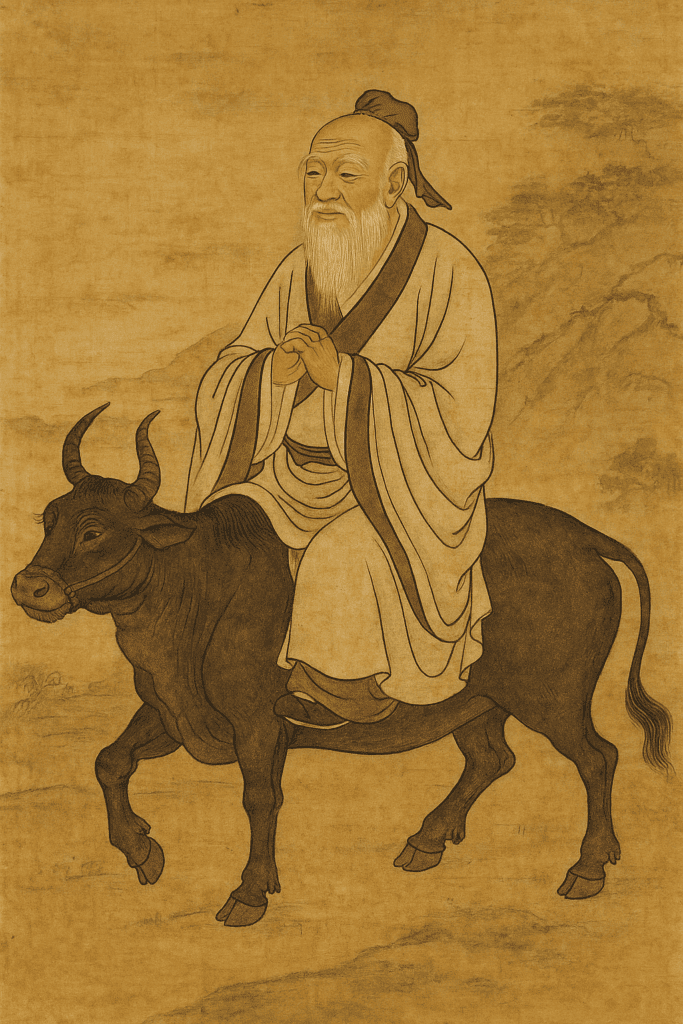
This article explores the historical evolution, doctrines, architecture, and lived practices of Daoist monasticism.
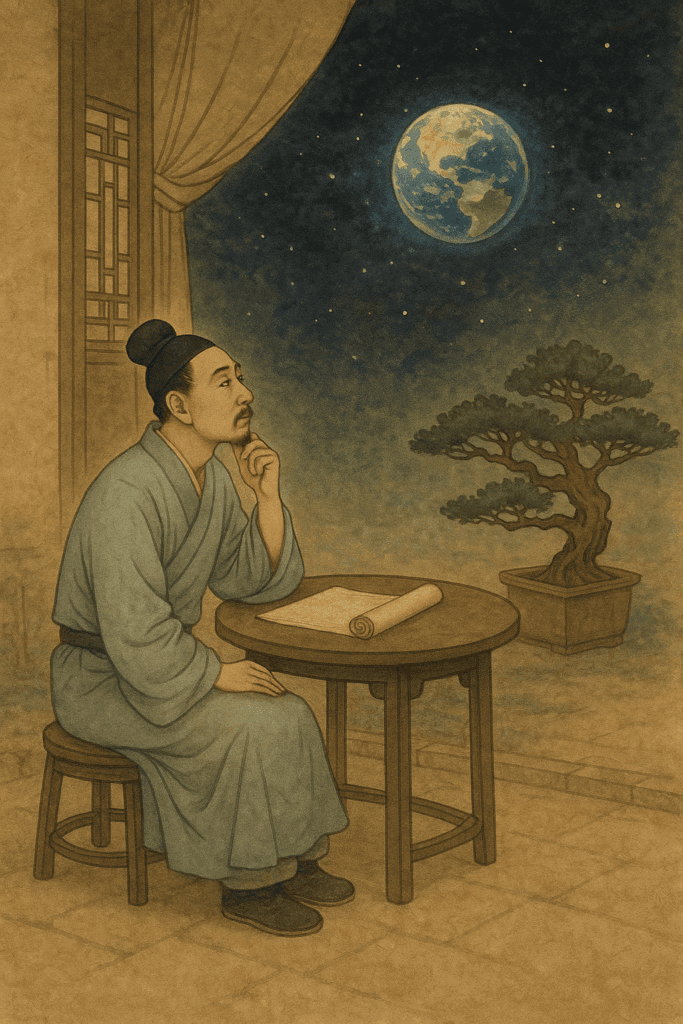
This article explores the hidden architecture of Confucian monastic life: its moral ideals, educational institutions, meditative practices, and enduring legacy in Chinese culture.