
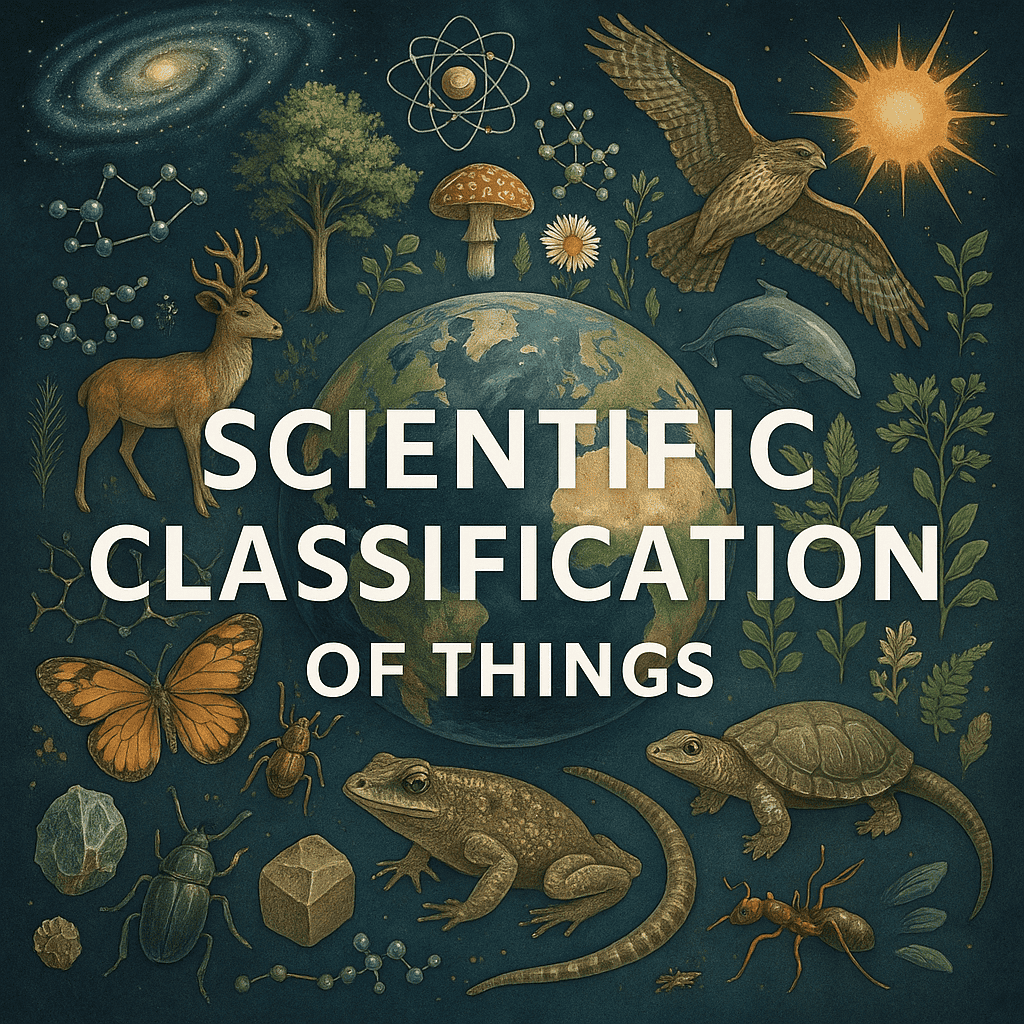
Scientific Classification of Things
This article explores the scientific classification of things across many domains, from the smallest building blocks of matter to the branching structures of life and civilization.
Teaching for Tomorrow — Cultivating Minds and Hearts
Discover visionary approaches to learning, teaching, and civic education—where science, ethics, and human development take center stage.
This article explores the scientific classification of things across many domains, from the smallest building blocks of matter to the branching structures of life and civilization.
is a chronologically and thematically organized journey through the world’s philosophical traditions—Eastern and Western, ancient and modern, spiritual and secular.
Wisdom and deeper understanding require context—a mental framework to organize the information you gather. Without this foundation, facts remain isolated pieces rather than components of a coherent worldview.

Symbolic alchemy and the liberal arts comprised the holistic worldview at the foundation of Freemasonry and modern science and they are just as necessary today.
While we all have our own ideas, governments, researchers, and healthcare providers also need ways to measure quality of life to make better decisions.
The Science of Wholeness is an integrative philosophical and scientific framework that seeks to understand reality by unifying diverse fields of knowledge—spiritual, philosophical, ethical, and empirical—into a coherent worldview.
A Comprehensive Architecture for Information Analysis. This article explores the outline of science, the method of scientific classification, the role of mind mapping, and tools like the Web of Science, which help us navigate the vast sea of human knowledge.
Here are some of the best resources across formats—blogs, websites, books, podcasts, and apps—to help you stay informed, inspired, and empowered.

This article explores the scope, history, causes, consequences, and solutions to this silent crisis. It is written from the perspective of secular scientific humanism…
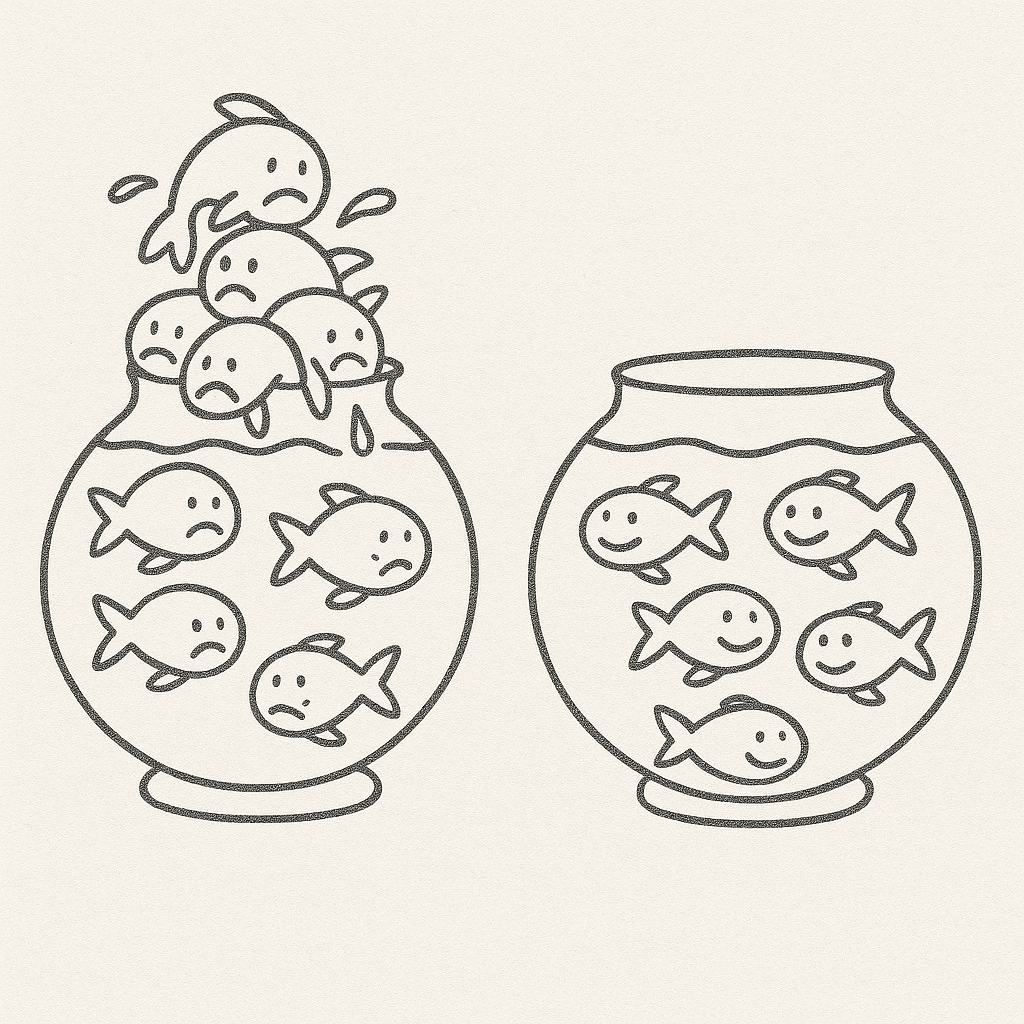
Explore the forces driving population growth, the barriers to change, and the most promising paths forward—from education and family planning to governance, economics, and cultural evolution.
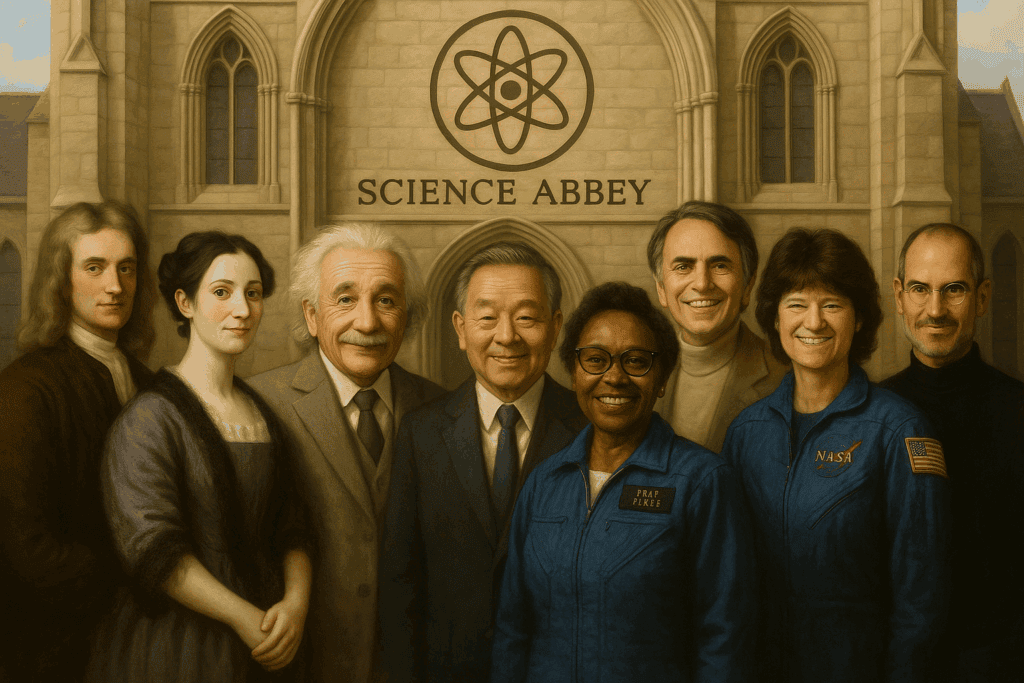
From ancient alchemy to modern chemistry, from Renaissance inquiry to digital complexity…
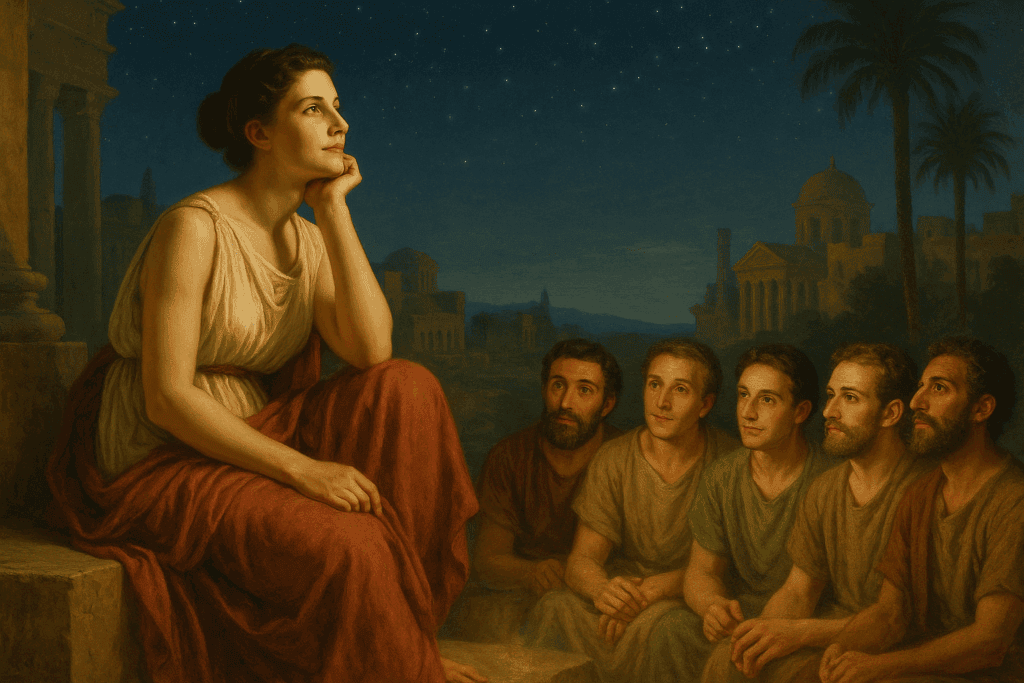
Explore the intellectual brilliance of ancient civilizations—from Babylonian astronomers and Egyptian engineers to Greek philosophers and Chinese alchemists.