
How to Vote Quickguide
Updated 2025 – Use this Quickguide for easy access to the information and resources you need to vote. In the first section you will learn exactly how to vote.

Updated 2025 – Use this Quickguide for easy access to the information and resources you need to vote. In the first section you will learn exactly how to vote.
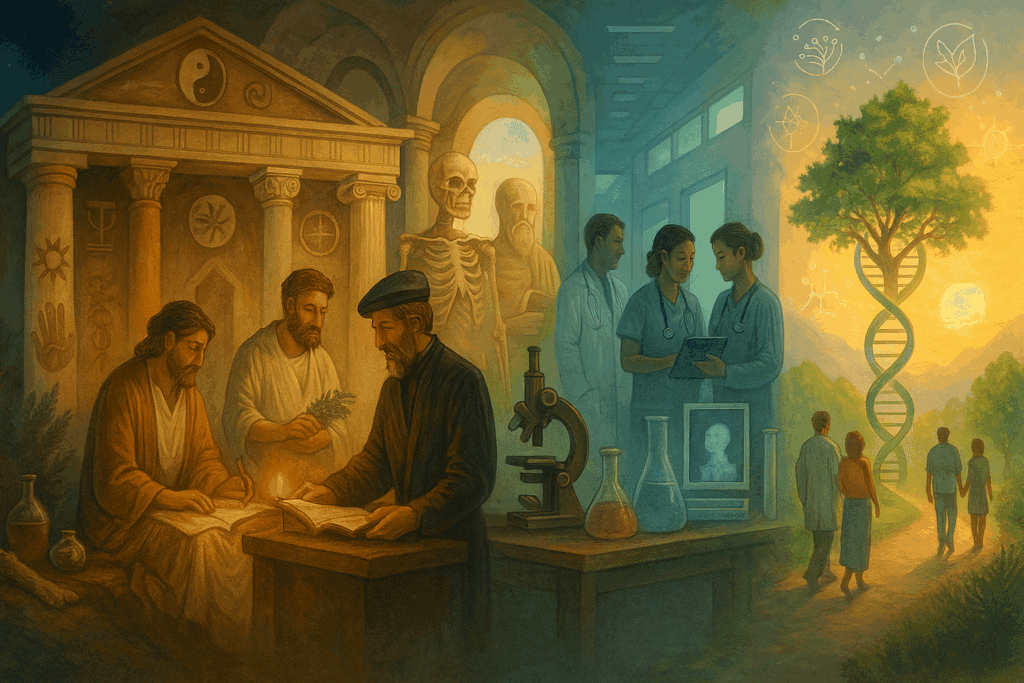
From tribal rituals to telescopic diagnostics, from herbs and humors to AI and immunotherapy, we will trace how our species has sought to care for the body, uplift the mind, and make sense of suffering.
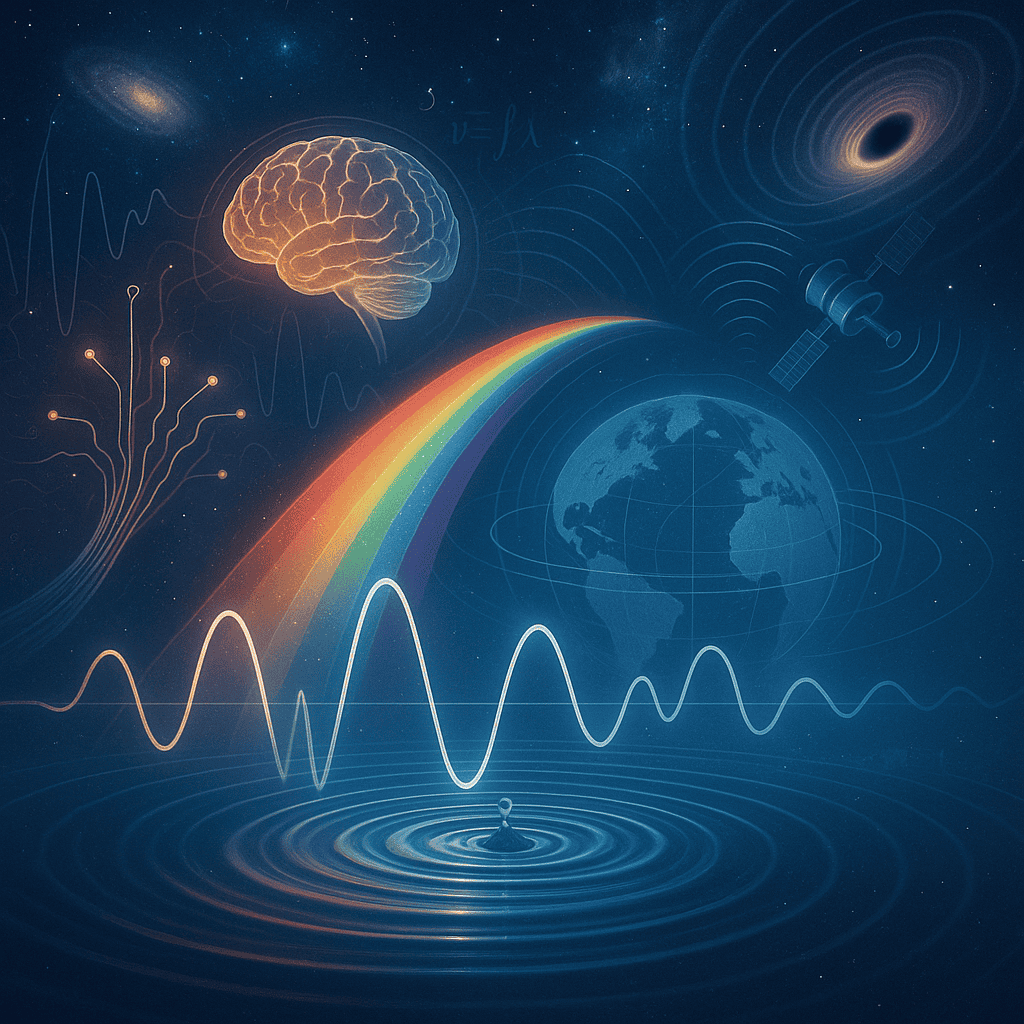
Understanding waves is not just a scientific curiosity; it is a key to decoding how our modern world works. As we transition deeper into the Information Age, mastery over the waveforms that carry our ideas, observations, and identities becomes ever more critical.
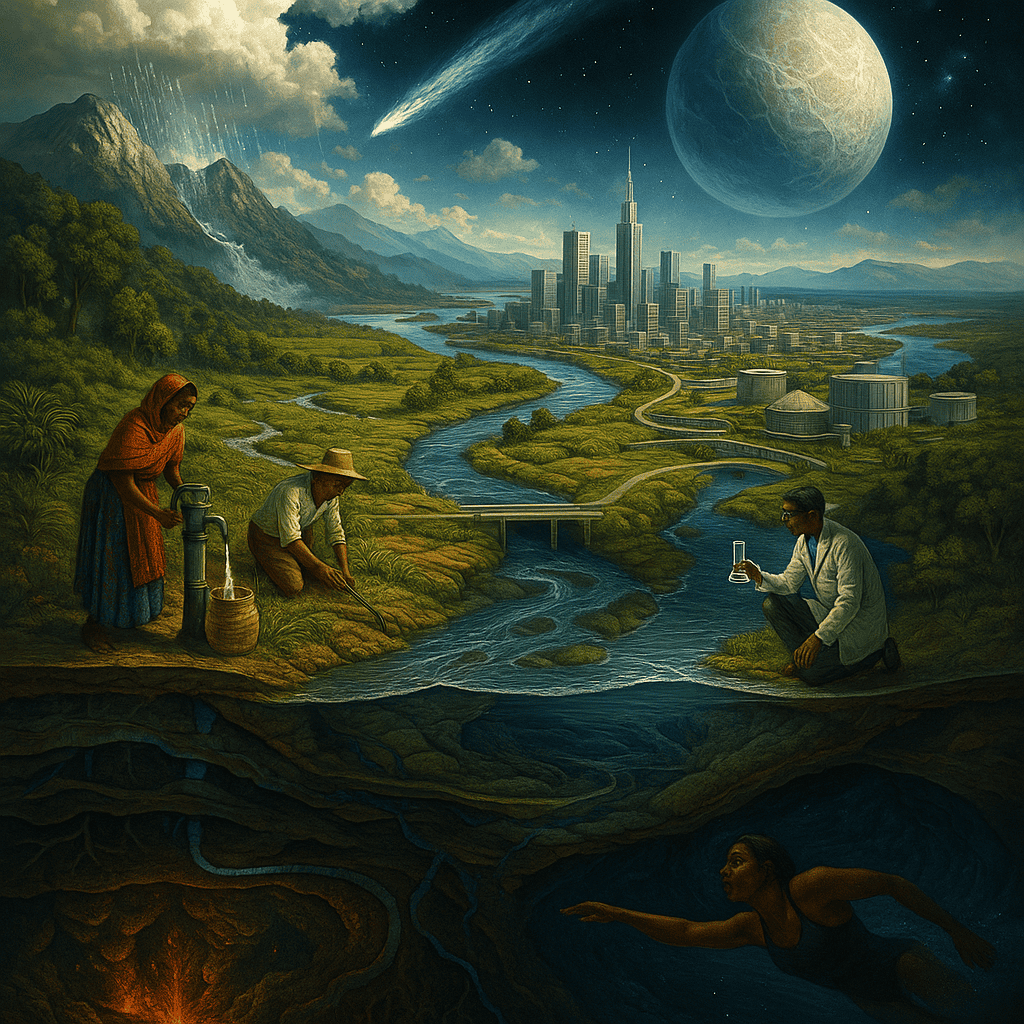
This article explores water through the lens of modern science—its chemistry, its natural and cosmic roles, its ecological diversity, its utility, and the ethical imperatives of its use and conservation.
This is the story of everything.
It begins not on Earth, nor even in the Milky Way, but at the very boundary of space and time itself—where the laws of physics as we know them emerged from a cosmic singularity or something stranger still.
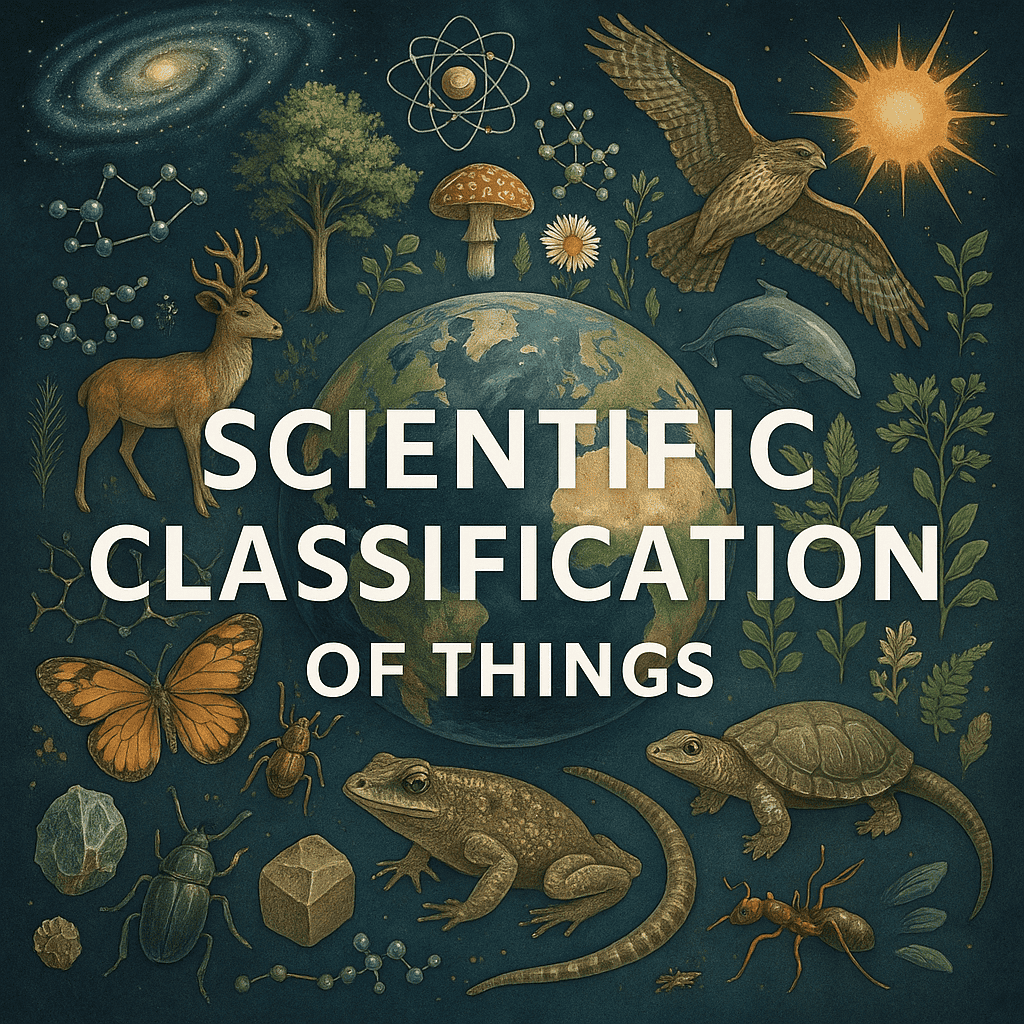
This article explores the scientific classification of things across many domains, from the smallest building blocks of matter to the branching structures of life and civilization.
This article traces the mutual shaping of religion and politics from antiquity to the present, revealing how beliefs influence ballots, and how law influences belief.
Stoicism is one of the most influential philosophical traditions in Western history, renowned for its emphasis on reason, virtue, and the art of living well in the face of adversity.
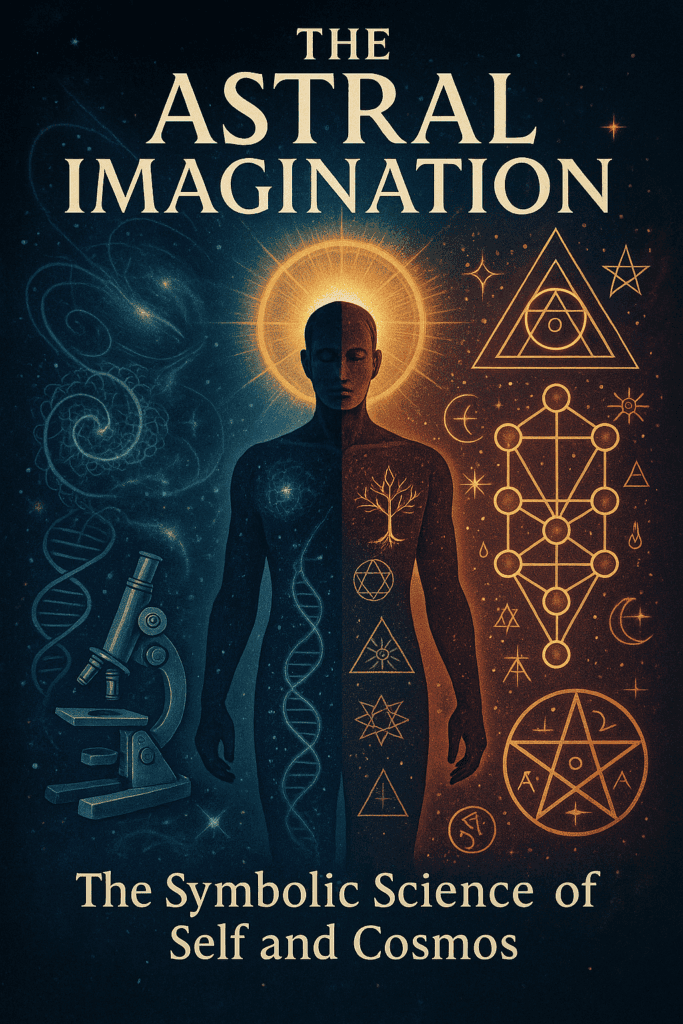
Magic, in its essence, is the ritualized use of symbolic action to affect change in the world.
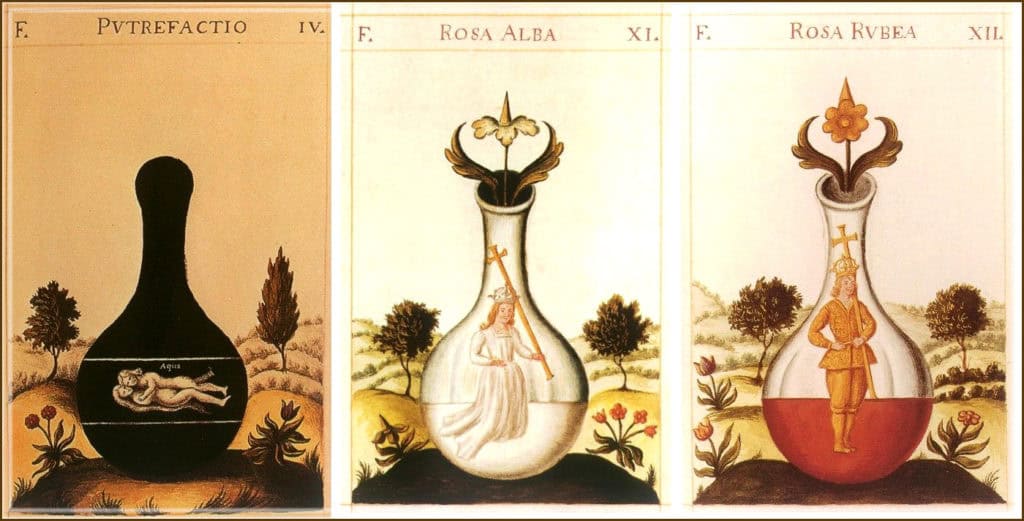
The nine degrees of the O.T.O. claim to offer full instruction in Craft Masonry, in the Ancient and Accepted Scottish Rite, Rosicrucianism and Hermetic Science, and Illuminism.
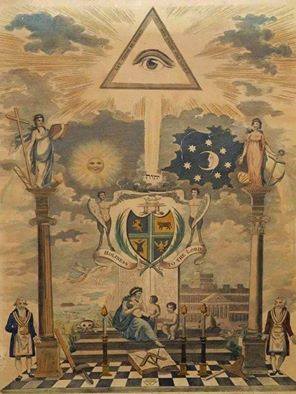
The origins of Freemasonry and Rosicrucianism may be traced to the Renaissance, which embodied three major schools of thought: Scholasticism, Humanism, and the Hermetic-Kabbalistic tradition.
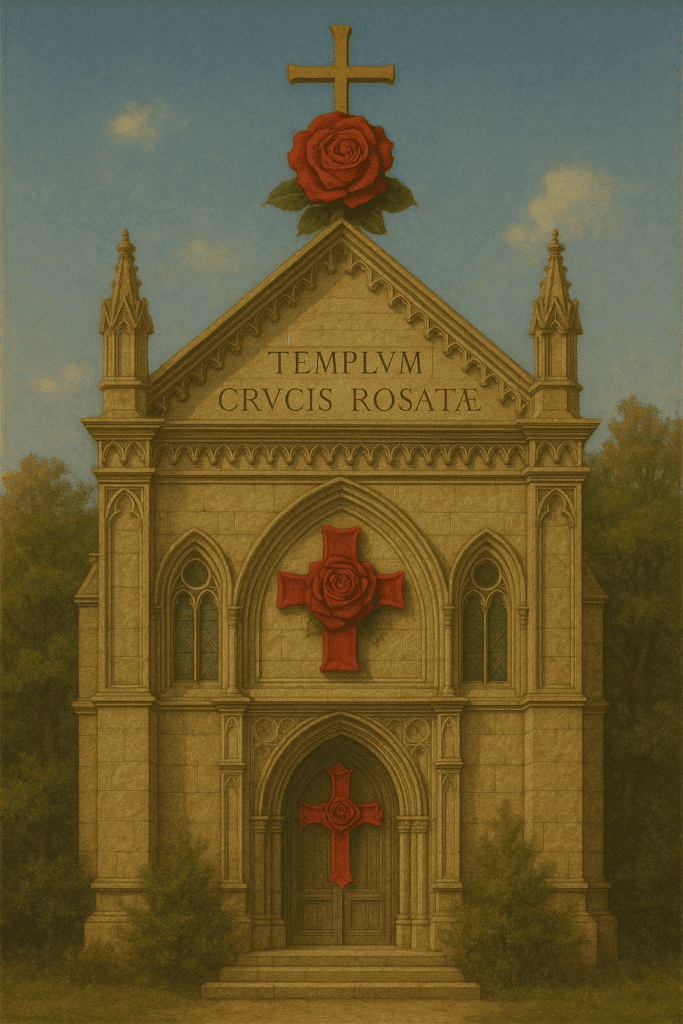
The Rosicrucian Movement, based on a system of Christian alchemical mysticism, embodied many aspects of the Renaissance Hermetic-Kabbalistic tradition.