
Renaissance Humanism
The Recovery of Human Dignity, Learning, and Civilization
Renaissance Humanism was one of the great intellectual and cultural transformations in human history. Emerging first in the city-states of late medieval and early Renaissance Italy, it represented a revival of classical learning and a renewed confidence in the intellectual, moral, artistic, and civic capacities of human beings.
Humanism was not originally a rejection of religion, nor was it a purely secular ideology in the modern sense. Most Renaissance humanists remained deeply religious by the standards of their time. Yet they increasingly turned their attention toward the study of humanity itself: human language, ethics, politics, history, education, creativity, and the improvement of civilization.
In doing so, Renaissance Humanism helped reshape Europe intellectually, politically, scientifically, artistically, and spiritually. It contributed directly to the Renaissance, the Reformation, the Scientific Revolution, modern democratic thought, secular education, and eventually the emergence of modern scientific and civic civilization.
Renaissance Humanism represents one of history’s most important examples of civilizational renewal through learning, ethical reflection, and the recovery of wisdom traditions.
I. The Historical Background
Europe Between the Medieval and Modern Worlds
Renaissance Humanism emerged during a period of enormous transition in Europe. The late medieval world was marked by feudal hierarchy, strong ecclesiastical authority, scholastic theology, recurring warfare, plague, and political fragmentation.
At the same time, however, Europe was also becoming increasingly dynamic. Trade expanded. Urban life grew. Merchant classes accumulated wealth and influence. Universities multiplied. Contacts with the Byzantine and Islamic worlds increased access to ancient texts and scientific knowledge.
The Italian city-states—especially Florence, Venice, Milan, and Genoa—became centers of commerce, diplomacy, banking, and intellectual activity. These urban republics required educated administrators, diplomats, writers, and legal thinkers capable of navigating increasingly sophisticated civic life.
Out of these conditions emerged a renewed interest in the classical civilizations of Greece and Rome. Humanists believed that ancient literature, philosophy, rhetoric, and history contained profound wisdom that had been neglected or partially obscured during earlier centuries. By recovering classical learning, they hoped to elevate both the individual and society itself.
II. Petrarch and the Birth of Humanism
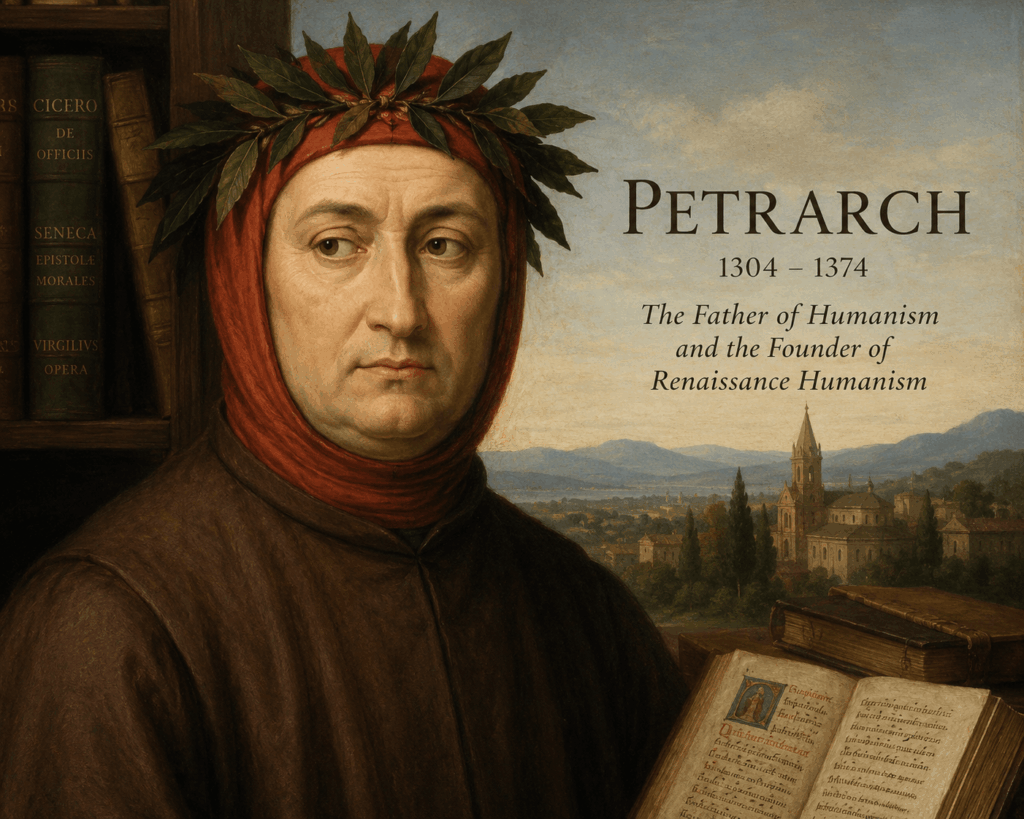
The figure most often identified as the “Father of Humanism” is Petrarch. Petrarch passionately collected and studied classical manuscripts, especially the writings of Cicero and other Roman authors. He believed the ancient world possessed intellectual and moral achievements that deserved renewed attention.
Unlike many medieval scholastics, Petrarch emphasized eloquence, literary style, moral reflection, personal introspection, and the study of human experience. For Petrarch, education was not merely technical training in logic or theology. It was a process of cultivating the whole person. This became one of the defining ideals of Renaissance Humanism.
The humanist scholar was expected to develop wisdom, ethical judgment, literary refinement, historical understanding, and civic responsibility. Knowledge existed not only for contemplation, but for the improvement of civilization.
III. Cosimo de’ Medici
Patron of Renaissance Humanism and the Florentine Renaissance
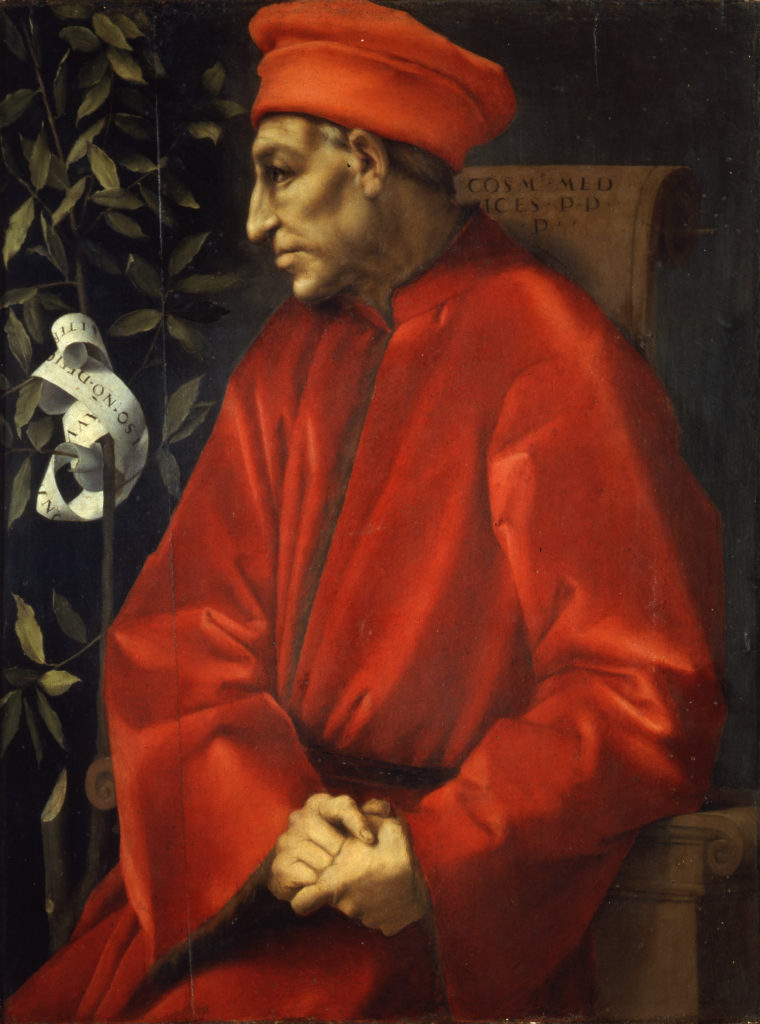
Among the great political and cultural figures of the Renaissance, few were more influential than Cosimo de’ Medici. Often called Cosimo the Elder, he became one of the principal architects of Renaissance Florence and one of the most important patrons of Renaissance Humanism in European history.
Born in 1389 into the powerful Medici banking family, Cosimo transformed Florence not only through wealth and political influence, but through strategic patronage of scholarship, art, architecture, philosophy, and education. Although he officially held limited political office, his influence over Florentine civic life was immense. Under his leadership, Florence became one of the intellectual and artistic capitals of Europe.
Cosimo understood that cultural prestige and intellectual advancement strengthened both the republic and the legacy of the Medici family. He funded libraries, monasteries, churches, academies, and public works throughout Florence. Most importantly, he supported the recovery and preservation of classical Greek and Roman texts that became central to Renaissance Humanism.
One of Cosimo’s greatest contributions was his patronage of Marsilio Ficino, the great Florentine philosopher who translated many works of Plato into Latin. Through Ficino and the Florentine Platonic Academy, Cosimo helped revive Neoplatonic philosophy and stimulate broader intellectual exploration concerning:
- human dignity,
- ethics,
- spirituality,
- beauty,
- and the relationship between humanity and the cosmos.
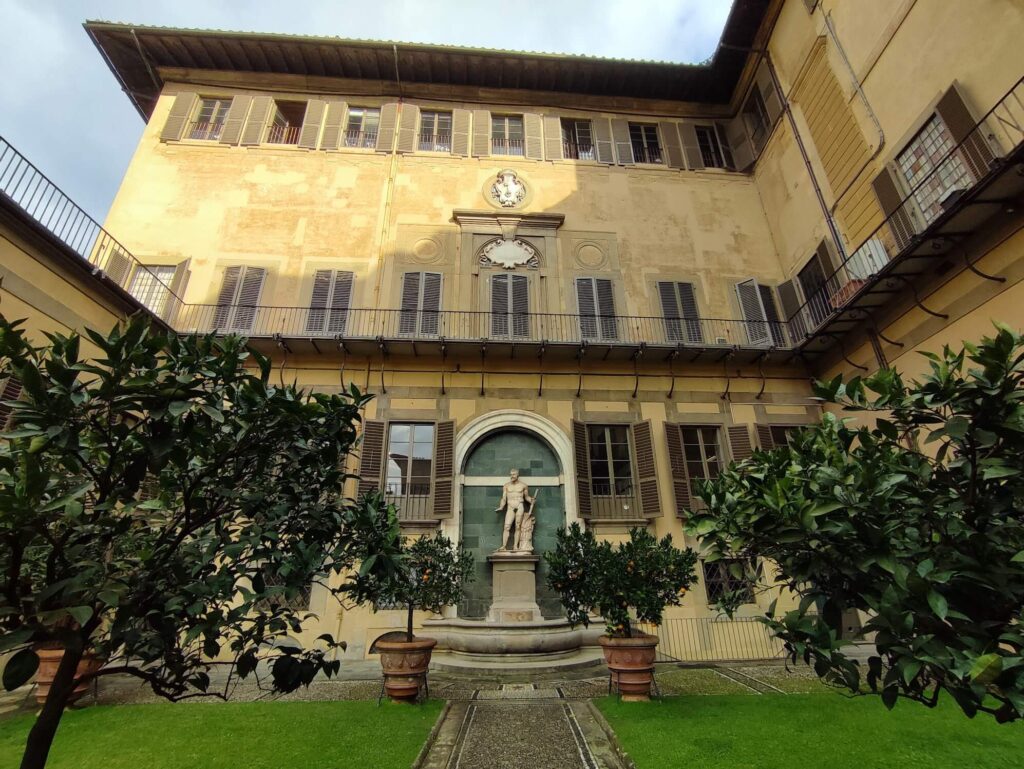
Cosimo’s Florence became a meeting place for scholars, artists, diplomats, architects, and philosophers. His patronage helped create the cultural environment that later nurtured figures such as Leonardo da Vinci, Michelangelo, and many other Renaissance masters.
Importantly, Cosimo’s role in Renaissance Humanism was not purely artistic or intellectual. His influence also reflected the growing connection between wealth, banking, political power, and cultural production in Renaissance Europe. Florence’s commercial prosperity helped finance one of the greatest periods of artistic and intellectual growth in history.
At the same time, Cosimo’s legacy reveals some of the tensions within Renaissance Civic Humanism itself. Florence remained formally a republic, yet powerful banking families such as the Medici exercised enormous influence behind the scenes. Renaissance republican ideals often coexisted with elite power structures, political maneuvering, and oligarchic control.
Despite these contradictions, Cosimo de’ Medici played a decisive role in shaping the intellectual environment of the Renaissance. His support for learning, philosophy, and the arts helped preserve and transmit the humanist traditions that profoundly transformed Western civilization.
Within the broader perspective of Science Abbey, Cosimo represents an important example of how institutions, patronage networks, and visionary investment in education and culture can influence the trajectory of civilization itself. His life demonstrates that the advancement of civilization depends not only upon philosophers and artists, but also upon those willing to materially support the preservation and expansion of knowledge.
IV. The Studia Humanitatis
The Education of the Civic Individual
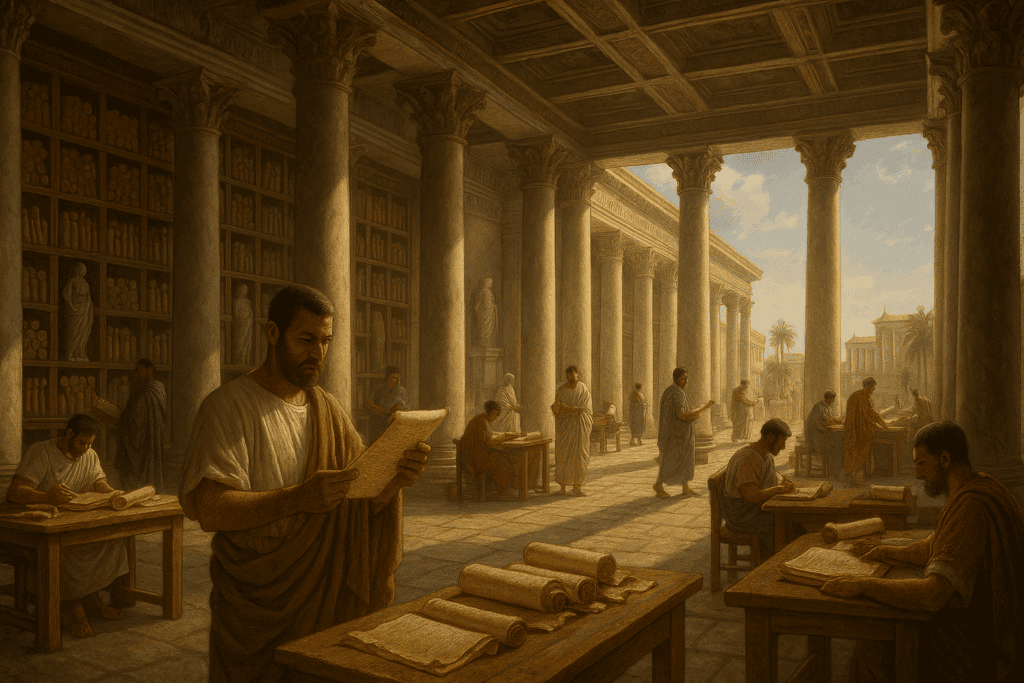
Renaissance Humanists organized education around what became known as the studia humanitatis: grammar, rhetoric, poetry, history, and moral philosophy. These subjects were intended to cultivate articulate, ethically informed, and socially responsible individuals capable of participating actively in public life.
Humanist education differed significantly from medieval scholasticism. Scholastic thinkers often focused heavily on abstract theological and metaphysical questions using formal logical methods. Humanists instead emphasized language, historical context, practical ethics, civic life, and literary expression.
The ideal educated person was not merely a theologian or monk withdrawn from society. It was the cultivated citizen. This educational transformation deeply influenced European universities, diplomacy, political theory, literature, and eventually modern liberal arts education.
V. Civic Humanism and the Republic
In Renaissance Florence especially, Humanism developed a strongly civic and republican character. Thinkers such as Leonardo Bruni, Coluccio Salutati, and later Niccolò Machiavelli argued that education should prepare citizens for public responsibility and defense of the republic. This movement became known as Civic Humanism.
Civic Humanists believed that liberty depends upon civic participation, that republics require educated citizens, that corruption threatens civilization, and that public life is a moral responsibility. The active life—the vita activa—became central to Renaissance civic ideals.
The educated person should contribute to governance, diplomacy, law, education, and the common good. Knowledge carried civic obligations. This principle remains deeply influential today.
VI. Art, Beauty, and Human Potential
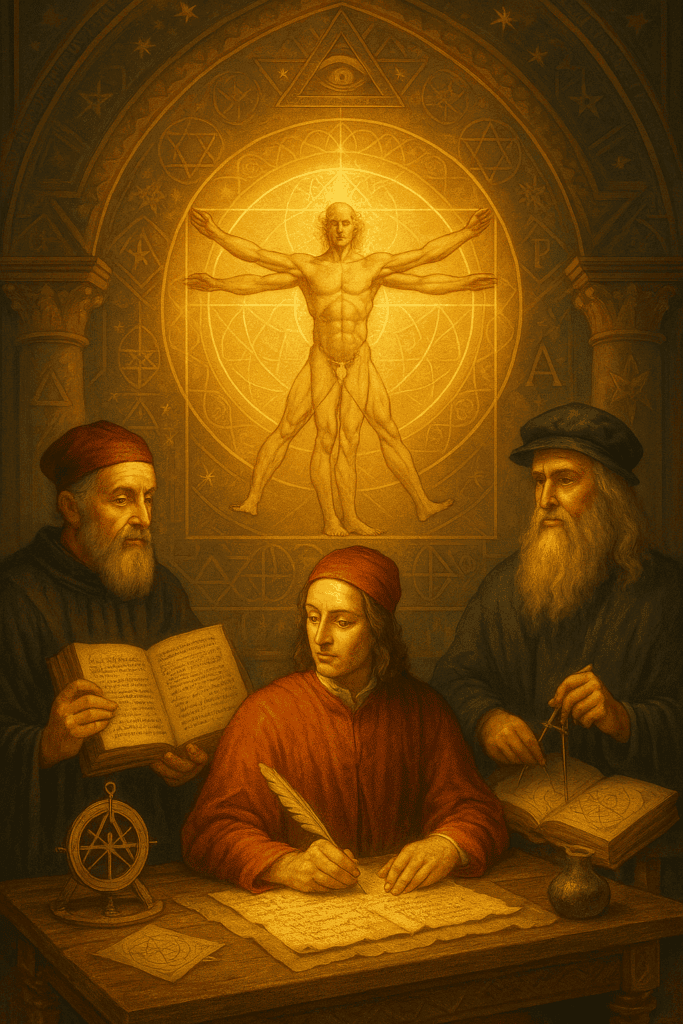
Renaissance Humanism also transformed art and aesthetics. Artists increasingly focused on realism, anatomy, perspective, emotional expression, and the beauty of the natural and human worlds. Figures such as Leonardo da Vinci, Michelangelo, and Raphael embodied the Renaissance ideal of expanded human potential.
The Renaissance conception of humanity became more dynamic, creative, and exploratory. Human beings were increasingly viewed not merely as passive recipients of inherited authority, but as capable of discovery, invention, creativity, self-development, and civilizational advancement.
This helped lay foundations for the later Scientific Revolution.
VII. Humanism, Science, and the Expansion of Inquiry
Although Renaissance Humanism initially focused more on literature and classical studies than experimental science, it helped create the intellectual conditions necessary for scientific advancement.
Humanism encouraged critical engagement with texts, historical analysis, observation, linguistic precision, and independent inquiry. This atmosphere contributed to the rise of thinkers such as Nicolaus Copernicus, Galileo Galilei, and later Isaac Newton.
The Renaissance therefore helped shift European civilization toward empirical investigation, scientific reasoning, and intellectual openness. Humanism became part of the long transition from medieval civilization to modern scientific civilization.
VIII. Spiritual Humanism and the Esoteric Traditions
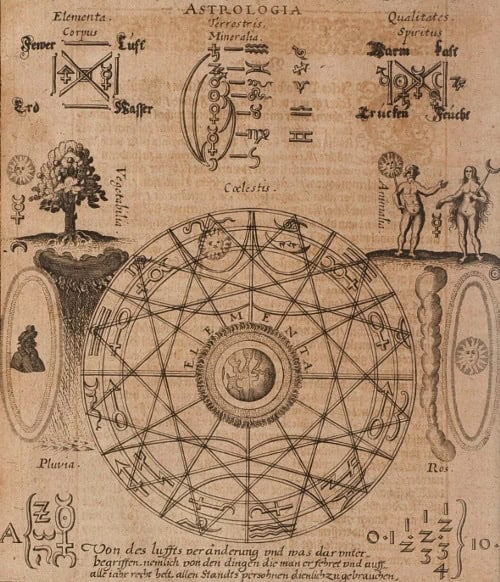
Renaissance Humanism was not solely rationalistic or secular. Many Renaissance thinkers explored Hermeticism, Neoplatonism, Christian mysticism, Kabbalah, alchemy, and symbolic philosophy. Thinkers such as Marsilio Ficino and Giovanni Pico della Mirandola attempted to synthesize classical philosophy, spirituality, and human dignity into unified worldviews.
This tradition later contributed to Rosicrucianism, esoteric philosophy, symbolic mysticism, and early modern occult traditions.
For readers interested in these currents, see the related Science Abbey article:
The Renaissance and Medieval Hermetic-Kabbalistic Tradition and Rosicrucianism
These traditions reflected another important aspect of Renaissance Humanism: the desire to reconcile science, spirituality, philosophy, symbolism, and human development into a meaningful vision of civilization.
IX. The Limits and Contradictions of Renaissance Humanism
Despite its achievements, Renaissance Humanism also possessed significant limitations.
Much Renaissance learning remained accessible primarily to elites: wealthy merchants, clergy, aristocrats, and educated men.
Women were often excluded from intellectual and political life, despite important exceptions.
Renaissance republics also coexisted with political intrigue, warfare, colonial expansion, social inequality, and authoritarian tendencies.
Humanism itself could become associated with elite status and courtly ambition.
Furthermore, the Renaissance did not produce a fully secular or democratic civilization in the modern sense. Religious conflict, censorship, and persecution continued throughout Europe.
Yet despite these contradictions, Renaissance Humanism fundamentally transformed the intellectual trajectory of Western civilization.
X. Renaissance Humanism and the Modern World
The influence of Renaissance Humanism continues today in liberal arts education, constitutional government, scientific inquiry, public scholarship, democratic culture, and modern concepts of human dignity. Its central principles remain profoundly relevant: education matters, ethical development matters, civic participation matters, and civilization depends upon the cultivation of human capacities.
Yet the modern world also confronts new conditions Renaissance thinkers could not foresee: artificial intelligence, algorithmic manipulation, mass media systems, ecological instability, and technologically accelerated social fragmentation.
The challenge now is not merely recovering classical wisdom, but integrating science, ethics, psychology, contemplative awareness, and planetary responsibility into a mature global civilization.
XI. Renaissance Humanism and Science Abbey
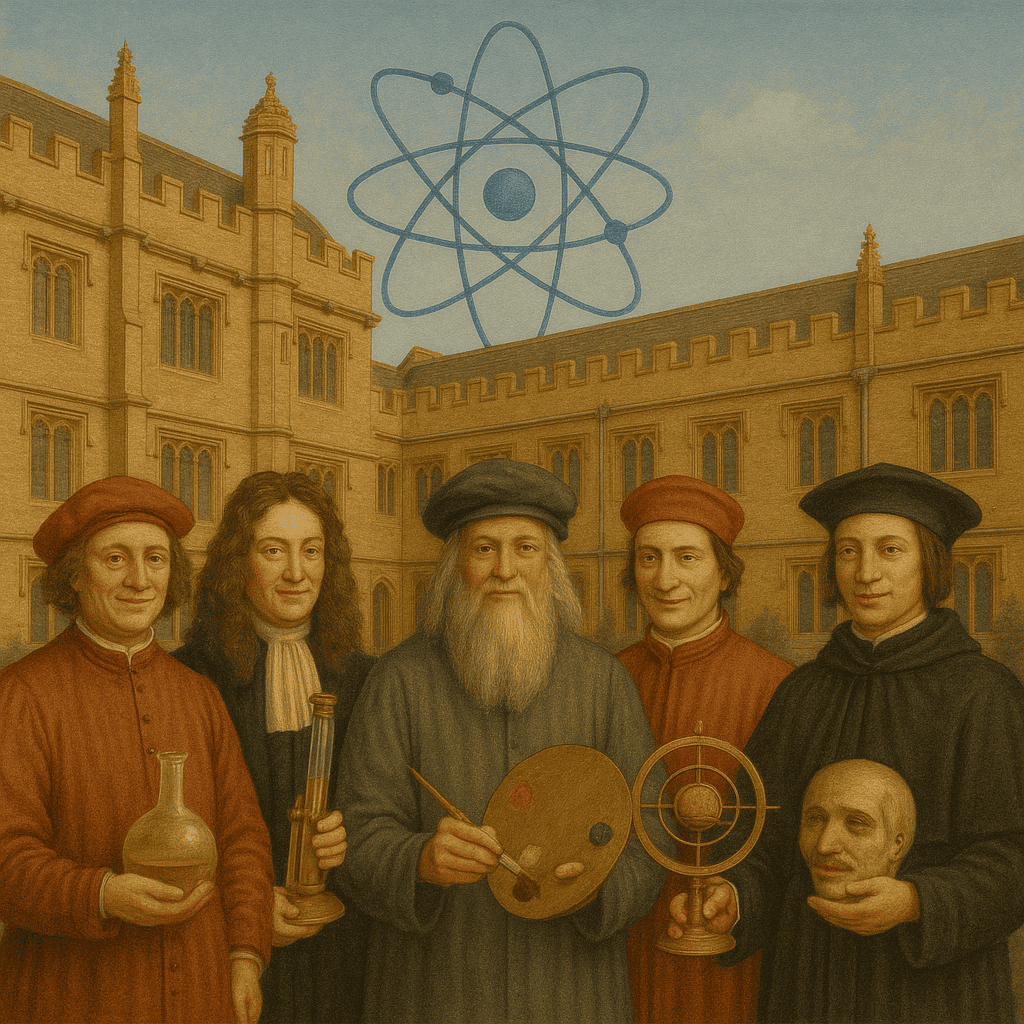
Within Science Abbey, Renaissance Humanism is understood as one of the great foundations of modern Civic Humanism and Integrated Humanism.
Science Abbey shares several core humanist principles: the cultivation of wisdom, lifelong education, civic responsibility, scientific inquiry, ethical development, and the integration of knowledge with civilization. Yet Science Abbey also seeks to extend Humanism into the Age of Intelligence.
The modern citizen must become not only literate, articulate, and civically engaged, but also scientifically informed, psychologically resilient, media literate, ethically mature, and globally conscious.
The Renaissance recovered the dignity and potential of the human being. The challenge of the present age is learning how to guide humanity wisely through the immense powers of technological civilization.
XII. Conclusion
The Rebirth of Civilization Through Human Development
Renaissance Humanism was ultimately a movement of civilizational renewal. It sought to recover wisdom from the past in order to elevate the present and shape the future. Its thinkers believed that education, ethics, beauty, philosophy, and civic responsibility could strengthen civilization and cultivate more fully developed human beings. This belief transformed the modern world.
Today humanity again stands at a civilizational crossroads. The question facing the modern world is no longer whether humanity possesses power. The question is whether humanity possesses the wisdom and maturity necessary to guide that power responsibly. In this sense, the deeper mission of Renaissance Humanism remains unfinished.
About the Author
D. B. Smith is the founder of Science Abbey, an international initiative for philosophical, spiritual, and scientific integration. His work focuses on democratic ethics, secular humanism, and global civic development. He has previously written on political philosophy, religious reform, and scientific spirituality.