

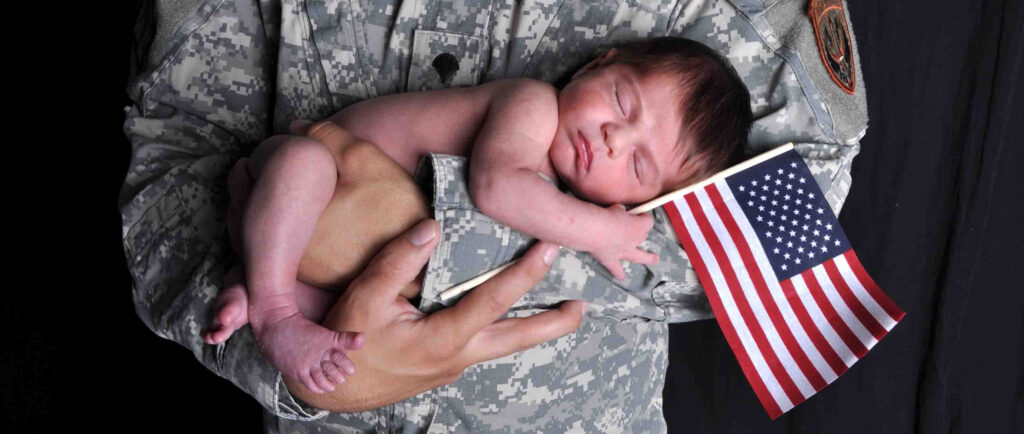
On the 250th Birthday of the U.S. Army – 1775 – 2025
Table of Contents
- Introduction
Understanding the Military on the 250th Birthday of the U.S. Army - Part I: Historical Context
Origins, Growth, and Transformation of the U.S. Military - Part II: Branches of the Armed Forces
Army, Navy, Marine Corps, Air Force, Space Force, Coast Guard, and National Guard - Part III: Structure and Organization
Units, Formations, and Joint Operations - Part IV: Ranks and Leadership
Commissioned Officers, Non-Commissioned Officers, and Warrant Officers - Part V: Headquarters, Command, and Control
The Pentagon, Command Centers, Combatant Commands, CICs, and HQ Units - Part VI: Bases and Infrastructure
Domestic Installations, Overseas Presence, and Global Footprint - Part VII: Weapons, Technology, and Innovation
Nuclear Triad, Naval Power, Air Dominance, Space, Cyber, and R&D - Part VIII: Military Budget and Economics
Spending Priorities, Economic Footprint, and Global Comparisons - Part IX: Civil-Military Relations
Civilian Control, Volunteer Force, and the Military in Society - Part X: Life in the Military
Recruitment, Training, Careers, Benefits, and Challenges - Part XI: Oversight, Law, and Ethics
UCMJ, International Law, ROE, and Ethical Challenges - Part XII: The Future of the U.S. Military
Great Power Competition, Hybrid Threats, Emerging Technologies, and Climate Security - Conclusion
Citizens, Democracy, and the Responsibility of Military Power - Appendices
Glossary, Timeline, Global Comparisons, and Veteran Resources
Introduction
The U.S. military is one of the most powerful and complex institutions in the modern world. It safeguards the nation’s security, projects influence abroad, provides humanitarian aid, and conducts operations in every domain: land, sea, air, space, and cyberspace. Yet for many citizens, the inner workings of the armed forces remain distant or obscure.
The year 2025 is especially significant: it marks the 250th birthday of the United States Army, established in 1775 as the Continental Army under George Washington. From those early days of ragtag militias fighting for independence, the Army—and the broader military—has grown into a global force with unparalleled reach. The anniversary is a reminder of both the longevity of American military institutions and the responsibility of citizens to understand and engage with them.
This guide presents a comprehensive overview of the U.S. military—its history, branches, organization, leadership, command systems, bases, budget, and future challenges. By understanding how the armed forces operate, citizens can better appreciate their role in American society and exercise informed oversight of this powerful institution.
Part I: Historical Context
Origins of the U.S. Military
The U.S. military traces its formal beginning to June 14, 1775, when the Second Continental Congress established the Continental Army under George Washington’s command. The young colonies faced the professional armies of Britain, and the new force was hastily assembled from state militias. Its creation was not only a military necessity but also a statement of unity: thirteen separate colonies pooling resources and soldiers to fight as one.
From the beginning, two principles defined the American military tradition:
- Civilian control of the armed forces, with Congress and later the President directing policy.
- Citizen-soldiers, drawn from ordinary life to defend the republic.
After independence, suspicion of standing armies ran deep. The nation relied heavily on state militias until repeated conflicts—including the War of 1812 and wars with Native nations—demonstrated the need for a permanent, professional force.
Expansion and Transformation
- 19th Century: The Army secured frontiers, fought in the Mexican-American War (1846–1848), and endured the Civil War (1861–1865). The Civil War, in particular, transformed military organization, introducing mass mobilization, new technologies (rifles, railroads, telegraphs), and professional officer training at West Point.
- 20th Century: The United States emerged as a global power during the World Wars. The Navy and Marine Corps projected force overseas, while the Air Force grew out of the Army Air Corps after World War II. Nuclear weapons and Cold War rivalry with the Soviet Union reshaped strategy, requiring permanent readiness and global deployment.
- Post-Cold War: With the Soviet Union’s collapse, U.S. forces shifted to regional conflicts, peacekeeping missions, and counterterrorism. The attacks of September 11, 2001 ushered in the era of the “Global War on Terror,” with long wars in Afghanistan and Iraq.
The Modern Military
Today, the U.S. military is a volunteer force, professionalized since the draft ended in 1973. It is also an institution in constant adaptation—integrating women into combat roles, developing cyber and space capabilities, and investing in artificial intelligence and robotics.
The Army’s 250th anniversary in 2025 highlights the continuity of this institution: from colonial militias to a global force, the military has been central to the American story. Its past reveals recurring themes—fear of concentrated power, reliance on civilian oversight, and the tension between citizen-soldiers and professional armies—that continue to shape debate today.
Part II: Branches of the Armed Forces
The U.S. military is divided into six primary branches, each with distinct missions, traditions, and cultures. Together, they form a unified force capable of operating across the globe in land, sea, air, space, and cyber domains. In addition, the National Guard and Reserve Components play a critical role in domestic defense and emergency response.
1. United States Army
- Founded: 1775 (Continental Army).
- Mission: Land-based operations—fighting wars, maintaining peace, disaster response, and deterrence.
- Structure: Organized into divisions, brigades, and battalions. Includes combat arms, logistics, engineers, medical units, and intelligence.
- Specialization: Largest branch; home to elite units like the Rangers, Special Forces (“Green Berets”), and 82nd Airborne.
2. United States Navy
- Founded: 1775.
- Mission: Control of the seas, protection of maritime commerce, and projection of power worldwide.
- Core Assets: Aircraft carriers, nuclear submarines, destroyers, and amphibious ships.
- Unique Role: Operates Combat Information Centers (CICs) on ships, where tactical decisions are made in real time.
- Special Forces: Navy SEALs and Special Warfare Combatant-craft Crewmen (SWCC).
3. United States Marine Corps
- Founded: 1775.
- Mission: Rapid-response expeditionary force, capable of seizing and holding terrain, especially in amphibious operations.
- Culture: Known for discipline, esprit de corps, and motto Semper Fidelis (“Always Faithful”).
- Capabilities: Integrated with the Navy; Marines are often the first to arrive in crisis zones.
4. United States Air Force
- Founded: 1947 (formerly U.S. Army Air Corps).
- Mission: Air and space dominance, global strike, intelligence, surveillance, reconnaissance, and rapid mobility.
- Core Assets: Fighter jets, bombers, transport aircraft, satellites, and drones.
- Special Forces: Air Force Special Operations Command (AFSOC), Pararescue (PJs), and Combat Controllers.
5. United States Space Force
- Founded: 2019.
- Mission: Protect U.S. and allied interests in space; satellite operations, missile warning, and space domain awareness.
- Importance: GPS, communications, and surveillance all depend on space assets.
- Culture: Still evolving, drawing from Air Force heritage but developing new traditions.
6. United States Coast Guard
- Founded: 1790.
- Mission: Maritime security, search and rescue, law enforcement, and environmental protection.
- Peacetime Role: Under the Department of Homeland Security.
- Wartime Role: Transfers to the Department of the Navy.
7. National Guard and Reserves
- National Guard: Dual role—serves state governors in emergencies (floods, wildfires, civil unrest) and federal missions when mobilized.
- Reserves: Provide additional trained personnel for all branches, balancing civilian careers with military service.
Part III: Structure and Organization
The U.S. military is vast, but its organization follows a logical structure designed to scale from the smallest unit of soldiers or sailors to massive joint task forces that operate worldwide. This structure ensures that the armed forces can conduct missions ranging from humanitarian relief to full-scale war.
1. Unit Sizes and Formations
Ground Forces (Army & Marines)
- Squad: 8–12 soldiers led by a sergeant. The basic building block of land combat.
- Platoon: 3–4 squads, about 30–40 troops, led by a lieutenant.
- Company: 3–5 platoons, 100–200 troops, commanded by a captain.
- Battalion: 3–5 companies, 300–1,000 troops, commanded by a lieutenant colonel. The battalion is often seen as the universal unit of maneuver.
- Brigade: 3–5 battalions, 3,000–5,000 troops, commanded by a colonel.
- Division: 3–4 brigades, 10,000–20,000 troops, commanded by a major general.
- Corps: Several divisions, up to 40,000 troops, commanded by a lieutenant general.
- Field Army: Multiple corps, commanded by a general.
Naval Forces (Navy & Coast Guard)
- Ship Crew: Organized by departments (engineering, navigation, weapons, etc.).
- Flotilla/Squadron: Group of small ships or aircraft.
- Carrier Strike Group: Centered on an aircraft carrier, with cruisers, destroyers, submarines, and supply ships.
- Fleet: Several strike groups; the U.S. Navy operates numbered fleets around the world (e.g., Seventh Fleet in the Pacific).
Air Forces
- Squadron: Basic flying unit (12–24 aircraft).
- Group: Several squadrons.
- Wing: Large formation with thousands of personnel and dozens of aircraft, capable of independent operations.
Space Force
- Organized into Deltas (similar to wings) and Garrisons, focused on satellite operations, missile warning, and cyber integration.
2. Joint Operations
Modern warfare rarely relies on a single branch. The U.S. military emphasizes joint operations, combining the strengths of all services under a unified command structure. This allows a single mission to integrate:
- Army ground troops,
- Navy sea and air power,
- Marines as expeditionary forces,
- Air Force for strike and mobility,
- Space Force for satellite support,
- Cyber Command for digital operations.
Examples include the Joint Task Force structure used in Iraq and Afghanistan, or humanitarian missions like tsunami relief, where logistics, medical aid, and security all require inter-service cooperation.
3. Specialized Commands
Beyond traditional unit sizes, the U.S. military maintains specialized commands such as:
- Special Operations Command (SOCOM): Unites Navy SEALs, Army Green Berets, Air Force Special Tactics, and Marine Raiders.
- Cyber Command (CYBERCOM): Defends U.S. networks and conducts offensive cyber operations.
- Strategic Command (STRATCOM): Oversees nuclear weapons and global deterrence.
Part IV: Ranks and Leadership
The U.S. military depends not only on technology and organization, but on people. Leadership is structured through a hierarchy of ranks that balance authority, responsibility, and experience. This system ensures clarity in decision-making and unity of effort across massive organizations.
1. Commissioned Officers
Commissioned officers hold their authority from a formal presidential commission, representing the trust of the nation. They are responsible for strategy, planning, and command at every level of the military.
- Entry: Most are college graduates who complete officer training through service academies (e.g., West Point, Naval Academy), ROTC programs, or Officer Candidate School (OCS).
- Responsibilities: Leading units, making tactical and strategic decisions, managing operations and resources, and training subordinates.
- Ranks:
- Junior Officers: Second Lieutenant (Army, Air Force, Marines) / Ensign (Navy, Coast Guard).
- Field-Grade Officers: Major, Lieutenant Colonel / Commander, Captain (Navy).
- General and Flag Officers: Brigadier General → General (Army, Air Force, Marines); Rear Admiral → Admiral (Navy, Coast Guard).
- Junior Officers: Second Lieutenant (Army, Air Force, Marines) / Ensign (Navy, Coast Guard).
Commissioned officers provide the strategic vision of the armed forces.
2. Non-Commissioned Officers (NCOs)
Non-commissioned officers rise through the enlisted ranks by proving skill, discipline, and leadership ability. Often called the “backbone of the military,” they ensure orders are carried out and that enlisted personnel are trained and cared for.
- Entry: Begin as enlisted soldiers, sailors, airmen, Marines, Guardians, or Coast Guardsmen. Promotion comes through experience and demonstrated leadership.
- Responsibilities: Leading squads or sections, enforcing discipline, mentoring younger troops, managing day-to-day operations.
- Ranks:
- Junior NCOs: Corporal, Sergeant / Petty Officer.
- Senior NCOs: First Sergeant, Master Sergeant, Sergeant Major / Chief Petty Officer, Master Chief.
- Junior NCOs: Corporal, Sergeant / Petty Officer.
- Cultural Role: NCOs are the link between enlisted personnel and commissioned officers. They embody practical wisdom earned on the ground.
3. Warrant Officers
Warrant officers serve as technical experts in fields like aviation, intelligence, logistics, and cyber. They sit between enlisted and commissioned officers.
- Entry: Typically selected from experienced NCOs who show exceptional technical skill.
- Responsibilities: Managing helicopters, advanced weapon systems, or complex cyber networks.
- Ranks: Warrant Officer 1 → Chief Warrant Officer 5.
4. Leadership Philosophy
The U.S. military emphasizes a balance between strategic oversight (commissioned officers), practical leadership (NCOs), and technical expertise (warrant officers). This layered system ensures that decisions are both visionary and executable, that orders flow clearly, and that soldiers are guided by leaders who understand their perspective.
Part V.A.: Headquarters, Command, and Control
Behind every mission lies a complex system of leadership, planning, and communication known as command and control. This structure ensures that decisions made in Washington can be executed by units on the ground, at sea, in the air, in orbit, or in cyberspace.
1. The Pentagon
- Located in Arlington, Virginia, the Pentagon is the headquarters of the U.S. Department of Defense.
- It houses the offices of the Secretary of Defense, the Joint Chiefs of Staff, and the military service chiefs.
- With over 26,000 employees, it is one of the largest office buildings in the world.
- The Pentagon is the symbolic and practical center of U.S. military planning.
2. The National Military Command Center (NMCC)
- Situated within the Pentagon, the NMCC is the nerve center for national defense.
- It monitors global events 24/7, communicates with combatant commanders, and ensures that the President and Secretary of Defense can issue orders instantly in times of crisis.
- Part of the nuclear command-and-control system, ensuring continuity of government and deterrence.
3. Unified Combatant Commands (COCOMs)
The U.S. divides the globe into regions and functions, each overseen by a four-star general or admiral:
- Geographic Commands:
- NORTHCOM – North America.
- SOUTHCOM – Latin America.
- EUCOM – Europe.
- AFRICOM – Africa.
- CENTCOM – Middle East and Central Asia.
- INDOPACOM – Indo-Pacific, the largest and most strategically important region.
- NORTHCOM – North America.
- Functional Commands:
- STRATCOM – Nuclear forces and global strike.
- SOCOM – Special Operations.
- CYBERCOM – Cybersecurity and cyberwarfare.
- TRANSCOM – Global transportation and logistics.
- SPACECOM – Space operations.
- STRATCOM – Nuclear forces and global strike.
These commands integrate Army, Navy, Air Force, Marine Corps, Space Force, and Coast Guard units into a unified effort.
4. Combat Information Centers (CICs)
- Found aboard Navy ships, particularly destroyers and aircraft carriers.
- CICs integrate radar, sonar, communications, and intelligence feeds into a single tactical picture.
- From these darkened rooms, officers and sailors monitor air, sea, and subsurface threats, making rapid decisions in combat.
- They embody the principle of real-time situational awareness—turning information into action.
5. Joint Operations Centers (JOCs)
- Temporary or permanent facilities established during missions abroad.
- Bring together officers from multiple branches and allied forces to coordinate operations in theater.
6. Continuity of Government Facilities
- Beyond the Pentagon, the U.S. maintains underground command centers such as the Cheyenne Mountain Complex (NORAD) in Colorado.
- These ensure military leadership can continue to function even in the event of nuclear war.
Part V.B. Headquarters Unit
A headquarters unit is the element of a military formation responsible for command, control, and administrative support. It is not a fighting force in itself but the nerve center of the formation, enabling commanders to plan, coordinate, and direct operations.
1. Role and Function
- Command and Control: Provides the commander with staff officers, communications systems, and planning facilities.
- Administration: Manages logistics, personnel, intelligence, and operational reports.
- Coordination: Connects subordinate units, higher headquarters, and supporting forces.
2. Composition
A headquarters unit typically includes:
- Command Group: The commander and immediate advisors (executive officer, senior enlisted leader).
- Staff Sections (S-shops or G-shops):
- S-1/G-1: Personnel.
- S-2/G-2: Intelligence.
- S-3/G-3: Operations.
- S-4/G-4: Logistics.
- S-6/G-6: Communications and IT.
(At higher levels, more specialized staff sections may exist, such as civil affairs or information operations.)
- S-1/G-1: Personnel.
- Headquarters Company/Battalion: Provides security, transportation, and logistical support for the staff.
3. Levels of Headquarters
- Tactical HQ: At battalion or brigade level, often mobile and deployed in the field.
- Operational HQ: At division or corps level, coordinating campaigns across a theater.
- Strategic HQ: At national or joint level (e.g., Pentagon, Combatant Commands).
4. Importance
Headquarters units are vital for the principle of unity of command. They provide clarity of orders, coordination of resources, and continuity of leadership, allowing combat units to function effectively in complex operations.
Part V.C. Command Centers
Every modern military depends on command centers—dedicated facilities where leaders monitor operations, make decisions, and direct forces in real time. These hubs integrate communications, intelligence, and situational awareness to ensure unity of effort across vast theaters of war.
1. Definition and Function
A command center is a secure location from which commanders and staff can:
- Collect and analyze information.
- Communicate orders across units and branches.
- Monitor battlefield conditions and global events.
- Coordinate joint or coalition operations.
Command centers embody the principle of unity of command, allowing a single commander to oversee complex missions.
2. National-Level Command Centers
- National Military Command Center (NMCC): Located in the Pentagon, it monitors global threats 24/7, directs nuclear command-and-control, and ensures the President and Secretary of Defense can issue orders at any time.
- Cheyenne Mountain Complex (NORAD): An underground facility in Colorado, hardened against attack, specializing in aerospace defense and missile warning.
- White House Situation Room: Provides the President and senior advisors with secure communications and real-time intelligence.
3. Theater and Tactical Command Centers
- Combatant Command Headquarters (COCOMs): Regional hubs like CENTCOM (Middle East) and INDOPACOM (Pacific) integrate land, sea, air, space, and cyber forces.
- Joint Operations Centers (JOCs): Established in-theater during conflicts to coordinate coalition and U.S. forces.
- Tactical Operations Centers (TOCs): Smaller-scale centers at battalion or brigade level, where officers and staff track and direct combat units.
4. Naval Combat Information Centers (CICs)
- Found aboard Navy vessels, CICs integrate radar, sonar, navigation, and weapons systems.
- Provide commanders with a real-time picture of the battlespace.
- Known as the “nerve center” of a ship, where tactical decisions are made.
5. The Future of Command Centers
- Increasingly virtualized, with cloud-based communications and AI-assisted analysis.
- Vulnerable to cyberattacks and electronic warfare, making redundancy and security critical.
- Must integrate space assets, drones, and information warfare alongside traditional forces.
Part VI: Bases and Infrastructure
The U.S. military operates a vast network of installations that serve as training grounds, logistics hubs, research centers, and forward-deployed outposts. These bases are the backbone of American military power, allowing forces to mobilize quickly, sustain global operations, and project influence across the world.
1. Domestic Bases
Within the United States, hundreds of bases support every aspect of military life:
- Army: Fort Liberty (formerly Fort Bragg, North Carolina), home to Airborne and Special Operations Forces; Fort Moore (formerly Fort Benning, Georgia), the center for infantry and armor training.
- Navy: Naval Station Norfolk (Virginia), the largest naval base in the world; Naval Air Station Pensacola (Florida), the “Cradle of Naval Aviation.”
- Air Force: Joint Base San Antonio (Texas), a major training center; Wright-Patterson Air Force Base (Ohio), a hub for research and development.
- Marines: Marine Corps Base Camp Pendleton (California), a major training ground for expeditionary forces.
- Space Force: Peterson Space Force Base (Colorado), headquarters of U.S. Space Command.
- Coast Guard: Training Center Cape May (New Jersey), where enlisted recruits begin their service.
2. Overseas Bases
The U.S. maintains the largest global footprint of any military, with over 750 overseas bases across more than 80 countries. These bases provide forward presence, reassure allies, and deter adversaries.
- Europe: Ramstein Air Base (Germany) serves as the hub for U.S. Air Forces in Europe; NATO headquarters in Belgium coordinates allied defense.
- Asia-Pacific: U.S. Forces Japan, including Okinawa’s Kadena Air Base; Guam’s Andersen Air Force Base; and the Seventh Fleet headquartered in Yokosuka, Japan.
- Middle East: Al Udeid Air Base (Qatar) and U.S. Fifth Fleet headquarters in Bahrain provide key access to the Persian Gulf.
- Africa: Camp Lemonnier (Djibouti) supports counterterrorism and humanitarian missions in East Africa.
3. Joint Bases and Modernization
Some bases combine resources across services, known as Joint Bases (e.g., Joint Base Pearl Harbor–Hickam in Hawaii). These consolidate operations, reduce costs, and foster inter-service cooperation.
The Pentagon regularly evaluates bases through the Base Realignment and Closure (BRAC) process, balancing readiness with efficiency and community impact.
4. Infrastructure Beyond Bases
- Research Facilities: DARPA and military labs drive innovation in AI, robotics, medicine, and cybersecurity.
- Logistics Network: Warehouses, ports, and airlift commands keep supplies flowing worldwide.
- Training Ranges: From desert training in California’s Fort Irwin to Arctic exercises in Alaska, the military prepares for all environments.
5. Community and Economic Impact
Military bases are often central to local economies, employing civilians, supporting schools, and providing healthcare through base hospitals. At the same time, they bring challenges such as land use, environmental concerns, and community-military relations.
Part VII: Weapons, Technology, and Innovation
The strength of the U.S. military is not only in its people and global presence but also in its advanced technology. The United States invests more in defense research and development than any other nation, producing weapons and systems that shape the modern battlefield.
1. The Nuclear Triad
The cornerstone of U.S. strategic deterrence is the nuclear triad, ensuring survivable second-strike capability through three platforms:
- Land-based intercontinental ballistic missiles (ICBMs): Minuteman III missiles housed in hardened silos across the Midwest.
- Submarine-launched ballistic missiles (SLBMs): Trident II missiles carried aboard Ohio-class nuclear submarines, considered the most survivable leg.
- Strategic bombers: Aircraft such as the B-52 Stratofortress and the stealthy B-2 Spirit, capable of delivering nuclear or conventional payloads.
2. Aircraft Carriers and Naval Power
The Navy’s 11 nuclear-powered aircraft carriers form the backbone of global power projection. Each carrier strike group includes destroyers, cruisers, submarines, and supply ships, creating a mobile city at sea capable of launching sustained operations anywhere in the world.
3. Air Dominance and Mobility
- F-35 Lightning II and F-22 Raptor: Stealth fighters providing unmatched air superiority.
- C-17 Globemaster III and C-130 Hercules: Airlift workhorses delivering troops and supplies to any environment.
- Drones (UAVs): MQ-9 Reaper drones conduct reconnaissance and precision strikes.
4. Cyber Warfare
- The U.S. Cyber Command (CYBERCOM) conducts defensive and offensive cyber operations, protecting critical infrastructure and military networks.
- Cyber units increasingly integrate with traditional forces, reflecting the reality that wars may be fought as much in cyberspace as on the battlefield.
5. Robotics and Artificial Intelligence
Emerging technologies are reshaping military operations:
- Unmanned systems: Ground robots for bomb disposal, autonomous naval vessels, and drone swarms.
- AI decision support: Algorithms assist commanders by analyzing vast amounts of data for faster, smarter decisions.
- Human–machine teaming: Experiments pair soldiers with robotic “wingmen” to extend capabilities.
6. Space Systems
- Global Positioning System (GPS): Provides navigation to both military and civilian users worldwide.
- Surveillance satellites: Monitor missile launches, adversary movements, and environmental changes.
- Missile defense: Ground- and space-based systems track and intercept potential threats.
- The U.S. Space Force is now dedicated to protecting these vital assets.
7. Research and Development
The U.S. military partners with universities, private companies, and government labs to push technological frontiers. Agencies like DARPA (Defense Advanced Research Projects Agency) are responsible for breakthroughs ranging from the internet to stealth aircraft.
8. Ethical and Strategic Challenges
Advanced technology also raises questions:
- How should autonomous weapons be regulated?
- Can cyber warfare escalate into traditional war?
- How can nuclear weapons be safely maintained while pursuing arms control?
Part VIII: Military Budget and Economics
The U.S. military is the most expensive armed force in the world, reflecting the nation’s global responsibilities, technological ambitions, and political choices. Understanding its budget helps citizens weigh defense needs against other national priorities.
1. The Defense Budget in Context
- In 2024, the U.S. Department of Defense budget was approximately $850 billion.
- This represents about 13% of total federal spending and nearly half of all discretionary spending.
- By comparison:
- Department of Education: ~$80 billion.
- Department of Health and Human Services: ~$140 billion discretionary (not including Medicare/Medicaid entitlements).
- Department of State and Foreign Aid: ~$60 billion.
- Department of Education: ~$80 billion.
The defense budget dwarfs most other government functions, making it a defining feature of U.S. national policy.
2. Where the Money Goes
- Personnel Costs: Salaries, healthcare, pensions, and family support (~25%).
- Operations and Maintenance: Training, base operations, fuel, spare parts (~30%).
- Procurement: Buying new ships, aircraft, vehicles, and weapons (~20%).
- Research and Development (R&D): Cutting-edge technologies, from AI to hypersonic missiles (~15%).
- Nuclear Weapons: Shared with the Department of Energy for oversight and modernization (~5%).
3. Economic Footprint
- Employment: The military is the largest single employer in the United States, with about 1.3 million active-duty personnel, 800,000 reservists, and over 700,000 civilian employees.
- Industries: The “defense industrial base” includes aerospace, shipbuilding, electronics, and cybersecurity firms.
- Communities: Military bases provide local jobs and infrastructure but can also create dependency on defense spending.
4. The Military-Industrial Complex
- A term popularized by President Dwight D. Eisenhower in 1961, warning of the close ties between the military, industry, and politics.
- Defense contracts can shape regional economies and congressional politics, making budget reductions politically difficult.
5. Global Comparisons
- U.S. defense spending exceeds that of the next 10 countries combined.
- China: ~$300 billion.
- Russia: ~$110 billion.
- NATO Allies (collectively): ~$400 billion.
This disparity reflects America’s role as a global power, maintaining alliances and commitments on nearly every continent.
6. Balancing Priorities
The size of the defense budget sparks debate:
- Supporters argue that strong defense ensures stability, deters war, and supports allies.
- Critics caution that overspending diverts resources from education, healthcare, and infrastructure.
For citizens, the central question is one of balance: how much military power is enough, and how should it be weighed against other needs of society?
Part IX: Civil-Military Relations
In a democracy, the military must serve the people, not rule them. The United States has long emphasized civilian control of the armed forces, ensuring that military power remains accountable to elected leaders and to the public they represent.
1. Civilian Control of the Military
- President: Serves as Commander-in-Chief, directing strategy and authorizing military action.
- Congress: Holds the power to declare war, fund the armed forces, and oversee operations through hearings and legislation.
- Secretary of Defense: A civilian appointee, confirmed by the Senate, who manages the Department of Defense and bridges military and civilian priorities.
- Joint Chiefs of Staff: Senior uniformed leaders from each branch, who advise civilian leaders but do not command forces directly.
This system prevents military leaders from acting independently of elected officials—a safeguard against dictatorship or military rule.
2. The Volunteer Force
Since 1973, the U.S. has relied on an all-volunteer military, ending the draft used during World War II, Korea, and Vietnam.
- This professional force is motivated by service, career opportunities, and benefits rather than compulsory duty.
- However, reliance on volunteers can create a civil-military gap, where fewer citizens have direct military experience, leading to misunderstandings about its culture and sacrifices.
3. The Military in American Society
The U.S. armed forces play roles beyond combat:
- Disaster Relief: National Guard units respond to floods, hurricanes, wildfires, and pandemics.
- Humanitarian Missions: Deliver food, water, and medical aid after global crises (e.g., tsunamis, earthquakes).
- Science and Technology: Contributions range from GPS to vaccines and weather satellites.
- Education and Opportunity: The GI Bill provides millions of veterans with access to higher education and training.
4. Public Trust and Responsibility
The military consistently ranks among the most trusted U.S. institutions. Yet trust comes with responsibility:
- Citizens must remain informed about military policies and budgets.
- Oversight ensures that force is used ethically and strategically, consistent with democratic values.
5. Civil-Military Tensions
At times, friction arises:
- Political Pressure: Leaders may push for military solutions to problems better addressed diplomatically.
- Military Influence: Retired generals often enter politics, raising concerns about blurred boundaries.
- Public Debate: Wars in Vietnam, Iraq, and Afghanistan sparked deep divisions between policymakers, the military, and citizens.
Civil-military relations are therefore an ongoing dialogue, balancing respect for service with vigilance against unchecked power.
Part X: Life in the Military
Beyond weapons and strategy, the U.S. military is made up of people—citizens who choose to serve. Life in the armed forces blends honor, discipline, and opportunity with sacrifice, risk, and challenge.
1. Recruitment and Entry
- Recruitment: Conducted through local offices, online platforms, and outreach in schools. Recruiters match potential recruits to service needs.
- Requirements: Age (17–39, depending on branch), medical fitness, education standards, and citizenship or residency.
- Motivations: Service to country, career opportunity, education benefits, family tradition, or a path out of limited civilian prospects.
2. Training the Force
- Basic Training (“Boot Camp”): Each branch has its own intensive entry program, instilling discipline, physical fitness, and teamwork.
- Advanced Individual Training: Soldiers and sailors then learn specific jobs—ranging from infantry combat to cybersecurity.
- Special Schools: Some pursue elite training, such as Army Ranger School, Navy SEAL BUD/S, or Air Force Pararescue.
3. Career Paths
- Combat Arms: Infantry, armor, artillery, special forces.
- Technical Fields: Cybersecurity, intelligence, aviation, engineering.
- Medical Professions: Doctors, nurses, medics.
- Support Roles: Logistics, supply, chaplaincy, legal, and administration.
- Leadership Tracks: Advancement through enlisted ranks, non-commissioned officer roles, or officer commissions.
4. Benefits of Service
- Education: The GI Bill provides tuition and housing for veterans pursuing college or vocational training.
- Healthcare: Active-duty members receive free care; veterans gain access through the VA system.
- Housing and Pay: Base housing, allowances, and competitive pay scales provide stability.
- Retirement: Pension after 20 years of service, plus access to veterans’ programs.
5. Challenges and Sacrifices
- Deployment: Extended tours overseas separate service members from families for months or years.
- Mobility: Families often move every 2–3 years, adjusting to new schools and communities.
- Risk: Military service carries danger—from combat operations to training accidents.
- Mental Health: PTSD, depression, and reintegration stress remain significant challenges.
6. Families and Communities
Military families form a vital support network:
- Spouses and children share in the sacrifices of service.
- Base communities offer schools, clinics, and morale programs.
- Civilian communities near bases often identify strongly with military presence, benefiting economically and culturally.
Serving in the military is therefore more than a job—it is a way of life, demanding resilience and offering both extraordinary opportunities and profound challenges.
Part XI: Oversight, Law, and Ethics
Military power must always be balanced by law and ethics. The U.S. armed forces operate under strict codes of conduct and oversight mechanisms designed to ensure accountability, protect human rights, and uphold democratic values.
1. The Uniform Code of Military Justice (UCMJ)
- Established in 1950, the UCMJ is the legal foundation for military justice.
- It governs discipline, criminal offenses, and the rights of service members.
- Military courts, called courts-martial, try cases ranging from desertion to misconduct in combat.
- The Judge Advocate General’s (JAG) Corps provides legal counsel, prosecutors, and defense attorneys within the military.
2. Civilian Oversight
- Congress oversees the military through funding powers, hearings, and investigations.
- Independent watchdogs, including the Department of Defense Inspector General, monitor waste, fraud, and abuse.
- Civilian leadership (President, Secretary of Defense) ensures that the military follows national policy rather than setting it.
3. International Law
- The Geneva Conventions regulate the treatment of prisoners of war, civilians, and the wounded.
- NATO and other treaty obligations commit the U.S. to collective defense and shared rules of engagement.
- U.S. forces also participate in United Nations peacekeeping operations, though often under U.S. or NATO command.
4. Rules of Engagement (ROE)
- ROE define when and how force can be used.
- Designed to balance military necessity with the protection of civilians.
- Adjusted depending on mission, from combat operations to humanitarian assistance.
5. Ethical Issues in Modern Warfare
- Civilian Casualties: Precision-guided weapons reduce collateral damage but cannot eliminate it.
- Detainee Treatment: Controversies such as Abu Ghraib highlight the importance of clear standards.
- Emerging Technology: Drones, cyber warfare, and autonomous weapons raise new moral questions about accountability and proportionality.
- Whistleblowers and Transparency: The balance between secrecy and public accountability remains a source of tension.
6. Military Culture of Ethics
- All service members swear an oath to the Constitution, not to individuals.
- Training emphasizes the Law of Armed Conflict and ethical decision-making.
- Military academies and professional schools teach leadership grounded in integrity and responsibility.
In sum, the U.S. military is bound not only by power but by law and principle. Its legitimacy rests on maintaining accountability—both to the American people and to international norms of justice.
Part XII: The Future of the U.S. Military
The U.S. military has evolved for 250 years, from the Continental Army of 1775 to a global force spanning land, sea, air, space, and cyberspace. As the 21st century advances, it faces a rapidly shifting landscape of threats, opportunities, and responsibilities.
1. Great Power Competition
After decades focused on counterterrorism, U.S. strategy is pivoting toward great-power competition:
- China: Expanding naval power, space capabilities, and influence in the Indo-Pacific.
- Russia: Aggression in Ukraine and renewed nuclear saber-rattling.
- Alliances: Strengthening NATO, AUKUS (Australia–UK–U.S.), and Indo-Pacific partnerships is central to deterrence.
2. Hybrid Warfare
Future conflicts may blur the lines between peace and war:
- Disinformation campaigns seek to undermine democracies without firing a shot.
- Cyberattacks can cripple infrastructure or manipulate financial systems.
- Proxy forces and irregular warfare complicate traditional definitions of combat.
3. Emerging Technologies
Technological change is redefining the battlefield:
- Artificial Intelligence (AI): Decision-making, targeting, logistics, and intelligence analysis.
- Autonomous Weapons: Drones and robotic systems raise ethical and legal questions.
- Hypersonic Missiles: Travel at speeds exceeding Mach 5, challenging missile defense systems.
- Quantum Computing: Could revolutionize encryption, communications, and intelligence.
4. Space and Cyberspace as Frontiers
- Space: Protecting satellites essential for communications, navigation, and surveillance. The creation of the U.S. Space Force underscores the importance of orbital security.
- Cyberspace: Offensive and defensive cyber operations will be central to future wars, with civilian infrastructure a potential target.
5. Climate and Security
Climate change is reshaping security priorities:
- Arctic Competition: Melting ice opens new shipping lanes and resource access, drawing interest from Russia and China.
- Disaster Response: More frequent storms, floods, and wildfires increase demand for military humanitarian missions.
- Resource Conflicts: Scarcity of water, food, and energy may fuel instability and conflict.
6. Human Dimension
The future force must also adapt socially and culturally:
- Integration: Expanding roles for women, LGBTQ+ service members, and diverse communities.
- Recruitment: Balancing high-tech requirements with declining numbers of eligible recruits.
- Veteran Care: Ensuring lifelong support for those who serve, especially regarding mental health and reintegration.
7. Ethical Challenges
- How much autonomy should machines have in lethal decision-making?
- How can transparency and accountability be preserved in cyber and information warfare?
- How can deterrence be maintained without triggering arms races in AI, space, and nuclear systems?
Conclusion
The U.S. military is not static but an evolving institution, adapting to new technologies, threats, and global realities. Its past 250 years illustrate a constant tension between power and restraint, innovation and tradition, warfighting and peacekeeping.
For citizens, understanding the military is part of democratic responsibility. The armed forces do not belong to generals or politicians alone—they belong to the people. As the future unfolds, informed citizens will play a vital role in ensuring that America’s military power is exercised wisely, ethically, and in service of both national security and global stability.
Appendices
Appendix A: Glossary of Key Military Terms
- Battalion: A unit of 300–1,000 soldiers, commanded by a lieutenant colonel.
- Brigade: A unit of 3,000–5,000 soldiers, commanded by a colonel.
- Carrier Strike Group: A U.S. Navy formation centered on an aircraft carrier with supporting ships and aircraft.
- Chain of Command: The line of authority and responsibility within the military.
- Combat Information Center (CIC): A shipboard command room that integrates radar, sonar, and intelligence for decision-making.
- Rules of Engagement (ROE): Directives defining when and how military force may be used.
- UCMJ: Uniform Code of Military Justice, the legal framework for U.S. military personnel.
Appendix B: Timeline of Major U.S. Wars and Conflicts
- 1775–1783: American Revolutionary War
- 1812–1815: War of 1812
- 1846–1848: Mexican-American War
- 1861–1865: Civil War
- 1898: Spanish-American War
- 1917–1918: World War I
- 1941–1945: World War II
- 1950–1953: Korean War
- 1955–1975: Vietnam War
- 1990–1991: Gulf War
- 2001–2021: War in Afghanistan
- 2003–2011: Iraq War
Appendix C: Comparison with Other Militaries (2024 Budgets)
- United States: ~$850 billion
- China: ~$300 billion
- Russia: ~$110 billion
- India: ~$85 billion
- United Kingdom: ~$75 billion
- France: ~$65 billion
The U.S. spends more than the next 10 countries combined.
Appendix D: Resources for Veterans and Families
Official Government Resources
- U.S. Department of Veterans Affairs (VA): Healthcare, education, and benefits
- GI Bill Website: Information on education assistance for veterans
- Military OneSource: 24/7 support for service members and families
- National Guard Family Program: Resources for Guard families during mobilization
Non-Governmental Organizations
- Wounded Warrior Project: Support for injured veterans and their families
- American Legion: Advocacy, community programs, and support for veterans
- Veterans of Foreign Wars (VFW): Community, advocacy, and benefits assistance
- Disabled American Veterans (DAV): Services and representation for disabled veterans
- Iraq and Afghanistan Veterans of America (IAVA): Advocacy, support, and community for post-9/11 veterans