
The Science of Death: A Scientific and Philosophical Guide to the End of Life
This article explores death from a broad scientific humanist perspective, integrating insights from medicine, biology, psychology, sociology, and philosophy.
The Zen Master, the Master Mason, and the scientific humanist may use different tools—zafu, square and compass, or microscope—but all seek the same outcome: a well-built world and a well-formed person.
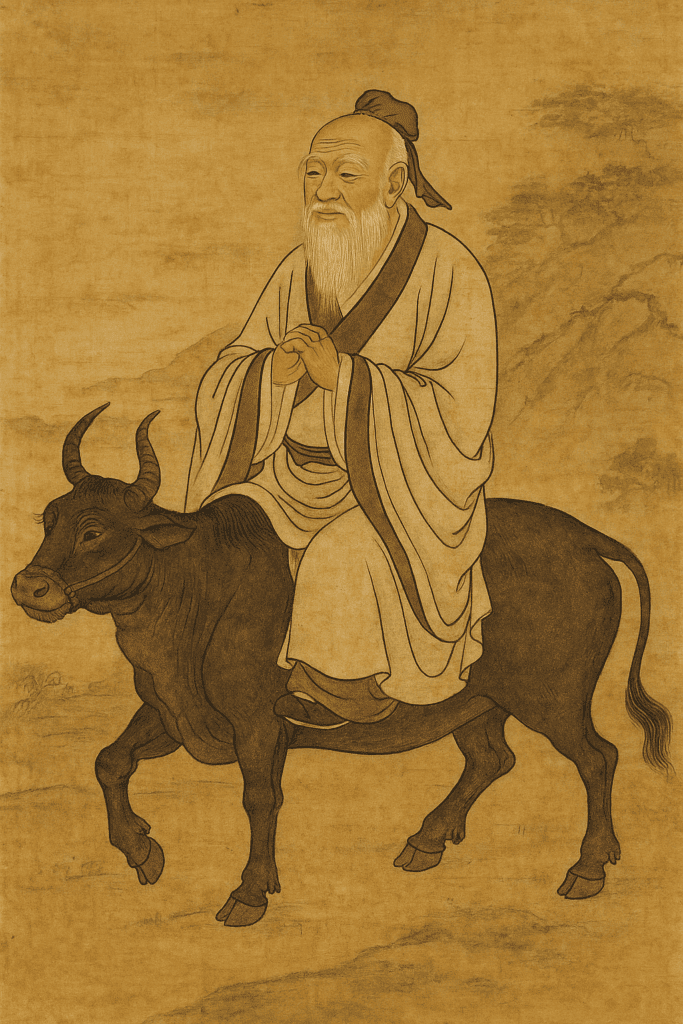
This article explores the historical evolution, doctrines, architecture, and lived practices of Daoist monasticism.
This article explores the hidden architecture of Confucian monastic life: its moral ideals, educational institutions, meditative practices, and enduring legacy in Chinese culture.
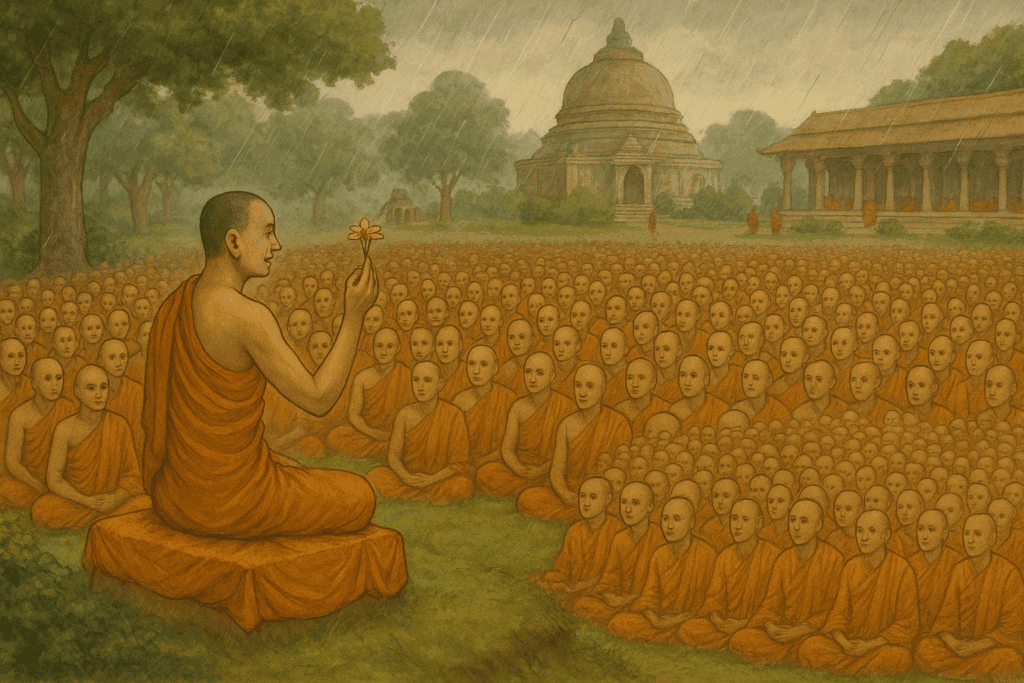
This article traces the delicate thread that links the barefoot sages of ancient India with the Zen monks of Japan, the Christian mystics of the desert, and the Buddhist nuns of today.
This article traces the evolution of military orders, from their sacred origins to their secular echoes.
This article is a journey through that hidden history—from the guild to the lodge, the campus to the cloud—exploring how fraternal models have woven themselves into the very fabric of human society.
Wisdom and deeper understanding require context—a mental framework to organize the information you gather. Without this foundation, facts remain isolated pieces rather than components of a coherent worldview.
In the sections that follow, we will explore the foundations and training of mental strength from a scientific humanist perspective.
In this article, we will explore ritual not just as tradition, but as a science of meaning and transformation.
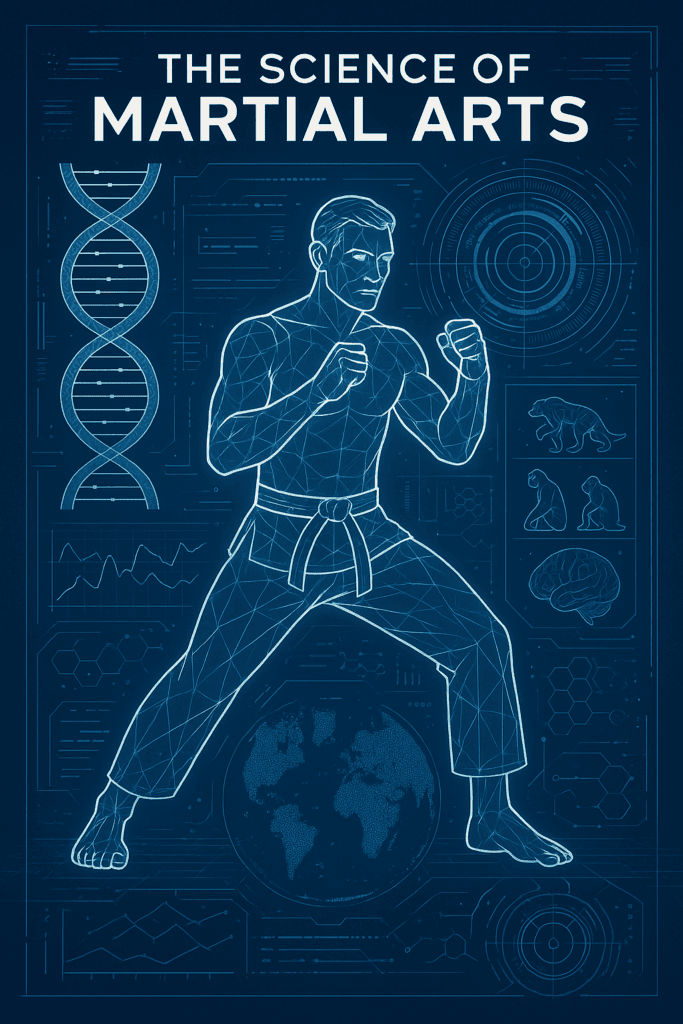
This article takes a grounded, evidence-based approach to martial arts. We begin with biology and the natural roots of combat, trace the historical evolution of martial systems, and strip away myth to reveal what works.
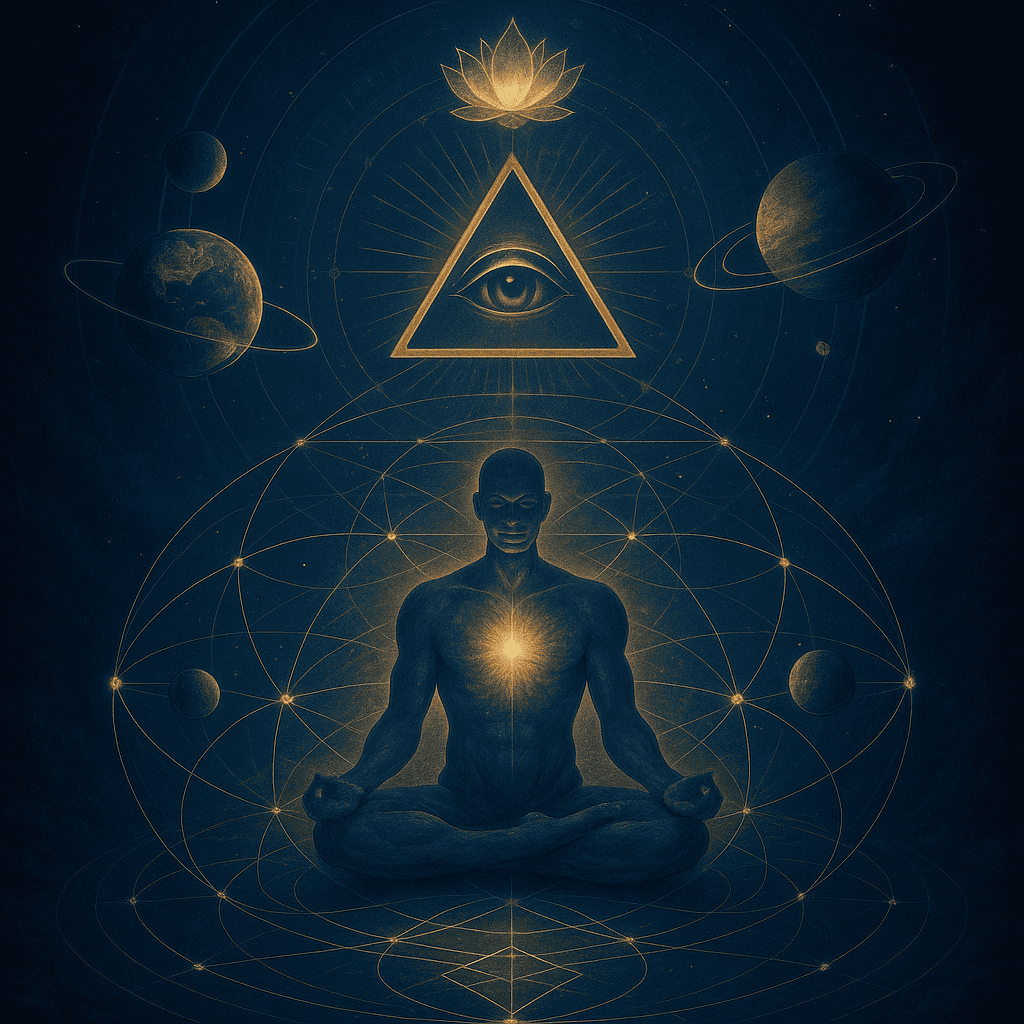
Symbolic alchemy and the liberal arts comprised the holistic worldview at the foundation of Freemasonry and modern science and they are just as necessary today.