
Interfaith Coexistence in the Age of Intelligence: A NAVI Analysis
Neutral Analytical Vigilance Institute (NAVI) | Science Abbey Global Intelligence Initiative | Policy Brief — For Government, Civil Society, and International Institutions

Traditions Reimagined — Exploring the Sacred with Clarity
Investigate the world’s religious traditions through a scientific humanist lens—balancing historical insight, critical thought, and spiritual depth.
Neutral Analytical Vigilance Institute (NAVI) | Science Abbey Global Intelligence Initiative | Policy Brief — For Government, Civil Society, and International Institutions
A comprehensive guide to semiotics across world religions, culture, government, science, business, and digital media—leading to a vision for humanity’s symbolic future.
A secular humanist analysis of religious encroachment, human rights, and the future of pluralism in democratic societies.
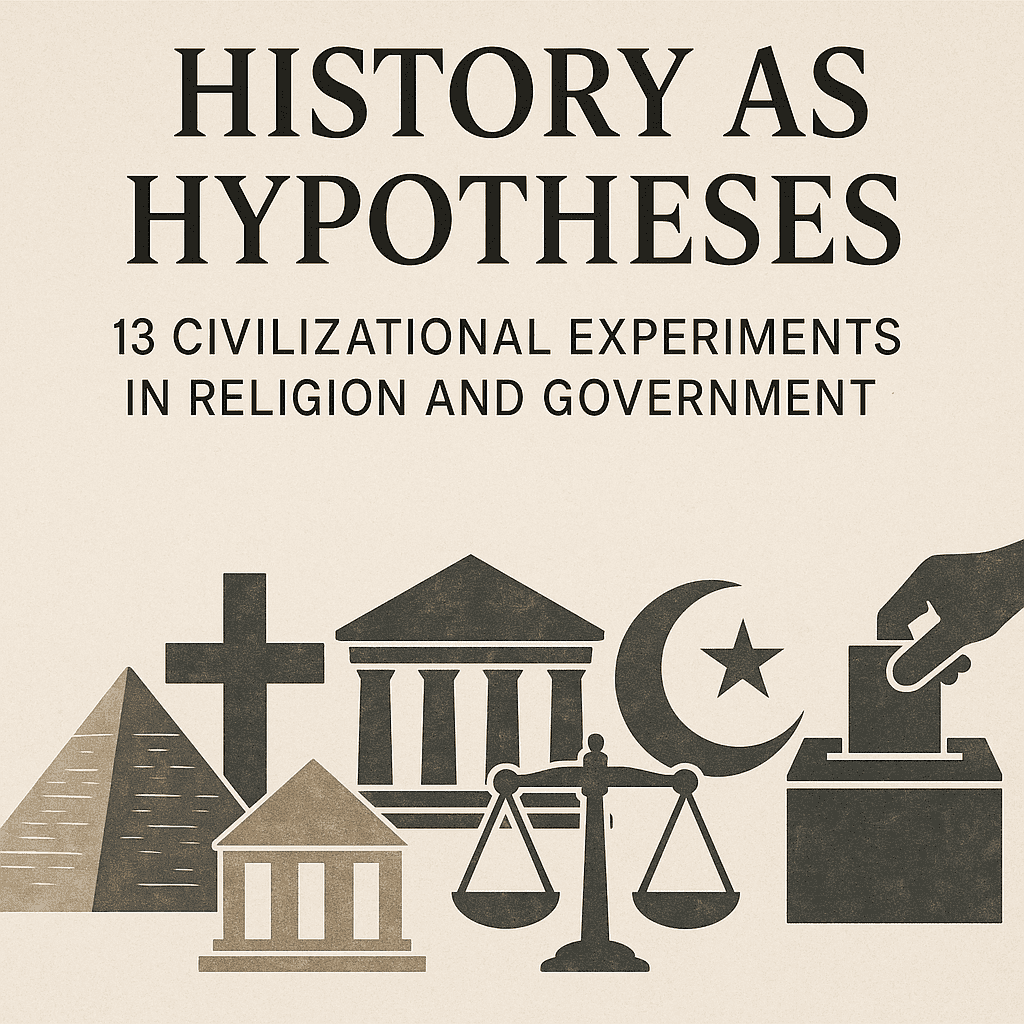
A sweeping analysis of history as a series of civilizational experiments in religion and government, culminating in the emerging model of Secular Scientific Humanist Democracy—an evidence-based, ethically grounded framework for global governance and spiritual evolution.
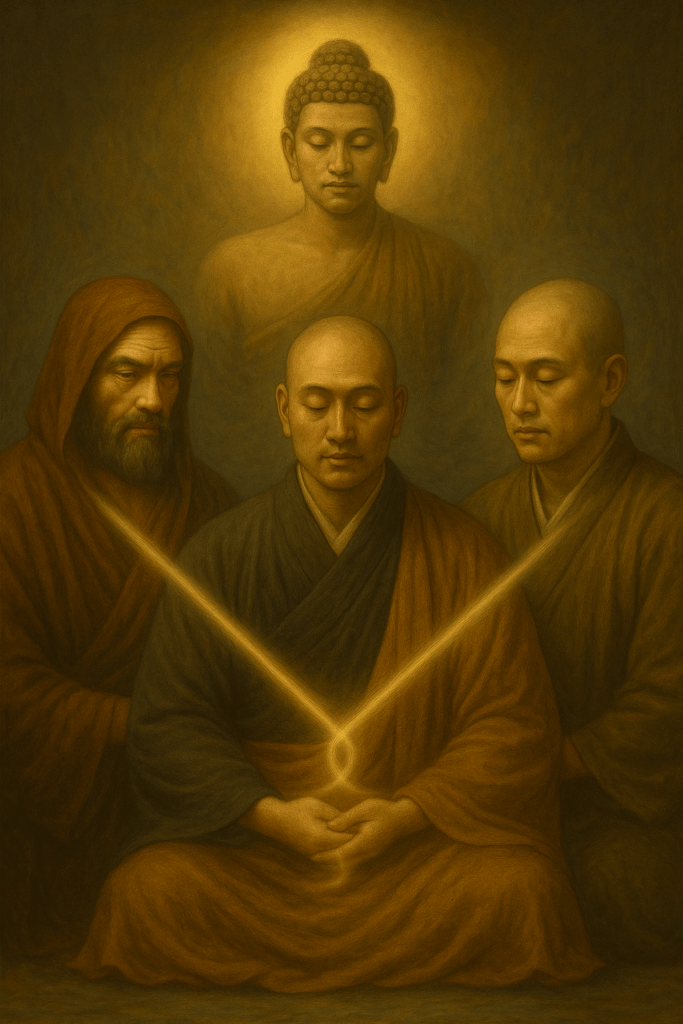
This article traces the journey from Siddhartha to Bodhidharma, to Dōgen and mountain monasteries, to urban zendos and American homes.
Sōtō Zen was born from a deep current of wisdom that flows from India through China to Japan, shaped not by conquest or proclamation, but by the gentle, steadfast practice of sitting in silence.
This article traces the global journey of the Dharma, beginning with the Buddha’s lifetime and spreading outward across Asia, Europe, Africa, the Americas, and Oceania.
This article traces the journey of Japanese monasticism—from its earliest roots to its global flowering—revealing a tradition that, though ancient, remains vibrantly alive.
Explore the legacy of the Muslim alchemists who preserved and transformed ancient alchemical knowledge, blending science, mysticism, and innovation in the Islamic Golden Age.
This article offers a concise introduction to the intertwined history of magic, alchemy, science, and religion.
Daoist magicians used the elements and processes of the science of chemistry as symbols in their visualizations, which were preparations for meditation leading to the “embracing the One” of Laozi.
This article follows the story of Chan from its earliest roots in India and Daoist China, through its flowering in Tang and Song dynasties, and outward into the temples, poetry, and practices of East Asia.