
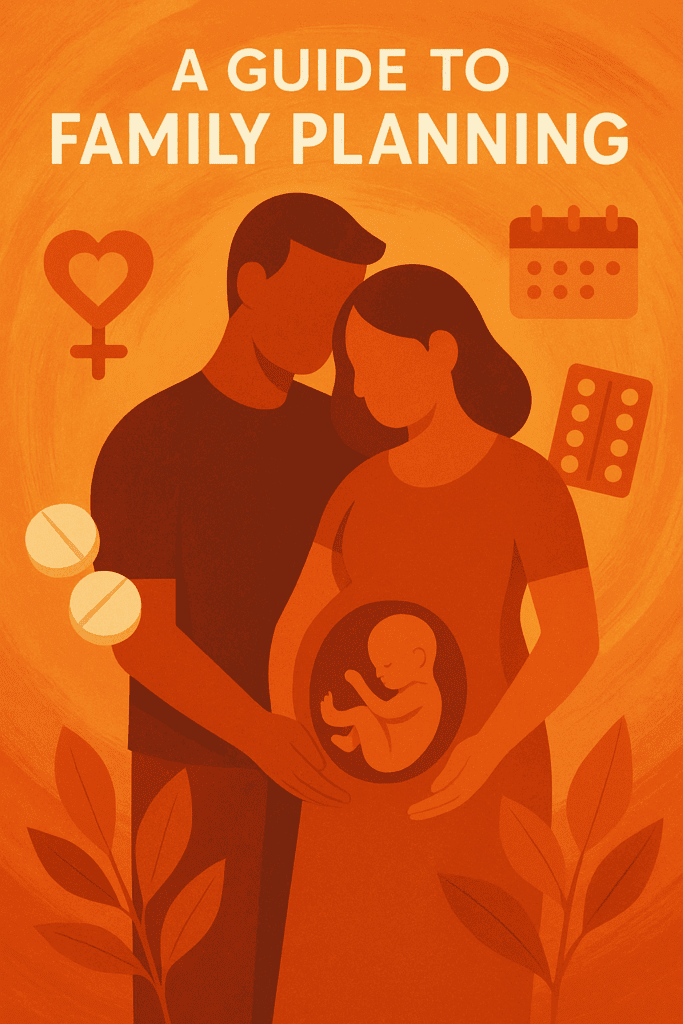
A Guide to Family Planning: A Scientific, Social, and Ethical Approach
This guide aims to clarify the key concepts, choices, and consequences of family planning.

Dignity, reason, and moral integrity.
Examine the ethical and civic foundations of secular humanism—where science, compassion, and critical thought shape a wiser future.
This guide aims to clarify the key concepts, choices, and consequences of family planning.

We aim to investigate not only how wealth has evolved across cultures and epochs, but how it can be understood, cultivated, and deployed today to serve the long-term flourishing of individuals, communities, and the global environment.

In the pages that follow, we will journey through the origins and development of anthropology and sociology, trace the history of social hierarchy and class division from ancient civilizations to the present global economy, and explore key social concepts—patriotism, nationalism, tribalism, individualism, and human rights—through a humanist lens.
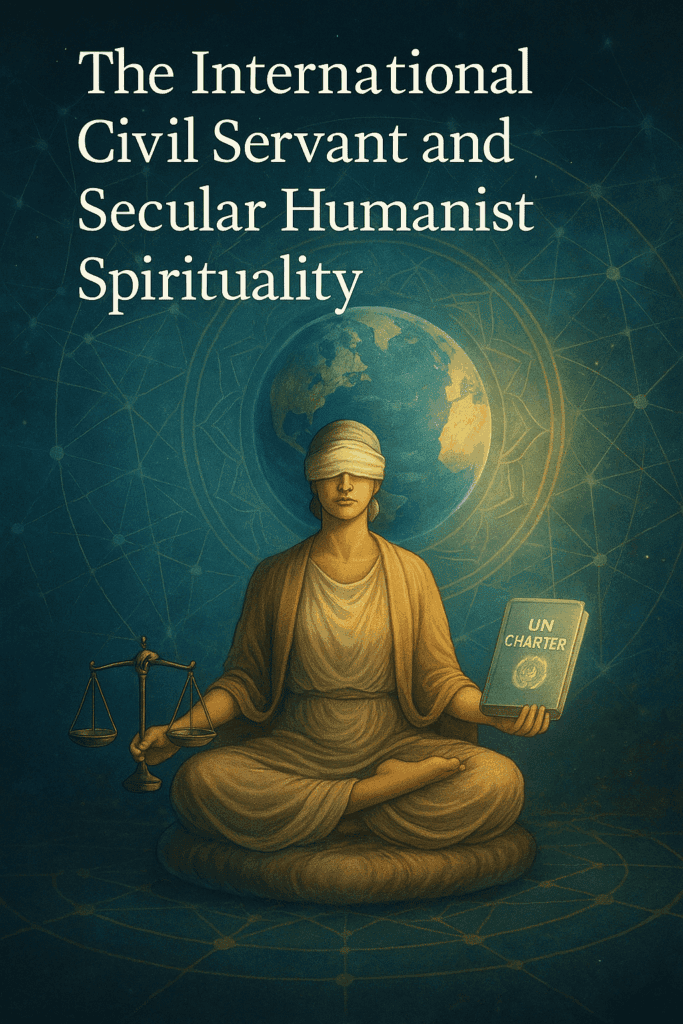
Here we explore the subtle but profound spiritual dimension of global governance and we introduce Science Abbey as a modern sanctuary for secular wisdom and global conscience.
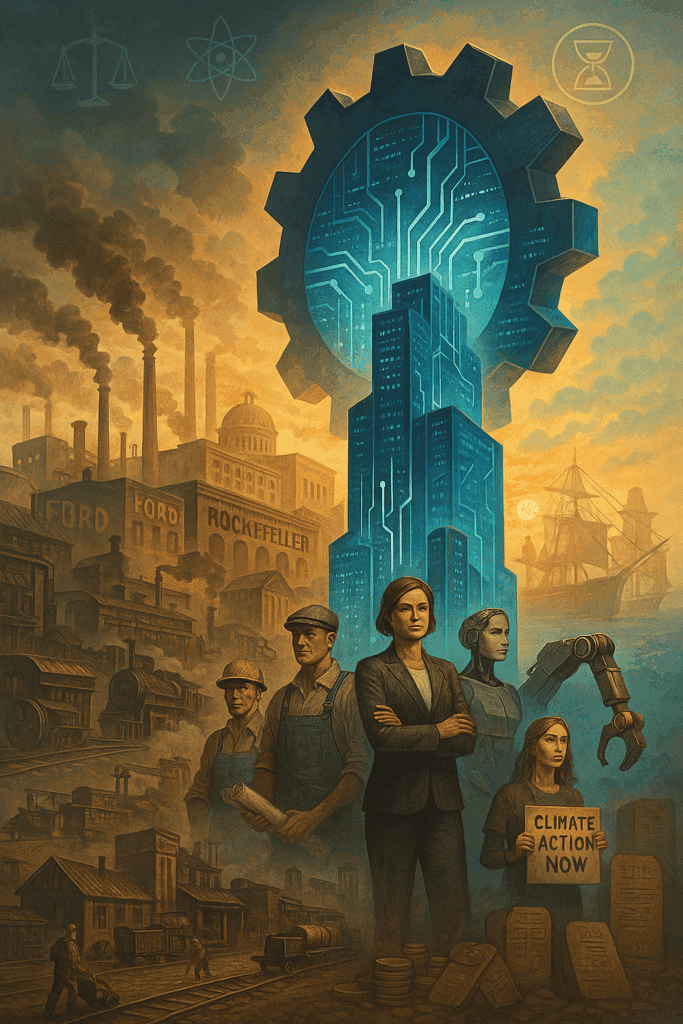
If the corporation is the defining institution of the modern world, then understanding it—its logic, limits, and potential—is not just useful. It is imperative.
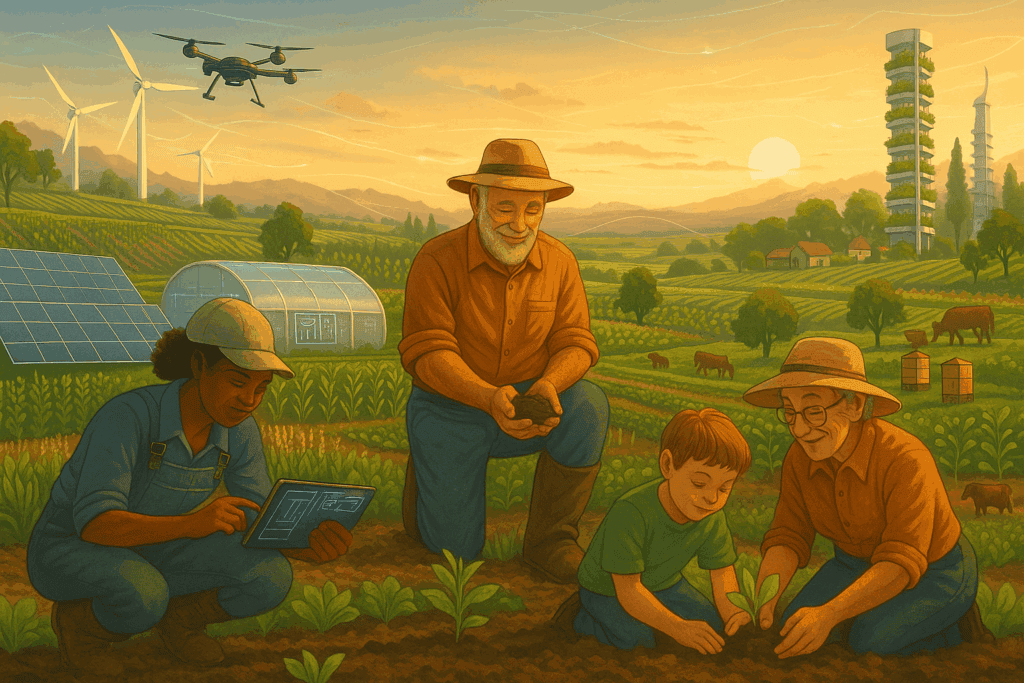
This article explores farming as both a scientific and ethical practice—examining soil, crops, animals, and technology through the lens of sustainability and human well-being.
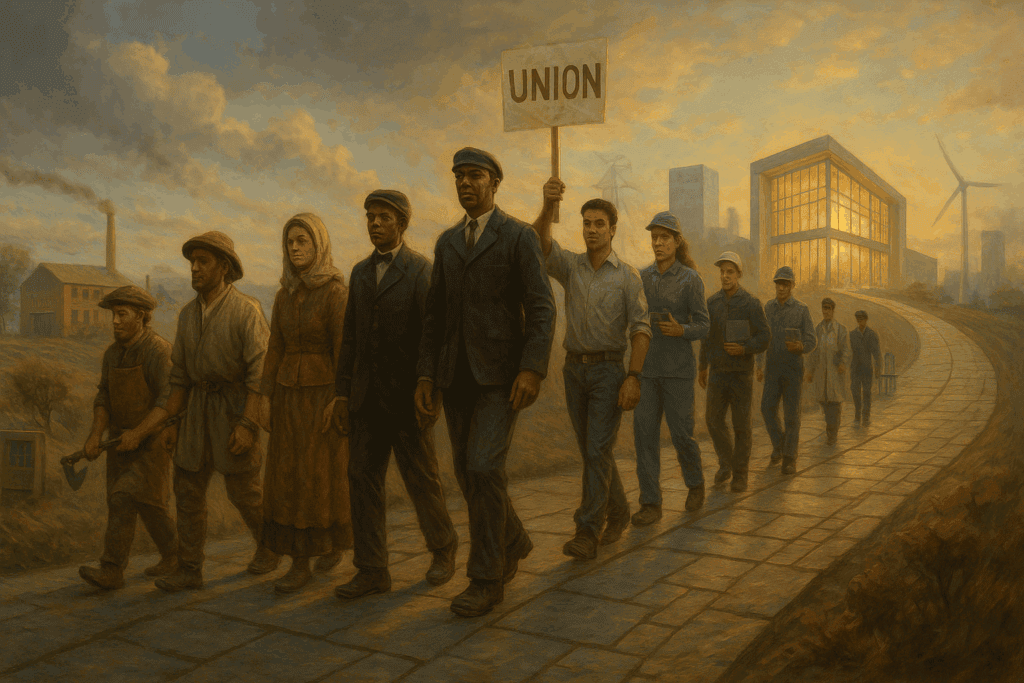
This article takes a comprehensive look at the labor movement and trade unions through multiple lenses: biological, ecological, historical, anthropological, sociological, political, economic, and psychological.

We will explore how to discern truth from fiction through the tools of unbiased empirical inquiry and critical thinking.
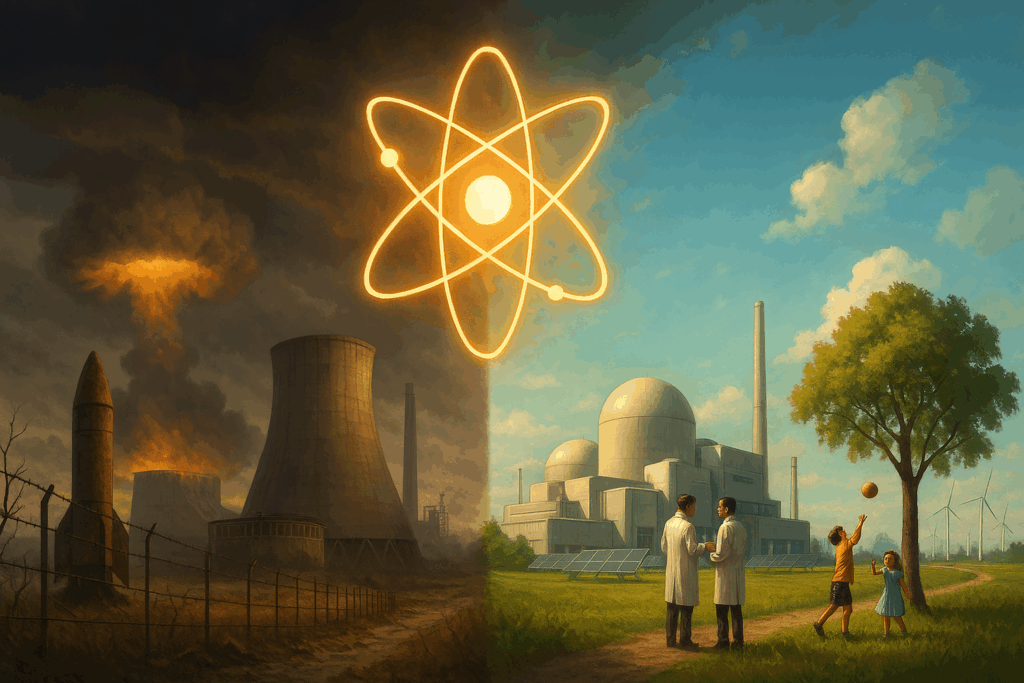
This article explores the science, history, and global impact of nuclear power—from its discovery and energy uses to weapons, regulation, and ethics—offering an Integrated Humanist vision for its responsible future.
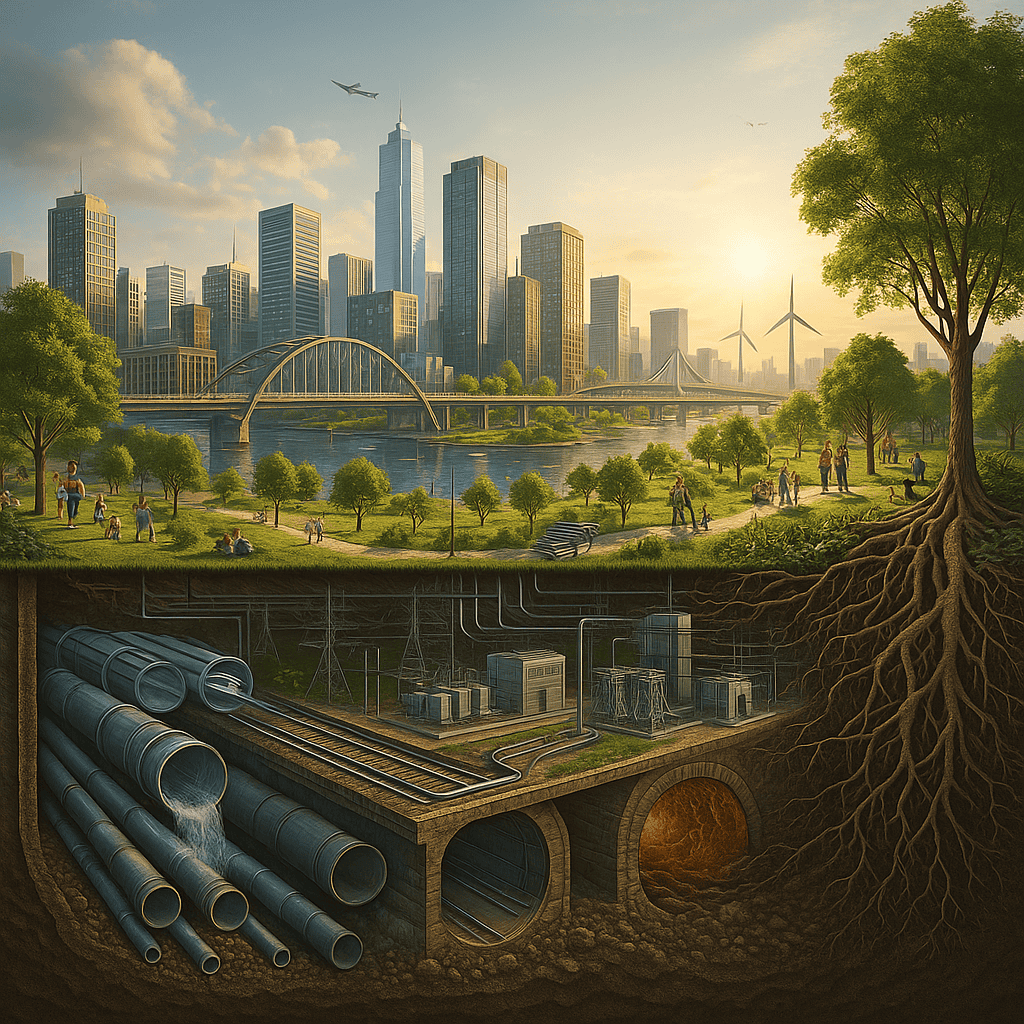
This article examines civil engineering and infrastructure today—its scientific foundations, technological tools, global challenges, and the guiding vision of Integrated Humanism focused on equity, sustainability, and human dignity.
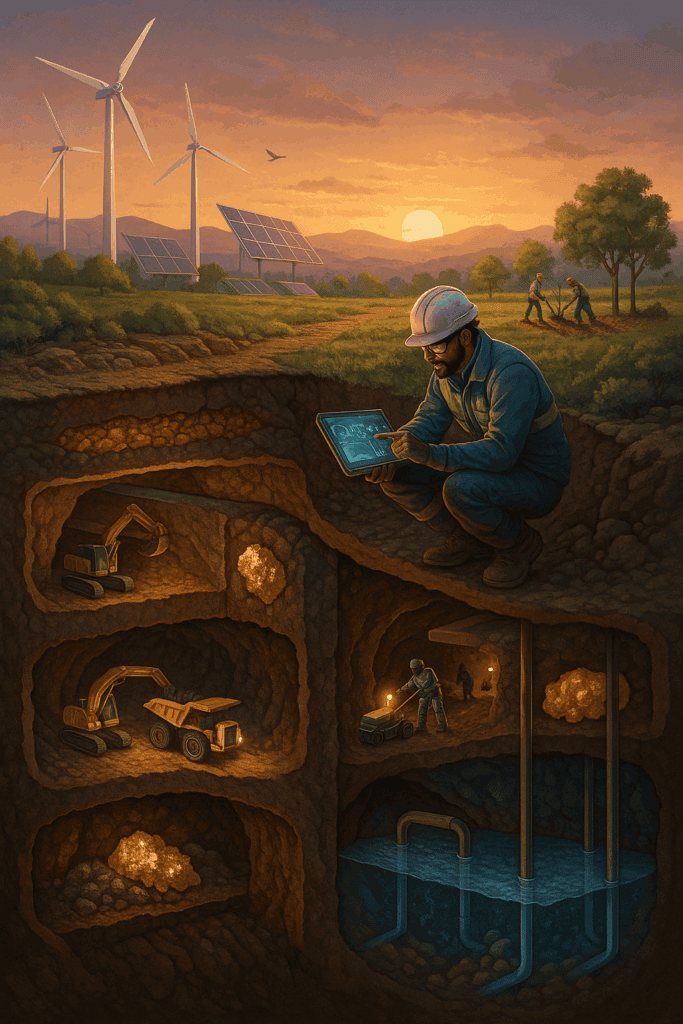
How do we extract the Earth’s resources without destroying the very systems that sustain life? How do we build a future that is materially rich, ethically sound, and ecologically viable?

Development refers to the process by which societies improve the well-being of their members, typically through advances in education, healthcare, infrastructure, technology, governance, and the economy.