Creaturism: The True Meaning of Humanism
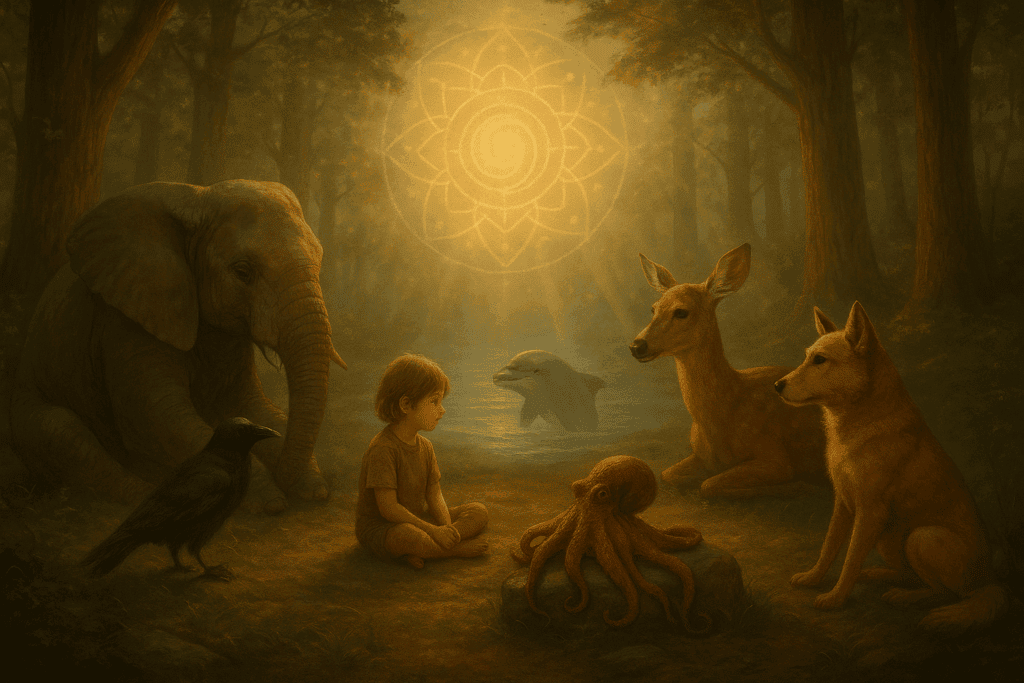
Discover the true meaning of Humanism in this thought-provoking article on Creaturism—a compassionate, science-based philosophy that extends moral concern beyond humanity to all sentient life.

Dignity, reason, and moral integrity.
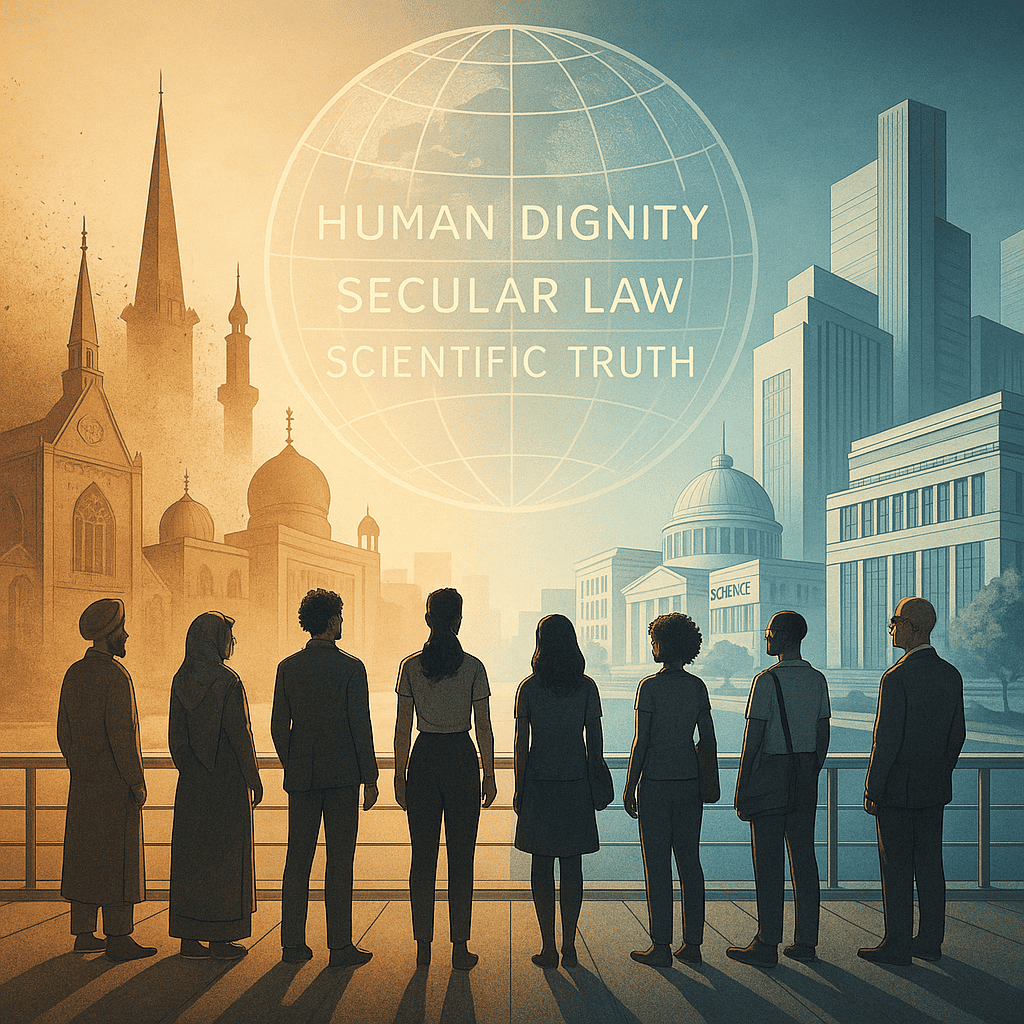
Examine the ethical and civic foundations of secular humanism—where science, compassion, and critical thought shape a wiser future.
Discover the true meaning of Humanism in this thought-provoking article on Creaturism—a compassionate, science-based philosophy that extends moral concern beyond humanity to all sentient life.
In the following sections, we will define advising and consulting, distinguish their core attributes, and examine the major sectors where they operate.
Explore how the Neutral Analytical Vigilance Institute (NAVI) combats disinformation, information warfare, and psychological manipulation through transparent intelligence, scientific ethics, and Integrated Humanism.
This article explores the roots, mechanisms, and dangers of conspiracy theories.
Explore the science, strategies, and ethics of information warfare in the digital age—from cyberattacks and disinformation to global intelligence and neutral analysis by NAVI.
Explore the science of security and the future of intelligence in a global, AI-driven era. Discover neutral, independent analysis through Science Abbey’s MetaHub and NAVI.
This article explores the science of science advocacy: why it matters, how it works, and how scientists can do it better.
This article aims to provide a reliable compass for navigating the modern media landscape. It introduces the foundational principles and ethical commitments that shape quality journalism.
Philanthropy is the love of humanity expressed through voluntary action for the common good. The word itself originates from the Greek philos (love) and anthropos (human being), and its classical meaning is to care for others not out of obligation, but out of conscience and compassion.
This article explores the full landscape of energy: what it is, how it works, where it comes from, and where it is taking us.
This article explores the full arc of the history of timekeeping: from ancient sundials and sacred calendars to atomic clocks and contemporary proposals for global synchronization.
To examine war through a scientific lens is not to glorify it, but to understand it—rationally, historically, and morally.