

The Science of Wholeness Handbook
This handbook, The Science of Wholeness, is an interdisciplinary synthesis designed to bridge the realms of science, philosophy, and spirituality.

Exploring the outer universe and the inner self.
Journey through the scientific and philosophical exploration of the cosmos and consciousness as complementary frontiers of human understanding.
This handbook, The Science of Wholeness, is an interdisciplinary synthesis designed to bridge the realms of science, philosophy, and spirituality.

This is the story of everything.
It begins not on Earth, nor even in the Milky Way, but at the very boundary of space and time itself—where the laws of physics as we know them emerged from a cosmic singularity or something stranger still.
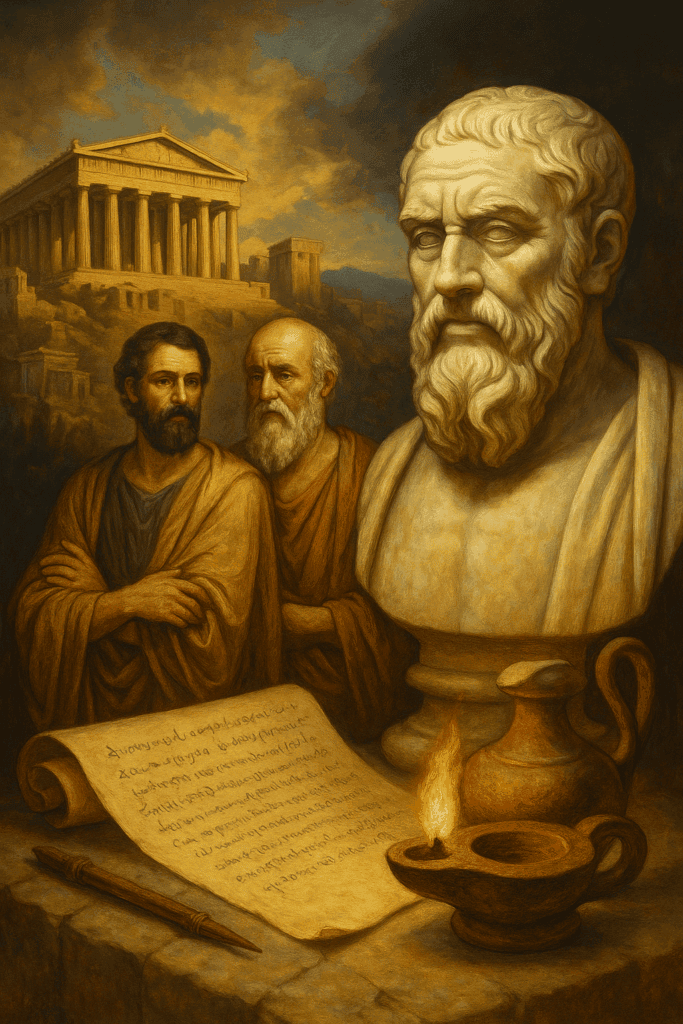
Stoicism is one of the most influential philosophical traditions in Western history, renowned for its emphasis on reason, virtue, and the art of living well in the face of adversity.
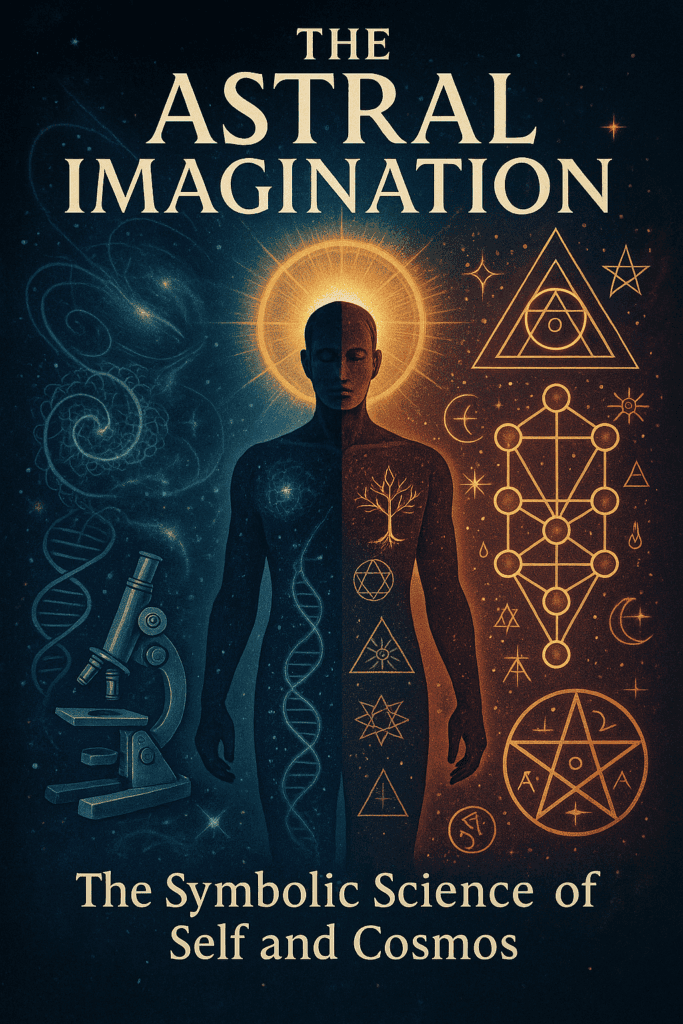
Magic, in its essence, is the ritualized use of symbolic action to affect change in the world.
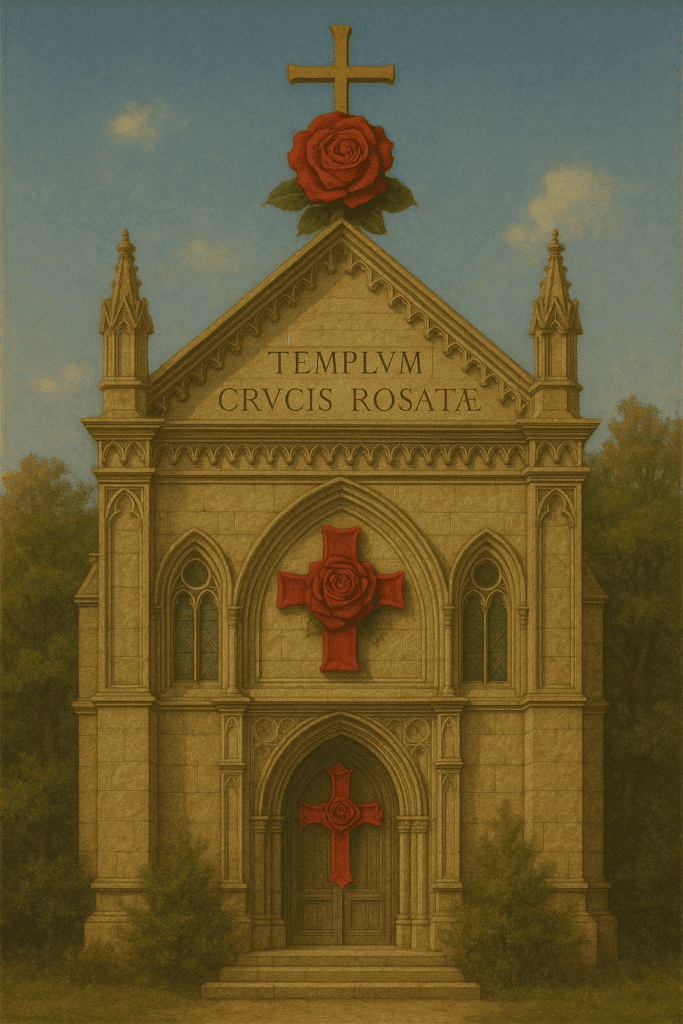
The Rosicrucian Movement, based on a system of Christian alchemical mysticism, embodied many aspects of the Renaissance Hermetic-Kabbalistic tradition.
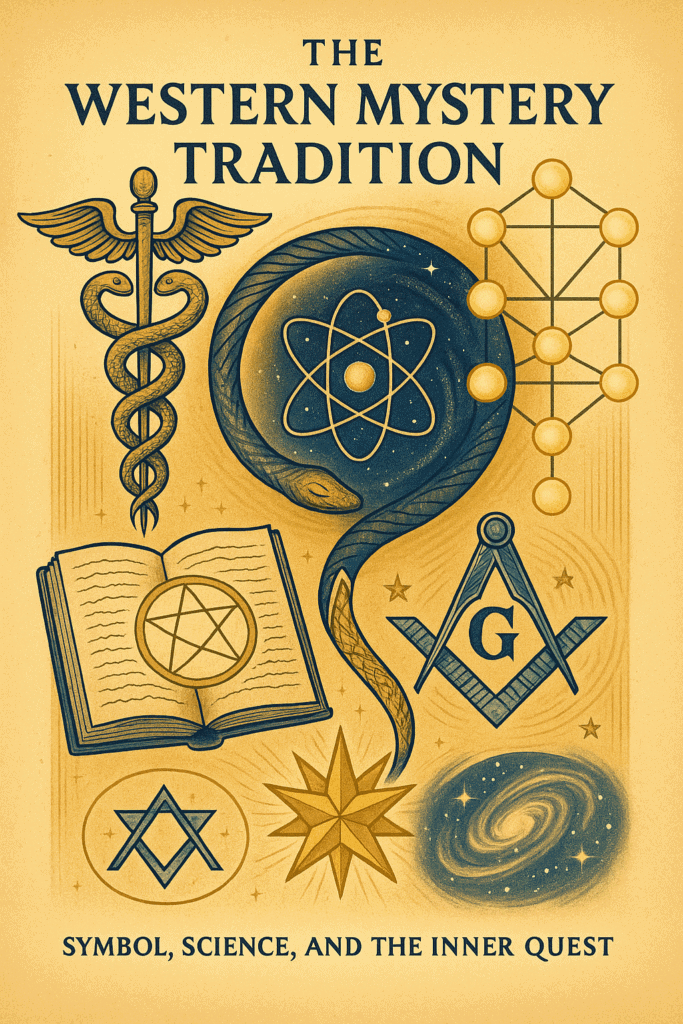
Western esotericism, often referred to as the Western mystery tradition, encompasses a diverse array of spiritual, philosophical, and mystical movements that have developed within Western society.
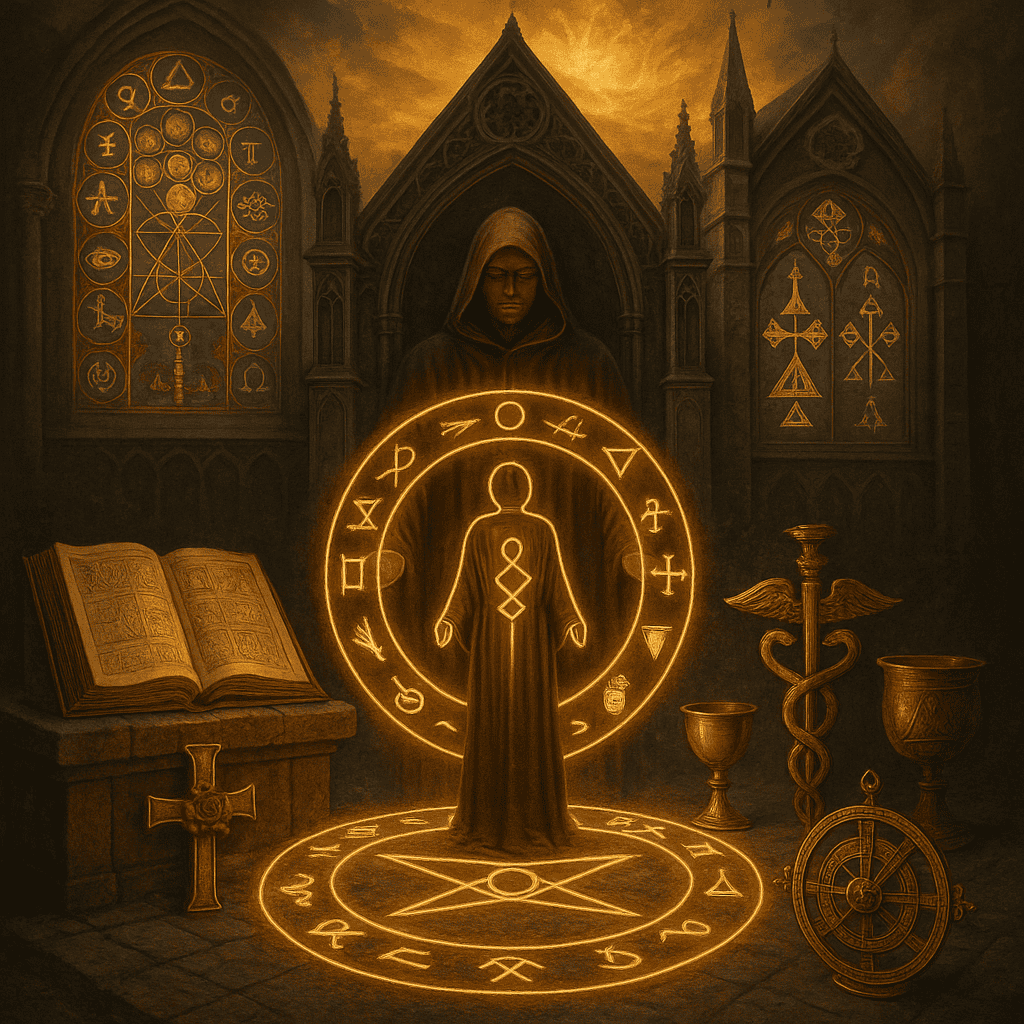
The eight interconnected systems within the Western Mystery Tradition are: the ancient Mysteries, Neoplatonism, Hermetic philosophy, symbolic alchemy, Kabbalah, early and Renaissance magic, Rosicrucianism, Freemasonry and related fraternal organizations.
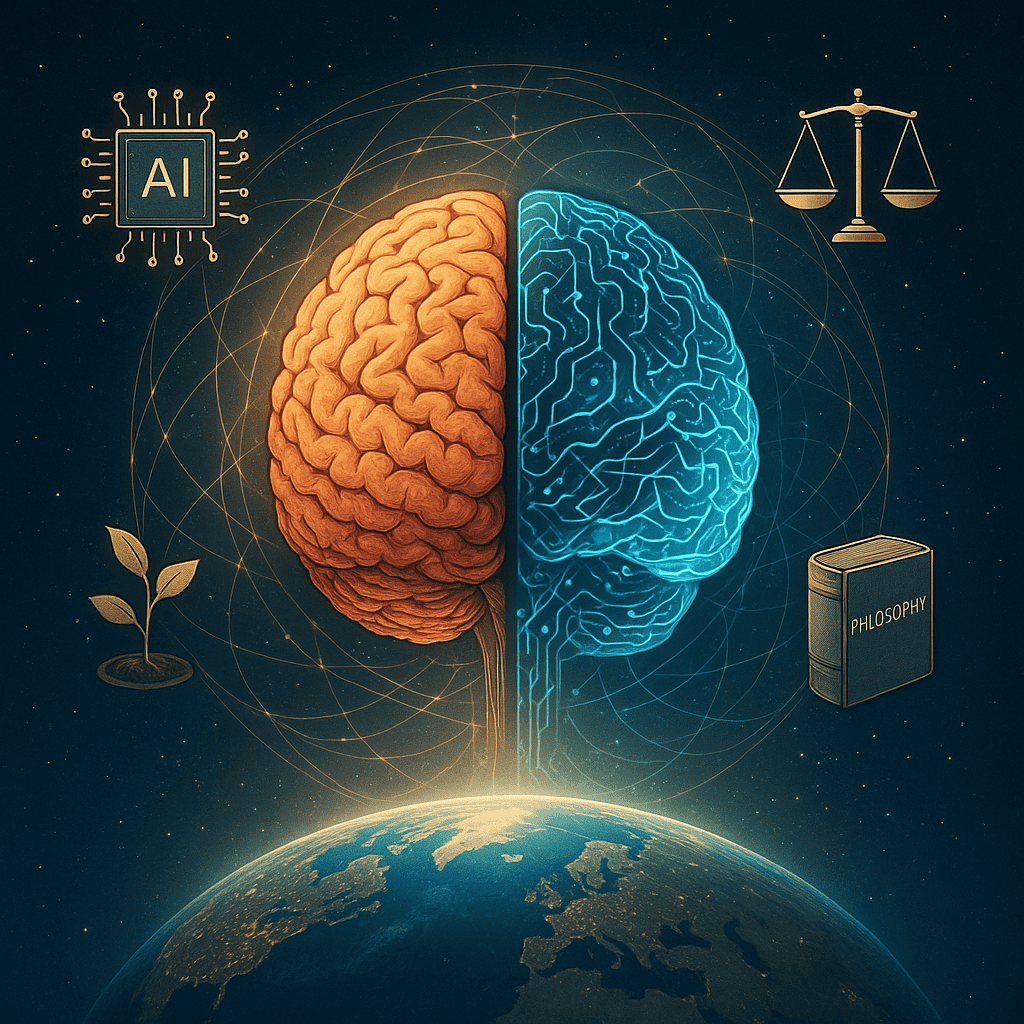
is a chronologically and thematically organized journey through the world’s philosophical traditions—Eastern and Western, ancient and modern, spiritual and secular.

This article explores death from a broad scientific humanist perspective, integrating insights from medicine, biology, psychology, sociology, and philosophy.
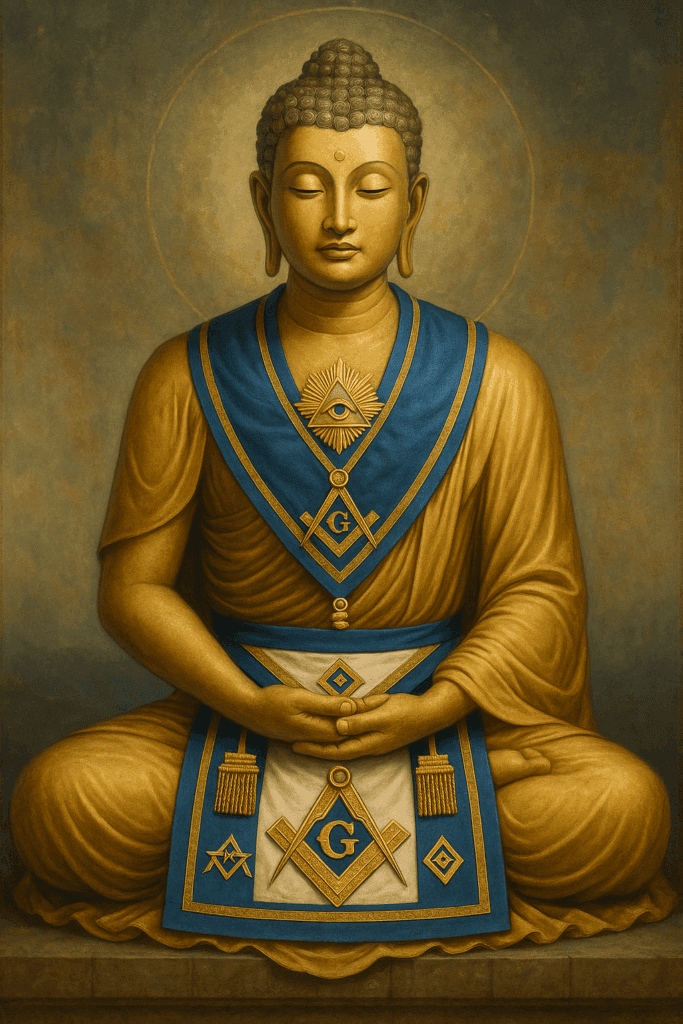
The Zen Master, the Master Mason, and the scientific humanist may use different tools—zafu, square and compasses, or microscope—but all seek the same outcome: a well-built world and a well-formed person.
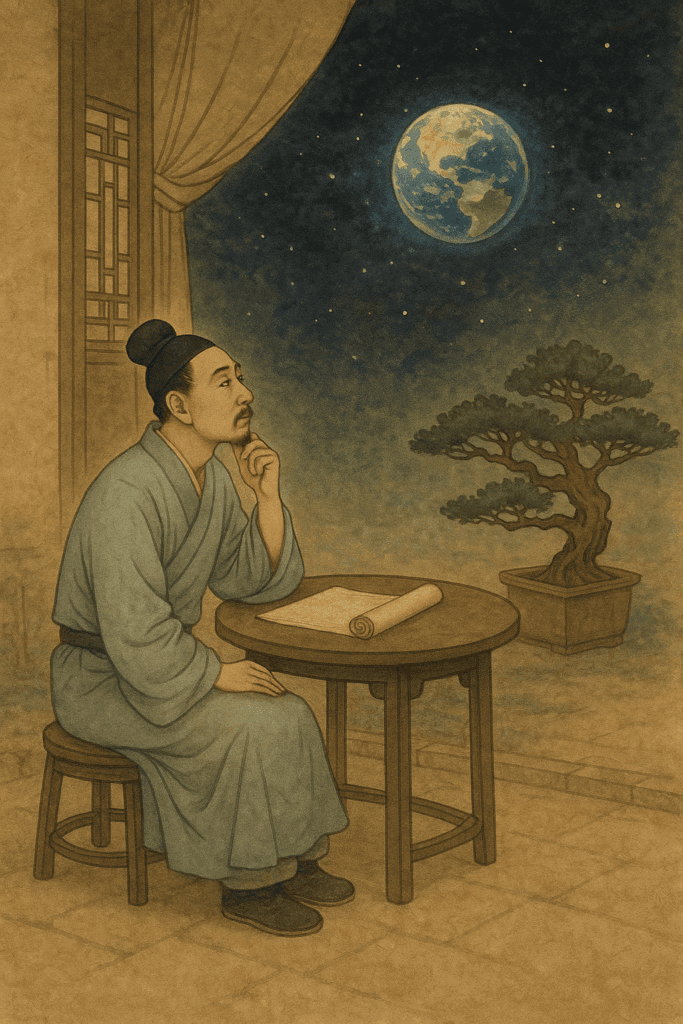
This article explores the hidden architecture of Confucian monastic life: its moral ideals, educational institutions, meditative practices, and enduring legacy in Chinese culture.
Wisdom and deeper understanding require context—a mental framework to organize the information you gather. Without this foundation, facts remain isolated pieces rather than components of a coherent worldview.