
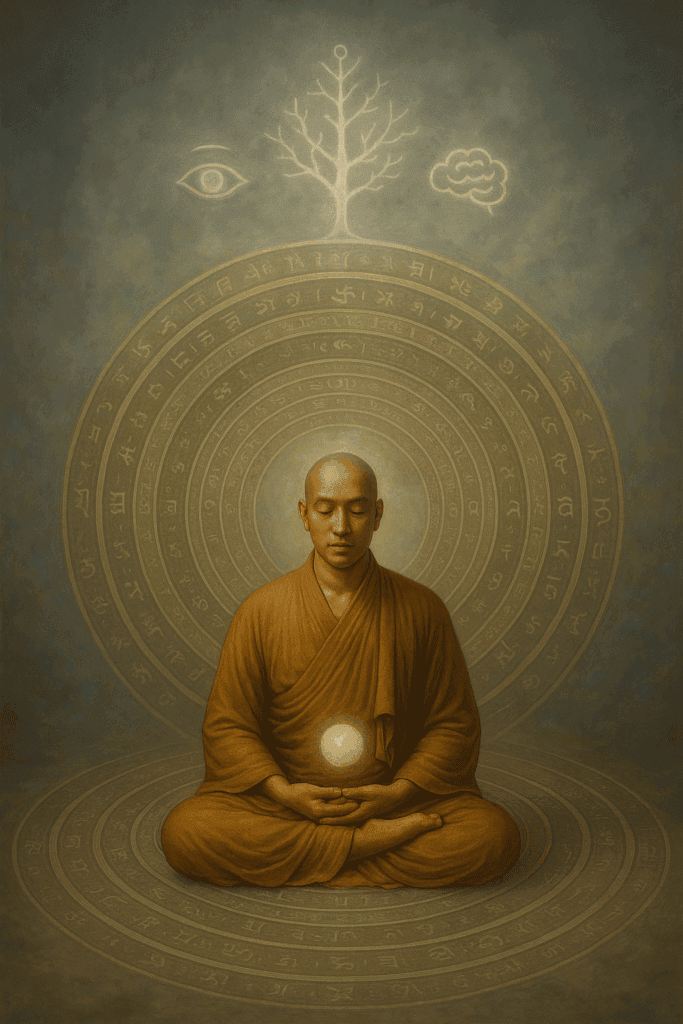
Zen Yoga: Yogācāra
This article explores Zen Yoga, the practice of meditative inquiry grounded in the Yogācāra school of Mahāyāna Buddhism.

Exploring the outer universe and the inner self.
Journey through the scientific and philosophical exploration of the cosmos and consciousness as complementary frontiers of human understanding.
This article explores Zen Yoga, the practice of meditative inquiry grounded in the Yogācāra school of Mahāyāna Buddhism.
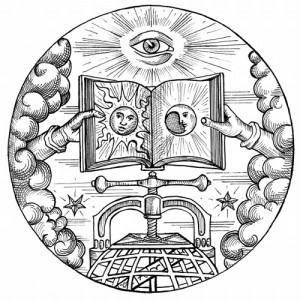
The Royal Art, known technically as symbolic or speculative alchemy, is the art of eternal transformation. In illumined circles it is the art of doing nothing.
Edward Bulwer-Lytton’s 1842 novel Zanoni occupies a curious and influential place in the literary and esoteric traditions of the nineteenth century.
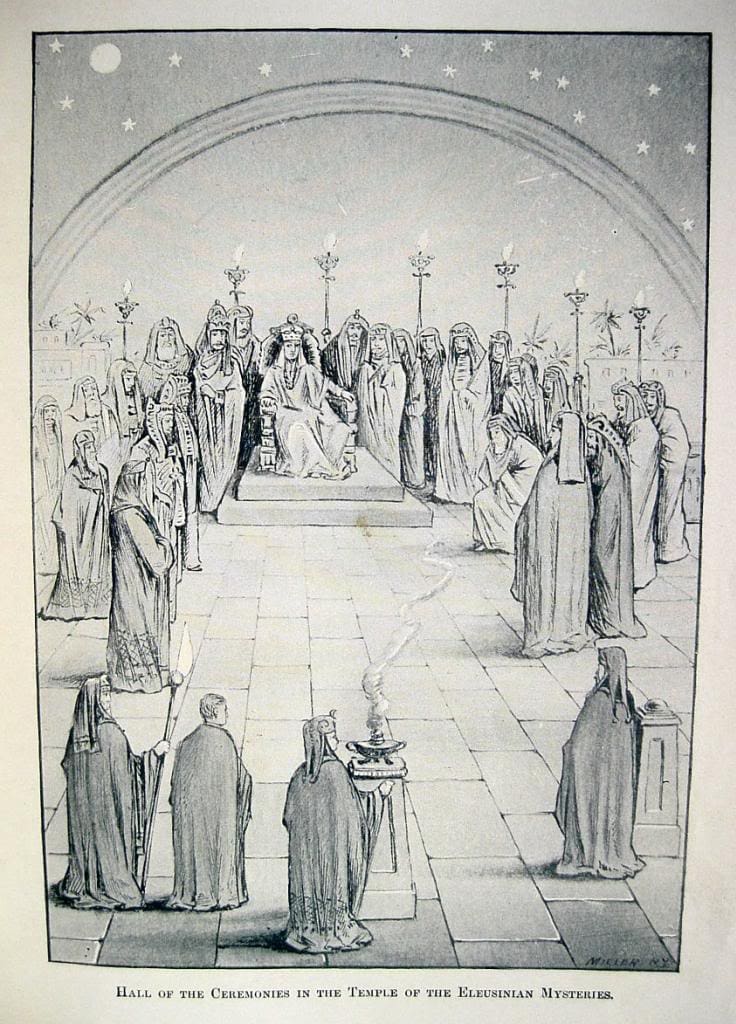
This article traces alchemy’s evolution from the mystery schools of Egypt and Greece to the laboratories of medieval Europe, exploring how early thinkers sought to unite material and spiritual transformation, blending sacred rites, symbolic language, and empirical observation.
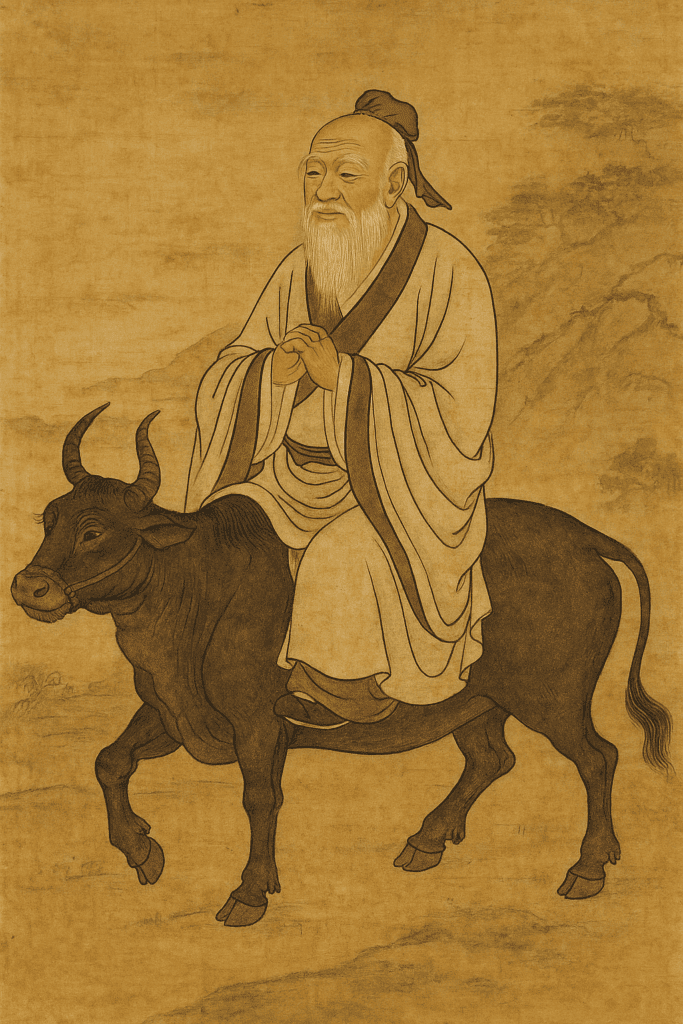
Daoist magicians used the elements and processes of the science of chemistry as symbols in their visualizations, which were preparations for meditation leading to the “embracing the One” of Laozi.
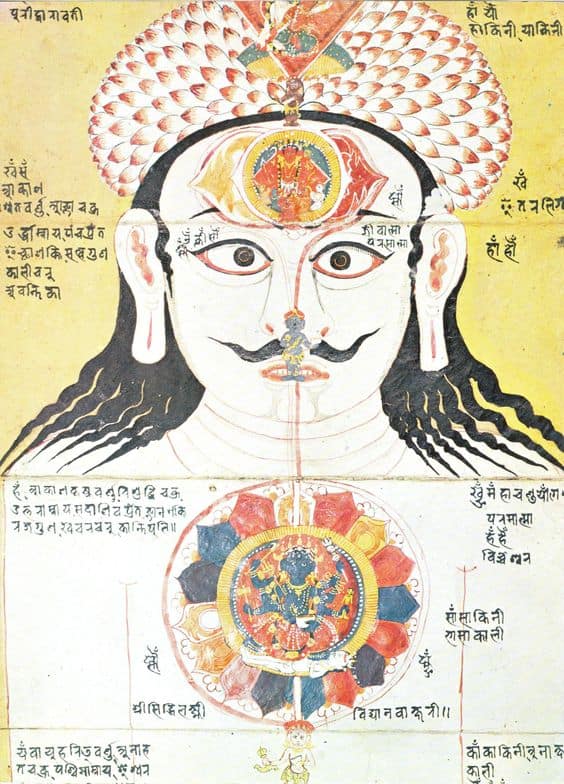
Ancient Indian alchemy began with the Vedas, developed with yoga, and blossomed into Tantra.

The Royal Art, known technically as symbolic or speculative alchemy, is the art of eternal transformation. In illumined circles it is the art of doing nothing.
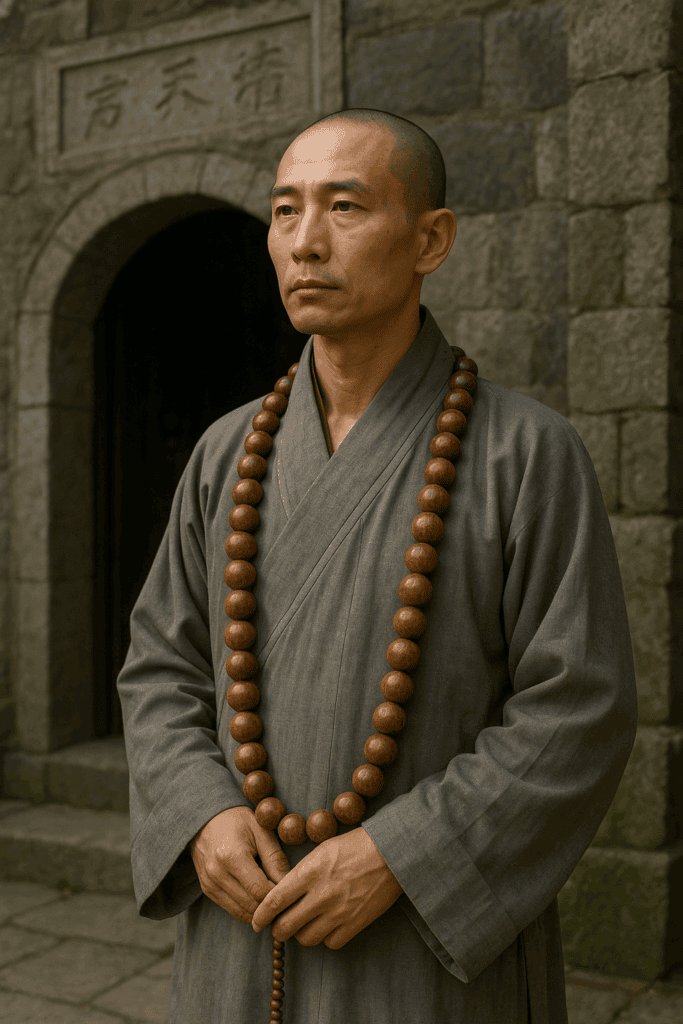
This article follows the story of Chan from its earliest roots in India and Daoist China, through its flowering in Tang and Song dynasties, and outward into the temples, poetry, and practices of East Asia.
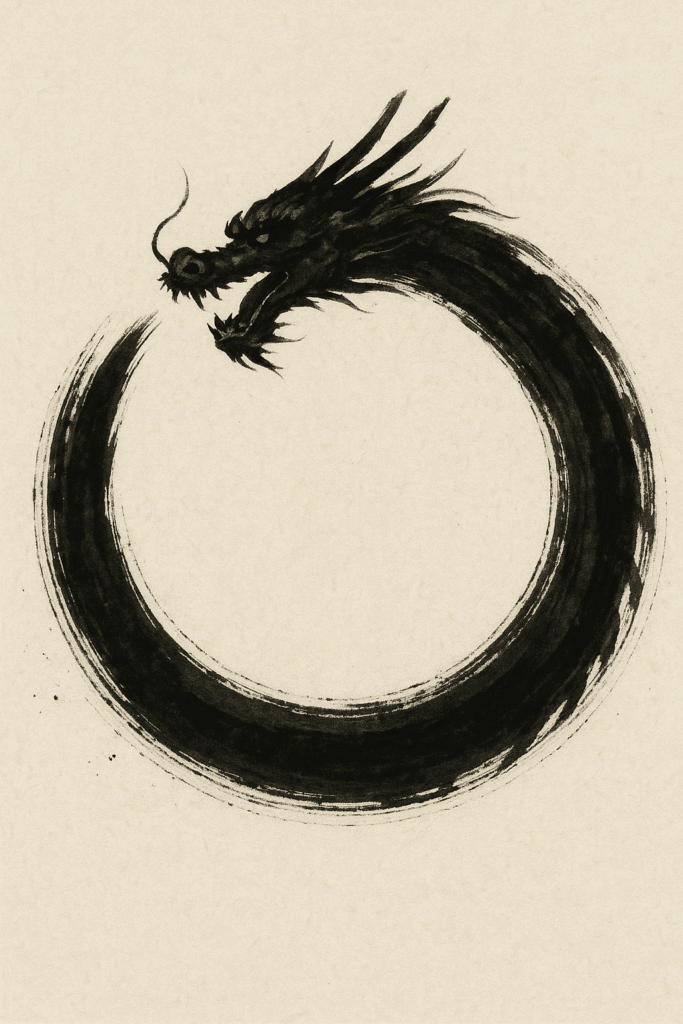
Explore the founding scriptures — the Lankavatara Sutra, the Outline of Practice, and Trust in Mind — through which the Chan spirit first found its voice.
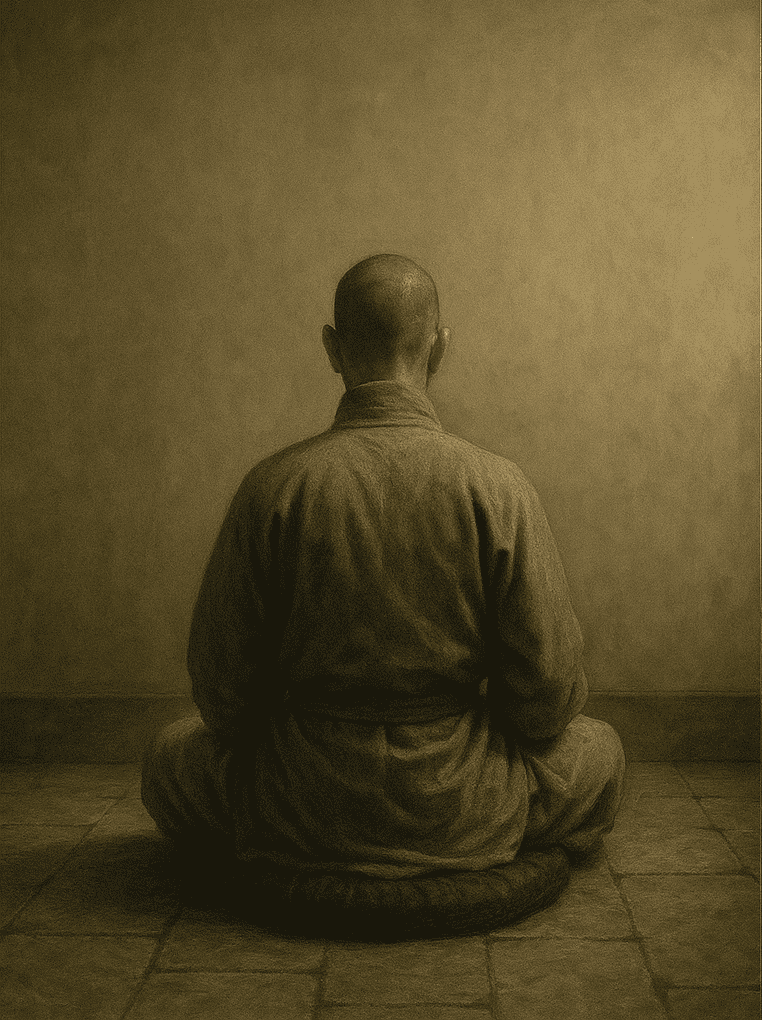
In these pages, we will follow the unfolding of Zen from its Indian and Chinese foundations to its flowering in Japan and its transmission to the West.
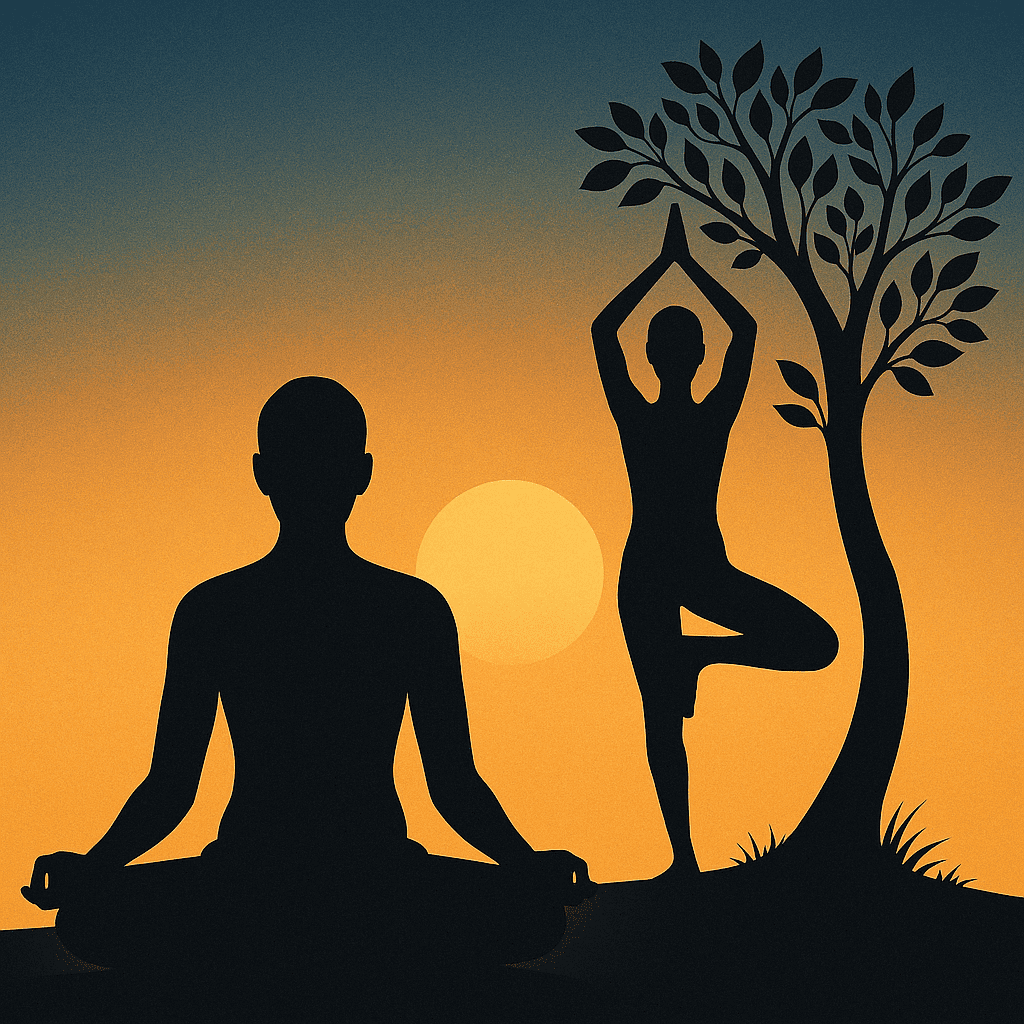
In this article, we explore two distinct yet overlapping traditions: Yoga, with its ancient Indian origins and comprehensive mind-body-spirit framework, and Transcendental Meditation, a 20th-century method rooted in Vedic philosophy but streamlined for modern use.
How long should I sit? When should I do it? How do seasoned practitioners—monks, yogis, therapists, and contemplatives—actually meditate in real life?