
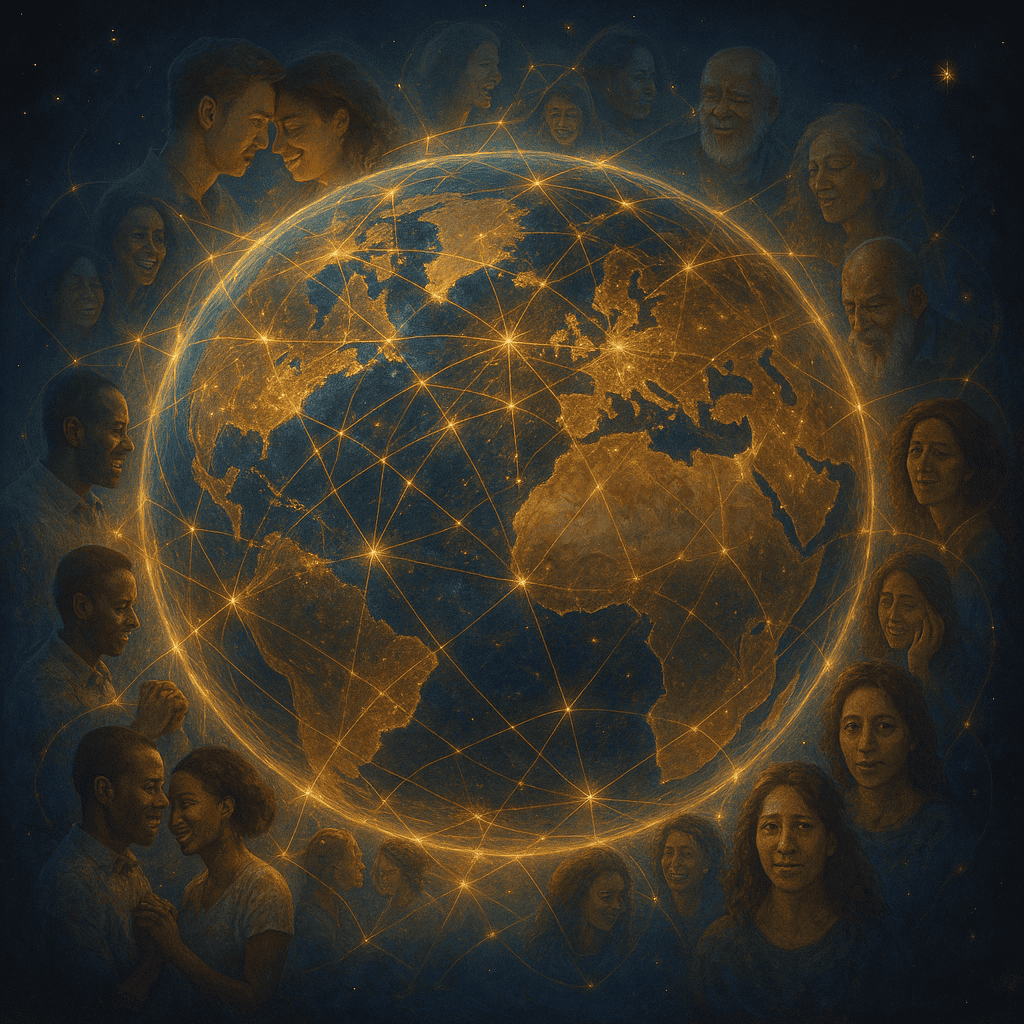
Science, Zen, and the Art of Relationships
This article explores the science of relationships—from biology to philosophy, from ancient traditions to modern technologies.

This article explores the science of relationships—from biology to philosophy, from ancient traditions to modern technologies.

This guide aims to clarify the key concepts, choices, and consequences of family planning.

This article serves as a comprehensive, accessible guide to estate planning and private wealth management. It offers both foundational knowledge and advanced strategies.

The findings in this report call for a recalibration of how we evaluate and engage with science and technology companies on a global scale.

We aim to investigate not only how wealth has evolved across cultures and epochs, but how it can be understood, cultivated, and deployed today to serve the long-term flourishing of individuals, communities, and the global environment.
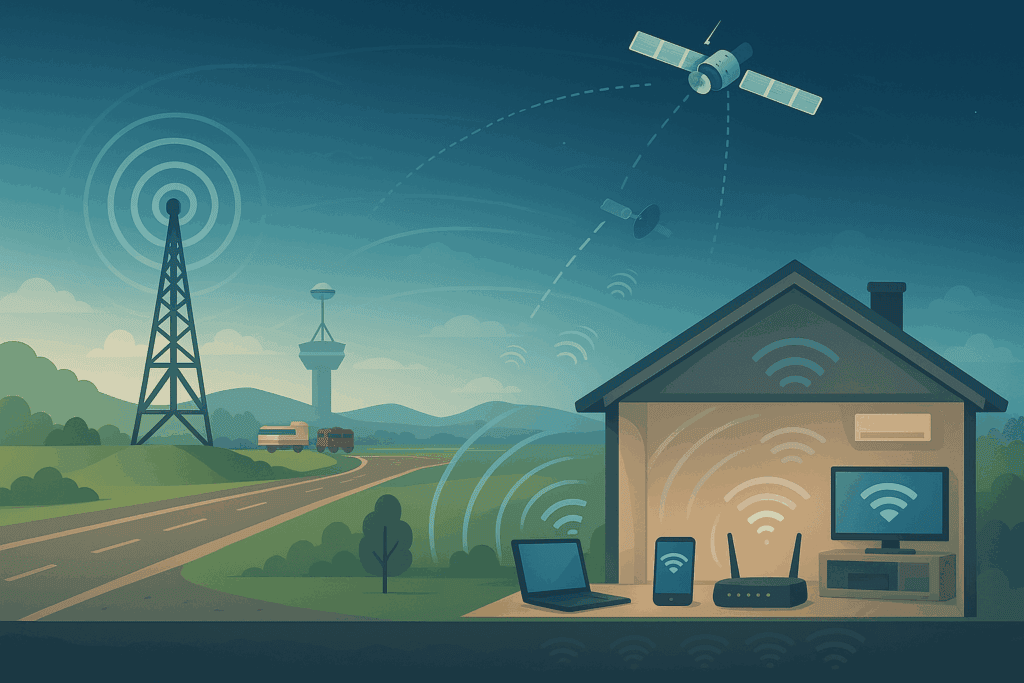
Electromagnetic waves underlie radio, satellite transmission, and Wi-Fi communication—each tailored for particular needs and environments. Though all three rely on the same fundamental physics, they differ greatly in design, range, bandwidth, cost, and application.
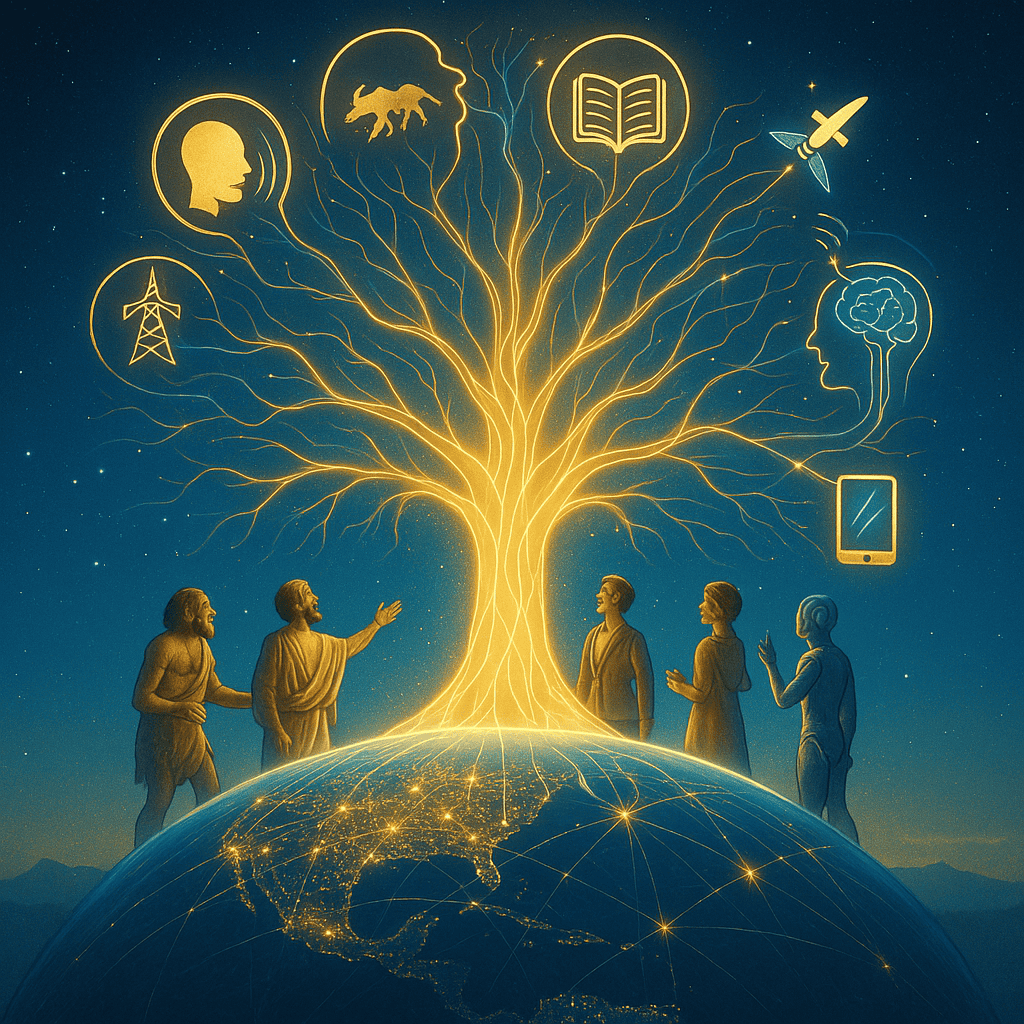
In this article, we explore communication as both a biological instinct and a technological force. We examine its evolution in nature, its refinement in culture, and its transformation through science.
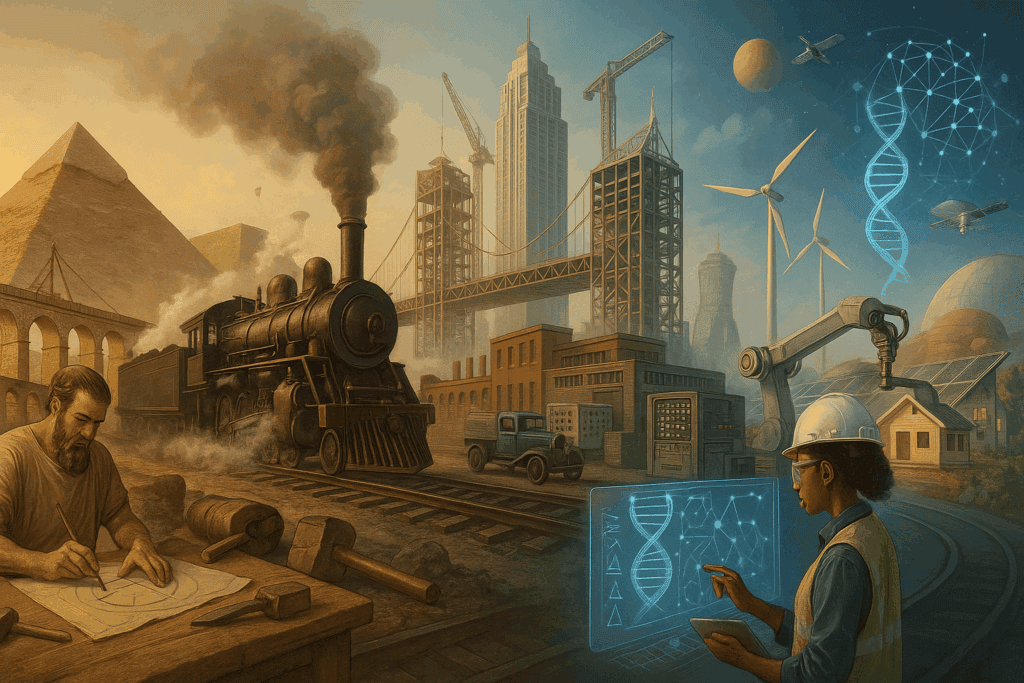
This article charts the global history of engineering, examining its key phases, figures, innovations, and disciplines—before exploring the visionary frontier of engineering’s future.

This article explores the deep history and current frontiers of how humans shape the spaces in which they live.
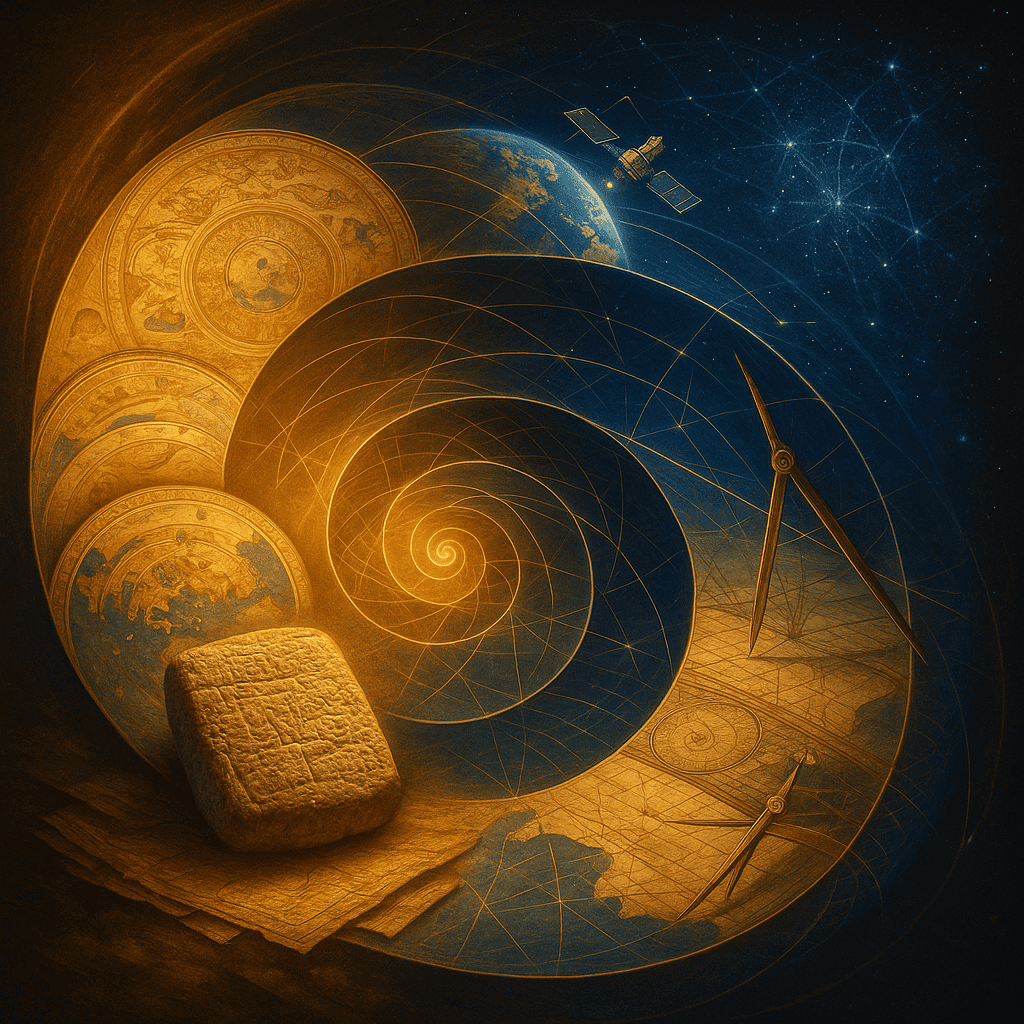
This article traces the remarkable arc of cartographic history—from mythic river-worlds and hand-drawn portolan charts to AI-generated maps of global behavior and interstellar cartography.

In the pages that follow, we will journey through the origins and development of anthropology and sociology, trace the history of social hierarchy and class division from ancient civilizations to the present global economy, and explore key social concepts—patriotism, nationalism, tribalism, individualism, and human rights—through a humanist lens.
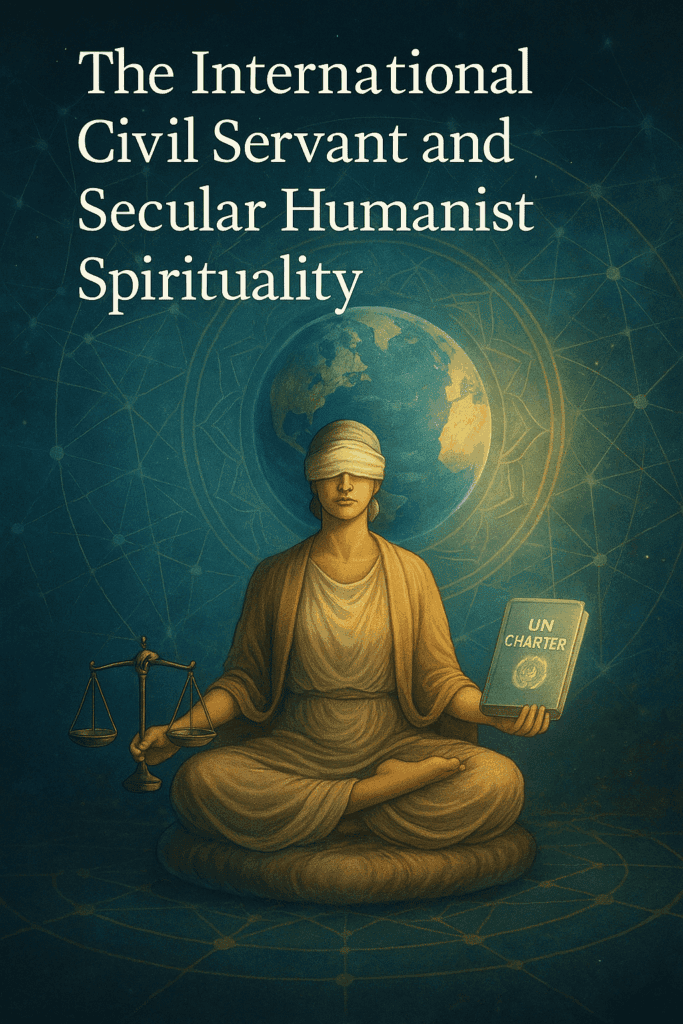
Here we explore the subtle but profound spiritual dimension of global governance and we introduce Science Abbey as a modern sanctuary for secular wisdom and global conscience.