

Table of Contents
- Introduction
- Part I. Origins and Early History of Lobbying
- The Origin of the Term
- Early American Lobbying
- The Rise of Professionalization
- The Willard Hotel and President Grant — Birth of a Term
- The Crédit Mobilier Scandal — Lobbying’s Darkest Hour
- Progressive Era Reforms — A Push for Transparency
- Lobbying in the New Deal Era — Government Grows, So Does Influence
- The Origin of the Term
- Part II. Lobbying and Advocacy in the United States Today
- Local Level
- County Level
- State Level
- National Level
- Regional and International Levels
- Grassroots vs. Grasstops Advocacy
- Local Level
- Part III. The Mechanics of Lobbying
- Registration and Disclosure
- Professional Codes and Ethics
- Direct vs. Indirect Lobbying
- Tools of the Trade
- Technology and Data in Lobbying
- The Revolving Door — From Congress to K Street
- A Day in the Life of a Lobbyist
- Registration and Disclosure
- Part IV. The Critiques and Controversies of Lobbying
- Unequal Access
- Money in Politics
- The Revolving Door
- Transparency and Loopholes
- Case Studies in Controversy
- Reform and Watchdogs
- Landmark Scandals That Shaped Lobbying Reform
- Unequal Access
- Part V. Comparing Lobbying and Advocacy in the European Union and the United States
- The European Union’s “Brussels Bubble”
- Transparency and Registration
- Corporate vs. Civil Society Influence
- Cultural and Legal Differences
- Lessons from Comparison
- Brussels vs. Washington — By the Numbers
- The European Union’s “Brussels Bubble”
- Part VI. How Citizens and Professionals Can Engage
- For Citizens
- For Professional Lobbyists
- A Shared Responsibility
- Citizen Advocacy Toolkit — Five Steps to Get Started
- For Citizens
- Conclusion
Introduction
Lobbying and advocacy are two of the most influential—and often misunderstood—forces in modern American democracy. At their simplest, they represent the act of speaking up: citizens, organizations, or professionals making their case to those in power. At their most complex, they are billion-dollar industries shaping legislation, guiding regulation, and steering the priorities of government at every level.
Professional lobbying in the United States is a structured practice. It involves registered advocates, often lawyers or policy specialists, who communicate directly with legislators, regulators, and executive officials on behalf of clients. Their goal may be to advance new laws, to block or amend legislation, or to ensure that a sector’s perspective is represented in regulatory detail. Advocacy, by contrast, is broader: it includes grassroots movements, nonprofit campaigns, and citizen petitions that express the will of the people and press for change. The two practices overlap, but they differ in scale, formality, and access.
Understanding lobbying is vital not only for those who work in or around government, but also for everyday citizens. Critics often highlight the risks: disproportionate influence by wealthy interests, revolving doors between industry and government, and the erosion of public trust.
Yet lobbying and advocacy are not inherently corrupt. They are tools—means of communication between society and state—that can be used responsibly or irresponsibly, fairly or unfairly. When conducted transparently and ethically, lobbying ensures that decision-makers hear from all sides of an issue, from industry leaders to social justice advocates, from small-town communities to multinational corporations.
This article explores the practice of lobbying and advocacy in the United States from its historical roots to its modern forms, across local, state, and national levels, with attention to regional and international dimensions. We will examine how lobbying actually works, where it succeeds and fails, and how citizens and professionals alike can engage effectively. Finally, by comparing the U.S. system with that of the European Union, we will consider how lobbying can evolve into a more transparent, inclusive, and democratic force for the future.
Part I. Origins and Early History of Lobbying
The practice of lobbying is as old as government itself. Whenever rulers have held power, those affected by their decisions have sought to influence them. From petitions to monarchs in medieval Europe to guilds pressing city councils in the Renaissance, the act of presenting grievances and requests to authority is an enduring feature of political life. The term “lobbying,” however, has a more specific and colorful history.
The Origin of the Term
The word “lobby” originally referred to the entrance hall or corridor of a public building. In Britain, members of Parliament were often approached in the lobbies outside the debating chamber by citizens, petitioners, and agents seeking to influence legislation. Over time, “lobbying” came to signify these attempts to persuade lawmakers.
The American adoption of the term gained popular traction in the 19th century. One oft-repeated story attributes it to President Ulysses S. Grant, who frequented the Willard Hotel in Washington, D.C., where advocates would wait in the lobby hoping to catch his ear. Whether or not the anecdote is literally true, it captures the essence of lobbying: the direct encounter between decision-maker and influencer in the spaces just outside the formal halls of power.
Early American Lobbying
In the United States, lobbying has roots that stretch back to the colonial era. Citizens regularly petitioned colonial assemblies, and after independence, the First Amendment to the Constitution enshrined the right “to petition the Government for a redress of grievances.” From the beginning, lobbying was seen as a democratic right as well as a practical necessity.
By the early 19th century, lobbying was common in Congress, especially over tariffs, infrastructure projects, and land policies. The construction of canals and railroads, for example, attracted intense lobbying from companies and regional interests seeking federal support. At the same time, moral and social causes—abolitionism, temperance, women’s suffrage—were advanced through organized advocacy that paralleled professional lobbying in its techniques, if not in its financial scale.
The Rise of Professionalization
The Gilded Age of the late 19th century marked a turning point. Industrialization created powerful corporations—railroads, steel, oil—that sought favorable legislation and regulation. Lobbying became more systematic, often backed by significant sums of money. Critics decried the corruption that followed, with scandals such as the Crédit Mobilier affair underscoring the dangers of unchecked influence. Yet lobbying also became more professional, with agents developing expertise in law, economics, and legislative process to support their arguments.
By the early 20th century, lobbying was firmly entrenched in American political culture. Progressive-era reforms aimed at curbing corruption led to the first serious calls for transparency in lobbying. In 1928, Congress began requiring lobbyists to register, a precursor to the more robust Lobbying Disclosure Act of 1995. Over time, lobbying evolved from a largely informal practice into a regulated profession, both criticized as a conduit for special interests and defended as a legitimate extension of free speech and democratic participation.
The Willard Hotel and President Grant — Birth of a Term
The story goes that in the 1870s, President Ulysses S. Grant often sought respite from the pressures of the White House by walking to the Willard Hotel in Washington, D.C., just a few blocks away. There, in the grand lobby, he would enjoy a cigar and a glass of brandy. Word spread quickly that the President was accessible in this informal setting. Before long, businessmen, political operatives, and advocates began gathering in the lobby, waiting for a chance to buttonhole him with requests and proposals.
Grant, reportedly amused by the persistence of these petitioners, referred to them as “lobbyists.” Whether or not he truly coined the term in this way, the story stuck and gave the word its enduring American flavor.
The Willard Hotel embraced this history, marketing itself as “the birthplace of lobbying.” The anecdote captures the essence of the practice: influence does not always happen on the floor of Congress or in official chambers, but in the spaces in-between—corridors, offices, and, yes, hotel lobbies—where access can mean everything.
The Crédit Mobilier Scandal — Lobbying’s Darkest Hour
In the 1870s, the Crédit Mobilier construction company, formed by insiders of the Union Pacific Railroad, engineered one of the most infamous lobbying scandals in U.S. history. The company massively overcharged for building the transcontinental railroad, then distributed its excess profits as discounted shares of stock to influential members of Congress.
When the scheme was exposed in 1872, it implicated the sitting Vice President, the Speaker of the House, and several powerful lawmakers. Although most escaped serious punishment, public outrage was fierce. The scandal reinforced suspicions that lobbying was little more than legalized bribery, feeding the popular distrust of “railroad barons” and Gilded Age corruption.
The Crédit Mobilier affair became a cautionary tale, shaping the demand for reform and regulation that would gather steam in the decades ahead.
Progressive Era Reforms — A Push for Transparency
The early 20th century brought a wave of reform aimed at cleaning up American politics. Known as the Progressive Era, this period saw activists and politicians target the unchecked influence of trusts, monopolies, and political machines.
Lobbying was one of their prime concerns. Reformers argued that corporations had captured government through backroom deals and hidden influence. In response, states and municipalities began passing disclosure laws, and in 1928 Congress required lobbyists representing foreign interests to register their activities.
Although these measures were modest by today’s standards, they marked an important turning point: lobbying was no longer invisible. The expectation that influence should be disclosed—at least in part—was set, laying the groundwork for modern lobbying regulation and the broader ethic of government transparency.
Lobbying in the New Deal Era — Government Grows, So Does Influence
The Great Depression and the New Deal of the 1930s transformed the role of the federal government. Suddenly, Washington was not just passing laws—it was directly managing the economy, regulating industries, creating social programs, and overseeing labor relations. With this vast expansion of government authority came an equally dramatic rise in lobbying.
Business associations, labor unions, farm groups, and newly formed advocacy organizations flocked to the capital to shape New Deal policies. For every new agency—from the Agricultural Adjustment Administration to the Securities and Exchange Commission—there was a corresponding wave of lobbyists seeking to protect their sector’s interests.
During World War II, lobbying intensified further. Defense contractors, resource industries, and veterans’ groups pressed their case in Washington, ensuring their voices were heard in a time of total national mobilization. By the mid-20th century, lobbying was no longer episodic or localized—it was a permanent feature of American governance, tied to the ever-expanding reach of the federal state.
Part II. Lobbying and Advocacy in the United States Today
Lobbying in the twenty-first century United States is a vast and layered system, operating at every level of government. While the popular imagination often focuses on K Street firms in Washington, D.C., the reality is far more diffuse. Lobbying and advocacy take place in city halls, county boards, state capitols, and international arenas. Each level has its own dynamics, strategies, and significance.
A. Local Level
At the municipal level, lobbying may appear modest in scale but is deeply consequential. Developers advocate for zoning changes, neighborhood associations push for safety measures, and unions negotiate with city councils over contracts. Because local government decisions directly affect everyday life—trash collection, schools, policing—citizen advocacy can be especially effective. Grassroots lobbying often begins here, where access to officials is most direct.
B. County Level
Counties, which often oversee courts, health systems, and infrastructure, are targets of specialized lobbying. Rural hospitals form coalitions to secure county subsidies; agricultural associations push for favorable land-use rules; sheriffs and district attorneys lobby county boards for budget allocations. The county level illustrates how lobbying is not only about national politics but also about the granular negotiations that sustain local communities.
C. State Level
State legislatures are major battlegrounds for lobbyists. Corporations, unions, advocacy groups, and professional associations hire registered state lobbyists to monitor and shape bills on education, healthcare, taxation, and energy. Some national organizations, such as the American Legislative Exchange Council (ALEC), influence multiple states by providing model legislation. Because states regulate industries like utilities and insurance, lobbying here can be as powerful as in Washington.
D. National Level
At the federal level, lobbying is a multibillion-dollar enterprise. Firms on K Street represent industries from technology to pharmaceuticals, while trade associations, unions, nonprofits, and grassroots campaigns jostle for access. Lobbyists meet with Members of Congress, testify before committees, and submit regulatory comments to executive agencies. The White House itself is a target for influence, with advisory councils and executive orders often shaped by input from interest groups.
Examples abound: the AARP lobbying for Social Security and Medicare protections; environmental groups pressing for climate legislation; defense contractors vying for Pentagon contracts. Campaign finance adds another dimension: Political Action Committees (PACs) and Super PACs channel donations to candidates, amplifying the voice of organized interests.
E. Regional and International Levels
Lobbying does not stop at the U.S. border. Regional coalitions advocate on multi-state issues such as water rights or transportation corridors. Internationally, American lobbyists represent foreign governments, corporations, and NGOs in trade negotiations, treaty debates, and international institutions. From the renegotiation of NAFTA (now USMCA) to climate agreements, lobbying increasingly crosses borders, reflecting the interconnected nature of today’s policy challenges.
Grassroots vs. Grasstops Advocacy
While professional lobbyists often operate through direct relationships with policymakers, citizen advocacy comes in two complementary forms:
- Grassroots Advocacy: Mobilizing large numbers of ordinary people to contact their officials, sign petitions, attend town halls, or protest. This shows broad public support and can sway legislators worried about re-election.
- Grasstops Advocacy: Leveraging respected community leaders, business executives, or subject-matter experts to influence policymakers. This approach combines credibility with targeted access.
Successful campaigns often blend both: a groundswell of citizen voices amplified by influential figures who can open doors at higher levels of government.
Part III. The Mechanics of Lobbying
Understanding how lobbying works in practice is essential for citizens and professionals alike. It is not merely about handshakes in corridors or chance encounters in hotel lobbies. Modern lobbying is a disciplined process that blends law, strategy, communications, and relationship-building.
Registration and Disclosure
Since the Lobbying Disclosure Act of 1995 (LDA), lobbyists operating at the federal level must register with Congress if they spend more than a set threshold of time and money on lobbying activities. They must file regular reports identifying their clients, issues they are working on, and funds spent. This creates a public record, though critics note that much influence still happens in the “gray areas” around official definitions of lobbying.
Professional Codes and Ethics
Most professional lobbyists follow codes of conduct established by associations such as the American League of Lobbyists (now called the Association of Government Relations Professionals). These codes stress honesty, integrity, and compliance with laws on gifts, campaign contributions, and transparency. Ethical standards, however, remain unevenly enforced, and public suspicion of lobbying often stems from lapses in this area.
Direct vs. Indirect Lobbying
Lobbying can be divided into two broad methods:
- Direct lobbying: Meeting with legislators, regulators, and their staff; providing policy briefs; testifying at hearings; or drafting proposed language for bills.
- Indirect lobbying (or grassroots lobbying): Mobilizing citizens to pressure officials through phone calls, letters, rallies, or digital campaigns. Indirect lobbying blurs into advocacy, but professional firms increasingly use it to demonstrate that their cause has broad support.
Tools of the Trade
Lobbyists deploy a wide range of tools:
- Policy briefs and white papers that summarize complex issues in accessible form.
- Coalition-building, where multiple organizations unite around a shared interest.
- Media campaigns to shape public opinion and, by extension, policymaker incentives.
- Campaign contributions through PACs and Super PACs, which, while legally separate, are closely monitored for their impact on access and influence.
- Regulatory comments, where lobbyists submit technical analyses during agency rulemaking, often shaping the fine print of policy.
Technology and Data in Lobbying
In the digital age, lobbying has expanded beyond in-person meetings. Social media campaigns can apply pressure overnight, while big data and analytics help lobbyists target specific districts or demographics. Some firms now use artificial intelligence to map political networks, track legislative developments, and predict policymaker behavior. Technology is reshaping advocacy, making it faster, more precise, and more visible—but also raising new questions about fairness and manipulation.
The Revolving Door — From Congress to K Street
One of the most debated features of American lobbying is the “revolving door”: the movement of individuals between government service and lobbying or consulting roles.
- How it works: Former legislators, congressional staffers, or agency officials leave public service and take positions with lobbying firms, trade associations, or corporations. They bring with them insider knowledge of the legislative process and personal connections with current policymakers.
- Why it matters: Supporters argue that experienced professionals provide valuable expertise, helping industries and nonprofits navigate complex laws. Critics counter that it creates unfair advantages for those who can afford high-priced former officials, eroding public trust.
- Regulation: Federal law imposes “cooling-off periods” — for example, Senators must wait two years before lobbying Congress directly, while senior executive officials face a one-year ban. Still, many find ways around these rules by working in advisory roles or focusing on “strategic consulting” rather than direct lobbying.
The revolving door symbolizes both the efficiency and the dangers of lobbying: knowledge and access are powerful, but when concentrated in private hands, they can distort democratic representation.
A Day in the Life of a Lobbyist
While the stereotype of a lobbyist conjures images of smoky backrooms and whispered deals, the reality is often closer to that of a policy analyst and relationship manager. A typical day might look like this:
- Morning Briefing: Scan congressional schedules, regulatory notices, and news alerts to identify developments affecting clients.
- Client Call: Update a trade association or nonprofit board on legislative progress, strategize next steps, and review talking points.
- Capitol Hill Meeting: Meet with a congressional staffer to present a policy memo on pending legislation, armed with data and constituent stories.
- Coalition Check-In: Join a working group with other organizations to coordinate messaging and plan a joint advocacy event.
- Committee Hearing: Attend a hearing, take notes on testimony, and prepare a rapid-response memo for clients.
- Evening Reception: Network at a bipartisan fundraiser or industry event, cultivating relationships that may open doors tomorrow.
Far from being purely transactional, lobbying requires persistence, preparation, and the ability to translate complex issues into persuasive narratives. It is part research, part strategy, and part diplomacy.
The mechanics of lobbying reveal a profession that is at once technical, strategic, and deeply embedded in the policymaking process. Yet it is precisely this closeness to power that fuels public unease. For every policy memo or coalition meeting, critics see an imbalance of access; for every grassroots campaign, they see a corporate PAC outspending it tenfold. The same tools that make lobbying effective—expertise, relationships, and resources—also raise difficult questions about fairness, transparency, and corruption. To understand the full picture, we must turn from how lobbying works to why it remains one of the most controversial features of American democracy.
Part IV. The Critiques and Controversies of Lobbying
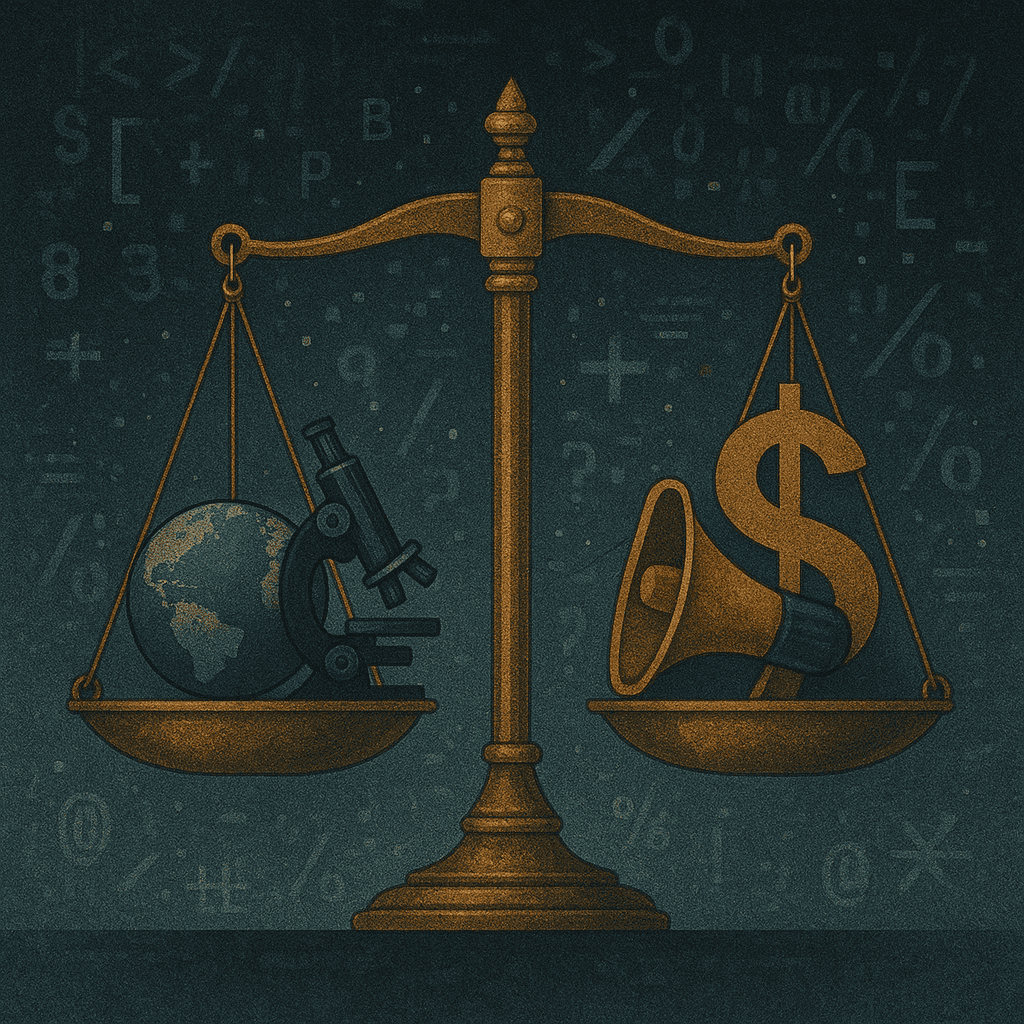
Lobbying sits at the heart of democratic participation, yet it is also one of the most distrusted professions in the United States. Its defenders argue that it represents free speech in action—citizens and organizations presenting their views to government. Its critics counter that lobbying tilts the playing field in favor of those with the deepest pockets and the widest networks. The truth lies somewhere in between, shaped by both the ideals and the excesses of the system.
Unequal Access
The most common criticism of lobbying is that it creates unequal access to power. While every citizen technically has the right to petition their government, not all petitions are heard equally. A multimillion-dollar lobbying campaign backed by a trade association can secure face time with legislators and influence key staff, while grassroots groups may struggle to be noticed. This imbalance challenges the democratic principle of equal voice in public decision-making.
Money in Politics
Campaign finance intertwines with lobbying in ways that amplify concerns. Political Action Committees (PACs) and Super PACs channel vast sums into campaigns, often funded by industries with active lobbying agendas. Though legally distinct from direct lobbying, these financial contributions help secure access and goodwill. Critics see this as a form of legalized corruption, where donations buy attention if not outright votes.
The Revolving Door
As noted earlier, the revolving door between government service and lobbying firms raises suspicions of insider privilege. Former lawmakers and staffers can leverage personal relationships and procedural knowledge in ways inaccessible to ordinary citizens. While laws impose cooling-off periods, many argue these safeguards are insufficient to prevent undue influence.
Transparency and Loopholes
Disclosure laws under the Lobbying Disclosure Act of 1995 were intended to shine light on lobbying activities, but loopholes persist. Many consultants brand themselves as “strategic advisors” rather than lobbyists, thereby avoiding registration requirements. Some advocacy campaigns are routed through nonprofits or front groups, masking the true sponsors of influence. As a result, the public record of lobbying often tells only part of the story.
Case Studies in Controversy
History offers plenty of examples that fuel public distrust. The tobacco industry’s decades-long campaign to downplay health risks, pharmaceutical lobbying that shaped opioid legislation, and energy sector lobbying on climate change all illustrate how concentrated influence can hinder the public interest. Each case reveals the dual-edged nature of lobbying: it can be used to inform policymakers with vital expertise, or to shield harmful practices from scrutiny.
Reform and Watchdogs
To address these concerns, transparency initiatives have emerged. Federal and state databases track lobbying expenditures, while watchdog organizations monitor lobbying activity and campaign finance. Proposals for reform range from stricter cooling-off periods to limits on campaign contributions, from expanding disclosure requirements to publicly funded elections. Whether such reforms will restore trust remains an open question, but the demand for accountability is clear.
Sidebar: Landmark Scandals That Shaped Lobbying Reform
Lobbying scandals have often been the catalyst for reforms in U.S. political life. A few of the most consequential include:
- Crédit Mobilier (1872): Railroad insiders bribed members of Congress with discounted stock to secure favorable contracts, sparking public outrage during the Gilded Age and fueling calls for transparency.
- Teapot Dome (1920s): Oil companies bribed government officials for access to federal reserves in Wyoming. The scandal led to the first prison sentence for a U.S. cabinet official and strengthened the push for oversight.
- Keating Five (1980s): Five Senators were accused of improperly pressuring federal regulators on behalf of a savings-and-loan executive who had made campaign contributions. The scandal eroded trust in Congress and campaign finance practices.
- Jack Abramoff (2000s): A high-profile lobbyist was convicted of fraud and corruption, exposing how lavish gifts, trips, and donations were used to sway lawmakers. The case prompted the Honest Leadership and Open Government Act of 2007, which tightened gift and travel rules.
Each scandal underscored the same lesson: without oversight, lobbying can slide into corruption. Each reform sought to restore public confidence, though critics argue loopholes persist even after the most sweeping changes.
The controversies surrounding lobbying in the United States are not unique. Questions of access, influence, and transparency arise wherever government and private interests intersect. To place the American experience in perspective, it is useful to compare it with another major democratic arena—the European Union—where lobbying has also become a powerful, highly structured practice.
Part V. Comparing Lobbying and Advocacy in the European Union and the United States
Lobbying is not an American invention, though the United States has arguably refined it into one of the most developed—and controversial—professions in the democratic world. Across the Atlantic, the European Union has cultivated its own lobbying culture centered in Brussels, where decisions by the European Commission, Parliament, and Council ripple across all 27 member states. Comparing the two systems highlights both shared challenges and striking differences.
The European Union’s “Brussels Bubble”
Brussels has become the EU’s lobbying capital, home to an estimated 25,000 lobbyists—making it second only to Washington, D.C. in concentration of influence. Lobbying there is driven by the EU’s complex, multi-layered governance structure. Because the European Commission initiates legislation, lobbyists often focus on shaping proposals at the earliest stages, presenting technical expertise and stakeholder perspectives. The European Parliament and the Council of the EU then become additional lobbying targets as they negotiate and adopt laws.
Transparency and Registration
Unlike the United States, which mandates lobbying disclosure through the Lobbying Disclosure Act, the EU’s system is voluntary. The European Transparency Register, created in 2011, encourages lobbyists to disclose clients, expenditures, and objectives in order to gain access to EU officials. Critics argue that voluntary participation leaves gaps, but defenders point out that the EU’s emphasis on NGO and civil society involvement provides a wider range of voices than the more industry-heavy U.S. model.
Corporate vs. Civil Society Influence
In Washington, corporate lobbying dominates, with the largest industries—pharmaceuticals, technology, energy—consistently ranking among the biggest spenders. In Brussels, corporations also wield considerable power, but NGOs, labor unions, and issue-based advocacy groups often play a more prominent role in shaping debates, particularly on environmental, consumer, and human rights policy. The EU’s institutional design, which requires consensus across multiple bodies and member states, gives advocacy coalitions more opportunities to be heard.
Cultural and Legal Differences
Another distinction lies in campaign finance. In the U.S., lobbying intersects closely with political contributions, PACs, and Super PACs. In the EU, direct campaign financing plays a much smaller role, as most elections are nationally managed and heavily regulated. This difference reduces—but does not eliminate—the perception that money buys influence. Instead, EU lobbying often emphasizes expertise and technical credibility, though the risk of regulatory capture remains.
Lessons from Comparison
The comparison reveals a paradox: while the U.S. model is more transparent by law, it is also more dominated by moneyed interests; while the EU model aspires to greater inclusivity, its voluntary system leaves gaps that can obscure who is influencing policy. Both systems struggle with balancing access and equality, expertise and fairness. For citizens and professionals alike, the key takeaway is that lobbying is a universal feature of democracy—and one that requires constant vigilance to ensure it strengthens rather than undermines public trust.
Brussels vs. Washington — By the Numbers
A snapshot comparison of the two world capitals of lobbying:
- Number of lobbyists
- Washington, D.C.: ~12,000 federally registered lobbyists (2024)
- Brussels: ~25,000 active lobbyists (registered and unregistered estimates)
- Washington, D.C.: ~12,000 federally registered lobbyists (2024)
- Annual lobbying expenditures
- Washington, D.C.: Over $4 billion (2023)
- Brussels: Estimated €1.8 billion (approx. $2 billion)
- Washington, D.C.: Over $4 billion (2023)
- Transparency systems
- U.S.: Mandatory disclosure under the Lobbying Disclosure Act (1995)
- EU: Voluntary European Transparency Register (2011)
- U.S.: Mandatory disclosure under the Lobbying Disclosure Act (1995)
- Dominant players
- U.S.: Corporations and trade associations (pharma, tech, energy)
- EU: Corporations, but with stronger roles for NGOs and civil society groups
- U.S.: Corporations and trade associations (pharma, tech, energy)
- Political finance link
- U.S.: Strong—lobbying intertwined with PACs and campaign donations
- EU: Weak—campaign finance is largely regulated at national level
- U.S.: Strong—lobbying intertwined with PACs and campaign donations
Both cities reveal how lobbying adapts to institutional context: Washington’s system revolves around money and elections, while Brussels’s revolves around expertise and negotiation across member states.
Part VI. How Citizens and Professionals Can Engage
Lobbying and advocacy are often portrayed as the exclusive domain of insiders and corporations, but they are in fact open to anyone willing to engage strategically, ethically, and persistently. For democracy to thrive, citizens must understand their rights to petition government, and professional lobbyists must recognize their responsibilities to the broader public.
For Citizens
- Know Your Rights: The First Amendment guarantees the right to petition government for redress of grievances. This is the constitutional foundation of lobbying and advocacy.
- Start Local: City councils, school boards, and county commissions are often more accessible than state legislatures or Congress. A well-organized group of citizens can have outsized influence at these levels.
- Use Multiple Channels: Phone calls, letters, public comments, and meetings with representatives all carry weight. Combining personal stories with clear data makes an impression.
- Join Coalitions: Grassroots efforts are amplified when linked to broader networks. Nonprofits, unions, and advocacy groups provide structure and resources that individual voices alone may lack.
- Follow the Money: Transparency tools, such as lobbying disclosure databases and campaign finance trackers, allow citizens to monitor who is influencing their representatives. Awareness is the first step toward accountability.
For Professional Lobbyists
- Maintain Integrity: Trust is the currency of lobbying. Misleading information may gain short-term advantage but damages credibility in the long run.
- Practice Bipartisanship: Effective lobbyists cultivate relationships across party lines, recognizing that today’s opposition may hold power tomorrow.
- Educate, Don’t Manipulate: Policymakers value concise, accurate, and actionable information. Presenting facts clearly is often more effective than pressure tactics.
- Stay Compliant: Adhering to registration, disclosure, and ethical rules is non-negotiable. Compliance is both a legal necessity and a sign of professionalism.
- Measure Impact: Clients and coalitions want results. Tracking legislative progress, media visibility, and policy outcomes demonstrates accountability and strategic value.
A Shared Responsibility
Both citizens and professionals have roles to play in ensuring lobbying strengthens, rather than weakens, democracy. Citizens must recognize their power to advocate and hold leaders accountable. Professionals must remember that their influence carries a public dimension, not just a private one. When these roles are approached with integrity and transparency, lobbying becomes less about privilege and more about participation.
Citizen Advocacy Toolkit — Five Steps to Get Started
- Identify Your Issue
Focus on a single, specific problem or policy. Clear goals are easier to communicate and achieve than broad grievances. - Know Your Audience
Research who has decision-making power—city council, state legislator, federal agency—and tailor your message accordingly. - Build Your Case
Gather facts, statistics, and personal stories. A mix of data and human impact makes advocacy compelling. - Organize and Mobilize
Start with friends, neighbors, or colleagues. Use petitions, social media, and local meetings to amplify your cause. - Make Contact
Call, write, or meet directly with representatives. Be respectful, concise, and persistent. Follow up to show continued engagement.
Remember: Effective advocacy is not about shouting the loudest—it’s about being clear, credible, and consistent.
Conclusion
Lobbying and advocacy are often painted in stark colors—either as noble exercises of democratic voice or as corrupt bargains struck in smoke-filled rooms. In truth, they are both more ordinary and more essential. Lobbying is the structured way that citizens, organizations, and industries communicate with government; advocacy is its broader cousin, mobilizing communities and movements. Together, they form the lifeblood of democratic participation, ensuring that policies are informed by diverse experiences and perspectives.
Yet the controversies cannot be ignored. The unequal access afforded to wealthy interests, the intertwining of money and politics, and the revolving door between government and industry all raise valid concerns about fairness and integrity. Transparency and reform are not optional—they are necessary for public trust. Each generation, from the Progressive reformers to modern watchdog groups, has had to confront the risks of influence and recalibrate the balance between free speech and public accountability.
Looking beyond the United States, the comparison with the European Union reminds us that no system is perfect. Whether in Washington or Brussels, the challenge is the same: to keep lobbying from being a tool of privilege alone, and instead make it a channel through which expertise and citizen voice enrich policymaking.
For citizens, the path forward lies in recognizing the power of engagement—starting local, organizing coalitions, and insisting on transparency. For professionals, it lies in practicing integrity, bipartisanship, and compliance. For both, it lies in remembering that lobbying is not just about influence, but about stewardship of the democratic process itself.
An Integrated Humanist vision calls for lobbying and advocacy to be reclaimed as instruments of justice, inclusion, and reason. Used wisely, they can help build not just better laws, but a better society—one where government is not only accessible to the powerful, but answerable to all.