
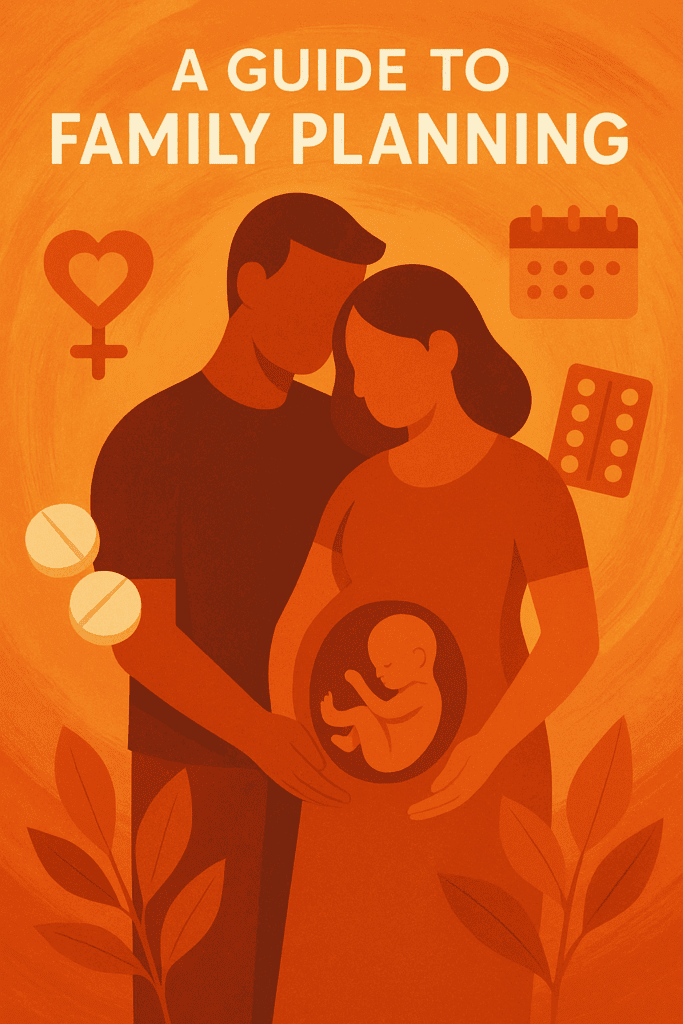
A Guide to Family Planning: A Scientific, Social, and Ethical Approach
This guide aims to clarify the key concepts, choices, and consequences of family planning.
Whole Being — Science, Practice, and the Pursuit of Vitality
Explore physical, mental, and societal well-being—where ancient practices meet modern science in the pursuit of human flourishing.
This guide aims to clarify the key concepts, choices, and consequences of family planning.

Self-esteem and confidence are foundational psychological constructs influencing mental health, motivation, social behavior, and achievement.
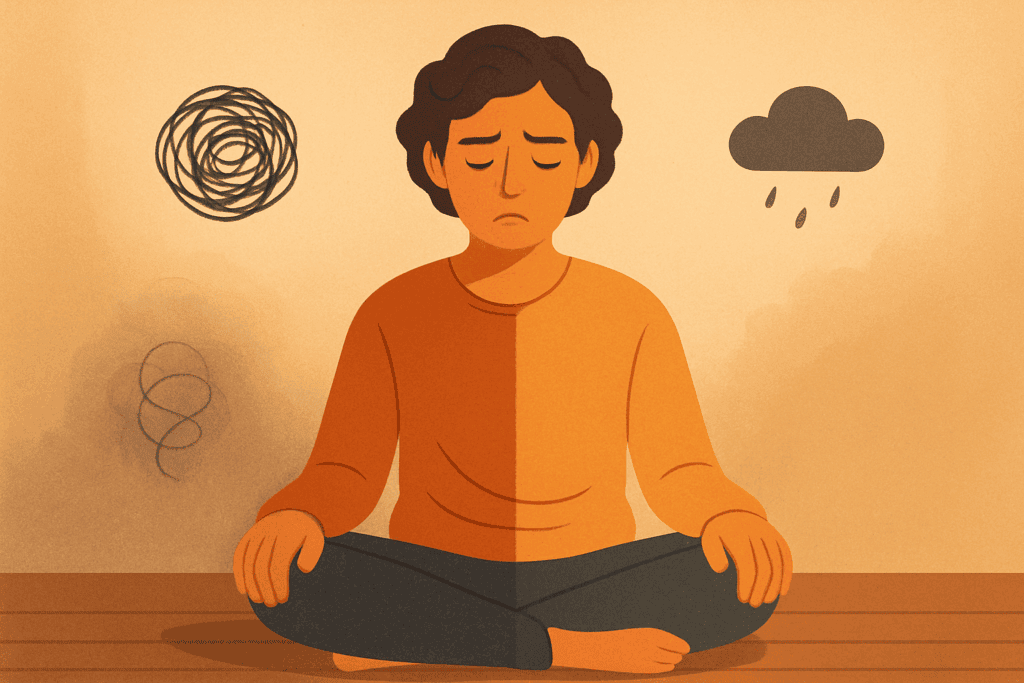
Anxiety, depression, and contentment represent key affective states central to human experience and mental health.

This article explores the history, science, and impact of screen time in all its forms—television, computers, smartphones, tablets, and more.
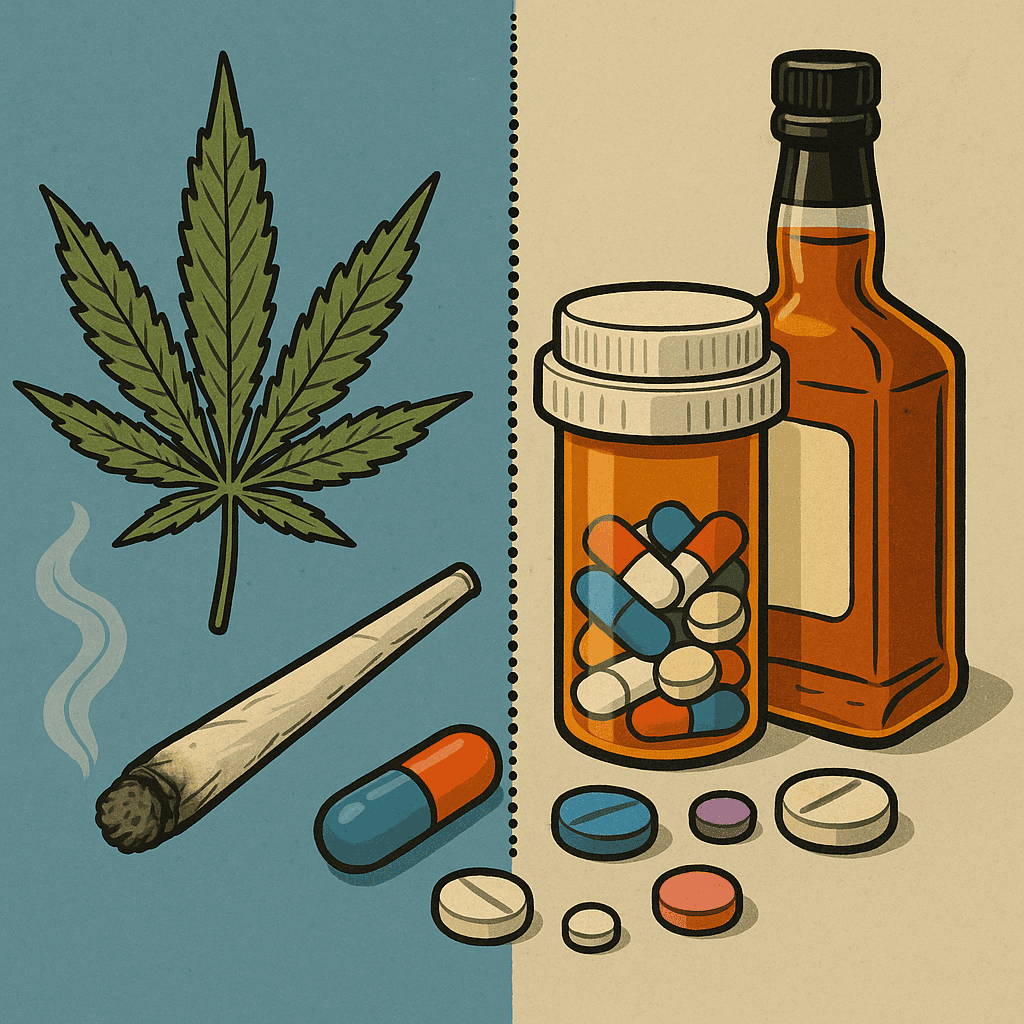
This article explores the science behind drugs—what they are, how they work, and why they affect us so deeply. What could a smarter, fairer drug policy look like?

A science-based guide to eating for health, compassion, and the Earth—connecting food to mind, body, society, and the future.
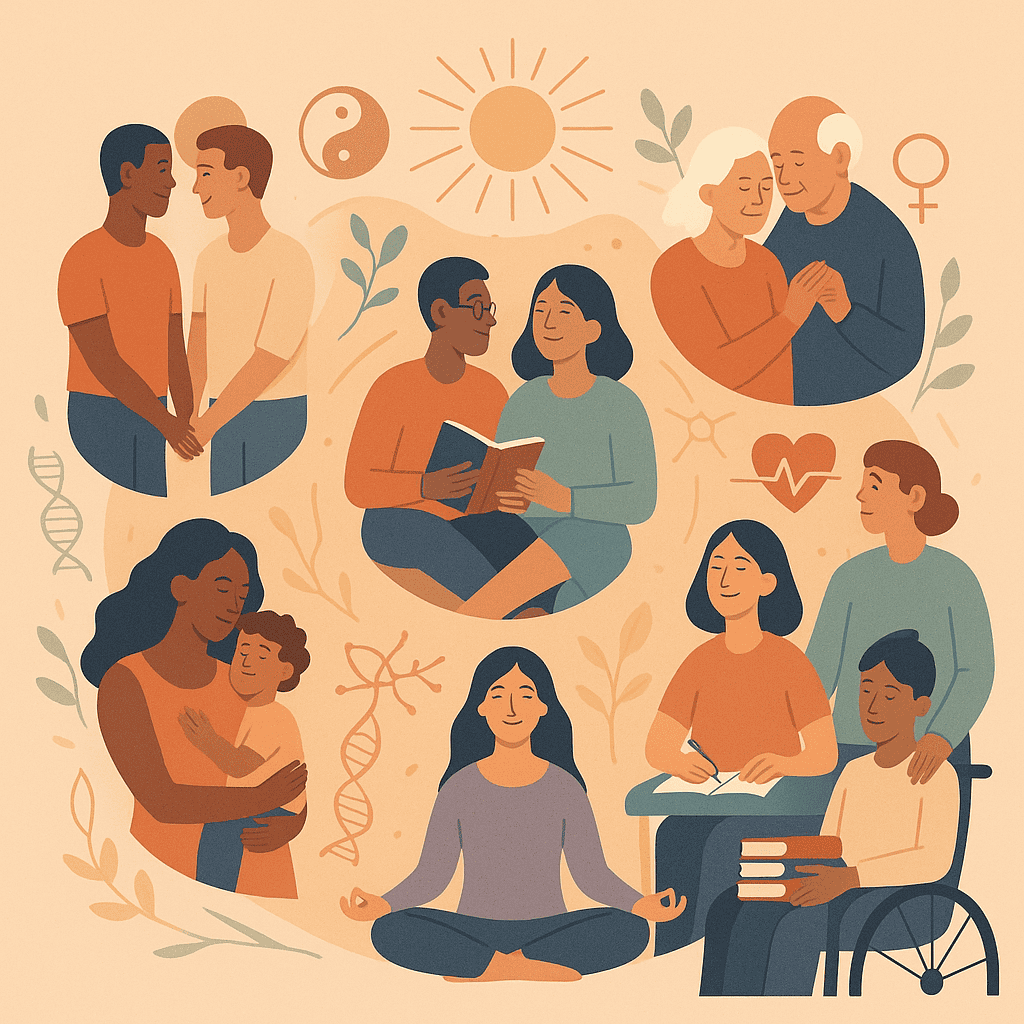
Sex is not just biology. It is identity, emotion, connection, pleasure, vulnerability, and creativity. It is tied to reproduction, but it is also a fundamental part of human bonding and well-being. To talk about sex honestly and responsibly is to affirm something deeply human.
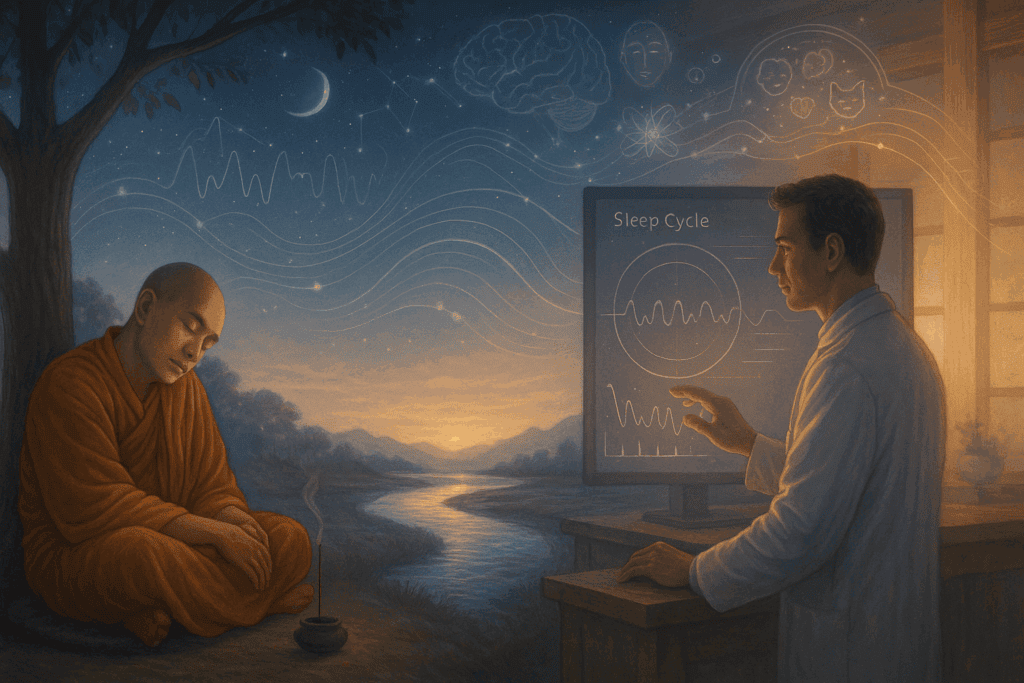
Sleep isn’t laziness—it’s biology. Discover the science behind rest, the dangers of deprivation, and why even monks should sleep well. A call for wisdom, health, and spiritual clarity.
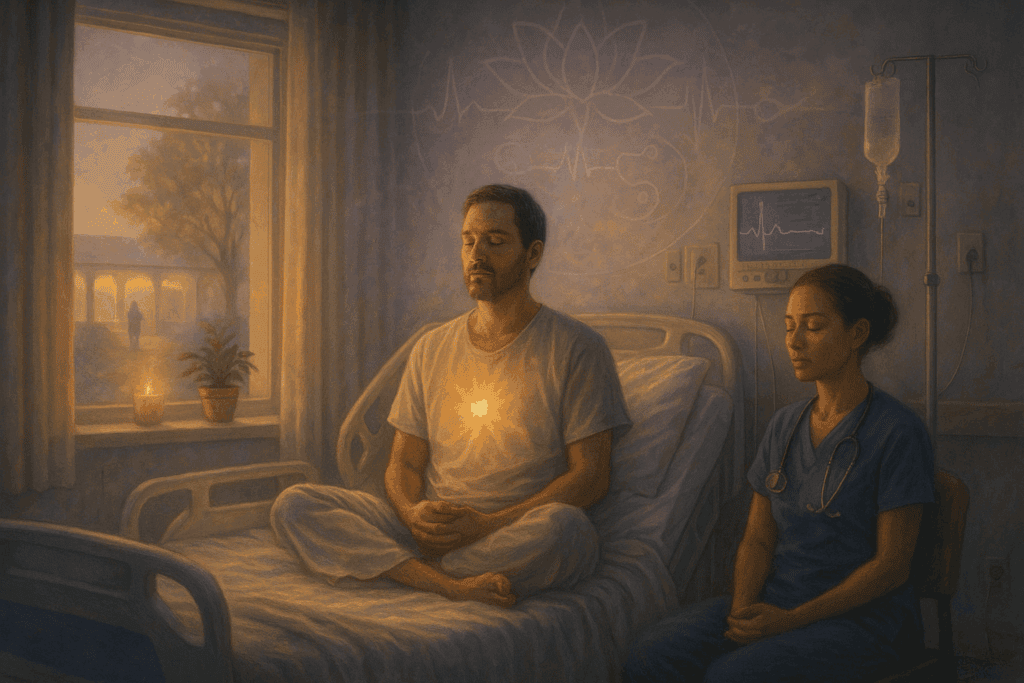
Meditation has been shown to modulate pain, ease anxiety, reduce inflammation, improve immune response, and foster psychological resilience. These are not just philosophical promises, but measurable, reproducible outcomes.

In this article, we will explore the origins of Schema Therapy, its relationship to CBT, the nature of schemas and attachment, and offer a complete guide to the 18 Early Maladaptive Schemas and how to heal them.
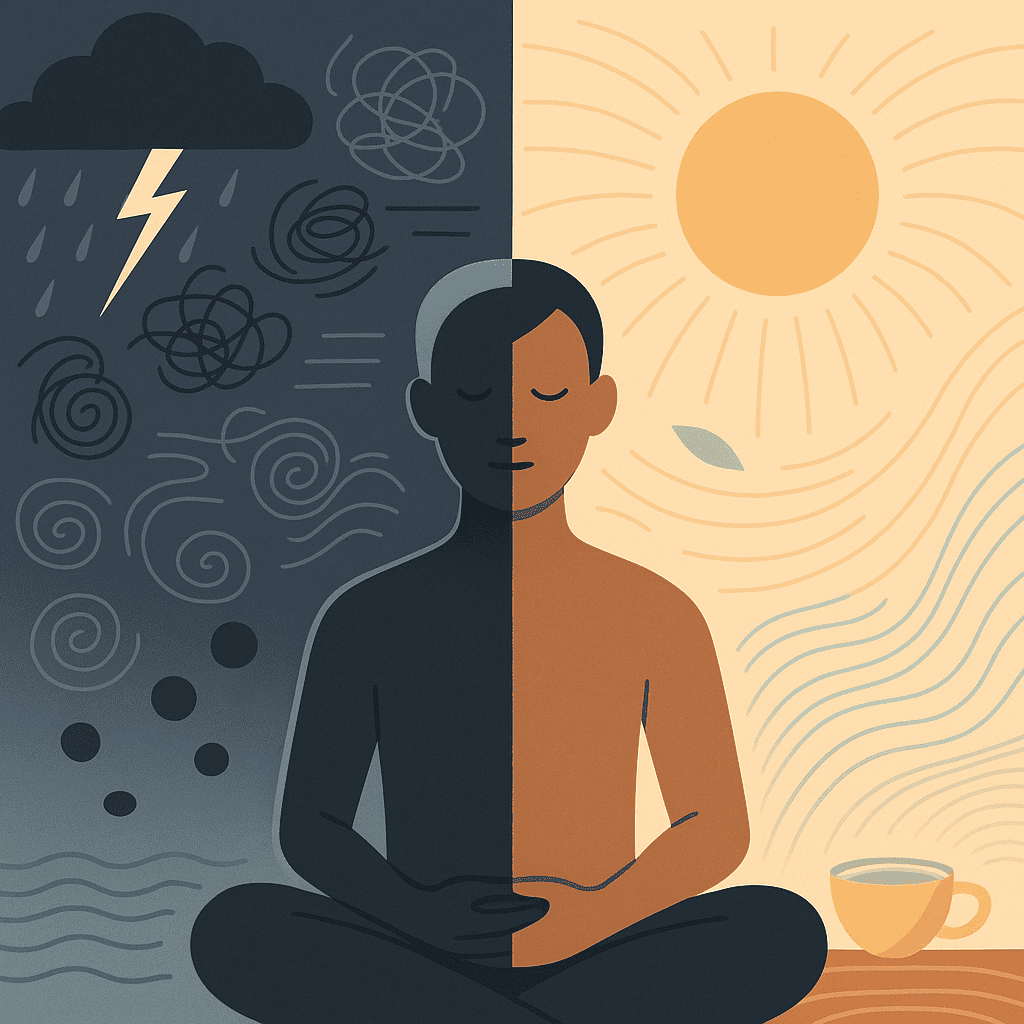
Among the most effective tools for navigating emotional storms is Cognitive Behavioral Therapy (CBT)—a structured, evidence-based approach that teaches individuals to understand, reframe, and shift their responses to distress.