
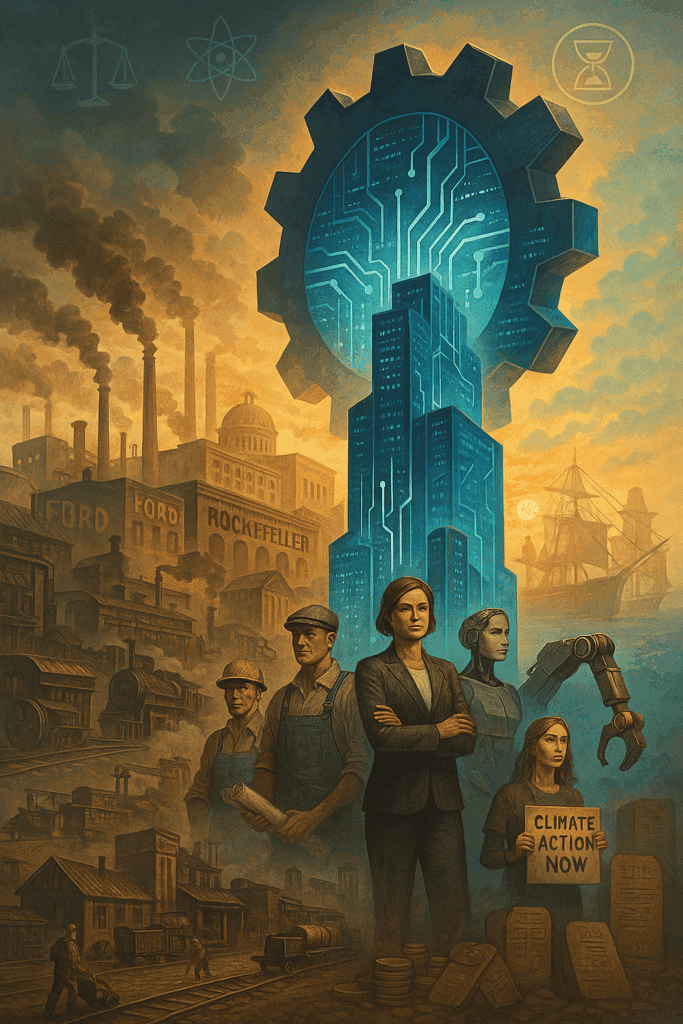
History and Science of Production and Corporations
If the corporation is the defining institution of the modern world, then understanding it—its logic, limits, and potential—is not just useful. It is imperative.
If the corporation is the defining institution of the modern world, then understanding it—its logic, limits, and potential—is not just useful. It is imperative.
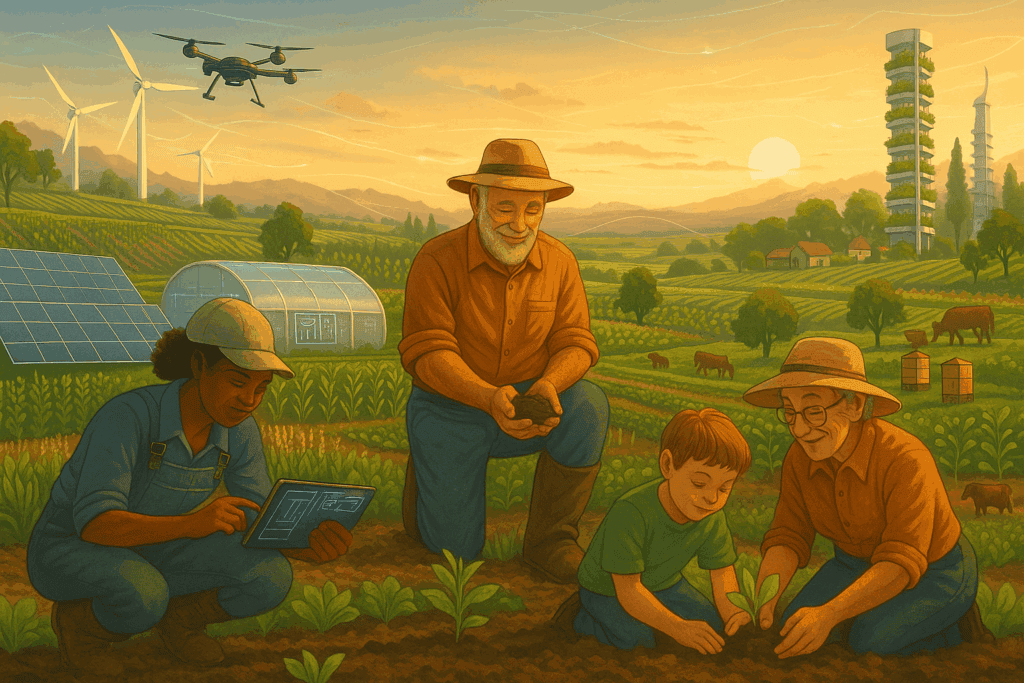
This article explores farming as both a scientific and ethical practice—examining soil, crops, animals, and technology through the lens of sustainability and human well-being.
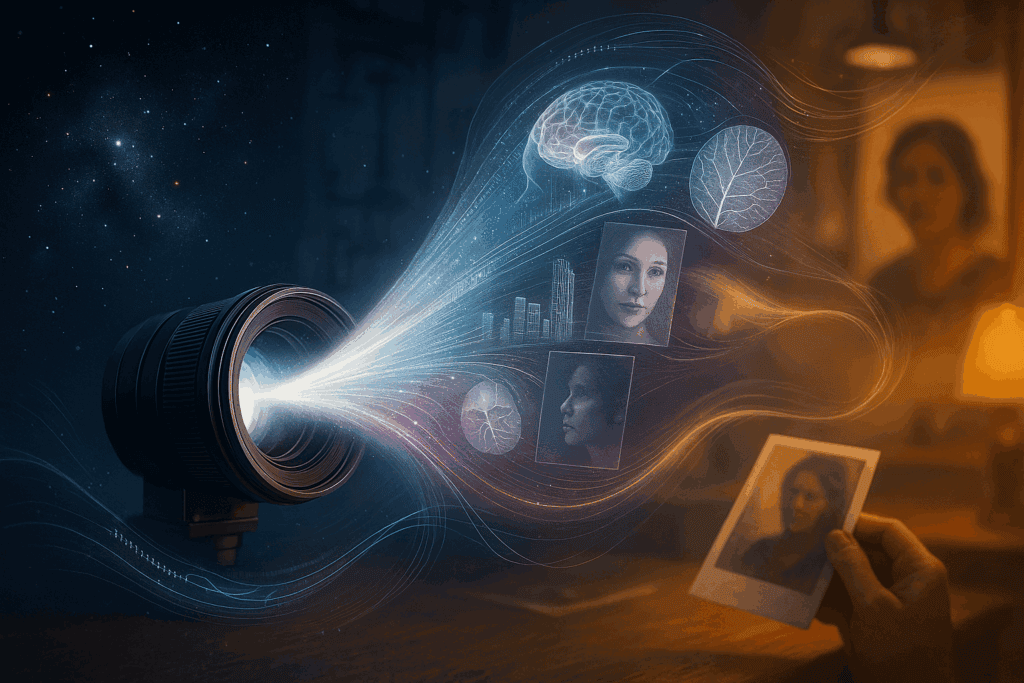
Explore the science behind photography and the power of images in science—from early chemical processes to modern digital imaging, medical scans, remote sensing, and AI-generated visuals. A visionary journey through how we see and understand the world.
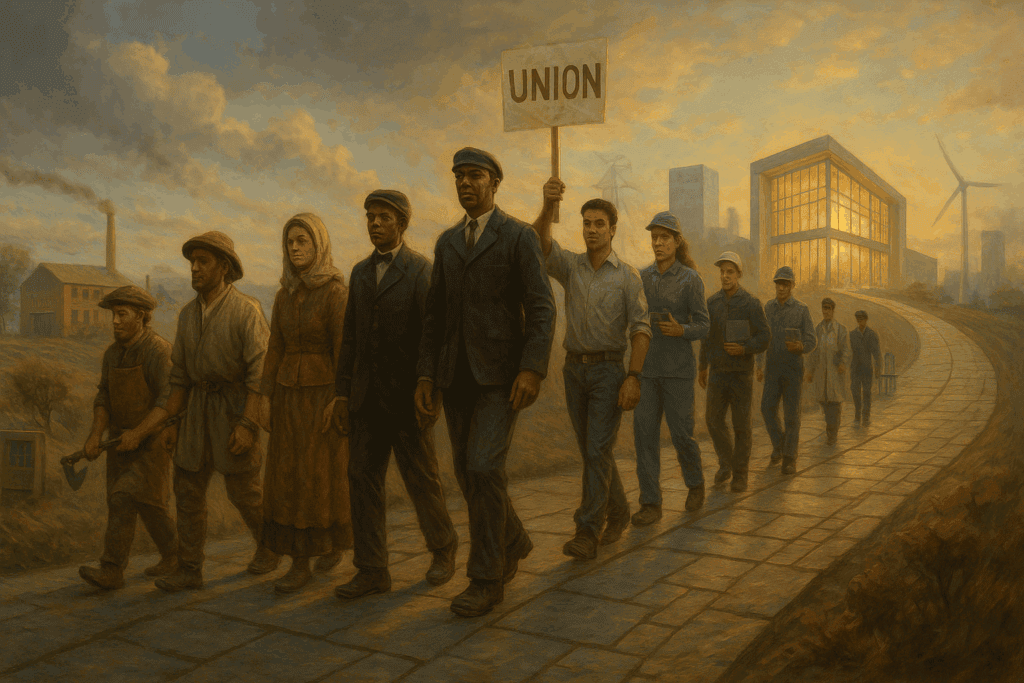
This article takes a comprehensive look at the labor movement and trade unions through multiple lenses: biological, ecological, historical, anthropological, sociological, political, economic, and psychological.

Self-esteem and confidence are foundational psychological constructs influencing mental health, motivation, social behavior, and achievement.

Anxiety, depression, and contentment represent key affective states central to human experience and mental health.

We will explore how to discern truth from fiction through the tools of unbiased empirical inquiry and critical thinking.
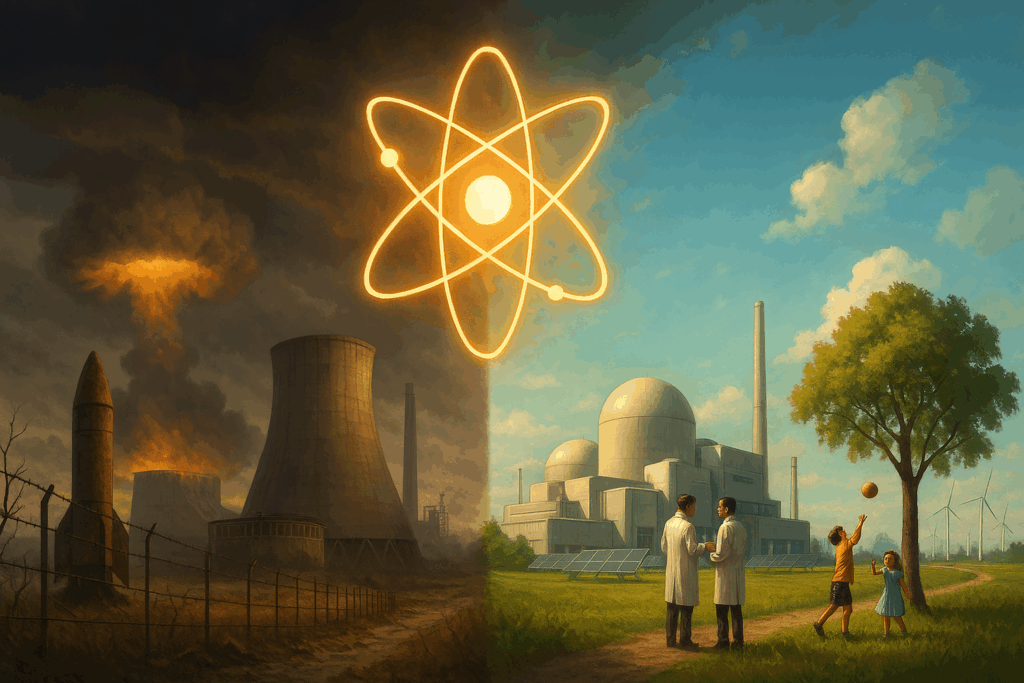
This article explores the science, history, and global impact of nuclear power—from its discovery and energy uses to weapons, regulation, and ethics—offering an Integrated Humanist vision for its responsible future.

A sweeping exploration of aviation’s past, present, and future — from ancient myths of flight to the latest aerospace technology — viewed through the lens of science, society, and Integrated Humanism.
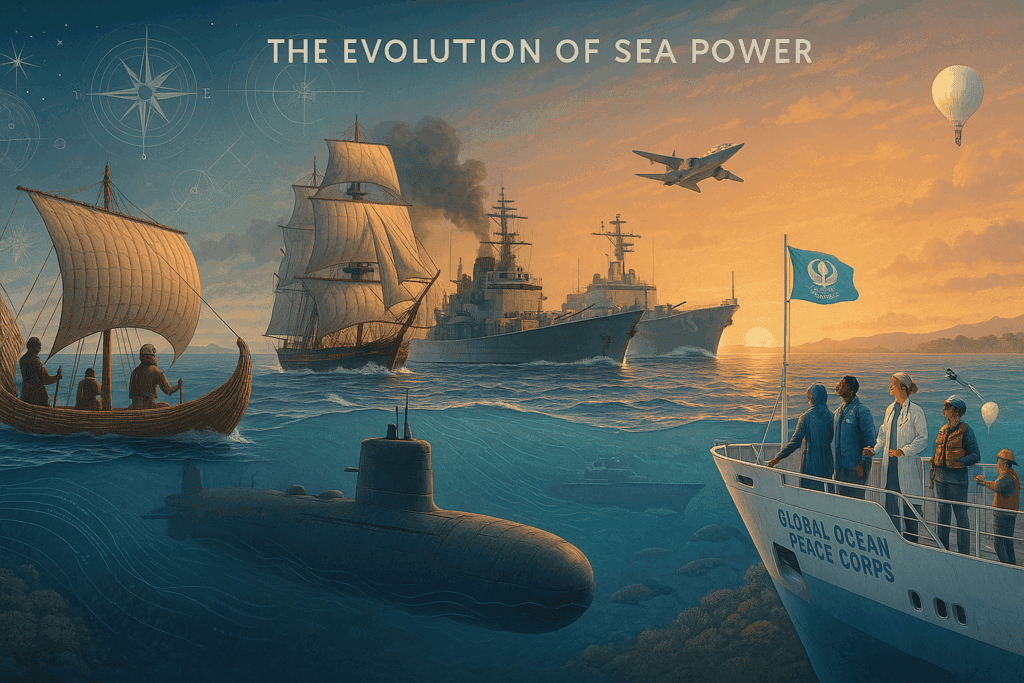
Explore the history, science, and strategy of naval power—from ancient seacraft to modern warships—and discover a humanist vision for peaceful, cooperative stewardship of the world’s oceans.
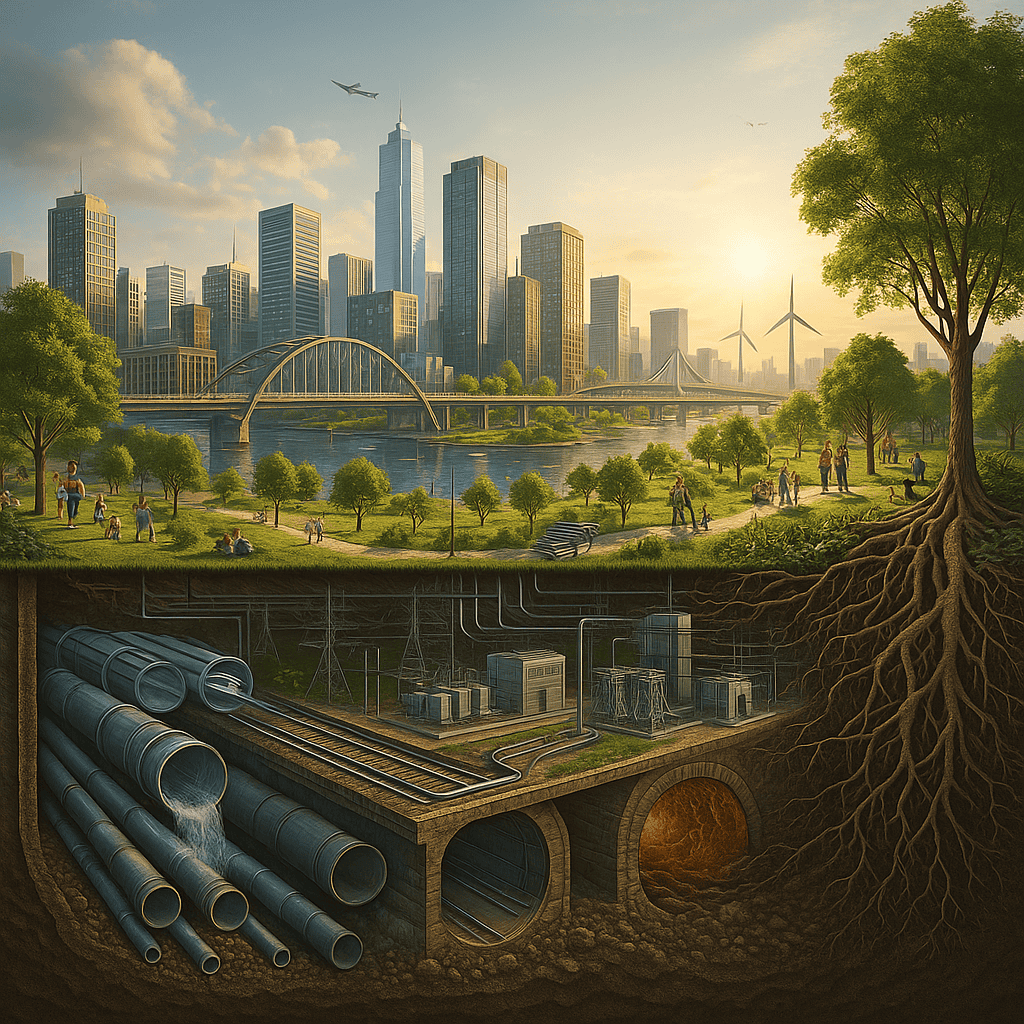
This article examines civil engineering and infrastructure today—its scientific foundations, technological tools, global challenges, and the guiding vision of Integrated Humanism focused on equity, sustainability, and human dignity.
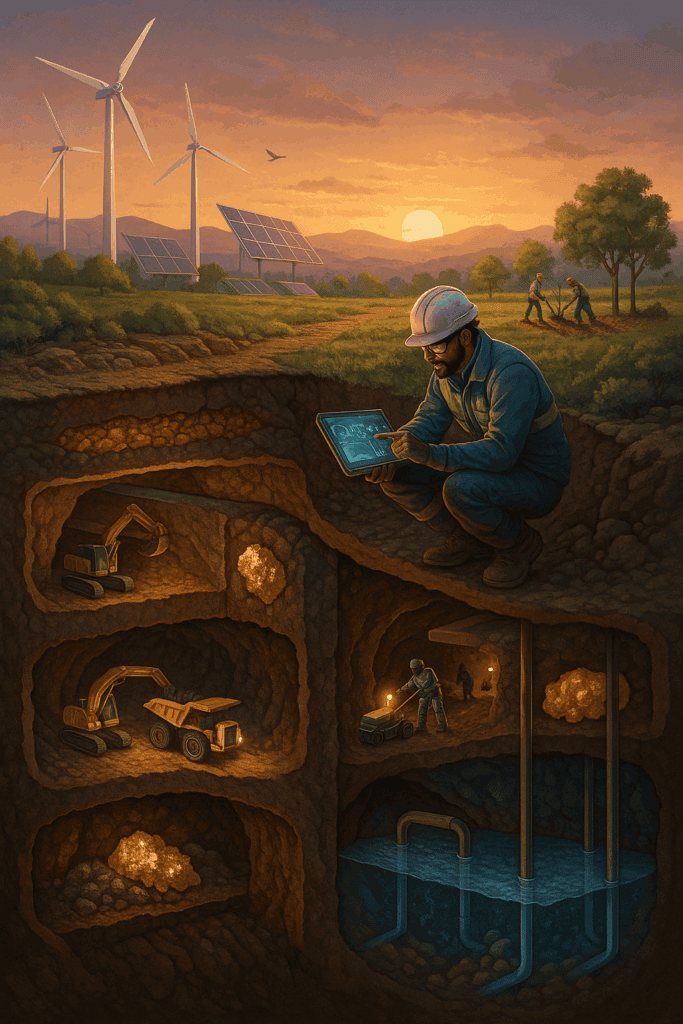
How do we extract the Earth’s resources without destroying the very systems that sustain life? How do we build a future that is materially rich, ethically sound, and ecologically viable?